
 한국어
 English
 日本語
 中文(简体)
Dosage form image
Viewing nowOxyContin Extended-Release Tablet 60 mg (Oxycodone Hydrochloride)
Oxycodone Hydrochloride 60mg
Tablet · Prescription medication
Korea Mundi Pharma Co., Ltd.
MFDS item code 201310074 · Approved 2013.11.07
This product's status changed to Expired on 2023.11.07. It may no longer be sold, so consult a doctor or pharmacist before taking it.
Relief of moderate to severe pain requiring opioid analgesics
This medication is used as a narcotic analgesic to effectively control moderate to severe pain. It helps reduce discomfort during severe pain and improves the quality of daily life.
This medication should be taken orally at 12-hour intervals. If a higher dose is required, the dose may be increased by 25~50% of the current dose, whenever possible. For patients who have not previously taken opioid analgesics, the recommended initial dose is 10 mg of oxycodone hydrochloride every 12 hours. For patients who have been taking 1∼5 units per day (tablets/capsules, etc.) of a combination product containing a standard dose of an opioid analgesic and aspirin, acetaminophen, or a nonsteroidal anti-inflammatory drug, the recommended initial dose is 10∼20 mg of oxycodone hydrochloride every 12 hours. For patients who have been taking 6∼9 units per day (tablets/capsules, etc.) of a combination product containing a standard dose of an opioid analgesic and aspirin, acetaminophen, or a nonsteroidal anti-inflammatory drug, the initial dose should be 20∼30 mg of oxycodone hydrochloride every 12 hours; for patients taking 10∼12 units per day (tablets/capsules, etc.), the recommended initial dose is 30∼40 mg of oxycodone hydrochloride every 12 hours. The usual initial dose for patients with severe pain that is not controlled by a weak opioid analgesic is 10 mg every 12 hours. Using the standard conversion ratio evaluation table (Table 1), multiply the mg/day of the previously administered opioid analgesic by the appropriate conversion factor to determine the equivalent total daily dose of oral oxycodone. Divide this daily dose of oxycodone into 2 doses to determine the dose to be administered every 12 hours. Determine the dose according to the oxycodone content of the formulation (10, 15, 20, 30, 40, 60 and 80 mg per tablet). Oxycodone: 1 Codeine: 0.15 Hydrocodone: 0.9 Hydromorphone: oral 4, parenteral 20 Levorphanol: oral 7.5, parenteral 15 Meperidine: oral 0.1, parenteral 0.4 Methadone: oral 1.5, parenteral 3 Morphine: oral 0.5, parenteral 3 2mg of oral oxycodone is equivalent to 1mg of parenteral oxycodone. 10mg of oral oxycodone is equivalent to 15mg or 20mg of oral morphine. Treatment with this medication may be initiated 18 hours after removal of a transdermal fentanyl patch. For a fentanyl transdermal patch delivering 25㎍/hr, replace it with approximately 10 mg of this medication every 12 hours. Increase the dose administered every 12 hours. Since plasma drug concentrations reach steady state within approximately 24∼36 hours, the dose should be adjusted every 1∼2 days. Except when increasing the dose from 10 mg to 20 mg every 12 hours, each usual dose increase may raise the total daily dose of oxycodone by 25∼50% from the current dose. Adjuvant analgesics should be prescribed at 1/4∼1/3 of the dose of this medication administered every 12 hours, as shown in Table 2. Rescue medication should be administered at a dose that can treat breakthrough pain, 1 hour before the anticipated onset of pain. If rescue medication is needed more than 2 times within 24 hours, the dose of this medication should be increased. Dose of this medication administered every 12 hours: 10 mg; dose of rescue medication to be used as needed: immediate-release oxycodone 5 mg Dose of this medication administered every 12 hours: 20 mg; dose of rescue medication to be used as needed: immediate-release oxycodone 5 mg Dose of this medication administered every 12 hours: 30 mg; dose of rescue medication to be used as needed: immediate-release oxycodone 10 mg Dose of this medication administered every 12 hours: 40 mg; dose of rescue medication to be used as needed: immediate-release oxycodone 10 mg Dose of this medication administered every 12 hours: 60 mg; dose of rescue medication to be used as needed: immediate-release oxycodone 15 mg Dose of this medication administered every 12 hours: 80 mg; dose of rescue medication to be used as needed: immediate-release oxycodone 20 mg Dose of this medication administered every 12 hours: 120 mg; dose of rescue medication to be used as needed: immediate-release oxycodone 30 mg Dose of this medication administered every 12 hours: 160 mg; dose of rescue medication to be used as needed: immediate-release oxycodone 40 mg Dose of this medication administered every 12 hours: 240 mg; dose of rescue medication to be used as needed: immediate-release oxycodone 60 mg During ongoing treatment, it is advisable to periodically reassess whether 24-hour continuous therapy is necessary, particularly when the pain is not due to cancer (e.g., every 6∼12 months). Reduce the daily dose by approximately 50% for the first 2 days, and thereafter reduce it by 25% every 2 days until reaching the recommended dose for patients starting opioid analgesics (10 or 20 mg every 12 hours). The initial dose should be approximately 50% of the daily dose of parenteral opioid analgesic, divided into appropriate individual doses according to suitable dosing intervals; adjust the dose according to the patient's response. In adult patients, the initial recommended dose should be reduced by up to 50%. (e.g., the total daily oral dose for a patient not using opioid analgesics is 10mg)
This medication must be taken whole without chewing or crushing. Chewing or crushing the tablet can result in a rapid release of the drug, potentially causing serious respiratory depression or life-threatening side effects. This 60mg and 80mg formulation should only be used in patients who have a tolerance to narcotic analgesics, as there is a high risk of fatal respiratory depression in patients without tolerance. Caution must be exercised when taken in combination with other sedatives that have central nervous system depressant effects, narcotic analgesics, benzodiazepines, and alcohol, as it may lead to severe sedation, respiratory depression, coma, or even death. This medication should not be administered to patients with hypersensitivity to oxycodone, severe respiratory depression, severe asthma, paralytic ileus, severe pulmonary disease, or those taking MAO inhibitors. Patients with compromised respiratory function, head injuries, hypotension, severely impaired liver, lung, or kidney function, seizure disorders, gastrointestinal diseases, etc., should use this medication cautiously, and alternative analgesics or minimal doses should be considered if necessary. Prolonged use of this medication can lead to tolerance and physical dependence; therefore, sudden discontinuation can cause withdrawal symptoms, and tapering is recommended. When used with alcohol or other central nervous system depressants, the risk of side effects increases, so caution is advised to avoid concurrent use. Pregnant women should use this medication only when absolutely necessary, and it is advisable to avoid administration just before or during labor. If breastfeeding, the medication may transfer to breast milk and cause sedation and respiratory depression in infants, so nursing should be discontinued. Safety and efficacy in children have not been established, and it should not be used in pediatric patients under 18 years of age. Elderly patients may have increased drug concentrations, so initial doses should be reduced and administered cautiously, with particular attention to the risk of respiratory depression. This medication must not be administered rectally and should only be taken orally. In case of overdose, serious respiratory depression, coma, hypotension, and cardiac arrest may occur, requiring immediate emergency treatment, and an opioid antagonist can be used as an antidote with careful monitoring. Store this medication out of reach of children and keep it in its original container; transferring it to another container can risk misuse or decreased quality. As a narcotic analgesic, there is a risk of addiction, abuse, and drug-seeking behavior, so take this medication exactly as directed by healthcare professionals and seek expert advice if any concerning behavior arises. This medication can interact with various drugs, especially when used in combination with central nervous system depressants, CYP3A4 inhibitors and inducers, anticholinergics, and muscle relaxants, necessitating careful dose adjustment and monitoring. Common side effects upon administration include drowsiness, dizziness, constipation, nausea, vomiting, headache, thirst, sweating, weakness, loss of appetite, irritability, insomnia, fever, confusion, diarrhea, abdominal pain, dyspepsia, flushing, anxiety, fatigue, orthostatic hypotension, chills, single contraction, gastritis, unusual dreams, abnormal thoughts, bronchospasm, increased cough, hiccups, inadvertent injuries, chest pain, facial swelling, discomfort, throat pain, pain, drug dependence, and miosis.
Respiratory depression, apnea, respiratory arrest, cardiovascular depression, hypotension, shock, constipation, nausea, drowsiness, dizziness, itching, headache, dry mouth, sweating, weakness, anorexia, irritability, insomnia, fever, confusion, diarrhea, abdominal pain, dyspepsia, erythema, anxiety, nausea, dyspnea, orthostatic hypotension, chills, single contraction, gastritis, strange dreams, abnormal thoughts, bronchospasm, increased cough, hiccups, accidental injury, chest pain, facial swelling, discomfort, sore throat, pain, allergic reaction, drug dependence, miosis, tolerance, anaphylactic reaction, neonatal drug withdrawal syndrome, migraine, syncope, vasodilation, palpitations, ventricular tachycardia, dysphagia, belching, abdominal distension, gastrointestinal disturbances, increased appetite, stomatitis, biliary pain, bowel obstruction, dental caries, bile stasis, elevated liver enzymes, lymphadenopathy, dehydration, edema, hyponatremia, peripheral edema, inappropriate antidiuretic hormone secretion syndrome, thirst, abnormal gait, agitation, forgetfulness, depersonalization, depression, emotional instability, hallucinations, hyperactivity, sensory impairment, hypotonia, discomfort, sensory abnormalities, seizures, speech abnormalities, delirium, tinnitus, tremor, withdrawal symptoms without or with seizures, convulsions, tension, involuntary muscle contractions, aggression, hyperalgesia, increased cough, pharyngitis, voice changes, central sleep apnea syndrome, dry skin, snowfall, urticaria, visual disturbances, dysgeusia, amenorrhea, decreased libido, urinary disorders, hematuria, erectile dysfunction, polyuria, urinary retention, urinary disorders, male reproductive gland dysfunction, asphyxiation, nausea, reflux, throat obstruction
Not everyone experiences these, and they can vary from person to person.
This medication may be sensitive to air or moisture, so it should be stored in a tightly sealed container. It is advisable to maintain the storage temperature between 1 and 30 degrees Celsius at room temperature. This will help preserve the medication's effectiveness for a longer duration.
Red, double-convex, round extended-release film-coated tablet
30 tablets: 10 tablets (PTP packaging) x 3
Even with the same ingredient, strength, dosage form and how it is taken can differ.
Oxycodone Hydrochloride 60mg
Tablet · Prescription medication
Korea Mundi Pharma Co., Ltd.
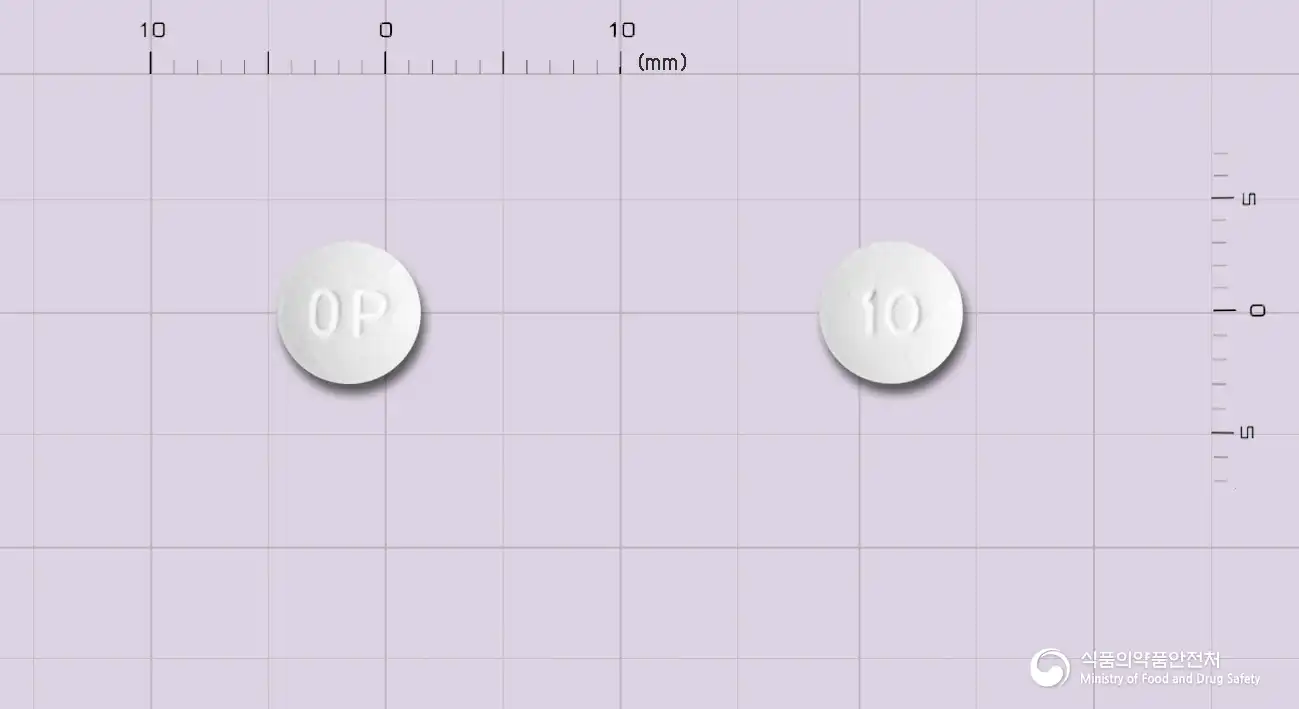
Oxycodone Hydrochloride 10mg
Tablet · Prescription medication
Hanmi Mundipharma Co., Ltd.
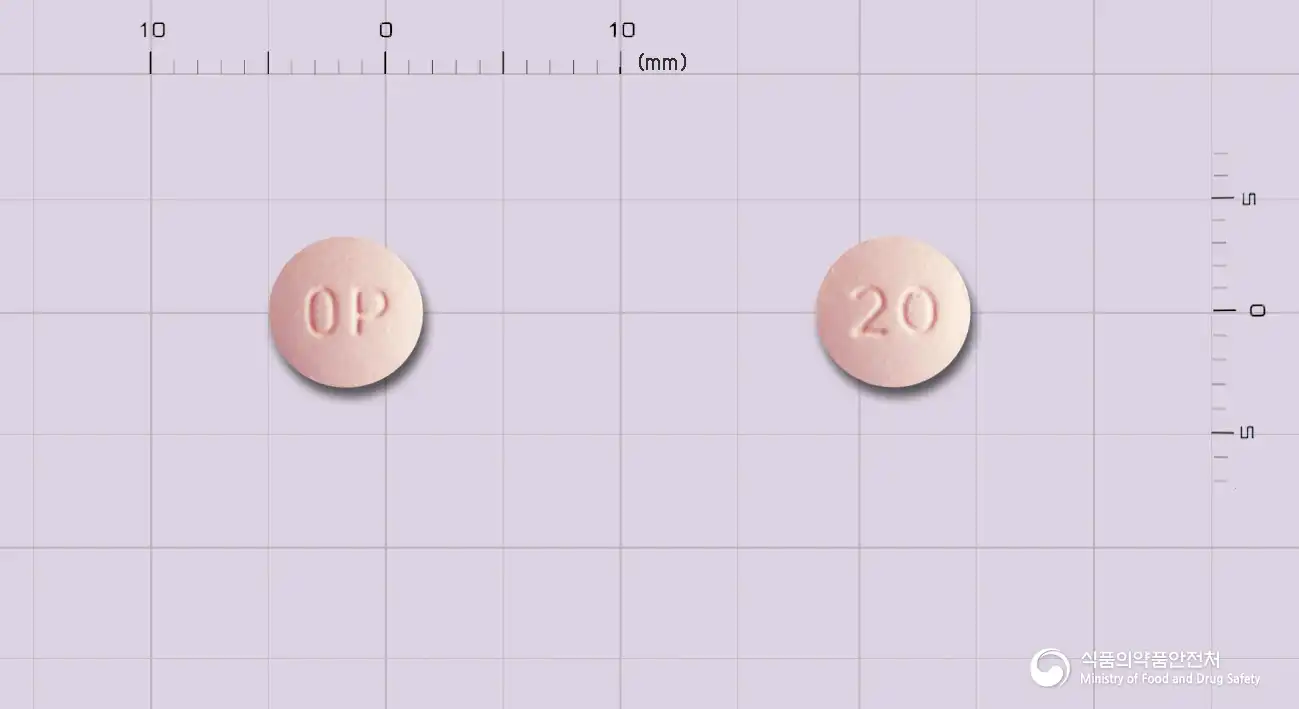
Oxycodone Hydrochloride 20mg
Tablet · Prescription medication
Korea Mundi Pharma Co., Ltd.
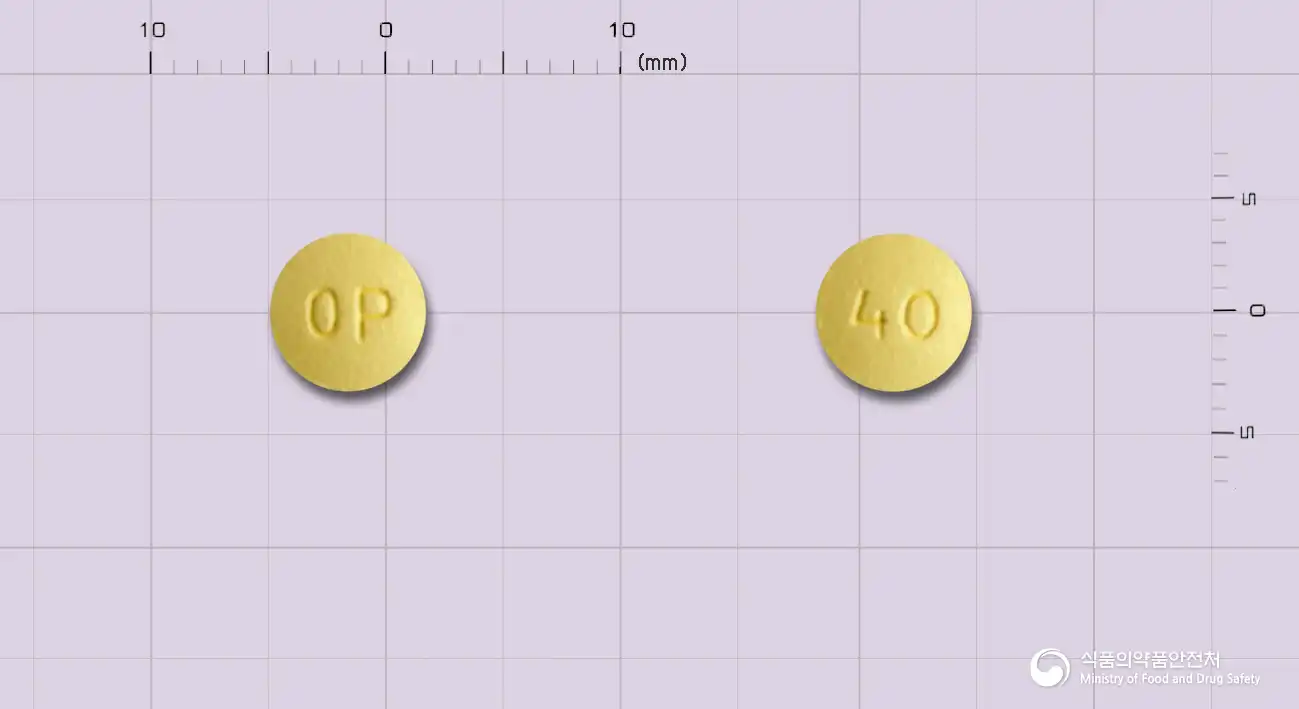
Oxycodone Hydrochloride 40mg
Tablet · Prescription medication
Korea Mundipharma Co., Ltd.
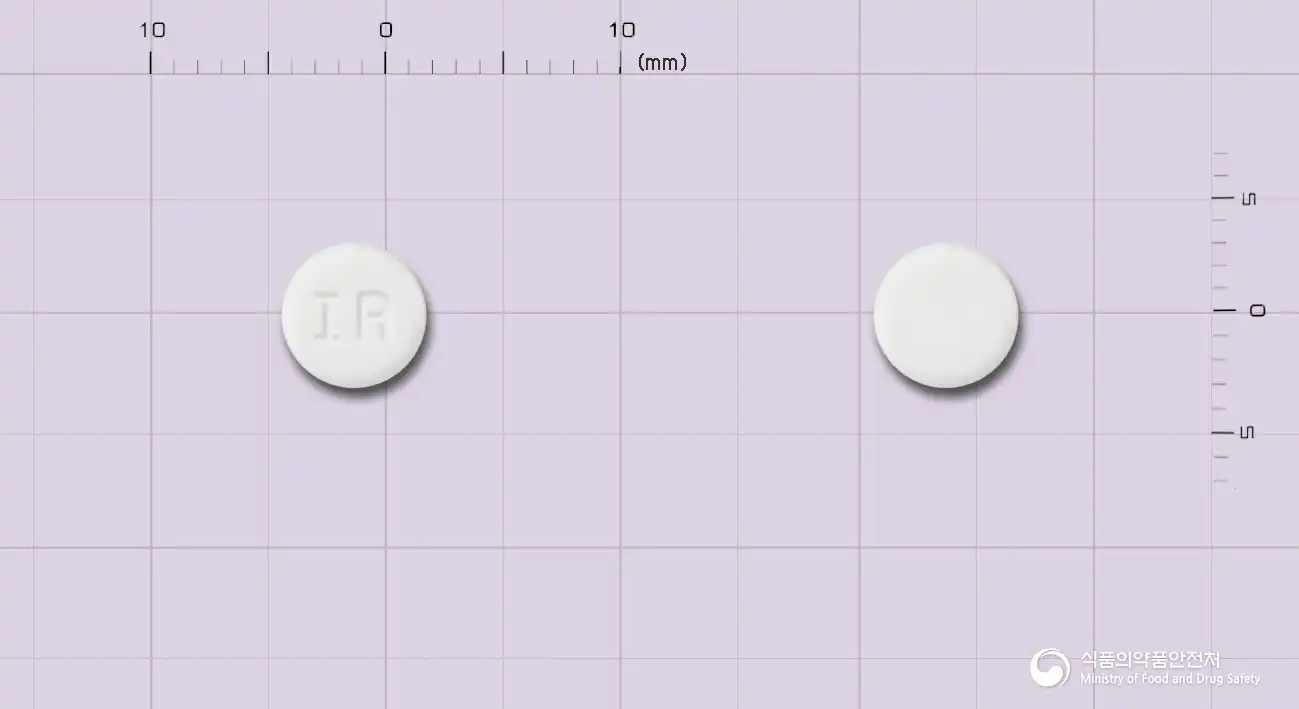
Oxycodone Hydrochloride 5mg
Tablet · Prescription medication
Unimed Pharmaceuticals Co., Ltd.
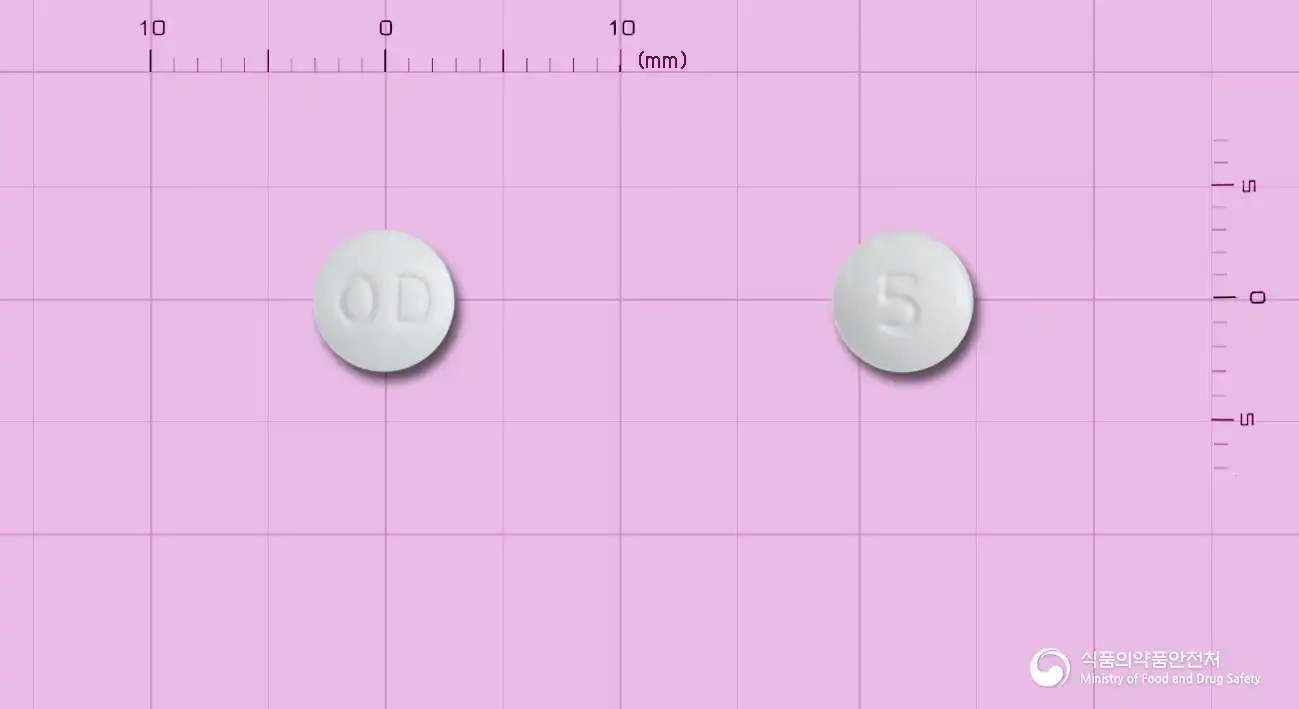
Oxycodone Hydrochloride 5mg
Tablet · Prescription medication
Hana Pharmaceutical Co., Ltd.
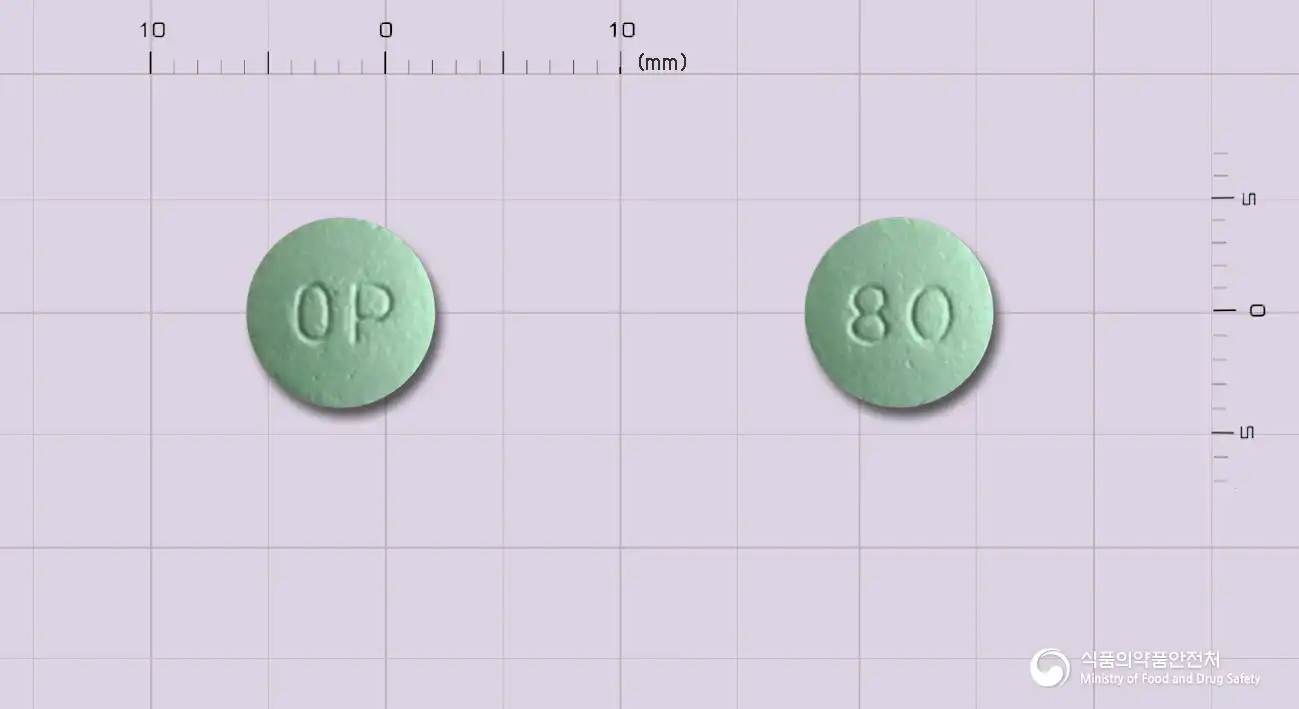
Oxycodone Hydrochloride 80mg
Tablet · Prescription medication
Korea Mundi Pharma Co., Ltd.
Oxycodone Hydrochloride 10mg
Solution · Prescription medication
Korea Mundipharma Co., Ltd.
Even with the same ingredient, the dose and directions can differ by strength and dosage form. Talk to a doctor or pharmacist before switching from a medication you are already taking.
No questions yet.
For anything that needs medical judgment, consult a doctor or pharmacist.
This drug information is based on data provided by the Korea Ministry of Food and Drug Safety.
Consult a doctor or pharmacist for accurate dosage, administration, and usage instructions.