
 한국어
 English
 日本語
 中文(简体)
 Viewing now
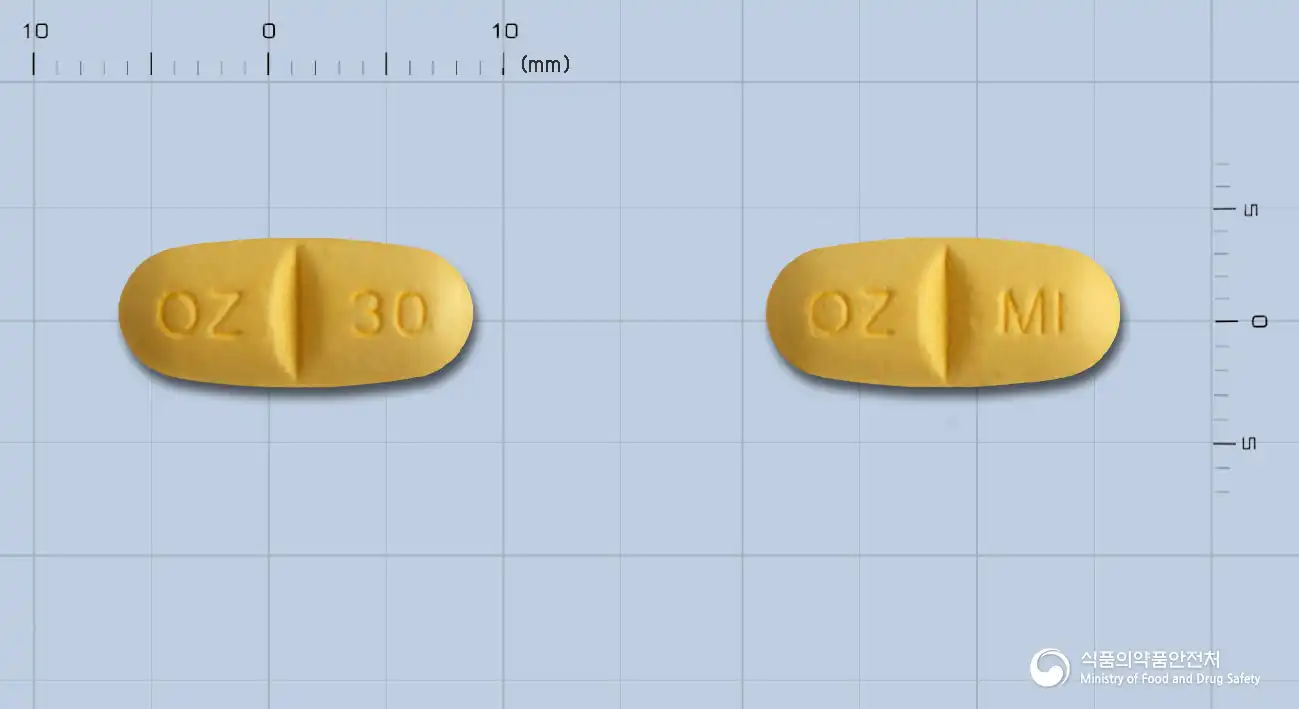
Oxycarbazepine Tablet 300 mg (Oxycarbazepine)
Oxcarbazepine 300mg
Tablet · Prescription medication
Myongin Pharmaceutical Co., Ltd.
MFDS item code 201309501 · Approved 2013.09.30 · Insurance code 651903880
Treatment of epilepsy
This medication is used to treat epilepsy, specifically partial seizures and generalized tonic-clonic seizures. Partial seizures begin in one part of the brain and can sometimes lead to generalized seizures; this medication effectively controls such seizures. It also helps relieve symptoms of generalized tonic-clonic seizures. Therefore, it contributes to reducing the frequency and intensity of seizures in patients with epilepsy. This medication can be used safely to aid in seizure control, improving the quality of daily life.
This medicine is suitable for either monotherapy or adjunctive therapy with other antiepileptic drugs. In either case, the clinically effective dose should be administered in 2 divided doses daily, and the dose may be adjusted according to clinical symptoms. During adjunctive therapy, the patient's total antiepileptic drug burden increases, so it may be necessary to reduce the dose of concomitant medicines or increase the dose of this medicine more gradually. This medicine may be taken with or without food. Monitoring plasma concentrations of oxcarbazepine or MHD is generally not recommended. However, plasma concentration monitoring during treatment may be considered to confirm adherence or when a change in MHD clearance is expected, as follows: · Changes in renal function (see dosage adjustment in patients with renal impairment) · Pregnancy (see section on pregnant and nursing women) · Enzyme-inducing drugs (see interactions section) In these cases, adjust the dose of this medicine to maintain an MHD plasma concentration below 35mg/L. (Based on plasma concentration measured 2~4 hours after taking this medicine) 1. Adults 1) Monotherapy For patients switching from another antiepileptic drug to monotherapy with this medicine, or patients not receiving antiepileptic drug treatment, the initial dose is 600 mg/day (8∼10 mg/kg) in 2 divided doses. For patients switching from another antiepileptic drug to monotherapy with this medicine, completely discontinue the concomitant antiepileptic drug over 3∼6 weeks while titrating this medicine to the maximum dose over approximately 2∼4 weeks. To achieve an adequate therapeutic effect, the dose may be increased from the initial dose at weekly intervals by no more than 600 mg/day; the maintenance dose is 600∼2,400 mg/day. One clinical study demonstrated efficacy at a dose of 1,200 mg/day in subjects who started treatment with this medicine as monotherapy. In a controlled clinical trial of monotherapy in patients previously treated with antiepileptic drugs, a dose of 1,200 mg/day was effective. A dose of 2,400 mg/day was effective in patients who were difficult to treat or who switched from another antiepileptic drug to monotherapy with this medicine. 2) Adjunctive therapy The initial dose of this medicine is 600 mg/day (8∼10 mg/kg) in 2 divided doses. To achieve an adequate therapeutic effect, the dose may be increased from the initial dose at weekly intervals by no more than 600 mg/day. The maintenance dose is 600∼2,400 mg/day. In controlled clinical trials of adjunctive therapy, doses of 600∼2,400 mg/day of this medicine were effective. However, because of adverse reactions primarily related to the central nervous system, most patients did not tolerate a dose of 2,400 mg/day without reducing the dose of the other concomitant antiepileptic drug. Doses greater than 2,400 mg/day have not been adequately evaluated. 3. Older patients (65 years or older) Adjust the therapeutic dose of this medicine individually. Pharmacokinetic studies have shown that MHD AUC values are approximately 30~60% higher in older patients than in younger adults. In addition, close monitoring of sodium levels is required in patients at risk of hyponatremia, and dose adjustment is recommended in older patients with renal impairment (creatinine clearance<30ml/min). 4. Patients with hepatic impairment No dose adjustment is necessary in patients with mild to moderate hepatic impairment. This medicine has not been studied in patients with severe hepatic impairment. Therefore, use caution when administering it to patients with severe hepatic impairment. 5. Patients with renal impairment In patients with renal impairment (creatinine clearance<30 mL/min), this medicine should be started at half the usual dose (300 mg/day) and increased at intervals of at least 1 week until the desired clinical response is achieved. These patients should be monitored carefully.
Experience with use of this medicine in children is limited, particularly in children 3 years of age or younger. Since it is difficult to administer tablets to children in 2∼3 divided doses according to an individual dose, use in young children is not recommended. It is preferable to avoid use in children 3 years of age or younger.
This medication is used as an antiepileptic drug for the treatment of epilepsy and other neurological disorders. There is a risk of mental health changes, including suicidal thoughts or behaviors and depression, during treatment, so patients and caregivers should immediately inform healthcare professionals if such symptoms appear. During treatment, sodium levels in the blood may decrease, necessitating regular monitoring of serum sodium concentrations, particularly in patients with poor kidney function or those at risk of sodium reduction. Patients with impaired kidney, liver, or heart function, as well as the elderly, should be used with caution due to a higher risk of adverse reactions. Caution is advised when using this medication if there is a history of allergic reactions to similar drugs, as cross-allergic reactions may occur. Serious skin conditions like Stevens-Johnson syndrome or toxic epidermal necrolysis may rarely occur, so if skin rashes or mucosal abnormalities appear, administration must be stopped immediately. As with all antiepileptic drugs, abrupt withdrawal of this medication may worsen seizures; therefore, the dosage should be gradually tapered. This medication should not be administered to patients with specific heart diseases or those taking MAO inhibitors, and it should be used cautiously in pregnant women or those who may become pregnant and nursing mothers. Common side effects such as drowsiness, dizziness, headaches, nausea, and vomiting may occur; caution is needed while driving or operating machinery. This medication may affect liver and kidney function, requiring regular monitoring, and may need to be discontinued if hepatitis or liver failure is suspected. Drug interactions can occur, so it's essential to inform healthcare providers of any other medications being taken, particularly as oral contraceptives may lose effectiveness, so non-hormonal contraceptive methods are recommended. In case of overdose, symptoms like vomiting, drowsiness, coma, cardiac and respiratory abnormalities may occur; immediate medical attention is required. This medication should be stored out of reach of children and should not be transferred to another container.
suicidal thoughts, suicidal behavior, depression, abnormal changes in mood and behavior, hyponatremia, nausea, lethargy, headache, drowsiness, confusion, apathy, increased frequency or severity of seizures, Stevens-Johnson syndrome, toxic epidermal necrolysis, drowsiness, headache, dizziness, diplopia, nausea, vomiting, fatigue, leukopenia, bone marrow suppression, aplastic anemia, agranulocytosis, pancytopenia, thrombocytopenia, neutropenia, anaphylactic reactions, rash, fever, eosinophilia, lymphadenopathy, splenomegaly, hepatitis, abnormal liver function tests, joint swelling, myalgia, arthralgia, hepatic encephalopathy, renal failure, interstitial nephritis, proteinuria, pulmonary edema, asthma, bronchospasm, interstitial lung disease, dyspnea, angioedema, hypothyroidism, convulsions, encephalopathy, cognitive decline, confusion, blurred vision, visual impairment, folate deficiency, restlessness, nervousness, emotional instability, neurosis, state of confusion, depression, amnesia, emotional blunting, ataxia, tremor, nystagmus, attention disorder, memory disorder, blurred vision, dizziness, tinnitus, heart block, arrhythmia, hypertension, diarrhea, abdominal pain, constipation, pancreatitis, increased lipase, hepatitis, rash, alopecia, acne, urticaria, angioedema, erythema multiforme, systemic lupus erythematosus, weakness, decreased T4, increased liver enzyme levels, increased amylase, clinically significant hyponatremia, syndrome of inappropriate antidiuretic hormone secretion, agitation, drowsiness, decreased appetite, increased serum uric acid, weakness, pain, anorexia, sensory disturbances, itching, polyuria, convulsions, polydipsia, facial flush, suicidal thoughts or suicidal behavior, depression, sleep disorders, weight gain, anaphylaxis, angioedema, rash, itching, urticaria, Stevens-Johnson syndrome, toxic epidermal necrolysis, erythema multiforme, multi-organ hypersensitivity, fever, lymphadenopathy, hepatitis, hematological abnormalities, itching, nephritis, decreased urination, hepatorenal syndrome, arthralgia, weakness, exacerbation of seizures, hypotension, dyspnea, somnolence, coma, loss of consciousness, movement disorders, aggression, restlessness, state of confusion, falls, decreased bone density, osteopenia, osteoporosis, fractures, diplopia, pupillary constriction, blurred vision, hyperactivity, decreased respiratory rate, QTc interval prolongation
Not everyone experiences these, and they can vary from person to person.
This medication may be sensitive to air or moisture, so it should be stored in a tightly sealed container. It is best to maintain a storage temperature between 1 to 30 degrees Celsius at room temperature.
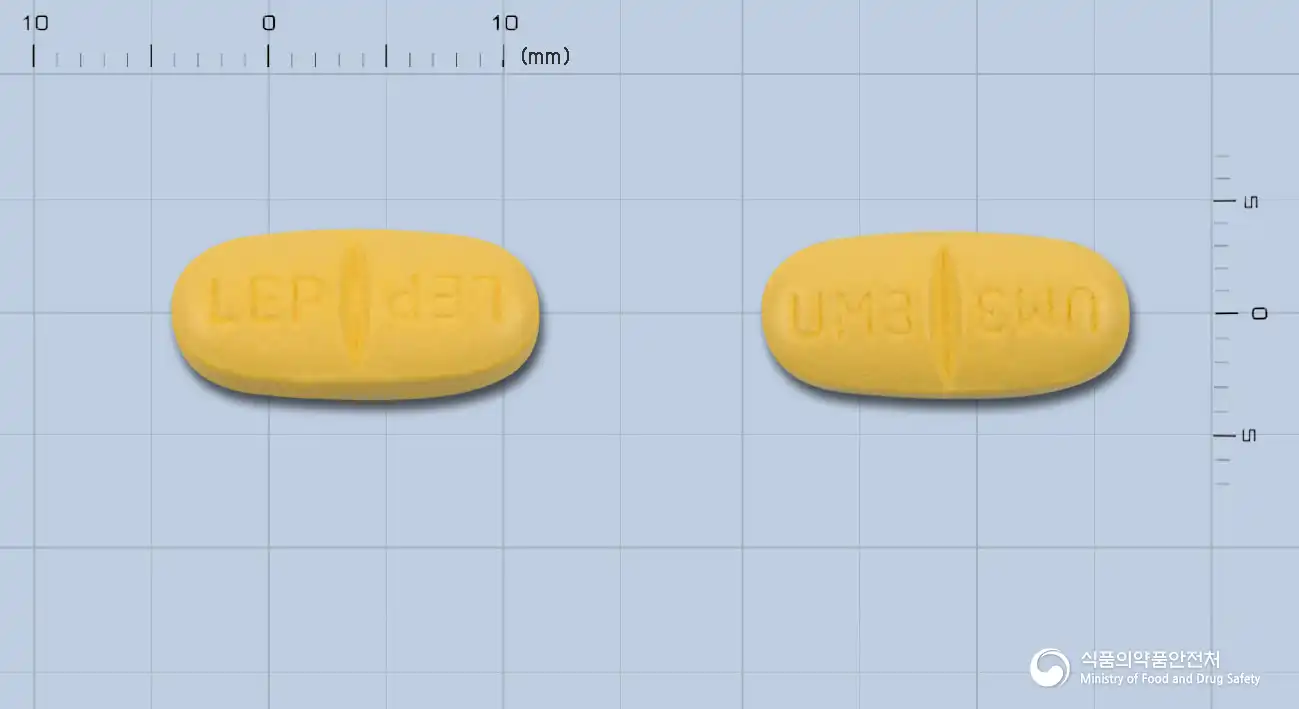
Yellow oval film-coated tablet
30 tablets/bottle, 200 tablets/bottle
Even with the same ingredient, strength, dosage form and how it is taken can differ.
Viewing nowOxcarbazepine 300mg
Tablet · Prescription medication
Myongin Pharmaceutical Co., Ltd.
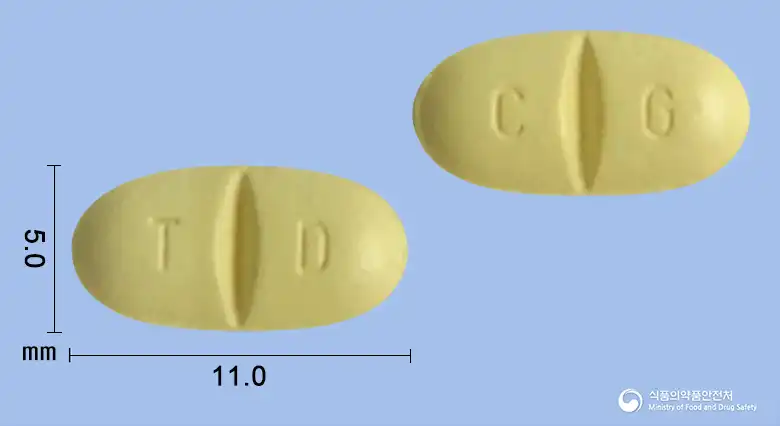
Oxcarbazepine 150mg
Tablet · Prescription medication
Novartis Korea Co., Ltd.
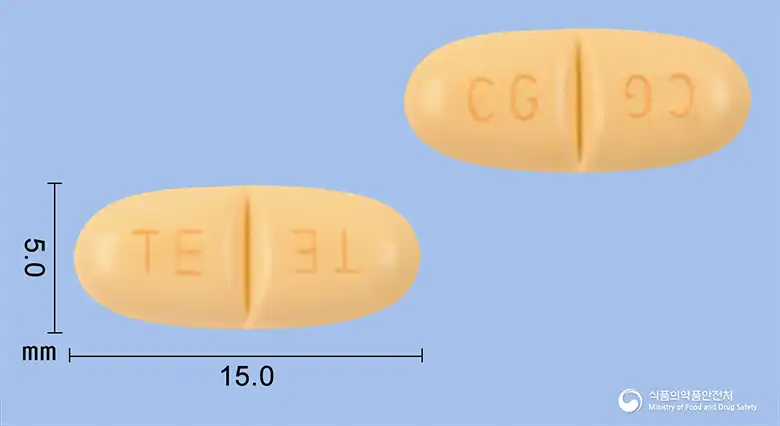
Oxcarbazepine 300mg
Tablet · Prescription medication
Korea Novartis Co., Ltd.
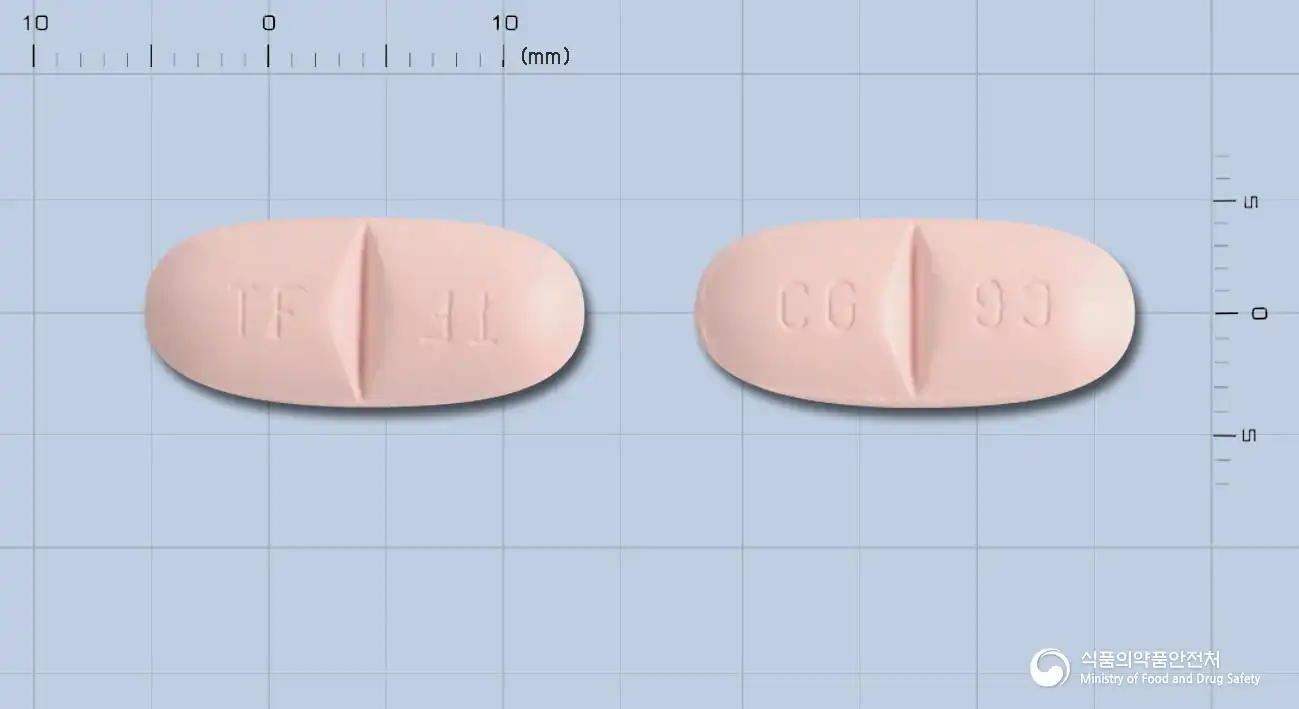
Oxcarbazepine 600mg
Tablet · Prescription medication
Korea Novartis Co., Ltd.
Oxcarbazepine 300mg
Tablet · Prescription medication
Unimeds Pharmaceuticals Co., Ltd.
Oxcarbazepine 6g
Suspension · Prescription medication
Korea Novartis Co., Ltd.
Oxcarbazepine
Prescription medication
Daewoong Pharmaceutical Co., Ltd.
Oxcarbazepine
Prescription medication
Daewoong Pharmaceutical Co., Ltd.
Even with the same ingredient, the dose and directions can differ by strength and dosage form. Talk to a doctor or pharmacist before switching from a medication you are already taking.
No questions yet.
For anything that needs medical judgment, consult a doctor or pharmacist.
This drug information is based on data provided by the Korea Ministry of Food and Drug Safety.
Consult a doctor or pharmacist for accurate dosage, administration, and usage instructions.