
 한국어
 English
 日本語
 中文(简体)
 Viewing now
Epileptam 1000mg (Levetiracetam)
Levetiracetam 1000mg
Tablet · Prescription medication
Samjin Pharmaceutical Co., Ltd.
MFDS item code 201309363 · Approved 2013.09.16 · Insurance code 647803850
Epilepsy treatment as monotherapy (partial seizures) and adjunctive therapy (e.g., myoclonic seizures)
This medication is used to treat partial seizures with or without secondary generalized seizures in patients aged 4 and older who are newly diagnosed with epilepsy as monotherapy. It is also indicated as adjunctive therapy for patients who do not achieve adequate control with existing first-line antiepileptic drugs, and in this case, it is used for the treatment of partial seizures with or without secondary generalized seizures. It is particularly effective for treatment of myoclonic and generalized tonic-clonic seizures associated with juvenile myoclonic epilepsy and idiopathic generalized epilepsy in children and adolescents aged 12 years and older. For patients who cannot take the medication orally, it can be administered as an injectable form to maintain continuity of treatment. This medication is used to improve various forms of epileptic seizures.
Adults and adolescents weighing 50kg or more (12~17 years): Start with 500mg twice daily and may increase by 1000mg/day every 2 to 4 weeks. The maximum recommended dose is 3000mg/day. As adjunctive therapy for primary generalized tonic-clonic seizures, start with 500mg twice daily and increase by 1000mg/day every 2 weeks, up to a maximum of 3000mg/day. For patients with renal impairment, adjust the dose according to renal function. Administer twice daily according to creatinine clearance, adjusting the dose within the range of 250mg to 1500mg. Patients with end-stage renal disease receiving dialysis should be treated once daily. When switching between oral and intravenous routes of administration, maintain the same total daily dose and dosing frequency without dose adjustment.
Children aged 4 years or older and adolescents weighing less than 50kg: The initial dose is 10mg/kg per dose twice daily. The dose may be increased or decreased by 20mg/kg/day every 2 weeks. The maximum recommended dose is 3000mg/day. Children weighing 20kg or less should begin treatment with the 100mg/ml oral solution. Children weighing 20~40kg should start with 250mg per dose twice daily, increasing by 500mg/day every 2 weeks, up to a maximum of 1500mg/day. Children weighing more than 40kg should start with 500mg per dose twice daily, increasing by 1000mg/day every 2 weeks, up to a maximum of 3000mg/day. As adjunctive therapy for myoclonic seizures in children aged 12 years or older, start with 500mg per dose twice daily and increase by 1000mg/day every 2 weeks, up to a maximum of 3000mg/day. As adjunctive therapy for primary generalized tonic-clonic seizures, adolescents aged 12~17 years weighing less than 50kg should start with 10mg/kg per dose twice daily, increasing by 20mg/kg/day every 2 weeks, up to a maximum of 60mg/kg/day. Children with renal impairment and adolescents weighing less than 50kg should be treated twice daily according to creatinine clearance, adjusting the dose within the range of 5mg/kg to 30mg/kg. Use is not recommended in infants younger than 1 month. Tablets are not indicated for children 4 years of age or younger; infants aged 1 month or older should receive the oral solution. The injection is not recommended for children younger than 16 years.
This medication may increase the risk of suicidal thoughts or behavior, so mood changes or symptoms of depression should be monitored closely during treatment. This medication may affect the central nervous system, leading to symptoms such as drowsiness, fatigue, coordination problems, and behavioral changes; therefore, it is especially important to be cautious during the initial treatment period. Abrupt discontinuation can worsen seizures, so the dosage should be gradually reduced under a doctor's guidance. Patients should not take this medication if they have an allergy to the drug or its components. If suicidal thoughts or depressive symptoms occur, patients should inform their doctor immediately, and dosage adjustment may be necessary for patients with impaired kidney function. Blood tests should be conducted to monitor white blood cell counts and other parameters, and psychiatric symptoms such as abnormal behavior or aggression may occur, warranting careful observation. Seizures may worsen during the initial treatment period or dose increases, so if any abnormal signs appear, patients should consult medical personnel immediately. Patients with heart-related diseases or a prolonged QT interval on an electrocardiogram should be cautious when taking this medication. Common adverse reactions may include drowsiness, headache, dizziness, depression, aggression, loss of appetite, nausea, rash, etc. Use of this medication during pregnancy may affect the fetus, so it should only be used after consulting with medical personnel; if breastfeeding, one must decide whether to discontinue nursing as the drug may pass through breast milk. Children or elderly patients may require dosage adjustment based on kidney function, and caution is needed as they may experience symptoms such as drowsiness when driving or operating machinery. Drug interactions are relatively low, but caution should be exercised when taken with methotrexate as it may cause fluctuations in blood concentration levels. In cases of overdose, removing the medication through vomiting or gastric lavage, and blood dialysis if necessary, may be helpful. Keep this medication out of reach of children, and do not transfer to another container for safety.
Not everyone experiences these, and they can vary from person to person.
Store this medication in a tightly closed container to protect it from air and moisture. It is advisable to maintain a storage temperature between 1 to 30 degrees Celsius. Proper storage will help maintain the medication's efficacy.
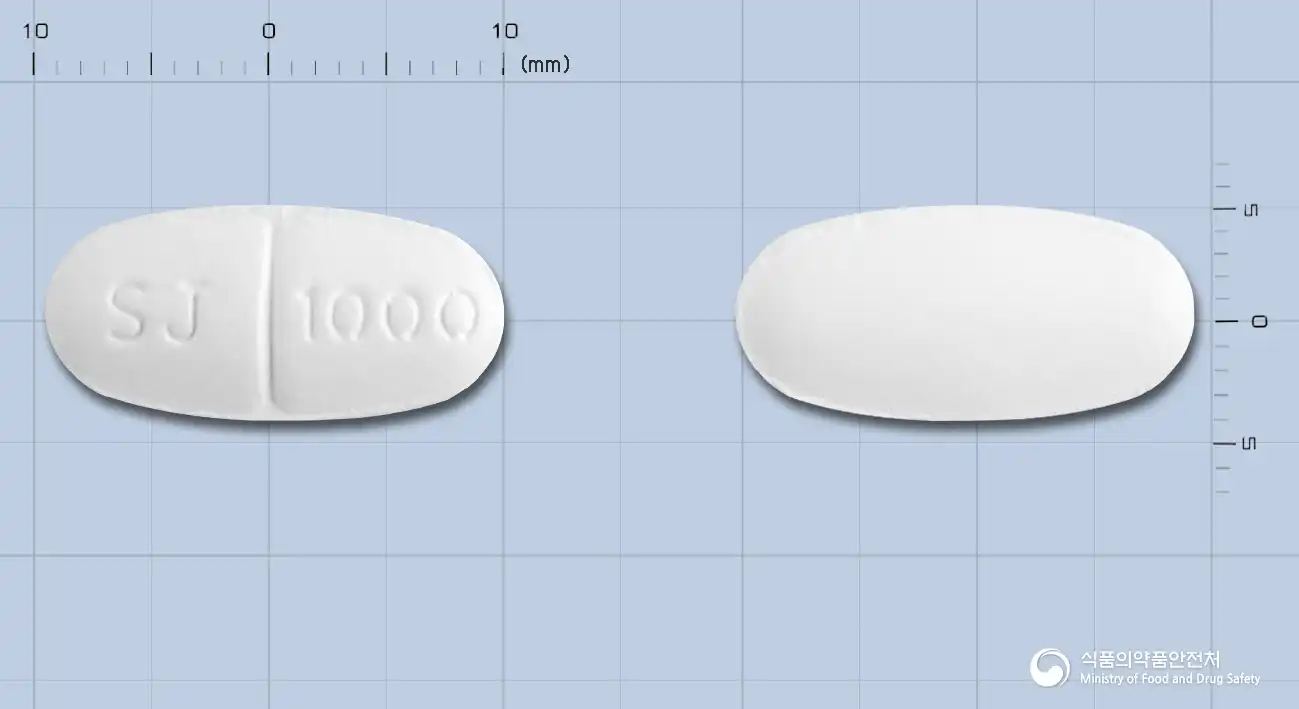
Oval white film-coated tablet
30 tablets/bottle
Even with the same ingredient, strength, dosage form and how it is taken can differ.
Viewing nowLevetiracetam 1000mg
Tablet · Prescription medication
Samjin Pharmaceutical Co., Ltd.
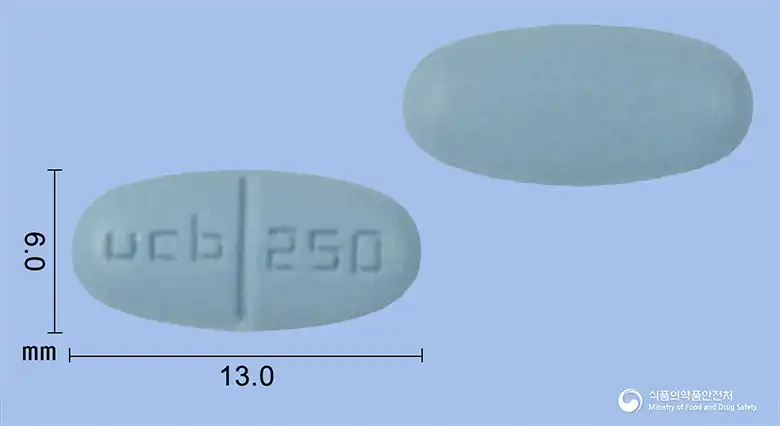
Levetiracetam 250mg
Tablet · Prescription medication
UCB Korea Co., Ltd.
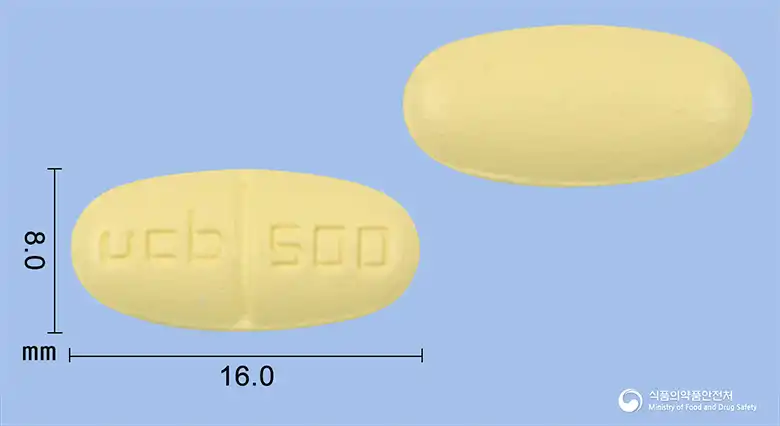
Levetiracetam 500mg
Tablet · Prescription medication
UCB Korea Co., Ltd.
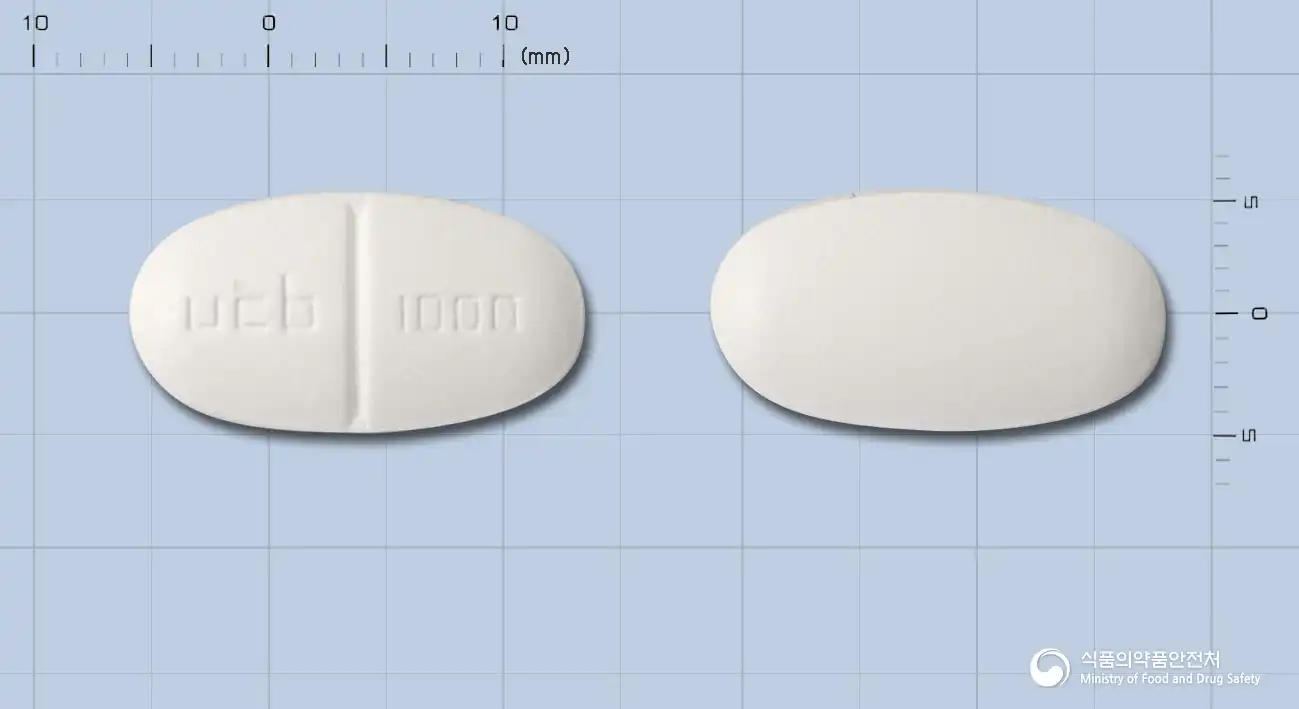
Levetiracetam 1000mg
Tablet · Prescription medication
UCB Korea Co., Ltd.
Levetiracetam 10g
Solution · Prescription medication
UCB Korea Co., Ltd.
Levetiracetam 500mg
Injections · Prescription medication
UCB Pharma Co., Ltd.
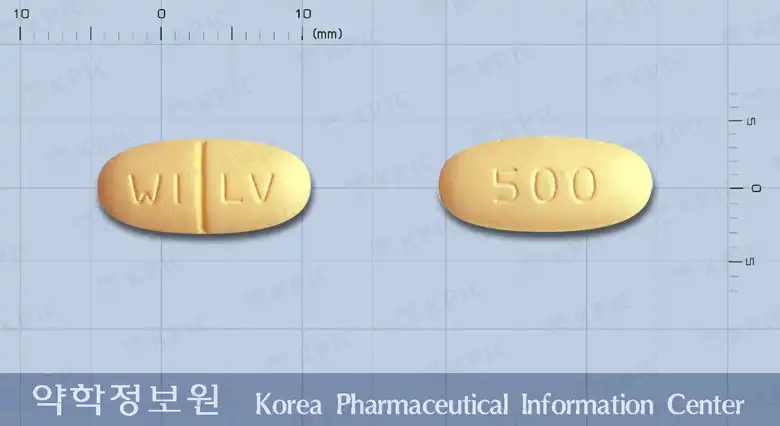
Levetiracetam 500mg
Tablet · Prescription medication
Hanmi Pharmaceutical Co., Ltd.
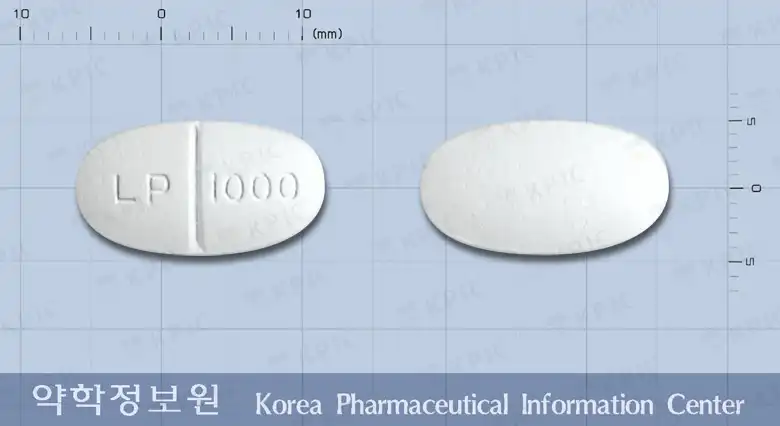
Levetiracetam 1000mg
Tablet · Prescription medication
Hanlim Pharmaceutical Co., Ltd.
Even with the same ingredient, the dose and directions can differ by strength and dosage form. Talk to a doctor or pharmacist before switching from a medication you are already taking.
No questions yet.
For anything that needs medical judgment, consult a doctor or pharmacist.
This drug information is based on data provided by the Korea Ministry of Food and Drug Safety.
Consult a doctor or pharmacist for accurate dosage, administration, and usage instructions.