
 한국어
한국어 English
 日本語
日本語 中文(简体)
 Viewing now
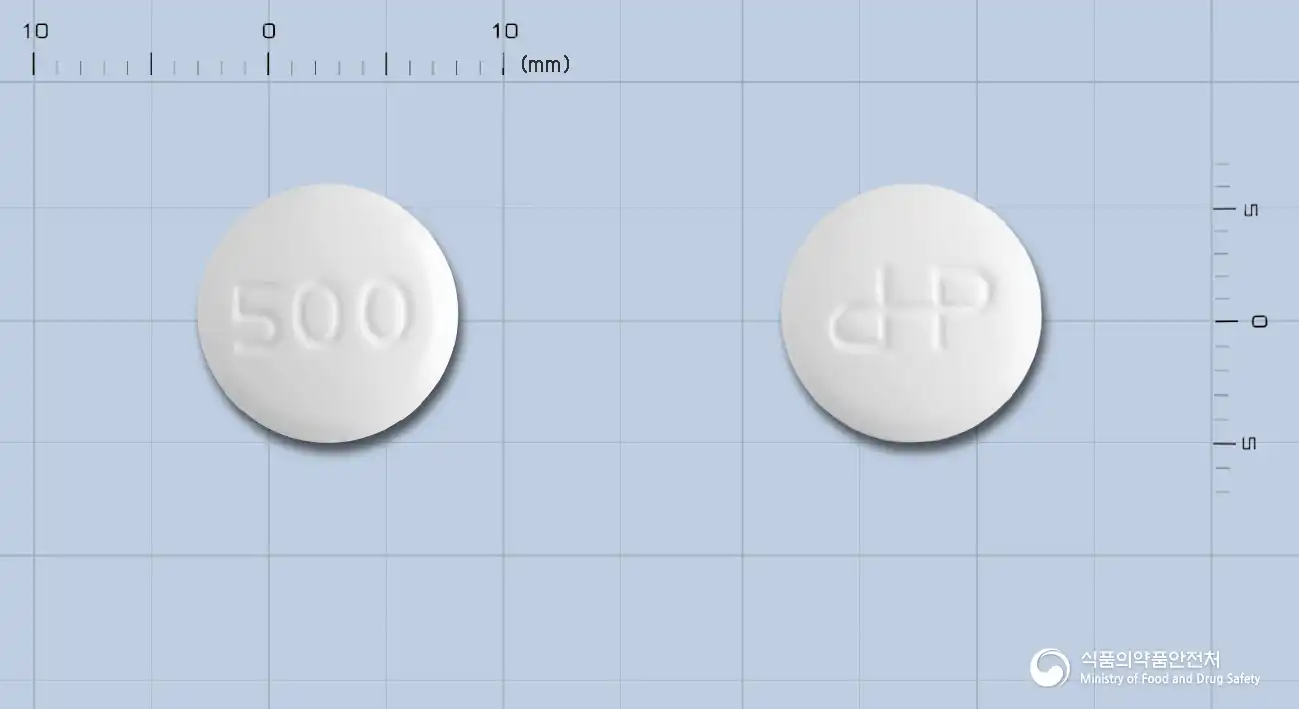
Metrenin Tablet (Metformin Hydrochloride)
Metformin Hydrochloride 500mg
Tablet · Prescription medication
Daehwa Pharmaceutical Co., Ltd.
MFDS item code 201308878 · Approved 2013.08.14 · Insurance code 645604320
Improves type 2 diabetes (blood sugar control)
This medication is used for the treatment of type 2 diabetes in patients whose blood sugar control is insufficient with dietary measures and exercise. It is particularly effective for overweight diabetes patients. In adults, this drug can be used alone or in combination with other oral hypoglycemics or insulin. It can also be used in children over 10 years old and in adolescents during growth as a monotherapy or in combination with insulin. This drug is used to improve blood sugar control and assist in diabetes management.
The dosage should be determined based on individual drug effectiveness and tolerance, and it should not exceed the recommended maximum daily dose. This medication should start at a low dose to reduce gastrointestinal side effects and to determine the minimum effective dose needed for proper blood sugar control, administered 500mg 2-3 times a day with meals. Dosage can be gradually increased by 500mg weekly, and if taking 2000mg, it is typically administered twice daily in the morning and evening. Doses exceeding 2000mg should be divided into three doses taken with meals, with a maximum daily dose of 2550mg. Blood glucose should be measured in the fasting state to assess treatment response and to verify the minimum effective dose when starting therapy and making dosage adjustments. The HbA1c concentration should be measured approximately every three months. The treatment goal of this medication is to reduce fasting blood sugar and HbA1c levels to normal or near normal levels when used alone or in combination with sulfonylureas or insulin, at the minimum effective dose. In general, if a patient's blood sugar controlled only with diet becomes temporarily uncontrollable, short-term use of this medication can also achieve sufficient efficacy. Pediatric and adolescent patients can use this medication starting from over 10 years old. The typical starting dose for these patients is 500 milligrams once daily, taken during or after meals. Blood sugar levels should be measured one week later to adjust the dosage. Gastrointestinal side effects may improve with gradual dosage increases. The maximum daily dose is 2000mg and should be divided into 2~3 doses.
The typical starting dose for children over 10 years old or adolescents is 500 milligrams once daily, taken during or after meals. Blood sugar levels should be measured one week later to adjust the dosage.
This medication can cause severe lactic acidosis or hypoglycemia, and should not be administered, especially to patients with moderate to severe renal impairment or acute illnesses. This medication should not be used in patients with acute and unstable heart failure, acute myocardial infarction, severe infections, dehydration, or those who have had hypersensitivity reactions to this drug or similar drugs. This medication should be discontinued for a certain period before and after tests utilizing iodine contrast agents and can only be resumed after renal function has returned to normal. Pregnant women, or those with placental dysfunction, preeclampsia, or risk of intrauterine growth restriction should avoid using this drug, and if its use is unavoidable, the fetal condition should be closely monitored. This drug is excreted through the kidneys, so regular monitoring of renal function is necessary, and dosage adjustment or discontinuation is required if abnormalities are observed. During treatment, attention should be paid to irregular meals, excessive exercise, and interactions with other medications, especially limiting alcohol consumption. Lactic acidosis is a rare but very serious side effect. Symptoms such as malaise, muscle pain, dyspnea, and abdominal pain should be reported to a physician immediately. Gastrointestinal side effects such as diarrhea, nausea, and vomiting may occur but are usually temporary; dosage adjustment may be necessary if symptoms are severe. This medication can cause vitamin B12 deficiency, so it is important to regularly check vitamin B12 levels during treatment. Elderly patients or those with impaired renal function should be particularly cautious, starting with the minimum dose and regularly monitoring renal function. In case of overdose, the drug can be removed through hemodialysis, so if overdose is suspected, the patient should visit a medical institution immediately. Lastly, while taking this medication, blood sugar control status, renal function, and hematological values should be checked regularly, and any abnormal symptoms should be consulted with medical staff immediately.
Lactic acidosis, dehydration, heart failure, acute myocardial infarction, sepsis, severe allergic reactions (including rash), liver abnormalities (liver function abnormalities, potential jaundice), severe edema, increase in blood pressure, symptoms related to hypoxemia, serious neurological symptoms (headache, seizures, confusion), hematological abnormalities (anemia, etc.), dyspnea, asthma attacks, acute renal failure.
Gastrointestinal symptoms (diarrhea, nausea, vomiting, abdominal distension, anorexia, dyspepsia, constipation, abdominal pain), metallic taste, rash, anemia, leukopenia, thrombocytopenia, vitamin B12 deficiency, liver function abnormalities, hypoglycemia (rarely severe delayed hypoglycemia), non-specific gastrointestinal symptoms.
Not everyone experiences these, and they can vary from person to person.
This medication should be stored in a tightly sealed container to prevent exposure to air or moisture. It is also advised to avoid extreme temperatures, keeping the medication at a normal room temperature between 1 to 30 degrees Celsius.
White round film-coated tablets
30 tablets/bottle, 300 tablets/bottle
Even with the same ingredient, strength, dosage form and how it is taken can differ.
Viewing nowMetformin Hydrochloride 500mg
Tablet · Prescription medication
Daehwa Pharmaceutical Co., Ltd.
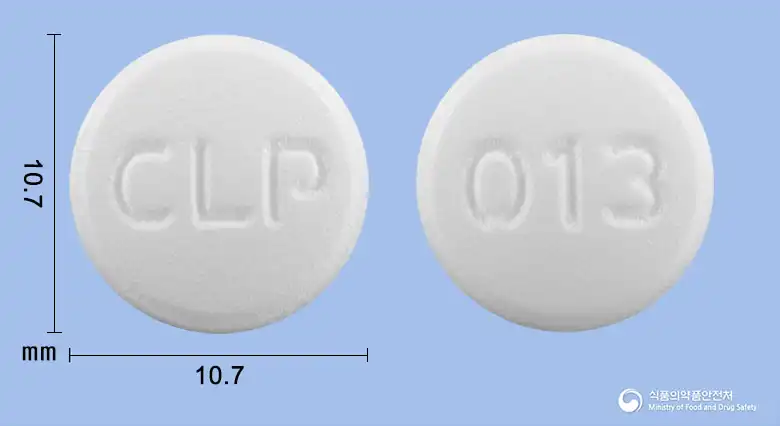
Metformin Hydrochloride 500mg
Tablet · Prescription medication
(Celltrion Pharmaceuticals)
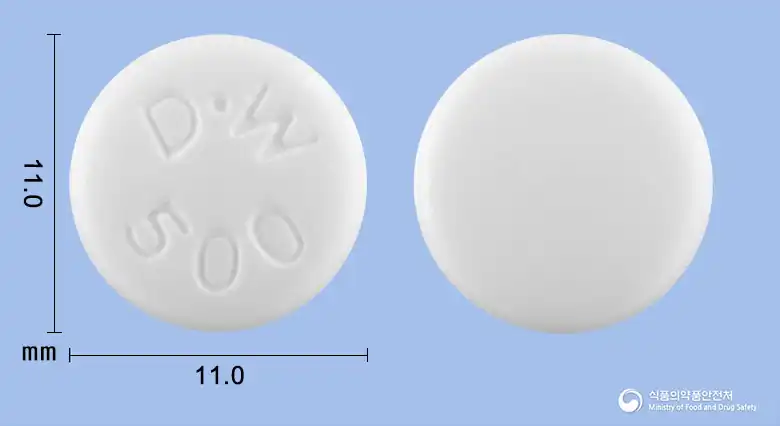
Metformin Hydrochloride 500mg
Tablet · Prescription medication
(Daewoong Pharmaceutical)
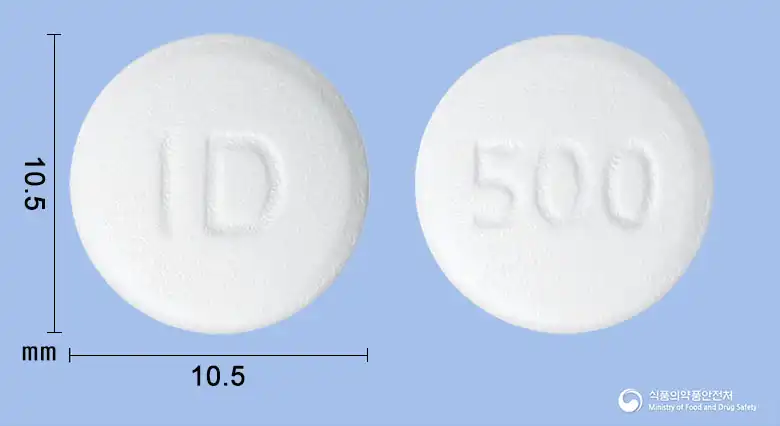
Metformin Hydrochloride 500mg
Tablet · Prescription medication
(Ildong Pharmaceutical Co., Ltd.)
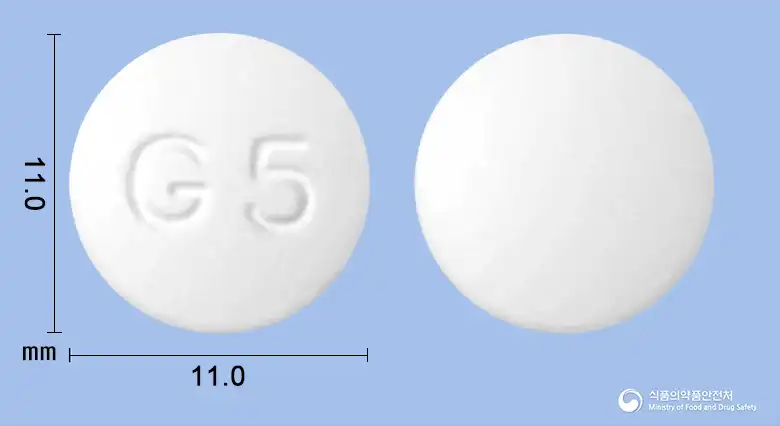
Metformin Hydrochloride 500mg
Tablet · Prescription medication
(Ilseong IS Co., Ltd.)
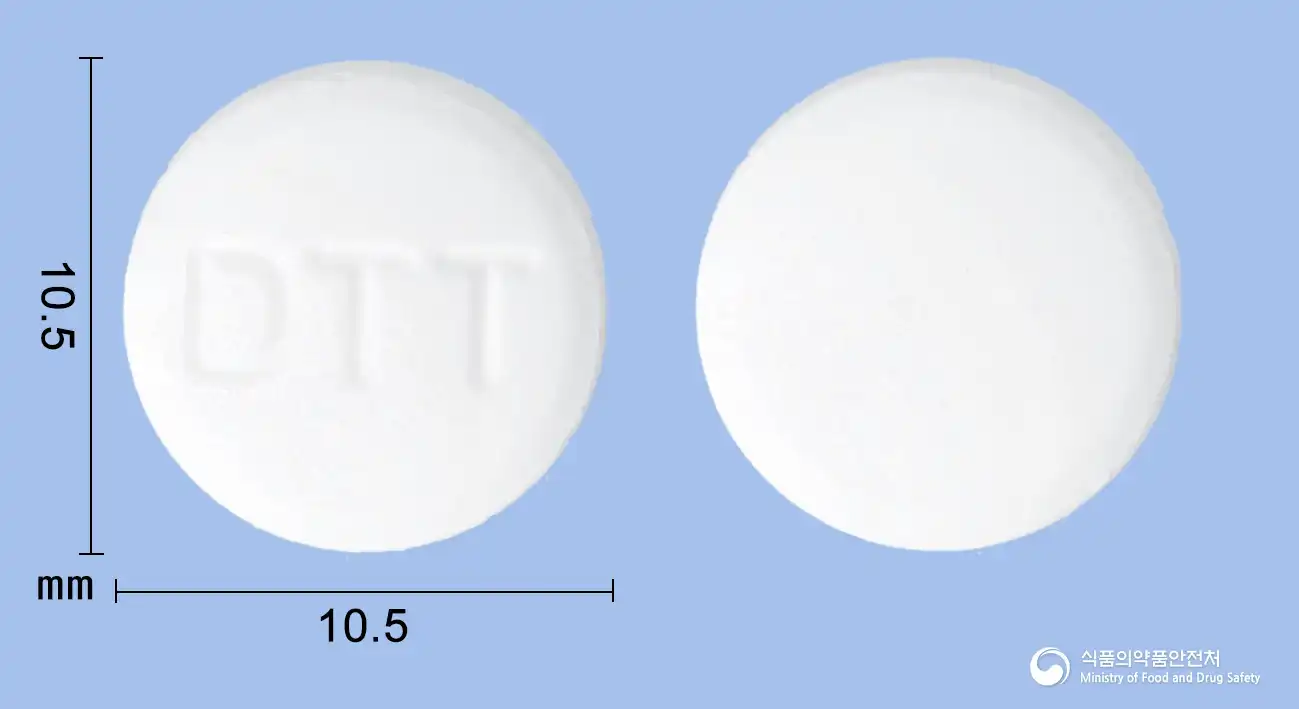
Metformin Hydrochloride 500mg
Tablet · Prescription medication
(Kyungdong Pharmaceutical Co., Ltd.)
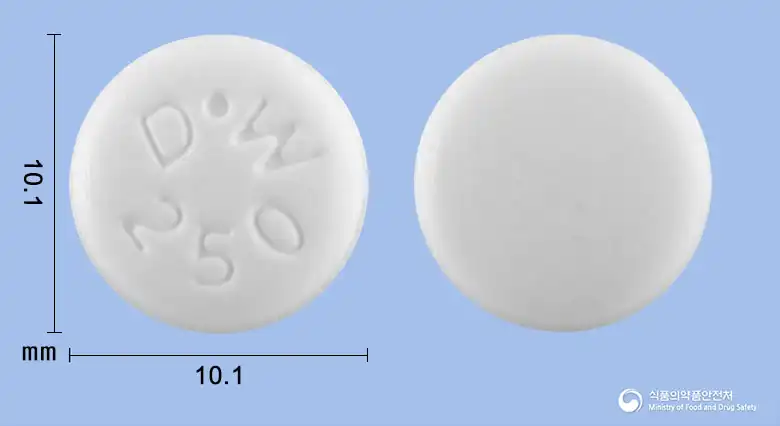
Metformin Hydrochloride 250mg
Tablet · Prescription medication
(Daewoong Pharmaceutical)

Metformin Hydrochloride 500mg
Tablet · Prescription medication
(Youngpoong Pharmaceutical Co., Ltd.)
Even with the same ingredient, the dose and directions can differ by strength and dosage form. Talk to a doctor or pharmacist before switching from a medication you are already taking.
No questions yet.
For anything that needs medical judgment, consult a doctor or pharmacist.
This drug information is based on data provided by the Korea Ministry of Food and Drug Safety.
Consult a doctor or pharmacist for accurate dosage, administration, and usage instructions.