
 한국어
 English
 日本語
 中文(简体)
 Viewing now
PentoRabak Cal Tablet 100 Micrograms (Fentanyl Citrate)
Fentanyl Citrate 0.157mg
Prescription medication
Han Dok Teva Co., Ltd.
MFDS item code 201307940 · Approved 2013.06.28 · Insurance code 626900390
Relief of breakthrough pain in opioid-tolerant patients with cancer
Cancer patients are currently managing pain with continuous opioid therapy but have tolerance for breakthrough pain that occurs suddenly. This breakthrough pain is an acute pain caused by cancer, which may be difficult to control with standard analgesics. The medication used helps rapidly relieve this breakthrough pain and improve the patient's quality of life. The appropriate medication for treating breakthrough pain provides effective pain relief alongside existing pain management. This medication is primarily used in response to sudden pain attacks. Therefore, this medication is used for breakthrough pain relief.
1. Initial dose This drug is not bioequivalent to other products containing fentanyl. Do not switch from another fentanyl-containing product on a microgram-for-microgram basis. No conversion guidelines are available for switching from Actiq buccal tablets to any other fentanyl-containing product (including oral, transdermal, and parenteral formulations of fentanyl). All patients must be titrated starting at 100 mcg. 1) Patients who were using Actiq buccal tablets The initial dose of this drug is always 100 mcg, except for patients already using Actiq buccal tablets. ① For patients switching from Actiq buccal tablets to this drug, prescribe according to the recommended initial doses for patients receiving Actiq tablets in Table 1 below. The doses of this drug in Table 1 are starting doses and do not represent equianalgesic doses of Actiq tablets. Instruct patients to discontinue use of Actiq buccal tablets and discard any remaining product. Table 1. Recommended initial dose in patients receiving Actiq buccal tablets Current dose of Actiq buccal tablets (mcg) | Initial dose of this drug* 200 | 100 mcg 400 | 100 mcg 600 | 200 mcg 800 | 200 mcg 1200 | 2X200 mcg 1600 | 2X200 mcg *Start with the initial dose and titrate to an effective dose. ② Patients switching from Actiq buccal tablets at doses of 600 mcg or higher should start with 200 mcg of this drug and proceed using multiples of this tablet strength. 2) Other patients The initial dose of this drug is 100 mcg. 3) Repeat dosing for a single pain episode ① If breakthrough pain does not resolve after 30 minutes, the patient may take one additional dose of the same strength for that pain episode. Therefore, patients may take a maximum of 2 doses of this drug for a single episode of breakthrough pain. ② Patients must wait at least 4 hours before treating another episode of breakthrough pain with this drug. 2. Dose titration ① The physician should monitor patients closely from the initial dose and adjust the dose until an appropriate analgesic effect is achieved with tolerable adverse reactions. To determine whether dose adjustment is appropriate, patients should record their experience using this drug during several episodes of cancer breakthrough pain and discuss it with their physician. ② For patients whose initial dose is 100 mcg and who require an increase, instruct them to use two 100 mcg tablets (one 100 mcg tablet placed against each buccal mucosa) for the next episode of cancer breakthrough pain. If this dose is not successful, the patient may be instructed to place two 100 mcg tablets against each buccal mucosa (a total of four 100 mcg tablets). For doses of 400 mcg or higher, titrate using multiples of the 200 mcg tablet. However, do not use more than 4 tablets at one time. ③ If breakthrough pain does not resolve after 30 minutes, one additional dose of the same strength may be taken for that pain episode. Therefore, patients may take a maximum of 2 doses of this drug for an episode of breakthrough pain. During titration, a single dose of this drug may consist of 1-4 tablets of the same strength (100 mcg or 200 mcg). ④ Patients must wait at least 4 hours before treating another episode of breakthrough pain with this drug. During titration, to prevent overdose, only one tablet strength should be used at a time. ⑤ Ensure that patients use all tablets previously prescribed before receiving a prescription for the next strength. If they are unable to do so, unused medication must be disposed of safely (see Precautions for Storage and Handling). Any prescribed, unopened medication remaining should be discarded as soon as it is no longer needed. 3. Maintenance dose ① Once an effective dose has been established by titration, patients must use only 1 tablet of this drug at the appropriate strength for breakthrough pain. ② If breakthrough pain does not resolve within 30 minutes, patients may take one additional dose of the same strength. ③ Patients must wait at least 4 hours before treating another episode of breakthrough pain with this drug. ④ Some patients may require dose adjustment. In general, the dose should be adjusted only if the dose being used fails to control several consecutive episodes of breakthrough pain. ⑤ If a patient experiences breakthrough pain more than 4 times a day, the dose of the around-the-clock opioid used for persistent pain should be reassessed. ⑥ If pain is not adequately controlled, the possibility of hyperalgesia, tolerance, and progression of the underlying disease should be considered. [Directions for Use] 1. Opening the blister package ① Do not open the blister package until you are ready to administer the medication. ② Bend and cut along the perforation to separate one blister unit from the blister card. ③ Bend the separated blister along the marked line. ④ Peel off the back of the blister to expose the tablet. Do not press the blister to remove the tablet, as this may damage it. ⑤ Once removed from the blister, the tablet must not be stored, as its original properties may be compromised and the risk of exposure to this product may increase. 2. Administration Once the tablet has been removed from the blister, immediately place this drug in the mouth (above the rearmost molar, between the upper cheek and gum). Do not break the tablet. Do not suck, chew, or swallow this drug, as this may result in lower blood concentrations than when taken as directed. This drug must be held between the cheek and gum for approximately 14~25 minutes, until it disintegrates. If any of this drug remains in the mouth after 30 minutes, it may be swallowed with a glass of water. For the next dose, it is recommended that this drug be placed on the opposite side of the mouth. As an alternative method of administration, this drug may be administered sublingually (under the tongue).
This medication is an opioid used to manage breakthrough pain in cancer patients and should only be used in patients who are already tolerant to opioids. Care should be taken as administering this medication to patients who are not tolerant to opioids can result in severe respiratory depression. This medication must be used under the management of an experienced professional in cancer pain treatment. It may be very dangerous for children, so it should be kept in a safe place out of reach of children. Taking this medication with central nervous system depressants or alcohol can cause severe sedation, respiratory depression, and coma, so combined use should be avoided or done with extreme caution. It is particularly advised not to administer this medication to patients who have recently taken MAO inhibitors. Due to significant differences in efficacy and absorption compared to other fentanyl formulations, doses should not be directly compared or substituted. This medication has a high potential for abuse, so the risks of misuse or illegal conversion should always be considered. It should not be used in patients with hypersensitivity to opioids or those without tolerance, or in patients with acute pain. It should be administered cautiously to patients with respiratory depression, chronic pulmonary disease, head injury, heart disease, or renal and liver dysfunction. During the course of treatment with this medication, side effects such as nausea, vomiting, fatigue, dizziness, drowsiness, headache, constipation, diarrhea, abdominal pain, asthenia, weight loss, dehydration, anorexia, hypokalemia, back pain, joint pain, cancer pain, confusion, depression, insomnia, cough, apnea, thrombocytopenia, leukopenia, tachycardia, stomatitis, dry mouth, dyspepsia, epigastric pain, abdominal distension, dysphagia, gum pain, gastric discomfort, gastroesophageal reflux disease, tongue pain, oral ulcer, fever, injection site reactions may occur, so the patient's condition should be closely monitored. Due to the risk of opioid use disorder, addiction, and abuse, non-therapeutic use is strictly limited, and the patient's status must be closely monitored. Patients should avoid hazardous tasks such as driving or operating machinery while taking this medication, and they should thoroughly discuss treatment goals and discontinuation plans with their physician. Use during pregnancy may pose risks to the fetus, so careful consideration should be made in consultation with a physician, and nursing mothers should avoid this medication. Safety in children under 18 years of age has not been established, and it is advisable not to use it in this age group. Elderly patients are at higher risk for side effects, so dosage should be adjusted and used with caution. In the event of overdose, serious symptoms such as respiratory depression may occur, and immediate emergency medical assistance is required. This medication should only be used for the treatment of cancer patients' pain and requires special attention to prescription and storage to prevent abuse and addiction. When storing, keep it in a place out of reach of children, and do not use if the packaging is damaged, and safely discard any remaining medications.
Not everyone experiences these, and they can vary from person to person.
This medication should be stored in a tightly closed container to protect it from air and moisture, and it is recommended to keep it at room temperature between 15 to 30 degrees Celsius. This helps maintain the drug's effectiveness and safety.
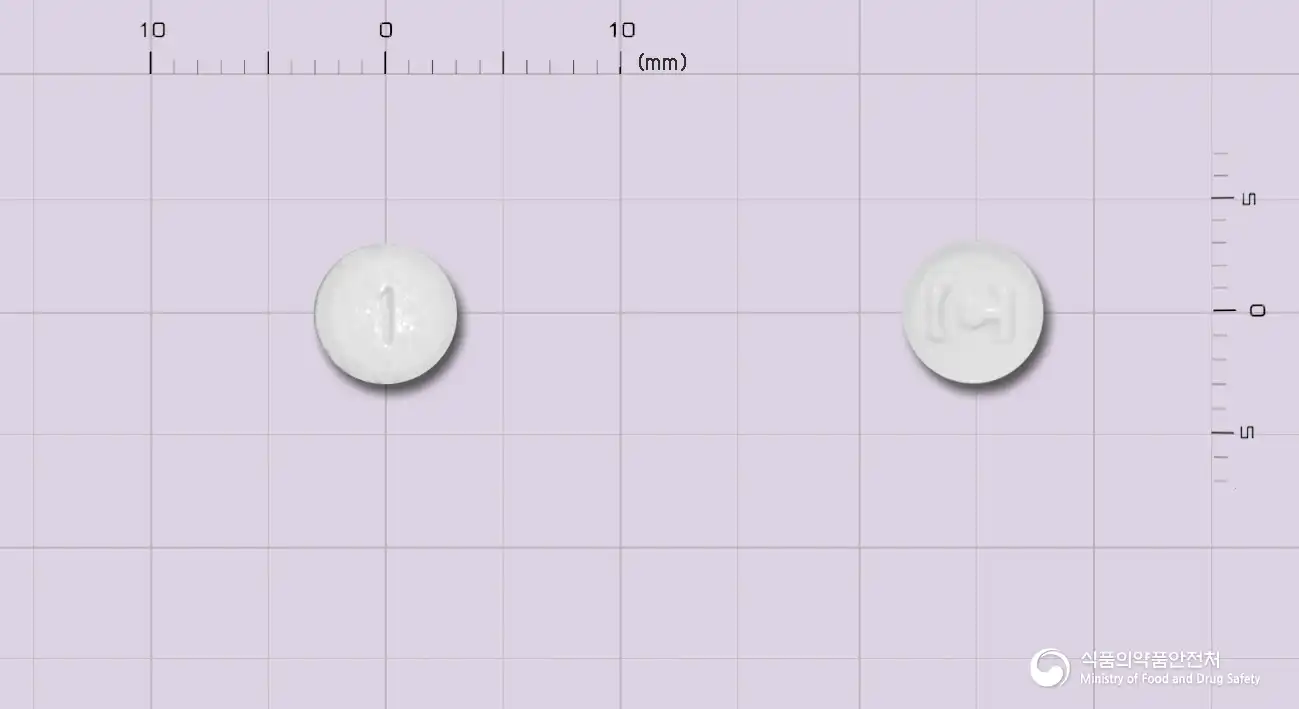
White flat round tablets
28 tablets (4 tablets/blister × 7)
Even with the same ingredient, strength, dosage form and how it is taken can differ.
Viewing nowFentanyl Citrate 0.157mg
Prescription medication
Han Dok Teva Co., Ltd.
Fentanyl Citrate 0.0785mg
Solution · Prescription medication
Myungmoon Pharmaceutical Co., Ltd.
Fentanyl Citrate
Prescription medication
DaeWon Pharmaceutical Co., Ltd.
Fentanyl Citrate 78.5μg
Injections · Prescription medication
BC World Pharmaceutical Co., Ltd.
Fentanyl Citrate 0.0785mg
Prescription medication
Gujoo Pharmaceutical Co., Ltd.
Fentanyl Citrate 0.0785mg
Injections · Prescription medication
Hana Pharmaceutical Co., Ltd.
Fentanyl Citrate 78.5μg
Injections · Prescription medication
Halim Pharmaceuticals Co., Ltd.
Fentanyl Citrate 0.3142mg
Prescription medication
Hyundai Pharmaceutical Co., Ltd.
Even with the same ingredient, the dose and directions can differ by strength and dosage form. Talk to a doctor or pharmacist before switching from a medication you are already taking.
No questions yet.
For anything that needs medical judgment, consult a doctor or pharmacist.
This drug information is based on data provided by the Korea Ministry of Food and Drug Safety.
Consult a doctor or pharmacist for accurate dosage, administration, and usage instructions.