
 한국어
 English
 日本語
 中文(简体)
Dosage form image
Viewing nowProctil Dry Syrup (Cefpodoxime Proxetil 50mg/5mL)
Cefpodoxime Proxetil 5g
Syrup · Prescription medication
Anguk Pharmaceutical Co., Ltd.
MFDS item code 201307576 · Approved 2013.05.31 · Insurance code 650203991
Treatment of respiratory and ear, nose, and throat infections, skin infections and scarlet fever, and urinary tract infections
This medication is effective against various bacteria such as Staphylococcus, Streptococcus, and Streptococcus pneumoniae. The main indications include treatment for skin infections like boils, furuncles, and contagious impetigo, as well as respiratory infections such as pharyngitis, bronchitis, and tonsillitis. It is also effective for urinary tract infections like pneumonia, pyelonephritis, and cystitis, and for ear and sinus infections like otitis media and sinusitis. It is also used for the treatment of systemic infections such as scarlet fever. It helps to recover patients' health by treating bacterial infections in different areas.
○ Infants and children: Suspend before use and administer orally as cefpodoxime, at a dose of 3 mg (potency)/kg body weight per dose, 2~3 times daily. For severe cases or cases in which the effect is considered insufficient, administer orally at a dose of 4.5 mg (potency)/kg body weight per dose, 3 times daily. Adjust the dose appropriately according to age, symptoms, etc.
This medication contains the artificial sweetener aspartame, and should not be administered to patients with phenylketonuria, a genetic disorder. Care should be taken not to exceed the maximum daily allowance for aspartame, which should not surpass 2.4 grams per day for adults. This medication should not be used in patients who have previously experienced shock responses. Patients with a history of allergic reactions to this medication or cephem antibiotics should generally avoid use unless in exceptional cases, and those with allergies to penicillin antibiotics should also use caution. Patients with a tendency to exhibit allergic symptoms such as bronchial asthma, skin rashes, or urticaria should take precautions. Patients with severely diminished kidney function may experience delayed elimination of this medication, thus requiring dosage adjustment and monitoring. Patients unable to take medications orally, those receiving parenteral nutrition, the elderly, and those in poor overall condition may exhibit signs of vitamin K deficiency and should be monitored closely. During the use of this medication, serious allergic reactions such as shock or anaphylaxis may occasionally occur; if symptoms such as discomfort, oral abnormalities, wheezing, dizziness, constipation, or sweating appear, administration should be stopped immediately. If symptoms of hypersensitivity occur such as skin rash, urticaria, itching, or fever, administration should also be stopped, and proper treatment is required. Gastrointestinal disturbances such as pseudomembranous colitis, severe diarrhea, and abdominal pain may occur, and if these symptoms occur, medication should be stopped immediately. If respiratory symptoms like difficulty breathing, coughing, or fever appear, there may be a possibility of pneumonia or pulmonary infiltration, thus treatment should be stopped, and care should be taken. Blood abnormalities such as thrombocytopenia or leukopenia may occur, thus regular blood tests are required during long-term use. Neurological disorders may manifest as cognitive impairment or seizures in individuals with impaired renal function, so caution is necessary. Rarely, serious skin reactions like Stevens-Johnson syndrome or toxic epidermal necrolysis can occur; thus, careful monitoring of skin conditions is required. Hepatic and renal function abnormalities may also occur, necessitating regular examinations. This medication can induce dysbiosis leading to oral candidiasis or stomatitis. Vitamin K and B deficiency symptoms may rarely occur; therefore, attention should be paid to bleeding tendencies or neurological symptoms. Headache, edema, and lethargy may occur infrequently. When using this medication, sensitivity testing should be conducted to prevent the emergence of resistant bacteria, and it should be used only for the minimum necessary duration. A thorough medical history and skin reaction tests should be conducted to prevent shock responses. Dizziness may occur during administration, so caution is required while driving or operating machinery. If used for more than 10 days, a blood test should be performed to check the neutrophil count. Patients with impaired renal function require dose adjustments, as improper dosing could result in seizures; thus, caution is necessary. Severe skin adverse reactions have been reported, so monitoring of skin conditions is critical and medication should be stopped immediately if unusual symptoms occur. This medication may place a burden on the kidneys when used in conjunction with diuretics or aminoglycoside antibiotics, requiring careful administration. When used with probenecid, excretion of this medication may be delayed, leading to increased blood concentration; therefore, attention is required. Antacids or H2-antagonists may interfere with the absorption of this medication; however, taking it during meals or with agents that lower pH may improve absorption. During pregnancy, safety has not been established, and it should only be administered when the therapeutic benefits outweigh the risks, and breastfeeding women should discontinue nursing. Safety in children, neonates, and premature infants has not been sufficiently established, and caution is advised with their use. Elderly individuals may exhibit adverse reactions more easily due to diminished physiological functions, so dose and administration intervals should be carefully adjusted. This medication may affect the results of certain clinical tests, so it is important to inform the testing facility of any medications being taken. Syrup formulations should be stored in a tightly sealed container away from air or moisture, and used within two weeks after preparation, shaken well before administration.
Shock, anaphylactic reaction, discomfort, oral dysesthesia, wheezing, dizziness, diarrhea, tinnitus, sweating, rash, urticaria, erythema, itching, fever, lymphadenopathy, arthralgia, pseudomembranous colitis, hematochezia, severe colitis, abdominal pain, frequent diarrhea, nausea, vomiting, diarrhea, loose stools, gastric pain, loss of appetite, gastric discomfort, constipation, fever, cough, dyspnea, interstitial pneumonia, eosinophilic lung infiltration, eosinophilia, thrombocytopenia, thrombocytosis, leukopenia, granulocytopenia, cognitive disturbance, behavioral disturbance, convulsions, seizures, Stevens-Johnson syndrome, toxic epidermal necrolysis, drug reaction (DRESS), acute generalised exanthematous pustulosis (AGEP), erythema multiforme, AST elevation, ALT elevation, ALP elevation, LDH elevation, bilirubin elevation, hematuria, BUN elevation, increased serum creatinine, acute renal failure, stomatitis, candidiasis, vitamin K deficiency symptoms, hypoprothrombinemia, bleeding tendency, vitamin B complex deficiency symptoms, glossitis, neuritis, headache, edema, sensory disturbance, weakness, fatigue
Not everyone experiences these, and they can vary from person to person.
This medication should be stored in a tightly closed container to prevent exposure to air or moisture. The recommended storage temperature is between 1 and 30 degrees Celsius at room temperature.
This medication is a light pink powder syrup with a peculiar aroma that needs to be dissolved before use.
10g/bottle (50mL)
Even with the same ingredient, strength, dosage form and how it is taken can differ.
Cefpodoxime Proxetil 5g
Syrup · Prescription medication
Anguk Pharmaceutical Co., Ltd.

Cefpodoxime Proxetil 100mg
Tablet · Prescription medication
HK inno.N Co., Ltd.
Cefpodoxime Proxetil 5000mg
Prescription medication
HK inno.N Co., Ltd.
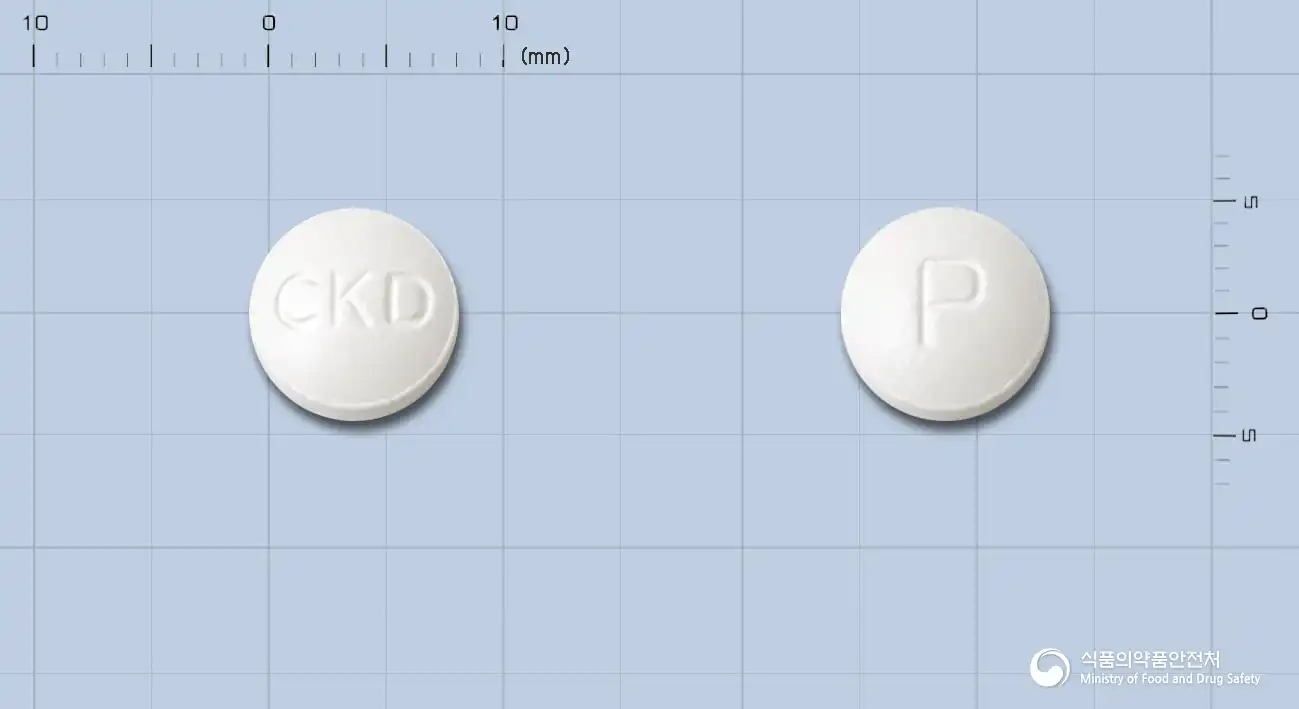
Cefpodoxime Proxetil 100mg
Tablet · Prescription medication
Jongkundang Co., Ltd.

Cefpodoxime Proxetil 100mg
Tablet · Prescription medication
Youngjin Pharmaceutical Co., Ltd.

Cefpodoxime Proxetil 130mg
Tablet · Prescription medication
Hanmi Pharmaceutical Co., Ltd.
Cefpodoxime Proxetil 5000mg
Prescription medication
Jongkundang Co., Ltd.
Cefpodoxime Proxetil
Prescription medication
SK Chemicals Co., Ltd.
Even with the same ingredient, the dose and directions can differ by strength and dosage form. Talk to a doctor or pharmacist before switching from a medication you are already taking.
No questions yet.
For anything that needs medical judgment, consult a doctor or pharmacist.
This drug information is based on data provided by the Korea Ministry of Food and Drug Safety.
Consult a doctor or pharmacist for accurate dosage, administration, and usage instructions.