
 한국어
 English
 日本語
 中文(简体)
 Viewing now
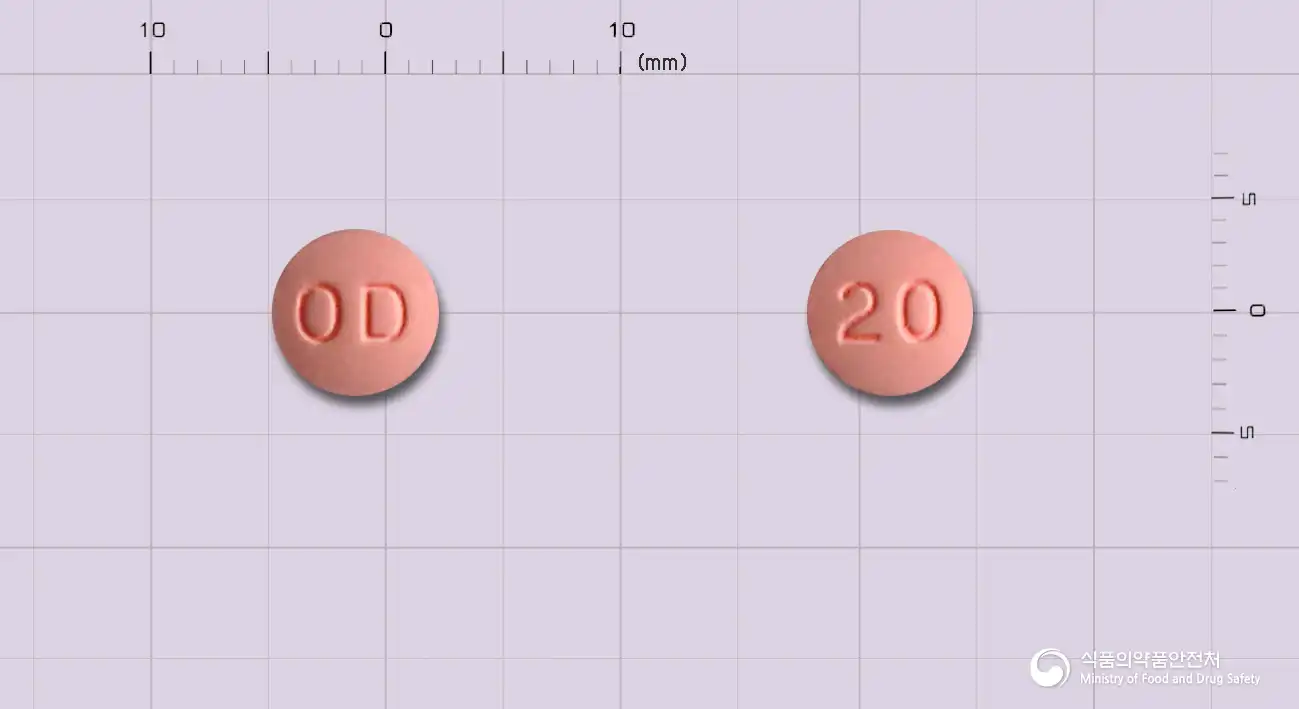
Oxycodone Extended Release Tablet 20 mg (Oxycodone Hydrochloride)
Oxycodone Hydrochloride 20mg
Tablet · Prescription medication
Hana Pharmaceutical Co., Ltd.
MFDS item code 201307451 · Approved 2013.05.23 · Insurance code 657805150
Relief of moderate to severe pain requiring opioid analgesics
This medication is used to control pain ranging from moderate to severe. It is particularly effective when opioid analgesics are required, assisting in the relief of patients' pain. It helps alleviate pain, reducing discomfort in daily life and contributing to improving quality of life. It is primarily used for managing severe pain such as postoperative pain or cancer-related pain. When used safely, it is very effective for pain control. This medication is used for controlling moderate to severe pain.
1. This medicine must be swallowed whole; do not chew or crush it. If chewed or crushed, the drug may be released rapidly and an amount that could potentially cause toxicity may be absorbed. Take this medicine one tablet at a time. Place it in the mouth and immediately swallow it whole with plenty of water. Regular assessment of the patient is important in pain management. Reassess the treatment regimen regularly and adjust it according to the patient's pain and reports of adverse reactions, and the clinical judgment of the healthcare professional. This medicine is used to treat moderate to severe pain in patients who require oral opioid analgesics for several days. Take this medicine orally at 12-hour intervals. For most patients, dosing times are set symmetrically at 12-hour intervals (the same time in the morning and evening); however, for some patients, it may be preferable to set asymmetric dosing intervals according to the patient's pain pattern. In general, it is preferable to treat a patient with only one opioid analgesic for 24-hour continuous therapy. The dose should be determined and adjusted based on each patient's level of pain, condition, previously administered or currently concomitant medications, body weight, and sex (women show higher blood concentrations). Reassess the treatment regimen regularly and adjust it according to the patient's pain and reports of adverse reactions, and the clinical judgment of the healthcare professional. In general, the lowest dose that effectively relieves pain should be selected. If a higher dose is required, the current dose may be increased by 25~50%, whenever possible. The dose of this medicine should be increased for patients who require rescue medication more than 2 times a day. Administer this medicine consistently either with food or on an empty stomach. The appropriate dose for a patient is the dose that controls pain without causing adverse reactions, or with adverse reactions that are tolerable. 2. Determining the initial dose It is important to initiate treatment for each patient according to whether the patient has previously used opioid or non-opioid analgesics. Carefully consider the patient's physical and medical condition; the type, potency, and daily dose of analgesics the patient is taking; the reliability of the conversion ratio used to calculate the oxycodone dose; the patient's history of and tolerance to opioid drugs; and whether the benefits of analgesia outweigh the adverse reactions. Use a low initial dose with caution in patients who have not developed tolerance to opioid analgesics, particularly those receiving concomitant muscle relaxants, sedatives, or drugs that act on the central nervous system. - Patients who have not previously taken opioid analgesics; clinical trial results showed that patients could begin analgesic therapy with this medicine. The recommended initial dose for these patients is 10 mg of oxycodone hydrochloride every 12 hours. If the patient is taking a non-opioid analgesic [aspirin, acetaminophen, or a nonsteroidal anti-inflammatory drug], it may be continued. If the patient stops taking the non-opioid analgesic currently being used, the need to increase the dose of this medicine may arise sooner. - Patients who have been taking a combination of an opioid analgesic/aspirin, acetaminophen, or a nonsteroidal anti-inflammatory drug; for patients taking 1∼5 units (tablets/capsules, etc.) per day of a combination of an opioid analgesic/aspirin, acetaminophen, or a nonsteroidal anti-inflammatory drug at a usual strength, the recommended initial dose is 10∼20 mg of oxycodone hydrochloride every 12 hours. For patients taking 6∼9 units (tablets/capsules, etc.) per day of a combination of an opioid analgesic/aspirin, acetaminophen, or a nonsteroidal anti-inflammatory drug at a usual strength, the recommended initial dose is 20∼30 mg of oxycodone hydrochloride every 12 hours; for patients taking 10∼12 units (tablets/capsules, etc.) per day, the recommended initial dose is 30∼40 mg of oxycodone hydrochloride every 12 hours. A non-opioid analgesic may be taken separately, or another non-opioid analgesic may be selected. If discontinuation of the non-opioid analgesic is decided upon, consider that the need to increase the dose of this medicine may arise sooner. - Patients who have been taking opioid analgesics; When treatment with this medicine is initiated, discontinue the previously administered opioid analgesic. · The usual initial dose for patients with severe pain not controlled by a weak opioid analgesic is 10 mg every 12 hours. · To determine the total daily dose equivalent to oral oxycodone, multiply the mg/day dose of the previously administered opioid analgesic by the appropriate conversion factor, using the standard conversion ratio evaluation table (Table 1). · Divide this daily oxycodone dose into 2 doses to determine the dose to be administered every 12 hours. · Select the dose according to the oxycodone content of the product (10, 15, 20, 30, 40, 60, and 80 mg per tablet). · When treatment with this medicine is initiated, discontinue the previously administered opioid analgesic. Conversion ratios are not appropriate for every patient, particularly patients who have been taking high doses of opioid analgesics. The recommended doses shown in Table 1 are initial doses; closely monitor the patient and adjust the dose frequently until the patient adapts to the new treatment regimen. Table 1. Standard conversion ratio evaluation table for converting the daily dose of an opioid analgesic being taken to the daily dose of oral oxycodone* (dose of current medication in mg/day × conversion factor = dose of oral oxycodone in mg/day) Current oral medication Current parenteral medication Oxycodone 1 - Codeine 0.15 - Fentanyl TTS See below See below Hydrocodone 0.9 - Hydromorphone 4 20 Levorphanol 7.5 15 Meperidine 0.1 0.4 Methadone 1.5 3 Morphine 0.5 3 * Use only when converting to a dose of oral oxycodone. Exercise greater caution when switching medications in patients who have been using high doses of parenteral opioid analgesics. For example, for a patient receiving high-dose parenteral morphine, use a conversion factor of 1.5 instead of 3. In any case, immediate-release oral oxycodone or another appropriate short-acting analgesic may be used as an adjunctive analgesic. This medicine may be safely used with usual doses of non-opioid analgesics or adjuvant analgesics, provided that care is taken to determine an appropriate initial dose. - Conversion between oral and parenteral administration of oxycodone: Use the following ratio for dosing: 2 mg of oral oxycodone is equivalent to 1 mg of parenteral oxycodone. It should be emphasized that this is a guide to the required dose. Careful dose titration is necessary to determine an appropriate dose, taking into account variability between patients. - Conversion from morphine: ⦁ Oral administration: For patients who were receiving oral morphine before oxycodone treatment, calculate the daily dose based on the following ratio: 10 mg of oral oxycodone is equivalent to 15 mg or 20 mg of oral morphine. It should be emphasized that this is a guide to the required dose. Careful dose titration is necessary to determine an appropriate dose, taking into account variability between patients. It is recommended to initially administer a dose lower than the equivalent dose. - Patients who have been receiving transdermal fentanyl; treatment with this medicine may be initiated 18 hours after removal of the transdermal fentanyl patch. Although this medication switch has not been systematically evaluated, an appropriate initial oxycodone dose is approximately 10 mg of this medicine every 12 hours for each fentanyl transdermal patch delivering 25㎍/hr. There is limited clinical experience with this medication switch, so adjust the dose early. - Individual dose adjustment; once treatment has begun, frequently assess pain relief and the effects of other opioid drugs, and adjust the dose to achieve an appropriate effect (generally requiring about 2 doses of an analgesic adjunct over 24 hours, with mild or no pain). Analgesic adjuvants may also be used. Plasma drug concentrations reach steady state within approximately 24∼36 hours, so the dose should be adjusted every 1∼2 days. When adjusting the dose, it is appropriate to increase the dose administered every 12 hours while keeping the dosing interval unchanged. There are no clinical data on dosing intervals shorter than 12 hours. Except when increasing the dose from 10 mg to 20 mg every 12 hours, the guideline suggests that the total daily dose of oxycodone may generally be increased by 25∼50% of the current dose with each dose increase. If opioid-related adverse reactions are observed to be too severe, the next dose may be reduced. If adequate analgesia cannot be achieved with these dose adjustments, immediate-release oxycodone may be used as adjunctive therapy. Non-opioid analgesics may also be used as adjuncts. - Use of this medicine 60 mg and 80 mg tablets (for use only in patients tolerant to opioid analgesics): Oxycodone doses exceeding 40 mg as a single dose or 80 mg as a daily dose may be taken only by patients who are tolerant to opioid analgesics. Therefore, this medicine 60 mg and 80 mg tablets should be used only in patients who are tolerant to opioid analgesics, and sufficient caution should be exercised in these cases. - Adjunctive analgesia; cancer patients receiving 24-hour therapy with controlled-release opioid analgesics may use immediate-release medication as rescue treatment for breakthrough pain or to prevent predictable pain during periods of activity. Immediate-release oxycodone may be used alone as rescue medication, or in combination with acetaminophen, aspirin, or other nonsteroidal anti-inflammatory drugs as adjuvant analgesics. As shown in Table 2, the analgesic adjuvant should be prescribed at 1/4∼1/3 of the dose of this medicine administered every 12 hours. Administer the rescue medication at a dose that treats breakthrough pain, 1 hour before the time when pain is expected. If rescue medication is needed more than 2 times within 24 hours, increase the dose of this medicine. Table 2. Appropriate analgesic adjuvant Dose of this medicine administered every 12 hours (mg) Dose of rescue medication used as needed, immediate-release oxycodone (㎎) 10 5 20 5 30 10 40 10 60 15 80 20 120 30 160 40 240 60 3. Maintenance therapy The purpose of the dose adjustment period is to determine the appropriate dose for each patient to maintain adequate pain relief with only tolerable adverse reactions for as long as pain relief is needed. If pain recurs, the dose may need to be increased to control the pain. The dose adjustment methods described above also apply when adjusting the dose again to control pain. During long-term treatment, it is advisable to periodically reassess whether 24-hour continuous therapy is needed, particularly when the pain is not due to cancer (e.g., every 6∼12 months). 4. Discontinuation of treatment In general, when opioid use must be discontinued, the dose should be reduced gradually. Serious withdrawal symptoms, uncontrolled pain, and suicide have been reported when opioid analgesics are abruptly discontinued in patients who are physically dependent on opioids. Reduce the daily dose by about 50% for the first 2 days, and thereafter reduce it by 25% every 2 days until the recommended dose for patients initiating opioid analgesic therapy (10 or 20 mg every 12 hours) is reached. Treatment may then be discontinued. If withdrawal symptoms occur, stop reducing the dose and slightly increase the dose until the withdrawal symptoms disappear. Dose reduction may then be restarted, but the intervals between dose reductions should be longer. 5. Patients with renal impairment and patients with hepatic impairment Use this medicine with caution in patients with renal impairment or hepatic impairment, as blood concentrations of this medicine may increase. The recommended initial dose in adult patients should be reduced by up to 50%. (e.g., the total daily oral dose for patients not using opioid analgesics is 10mg) Titrate carefully according to the patient's clinical condition to achieve adequate pain control.
This medication should be swallowed whole without chewing or crushing. Chewing or crushing the tablet can cause the drug to be released too quickly, which may be dangerous. The higher dose formulation of this medication should only be used in patients who are tolerant to opioid analgesics, and caution should be exercised as it can cause fatal respiratory depression in patients who are using it for the first time. When taken with central nervous system depressants or alcohol, it can lead to severe respiratory depression or loss of consciousness; therefore, dosage should be reduced and the patient closely monitored when combined with these substances. This medication should not be administered or should be administered cautiously to patients with impaired respiratory function, severe asthma, gastrointestinal obstruction, or severe liver, lung, or kidney diseases. Especially in patients with head injuries, hypotension, or elderly individuals, the dosage should be adjusted and symptoms should be closely monitored. This medication can lead to tolerance and physical dependence, so it should not be abruptly discontinued, and dosage should be gradually reduced according to a doctor's instructions. In addition, patients with swallowing difficulties or gastrointestinal conditions should take it with sufficient water to ease swallowing, and precautions should be taken if there is a risk of gastrointestinal obstruction. During pregnancy, it should only be used if absolutely necessary, and it should be avoided just before delivery or during breastfeeding due to the risk of respiratory depression or withdrawal symptoms in newborns. Elderly patients or those with impaired kidney function should have their dosages reduced and administered cautiously. The safety and efficacy of this medication in children have not been established, so it should not be used in individuals under 18 years of age. In case of overdose, respiratory depression, unconsciousness, hypotension, etc., may occur, requiring immediate emergency treatment, and can be treated with opioid antagonists. This medication should be stored out of the reach of children, and it is safest when stored in its original container. This medication carries a risk of misuse and addiction, so it should be taken exactly as directed by a doctor, and in case of signs of drug abuse, prompt consultation with medical personnel is necessary. Additionally, caution should be exercised when driving or operating machinery as drowsiness or dizziness may occur.
Respiratory depression, apnea, respiratory arrest, circulatory depression, hypotension, shock, constipation, nausea, drowsiness, dizziness, itching, headache, dry mouth, sweating, weakness, loss of appetite, irritability, insomnia, fever, confusion, diarrhea, abdominal pain, dyspepsia, flushing, anxiety, panic attacks, dyspnea, orthostatic hypotension, chills, single contraction, gastritis, strange dreams, abnormal thoughts, bronchospasm, increased cough, hiccups, accidental injury, chest pain, facial swelling, discomfort, throat pain, pain, allergic reaction, drug dependence, miosis, tolerance, anaphylactic reaction, neonatal drug withdrawal syndrome, migraine, syncope, vasodilation, palpitations, ventricular tachycardia, dysphagia, belching, abdominal bloating, gastrointestinal disorder, increased appetite, stomatitis, biliary pain, intestinal obstruction, dental caries, cholestasis, increased liver enzymes, lymph node disorder, dehydration, edema, hyponatremia, peripheral edema, inappropriate antidiuretic hormone secretion syndrome, thirst, abnormal gait, agitation, forgetfulness, derealization, depression, emotional instability, hallucinations, hyperactivity, sensory impairment, hypotonia, discomfort, sensory disturbances, seizures, speech disturbances, confusion, tinnitus, tremors, withdrawal symptoms without or with seizures, convulsions, tension, involuntary muscle contractions, aggression, hyperalgesia, increased cough, pharyngitis, voice changes, central sleep apnea syndrome, dry skin, snowfall, urticaria, visual disturbances, taste distortion, amenorrhea, reduced libido, urination disorders, hematuria, erectile dysfunction, polyuria, urinary retention, urination disorders, male hypogonadism, suffocation, nausea, reflux, throat blockage
Not everyone experiences these, and they can vary from person to person.
This medication may be sensitive to light, so it should be stored in a tightly closed container that blocks light. Additionally, it is safest when stored at room temperature between 1 degrees and 30 degrees Celsius, and extreme heat or cold should be avoided.
Pink round extended-release film-coated tablet
56 tablets (14 tablets/PTP X 4)
Even with the same ingredient, strength, dosage form and how it is taken can differ.
Viewing nowOxycodone Hydrochloride 20mg
Tablet · Prescription medication
Hana Pharmaceutical Co., Ltd.
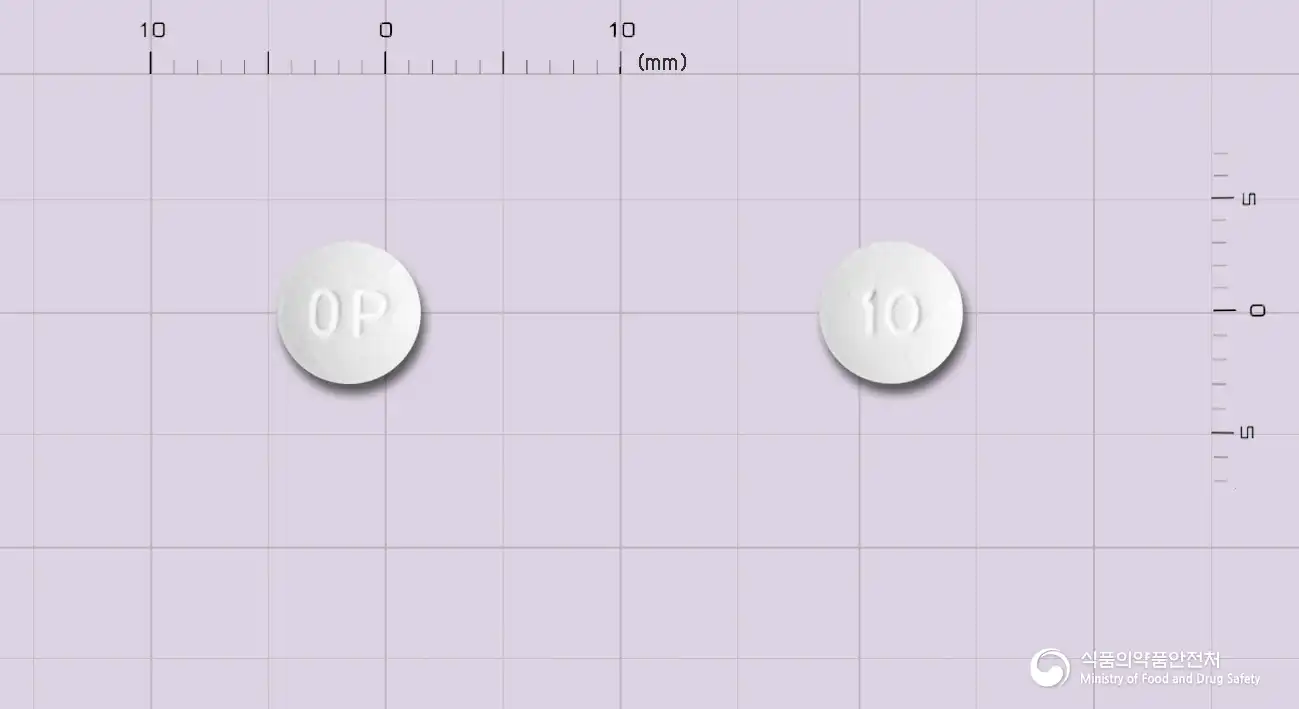
Oxycodone Hydrochloride 10mg
Tablet · Prescription medication
Hanmi Mundipharma Co., Ltd.
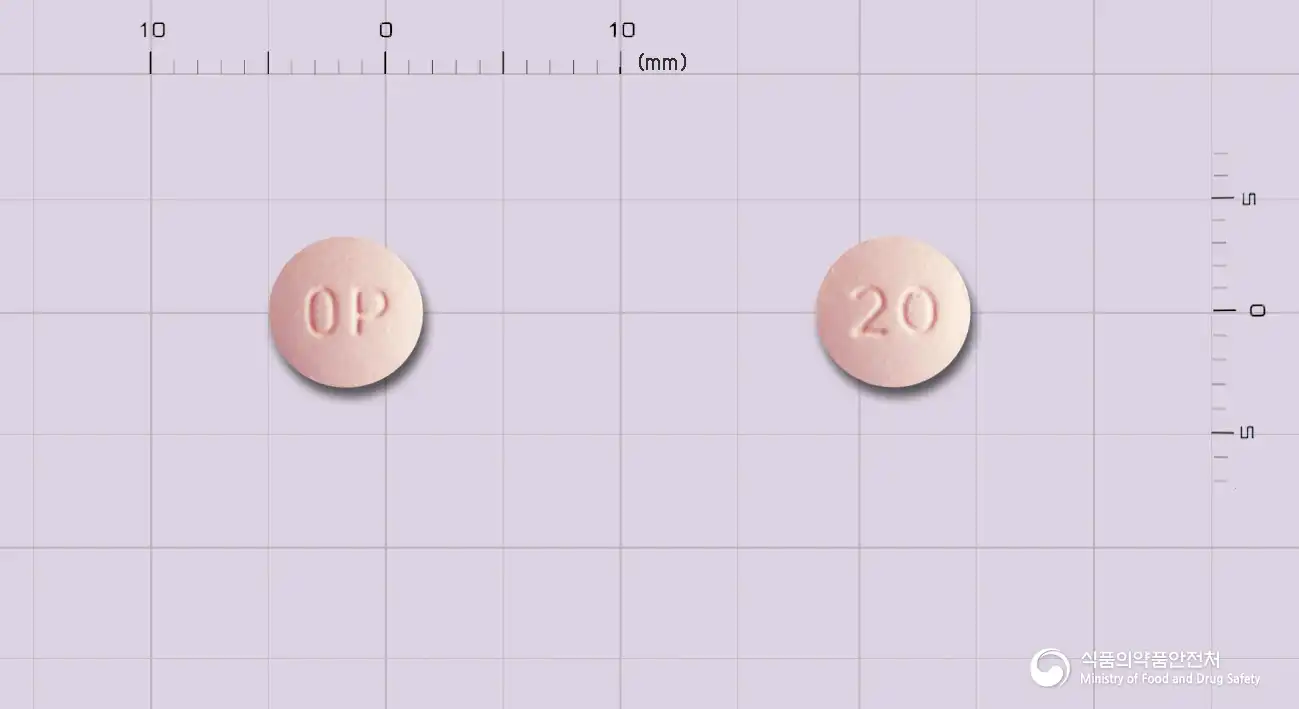
Oxycodone Hydrochloride 20mg
Tablet · Prescription medication
Korea Mundi Pharma Co., Ltd.
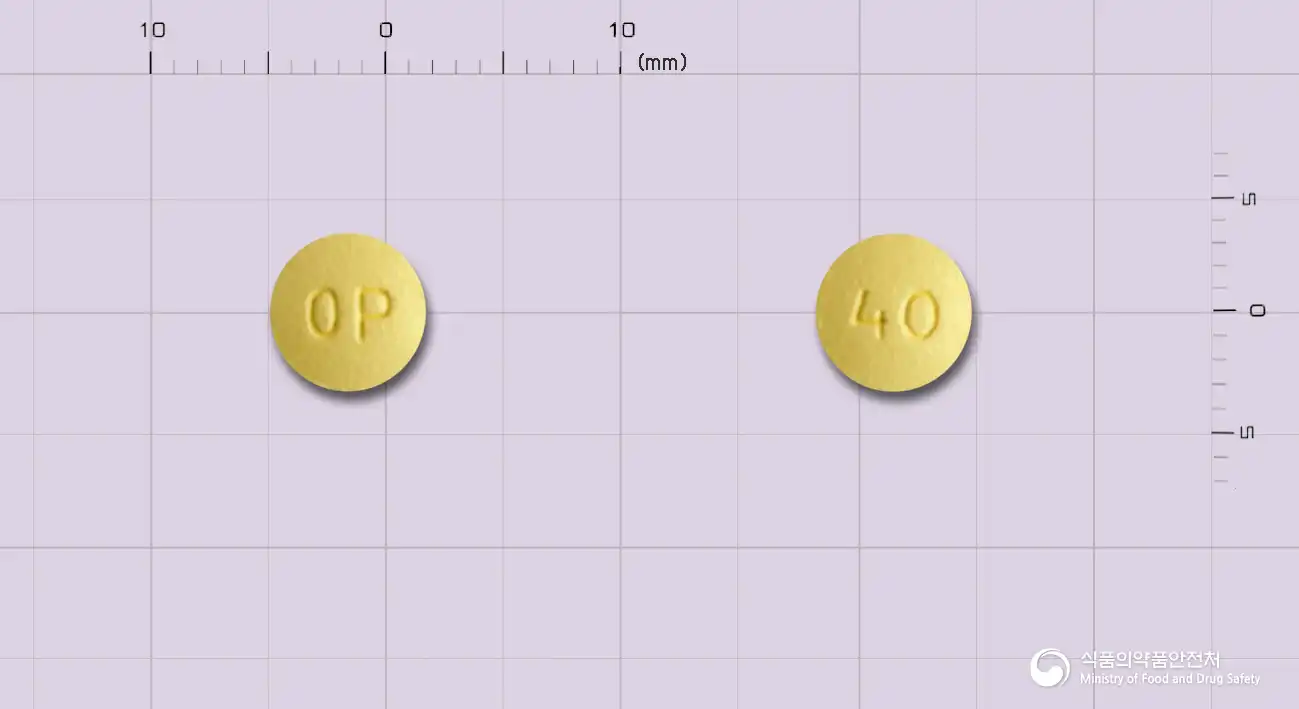
Oxycodone Hydrochloride 40mg
Tablet · Prescription medication
Korea Mundipharma Co., Ltd.
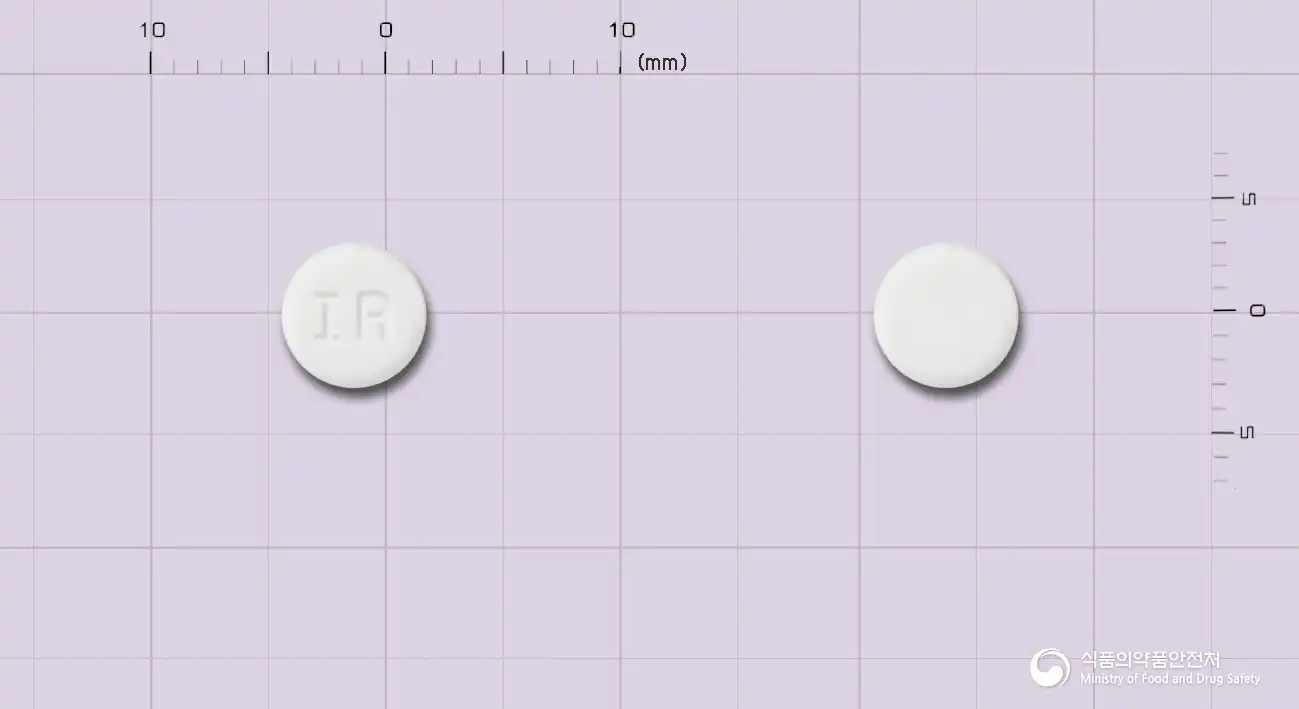
Oxycodone Hydrochloride 5mg
Tablet · Prescription medication
Unimed Pharmaceuticals Co., Ltd.
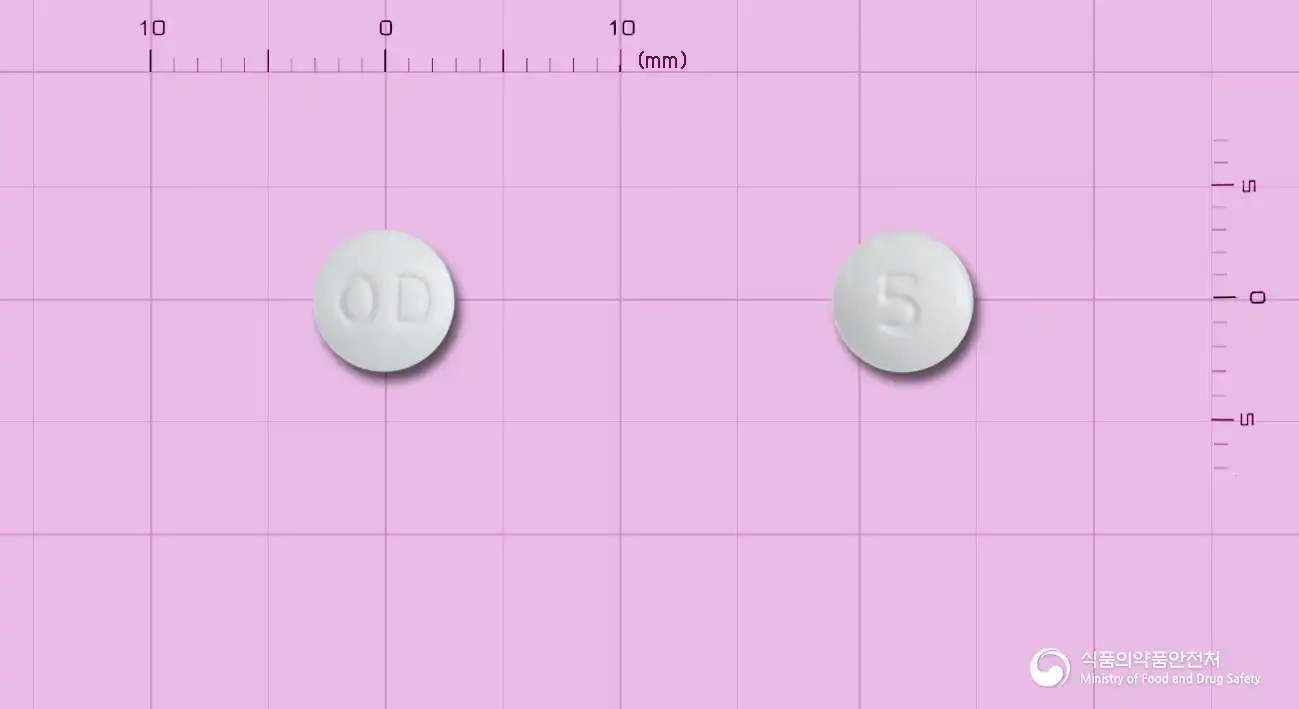
Oxycodone Hydrochloride 5mg
Tablet · Prescription medication
Hana Pharmaceutical Co., Ltd.
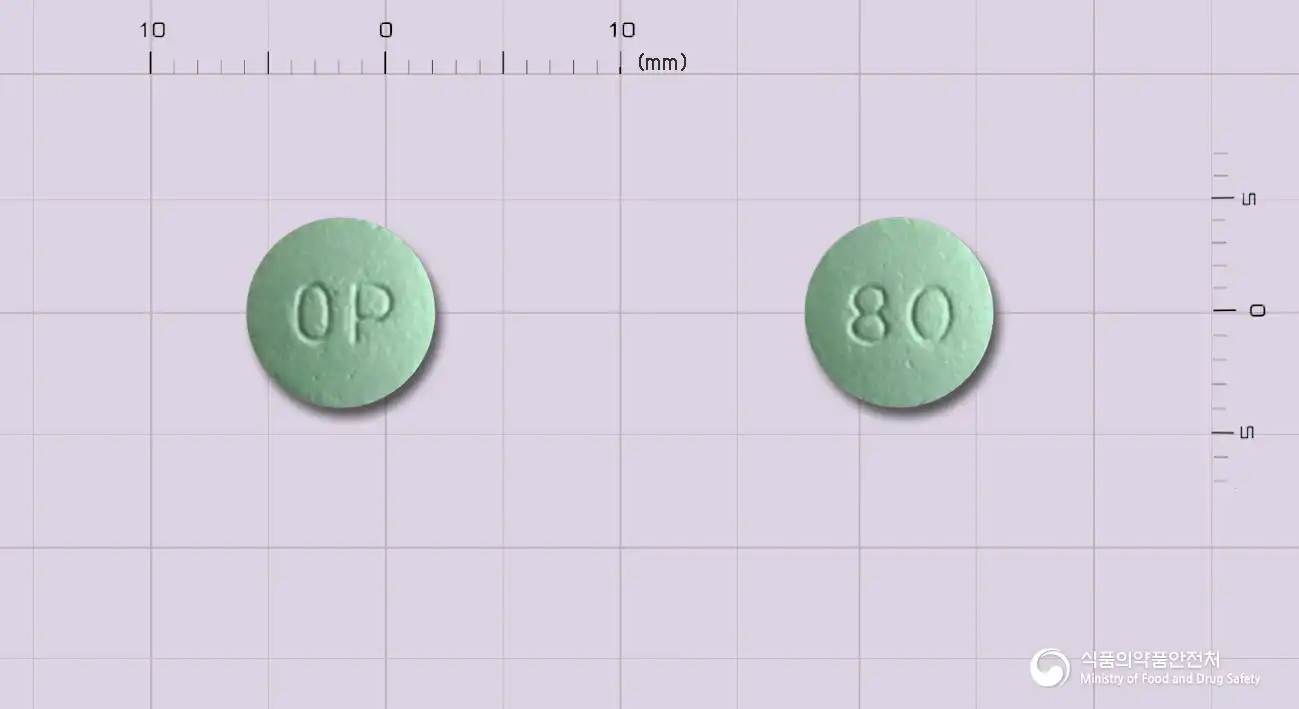
Oxycodone Hydrochloride 80mg
Tablet · Prescription medication
Korea Mundi Pharma Co., Ltd.
Oxycodone Hydrochloride 10mg
Solution · Prescription medication
Korea Mundipharma Co., Ltd.
Even with the same ingredient, the dose and directions can differ by strength and dosage form. Talk to a doctor or pharmacist before switching from a medication you are already taking.
No questions yet.
For anything that needs medical judgment, consult a doctor or pharmacist.
This drug information is based on data provided by the Korea Ministry of Food and Drug Safety.
Consult a doctor or pharmacist for accurate dosage, administration, and usage instructions.