
 한국어
 English
 日本語
 中文(简体)
 Viewing now
Oxycodone Sustained Release Tablets 10 mg (Oxycodone Hydrochloride)
Oxycodone Hydrochloride 10mg
Tablet · Prescription medication
Hana Pharmaceutical Co., Ltd.
MFDS item code 201307450 · Approved 2013.05.23 · Insurance code 657805140
Relief of moderate to severe pain requiring opioid analgesics
This medication is used to effectively manage various pains ranging from moderate to severe. As a narcotic analgesic, it inhibits the body's pain signals, helping alleviate the patient's suffering. It is beneficial in situations of severe pain such as postoperative pain, cancer pain, and trauma, aiding the patient in leading a more comfortable daily life despite the pain. When used according to appropriate dosing guidelines, this medication safely and effectively improves pain.
This drug is taken orally at 12-hour intervals. If a higher dose is required, the dose may be increased by 25~50% of the current dose, where possible. The recommended initial dose is 10 mg of oxycodone hydrochloride every 12 hours. For patients taking 1∼5 units per day (tablets/capsules, etc.) of combination products containing a usual dose of an opioid analgesic/aspirin, acetaminophen, or a nonsteroidal anti-inflammatory drug, the recommended initial dose is 10∼20 mg of oxycodone hydrochloride every 12 hours. For patients taking 6∼9 units per day (tablets/capsules, etc.) of such combination products, the recommended initial dose is 20∼30 mg of oxycodone hydrochloride every 12 hours; for patients taking 10∼12 units per day (tablets/capsules, etc.), the recommended initial dose is 30∼40 mg of oxycodone hydrochloride every 12 hours. The usual initial dose for patients with severe pain not controlled by a weak opioid analgesic is 10mg every 12 hours. Divide the total daily dose of oxycodone into 2 doses administered every 12 hours. 2mg of oral oxycodone is equivalent to 1mg of parenteral oxycodone. 10mg of oral oxycodone is equivalent to 15mg or 20mg of oral morphine. For a fentanyl transdermal patch 25㎍/hr, replace with approximately 10 mg of this drug every 12 hours. Plasma drug concentrations reach steady state within approximately 24∼36 hours; therefore, adjust the dose every 1∼2 days. Increase the dose administered every 12 hours. Usually, with each dose increase, the total daily dose of oxycodone may be increased by 25∼50% of the current dose. Oxycodone doses exceeding 40 mg per dose or 80 mg per day may be used only in patients tolerant to opioid analgesics. Prescribe rescue medication at 1/4∼1/3 of the dose of this drug administered every 12 hours. Administer rescue medication 1 hour before the time when pain is expected to occur. If rescue medication is needed more than twice within 24 hours, increase the dose of this drug. During continuous treatment, it is preferable to periodically reassess whether 24-hour continuous therapy is needed (e.g., every 6∼12 months). Reduce the daily dose by approximately 50% for the first 2 days, and thereafter reduce it by 25% every 2 days until the recommended dose (10 or 20 mg every 12 hours) is reached. In adult patients, the initial recommended dose should be reduced by up to 50%. (e.g., the total daily oral dose for an opioid-naive patient is 10mg)
This medication should be swallowed whole and not chewed or crushed. This allows the medicine to be released slowly and act safely. It should only be used by patients who are tolerant to narcotic analgesics. Using high doses without tolerance may lead to severe respiratory depression, which can be dangerous. Care should be taken when using this medication with other central nervous system depressants or alcohol, as it can result in severe drowsiness, respiratory depression, coma, and in severe cases, death. Patients with allergies to oxycodone, very weak respiratory function, suspected acute asthma, or gastrointestinal obstruction should not use this medication. Particular caution should be exercised in patients with weak respiratory function, head injuries, hypotension, liver or kidney impairment, and the elderly, and dosage should be carefully adjusted. This medication can lead to dependence and tolerance, so it should not be suddenly discontinued; instead, the dosage should be gradually reduced as directed by a physician. During treatment, side effects such as drowsiness, dizziness, constipation, nausea, and vomiting may occur, so caution is needed when driving or operating machinery. If pregnant or breastfeeding, this medication should only be used under a physician's judgment if it is essential, as it may affect the fetus or newborn. Safety in children, especially in those under 18, has not been established, so it is advisable not to use it. In case of overdose, severe respiratory depression, coma, and life-threatening symptoms such as heart problems may occur, so it is essential to adhere to the prescribed dosage. This medication should be kept out of the reach of children, stored in its original container to prevent misuse or deterioration of quality. Due to the nature of narcotic analgesics, there is a risk of abuse and addiction; therefore, it should be used appropriately according to a physician's prescription and instructions, and the prescribed dosage and duration should be strictly followed.
Respiratory depression, apnea, respiratory arrest, cardiovascular depression, hypotension, shock, constipation, nausea, drowsiness, dizziness, itching, headache, dry mouth, sweating, weakness, loss of appetite, irritability, insomnia, fever, confusion, diarrhea, abdominal pain, indigestion, flushing, anxiety, buzziness, dyspnea, orthostatic hypotension, chills, single contraction, gastritis, strange dreams, abnormal thoughts, bronchospasm, increased coughing, hiccups, accidental injury, chest pain, facial swelling, discomfort, throat pain, pain, allergic reaction, drug dependence, accommodation, tolerance, anaphylaxis reaction, neonatal drug withdrawal syndrome, migraine, fainting, vasodilation, palpitations, ventricular tachycardia, dysphagia, belching, abdominal distension, gastrointestinal disturbances, increased appetite, stomatitis, biliary pain, bowel obstruction, cavities, cholestasis, elevated liver enzymes, lymph node disorders, dehydration, edema, hyponatremia, peripheral edema, inappropriate antidiuretic hormone secretion syndrome, thirst, abnormal gait, agitation, forgetfulness, depersonalization, depression, emotional instability, hallucinations, hyperactivity, sensory impairment, hypotonia, discomfort, sensory abnormalities, seizures, language disturbances, stupor, tinnitus, tremors, withdrawal symptoms not accompanied by or accompanied by seizures, convulsions, tension, involuntary muscle contractions, aggressiveness, hyperalgesia, increased coughing, pharyngitis, voice changes, central sleep apnea syndrome, dry skin, snowfall, hives, visual disturbances, dysgeusia, amenorrhea, decreased libido, urination disorders, hematuria, erectile dysfunction, polyuria, urinary retention, urination disorders, male reproductive gland dysfunction, asphyxiation, nausea, regurgitation, throat blockage
Not everyone experiences these, and they can vary from person to person.
This medication should be stored in a container that blocks light and allows no air to enter, at room temperature between 1°C and 30°C. This storage method helps maintain its effectiveness for a longer period.
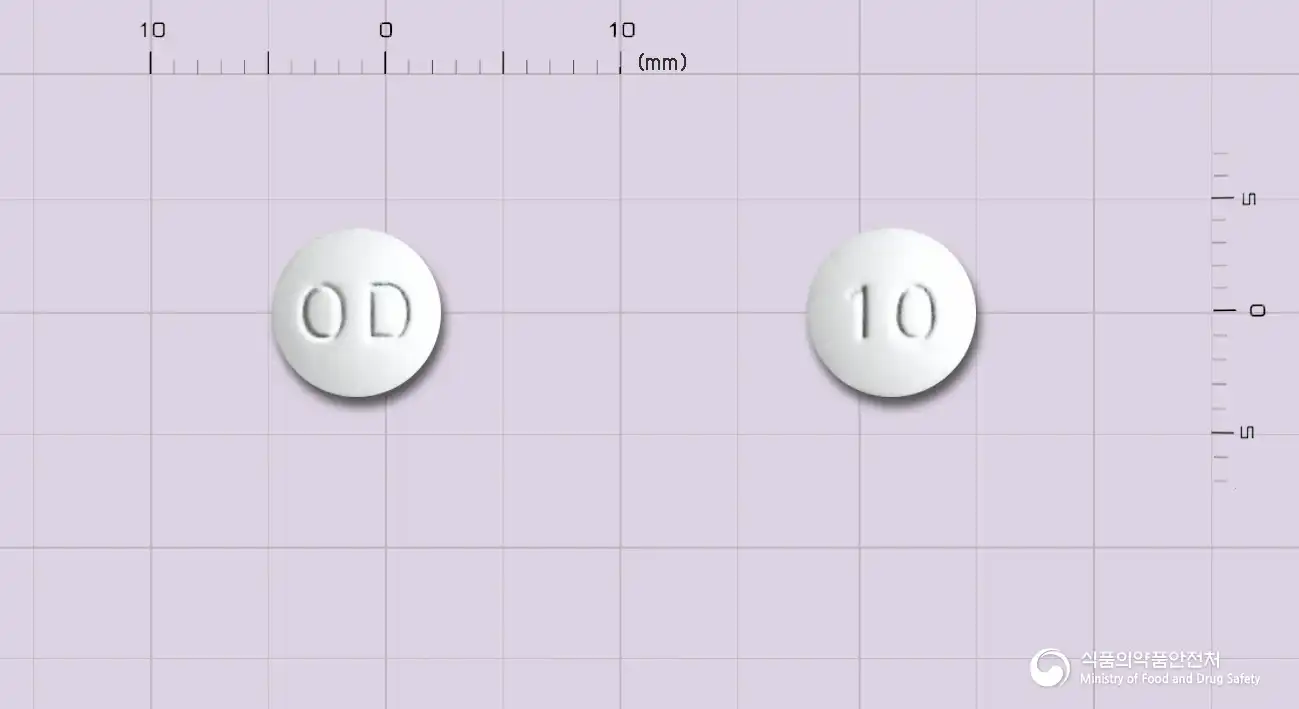
White round sustained-release film-coated tablets
56 tablets (14 tablets/PTP x 4)
Even with the same ingredient, strength, dosage form and how it is taken can differ.
Viewing nowOxycodone Hydrochloride 10mg
Tablet · Prescription medication
Hana Pharmaceutical Co., Ltd.
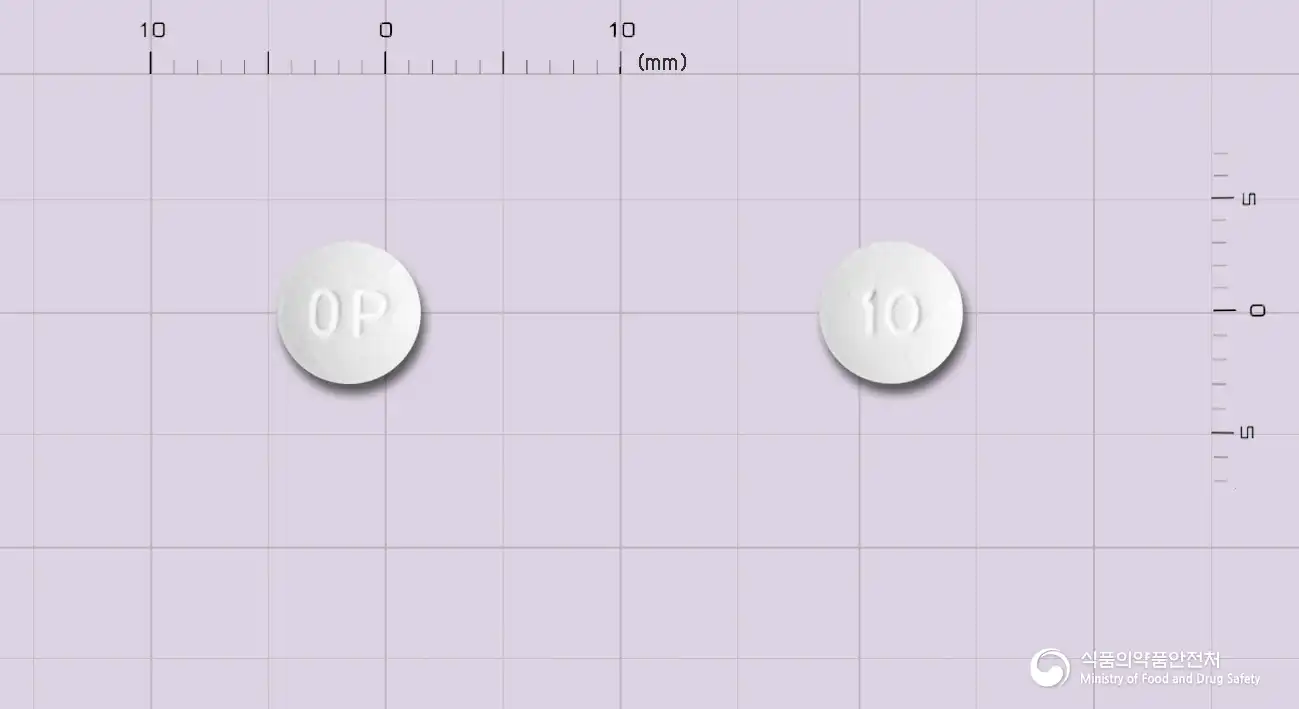
Oxycodone Hydrochloride 10mg
Tablet · Prescription medication
Hanmi Mundipharma Co., Ltd.
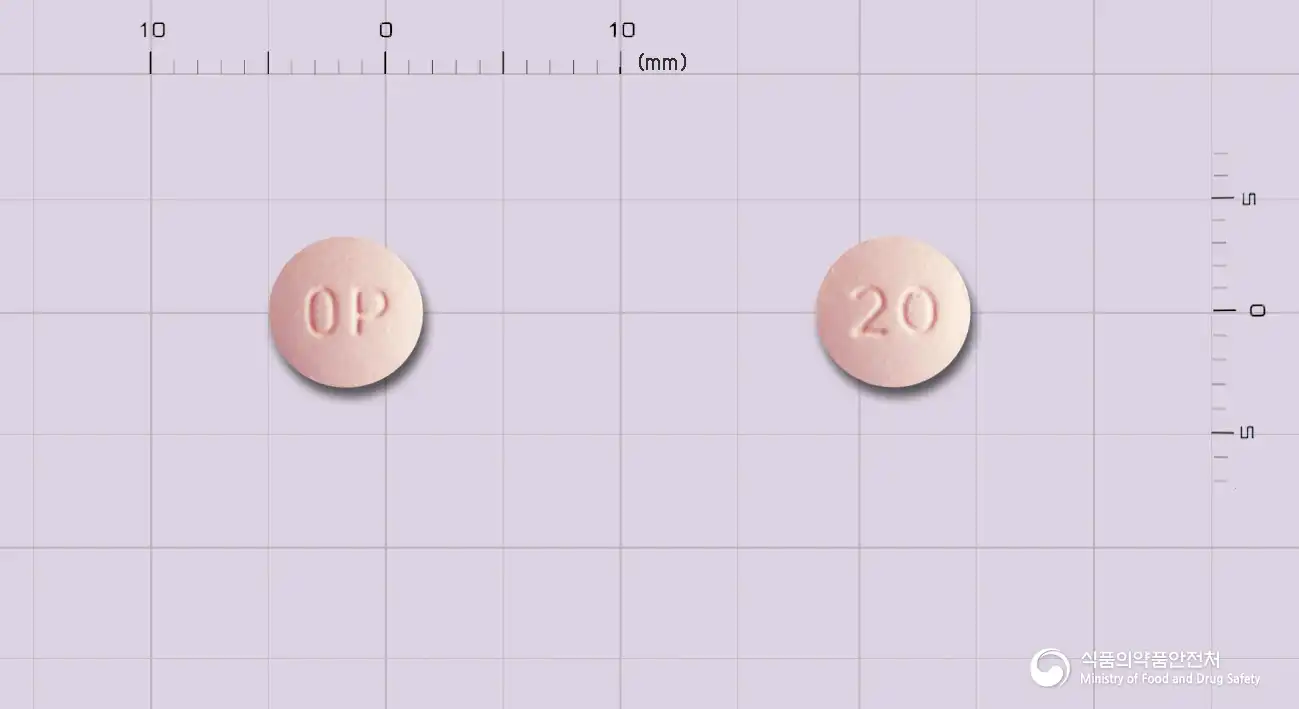
Oxycodone Hydrochloride 20mg
Tablet · Prescription medication
Korea Mundi Pharma Co., Ltd.
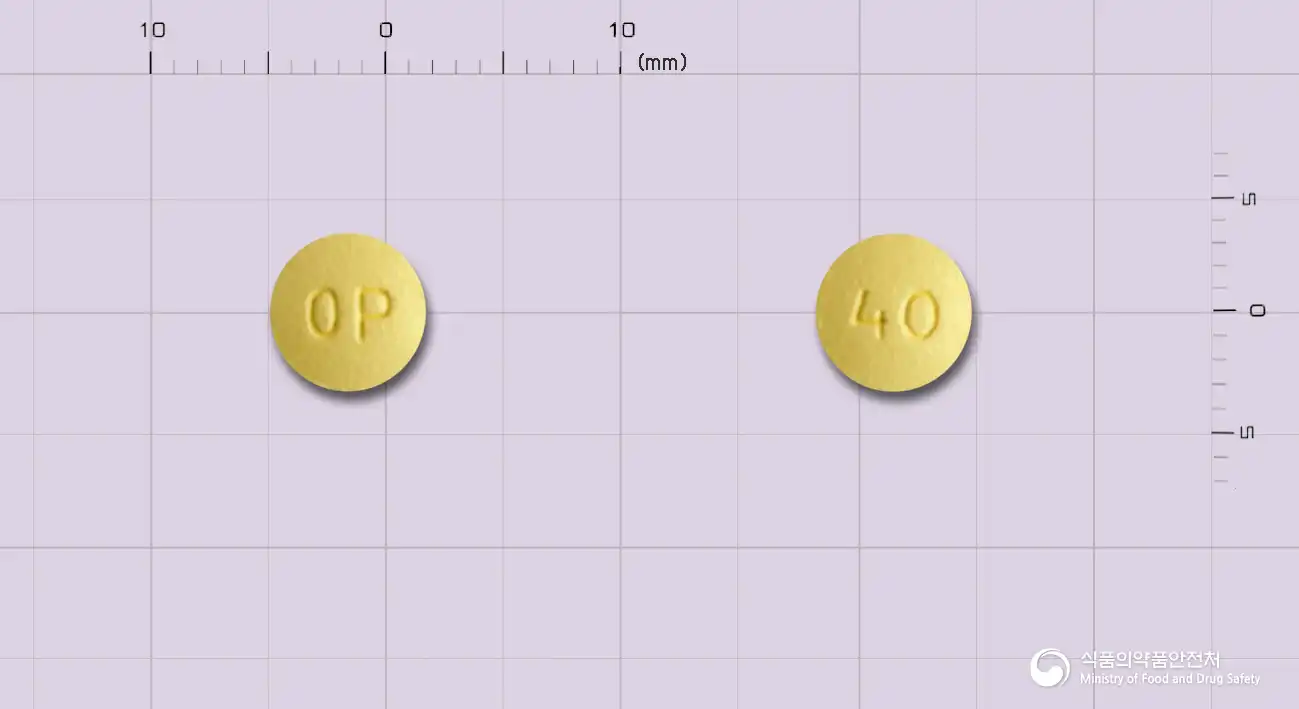
Oxycodone Hydrochloride 40mg
Tablet · Prescription medication
Korea Mundipharma Co., Ltd.
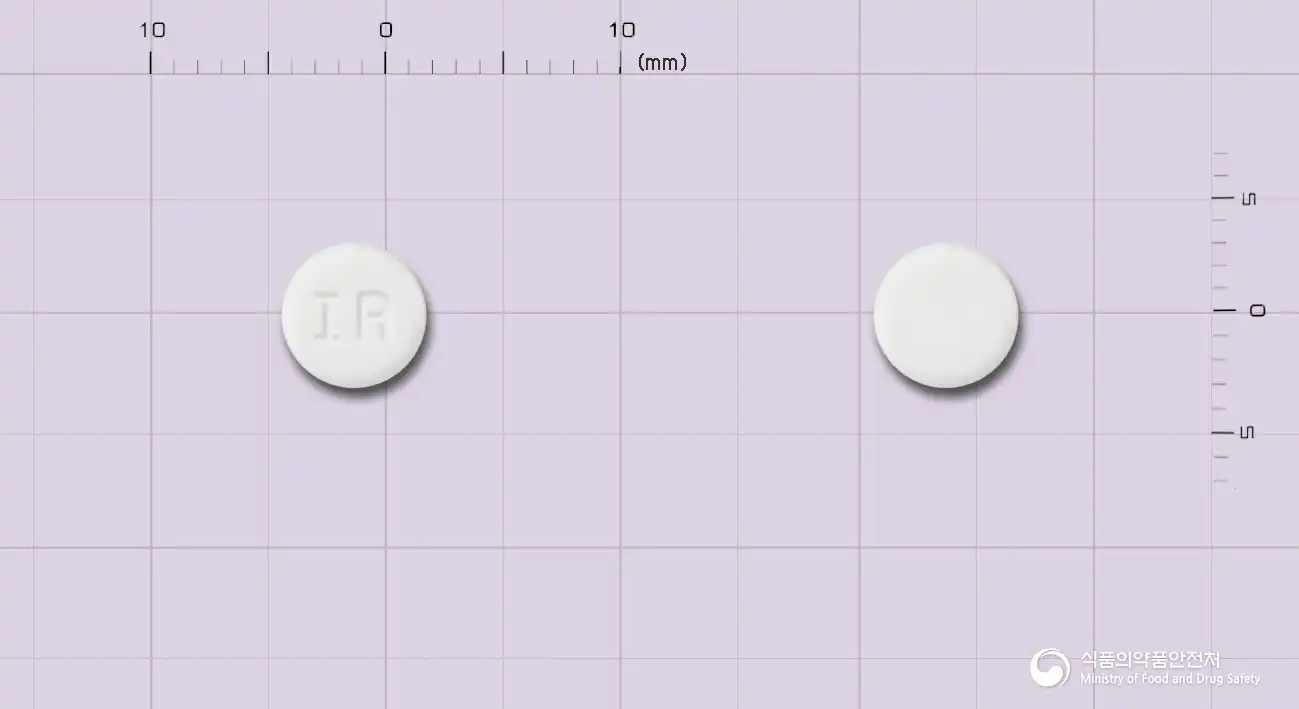
Oxycodone Hydrochloride 5mg
Tablet · Prescription medication
Unimed Pharmaceuticals Co., Ltd.
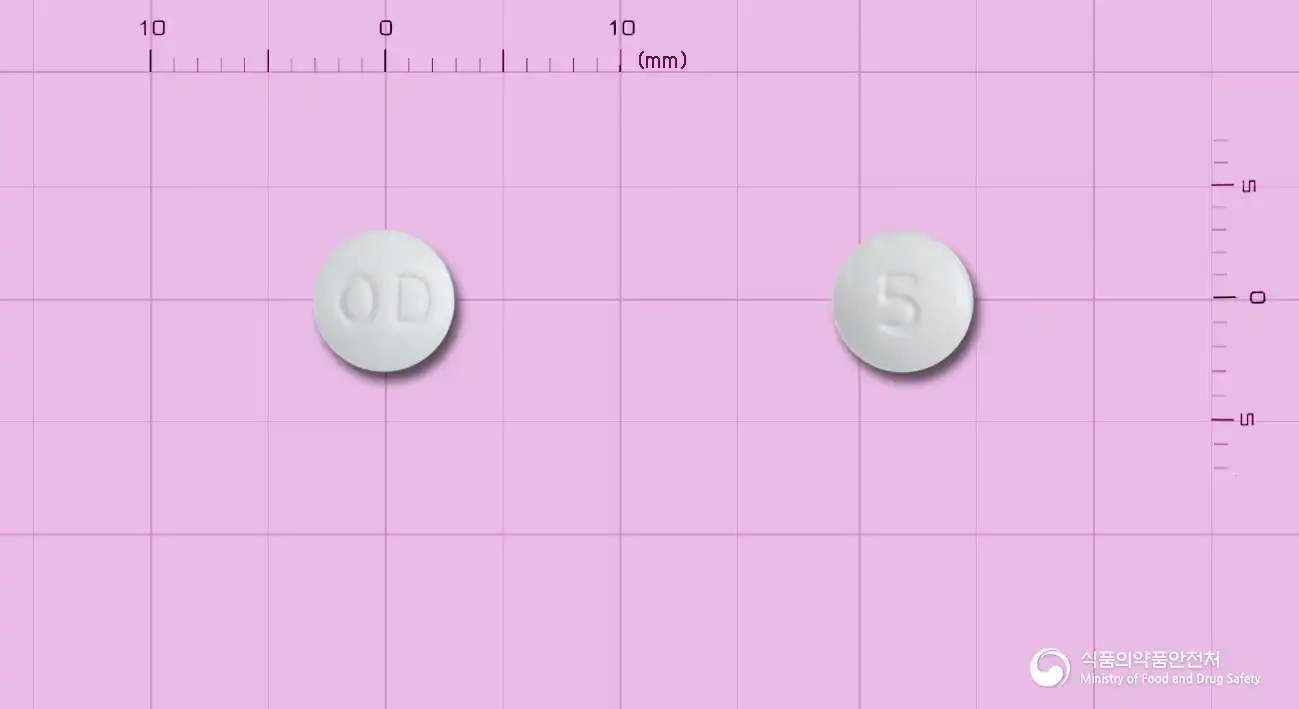
Oxycodone Hydrochloride 5mg
Tablet · Prescription medication
Hana Pharmaceutical Co., Ltd.
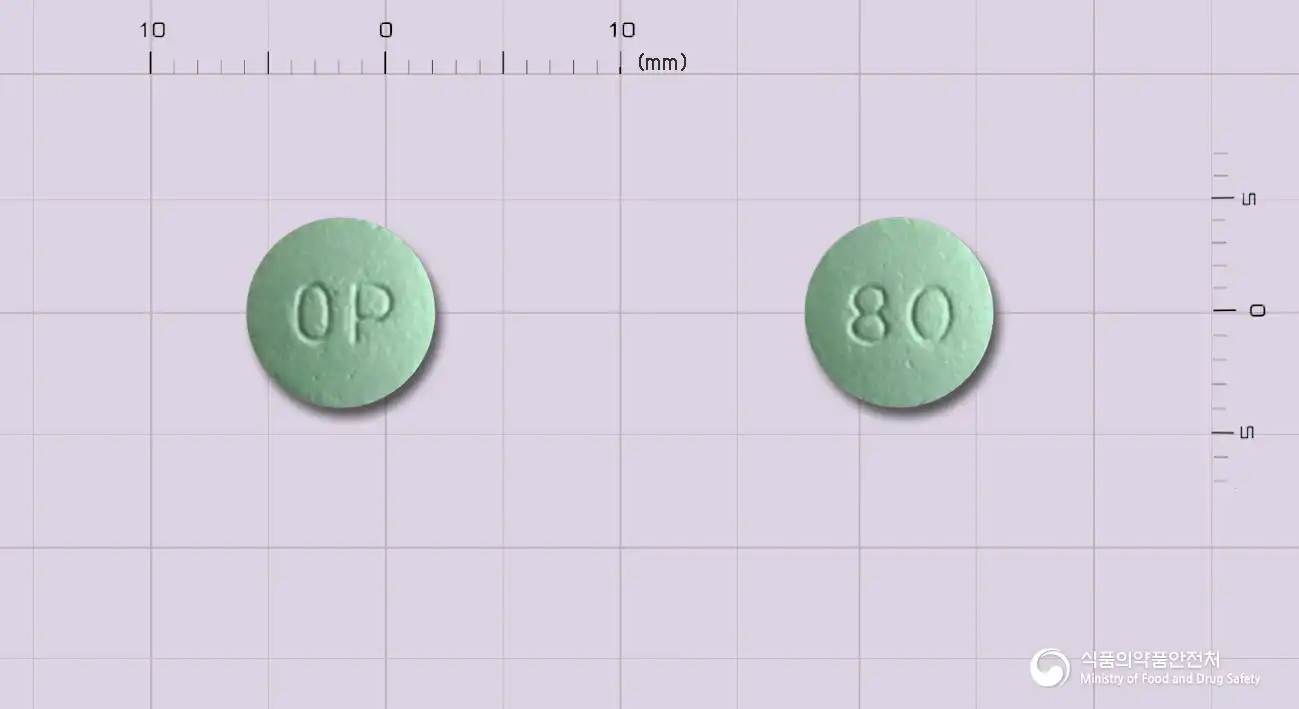
Oxycodone Hydrochloride 80mg
Tablet · Prescription medication
Korea Mundi Pharma Co., Ltd.
Oxycodone Hydrochloride 10mg
Solution · Prescription medication
Korea Mundipharma Co., Ltd.
Even with the same ingredient, the dose and directions can differ by strength and dosage form. Talk to a doctor or pharmacist before switching from a medication you are already taking.
No questions yet.
For anything that needs medical judgment, consult a doctor or pharmacist.
This drug information is based on data provided by the Korea Ministry of Food and Drug Safety.
Consult a doctor or pharmacist for accurate dosage, administration, and usage instructions.