
 한국어
 English
 日本語
 中文(简体)
 Viewing now
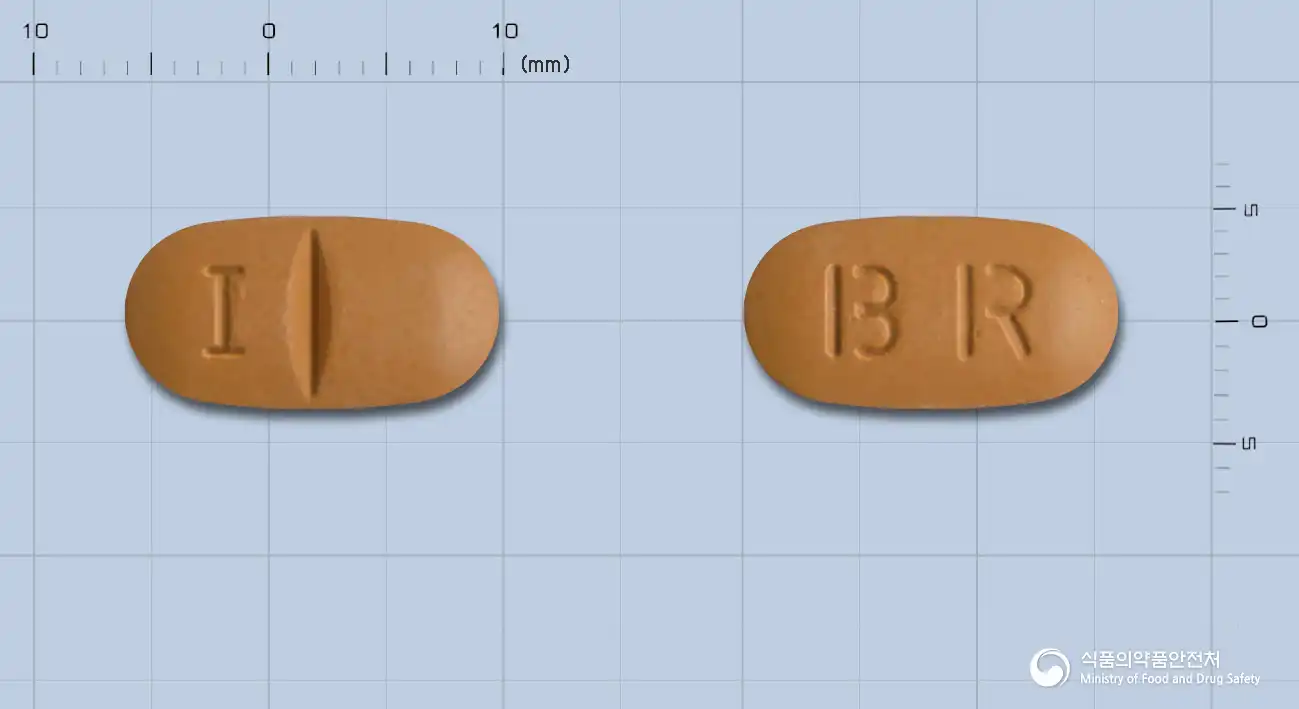
Glima Tablet 400 mg (Imatinib Mesylate)
Imatinib Mesylate 478mg
Tablet · Prescription medication
Boryung Pharmaceutical Co., Ltd.
MFDS item code 201307122 · Approved 2013.04.30 · Insurance code 641906030
Treatment of hematologic diseases (e.g., leukemia) and solid tumors (gastrointestinal stromal tumors and dermatofibrosarcoma protuberans)
This medicine helps improve disease-free survival through overall hematological and cytogenetic responses in patients with chronic myeloid leukemia, specifically those with Philadelphia chromosome-positive chronic phase, accelerated phase, and blast crisis. Additionally, it is used to increase disease-free survival in patients with Kit (CD117) positive gastrointestinal stromal tumors that are unresectable or metastatic, as well as in adjuvant therapy after surgery. Furthermore, it is applicable in the treatment of myelodysplastic syndromes and myeloproliferative disorders with platelet-derived growth factor receptor gene rearrangements, eosinophilia/ chronic eosinophilic leukemia, and unresectable recurrent or metastatic dermatofibrosarcoma to enhance tumor and hematological responses. This medicine is primarily effective in treating these complex hematological and oncological diseases.
1. Adult patients with chronic myeloid leukemia (CML): For Philadelphia chromosome-positive chronic-phase disease, a dose of 400mg once daily is recommended; for accelerated- or blast-phase disease, 600mg once daily is recommended. If there are no severe adverse reactions, an increase from 400mg to 600mg in the chronic phase, and from 600mg to 800mg (400mg twice daily) in the accelerated or blast phase, may be considered. 2. Adult patients with gastrointestinal stromal tumors (GIST): A dose of 400mg per day is recommended. 3. For imatinib-sensitive diseases, the recommended doses are 400mg per day for myelodysplastic/myeloproliferative diseases; 100mg to 400mg per day for hypereosinophilic syndrome/chronic eosinophilic leukemia, with dose escalation possible; and 800mg per day (400mg twice daily) for recurrent or metastatic dermatofibrosarcoma protuberans. 4. Take the dose with a meal and plenty of water. Doses of 400mg or 600mg are taken once daily; the 800mg dose is taken as 400mg twice daily. 5. For elderly patients and patients with hepatic or renal impairment, administer the minimum recommended dose of 400mg per day and adjust according to tolerability. 6. If adverse reactions occur, interrupt treatment and reduce the dose in accordance with the dosage adjustment guidelines, then resume treatment.
1. Pediatric patients with chronic myeloid leukemia (CML): A dose of 340mg/m2 per day based on body surface area is recommended, not exceeding a total daily dose of 600mg. The dose may be given once daily or divided into 2 doses, in the morning and evening. 2. Pediatric patients may also take the dose once daily or in 2 divided doses. 3. If adverse reactions occur, follow the dosage adjustment guidelines, including reducing the dose from 340mg/m2 to 260mg/m2 or 200mg/m2.
This medicine should not be used in certain patients. For example, it should be avoided in individuals allergic to this medicine or any of its components. Additionally, it should not be used by women who are pregnant or may become pregnant, as well as nursing mothers. Caution is needed when administering this medicine to some patients. Specifically, patients with certain diseases such as chronic myeloid leukemia or gastrointestinal stromal tumors should use it under the discretion of a physician. Patients with impaired liver or kidney function and those at risk for heart disease or heart failure should be cautious when using this medicine. In such cases, regular check-ups and monitoring are essential. Particularly, for patients with eosinophilia syndrome who may have heart problems, it is advisable to check the heart condition through echocardiography and blood tests before administration of this medicine. Patients who have undergone thyroid surgery need to frequently check their thyroid hormone levels, as they may experience hypothyroidism. In children before puberty, delayed growth has been reported with the administration of this medicine, so growth status should be continuously monitored. In patients receiving this medicine, a severe side effect known as tumor lysis syndrome may rarely occur, thus correcting dehydration and controlling uric acid levels before administration is recommended. Moreover, in carriers of the hepatitis B virus, there is a risk of reactivation of the virus during the administration of this medicine, so hepatitis testing and consultation with a specialist are necessary before starting treatment. During the use of this medicine, side effects such as neutropenia, thrombocytopenia, anemia, headache, dyspepsia, edema, weight gain, nausea, vomiting, muscle cramps, musculoskeletal pain, diarrhea, rash, fatigue, and abdominal pain may occur frequently. If side effects are severe, dosage adjustments or discontinuation of treatment may be necessary, so any abnormal symptoms should be reported to healthcare professionals immediately. Rare side effects such as hepatotoxicity, acute renal failure, hypophosphatemia, severe respiratory adverse reactions, and growth retardation have also been reported with long-term use of this medicine. Therefore, regular testing and monitoring by healthcare professionals during the medication period are very important.
Not everyone experiences these, and they can vary from person to person.
This medicine should be stored in a tightly closed container to prevent exposure to air or moisture. It is recommended to store it at room temperature between 1 and 30 degrees Celsius. Proper storage will help maintain the effectiveness of the medication.
Oval film-coated tablet, deep yellow to brown in color
30 tablets/box [6 tablets/PTP X 5]
Even with the same ingredient, strength, dosage form and how it is taken can differ.
Viewing nowImatinib Mesylate 478mg
Tablet · Prescription medication
Boryung Pharmaceutical Co., Ltd.
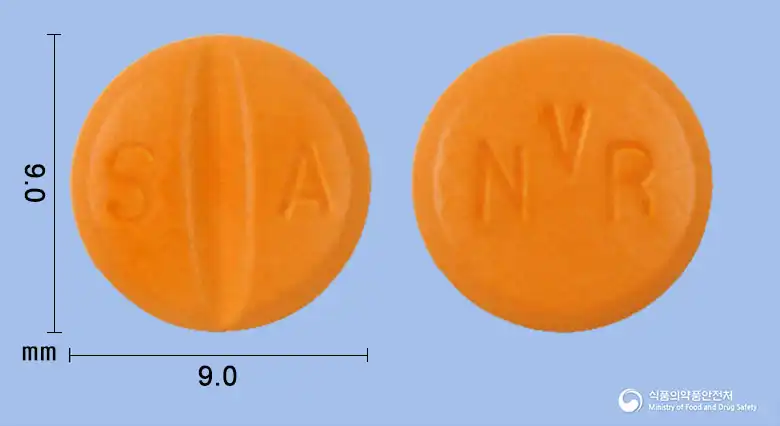
Imatinib Mesylate 119.5mg
Tablet · Prescription medication
Korea Novartis Co., Ltd.
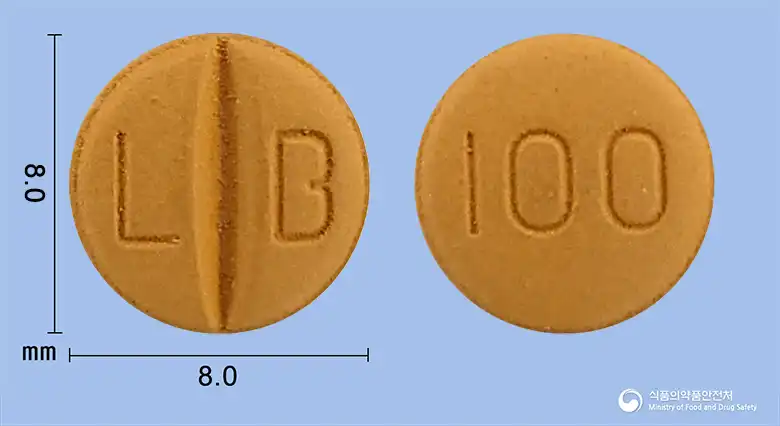
Imatinib Mesylate 119.5mg
Tablet · Prescription medication
Jongkundang Co., Ltd.
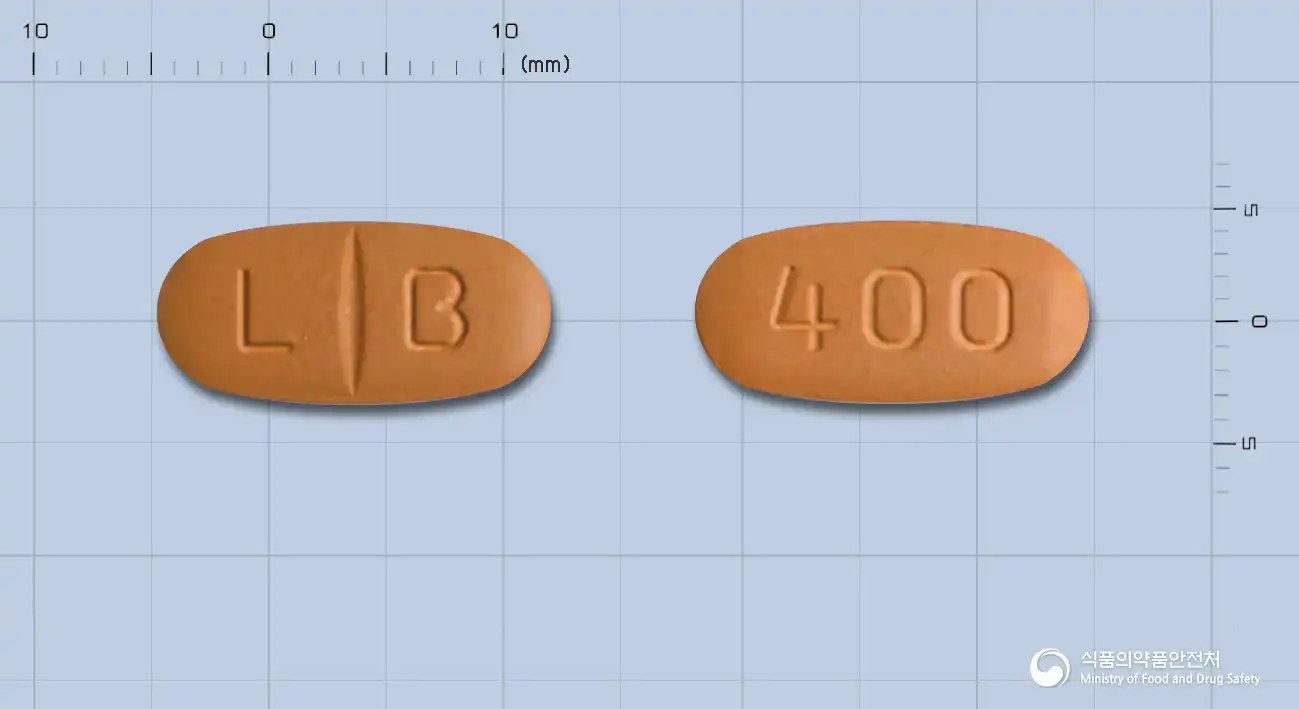
Imatinib Mesylate 478mg
Tablet · Prescription medication
Jongkundang Co., Ltd.
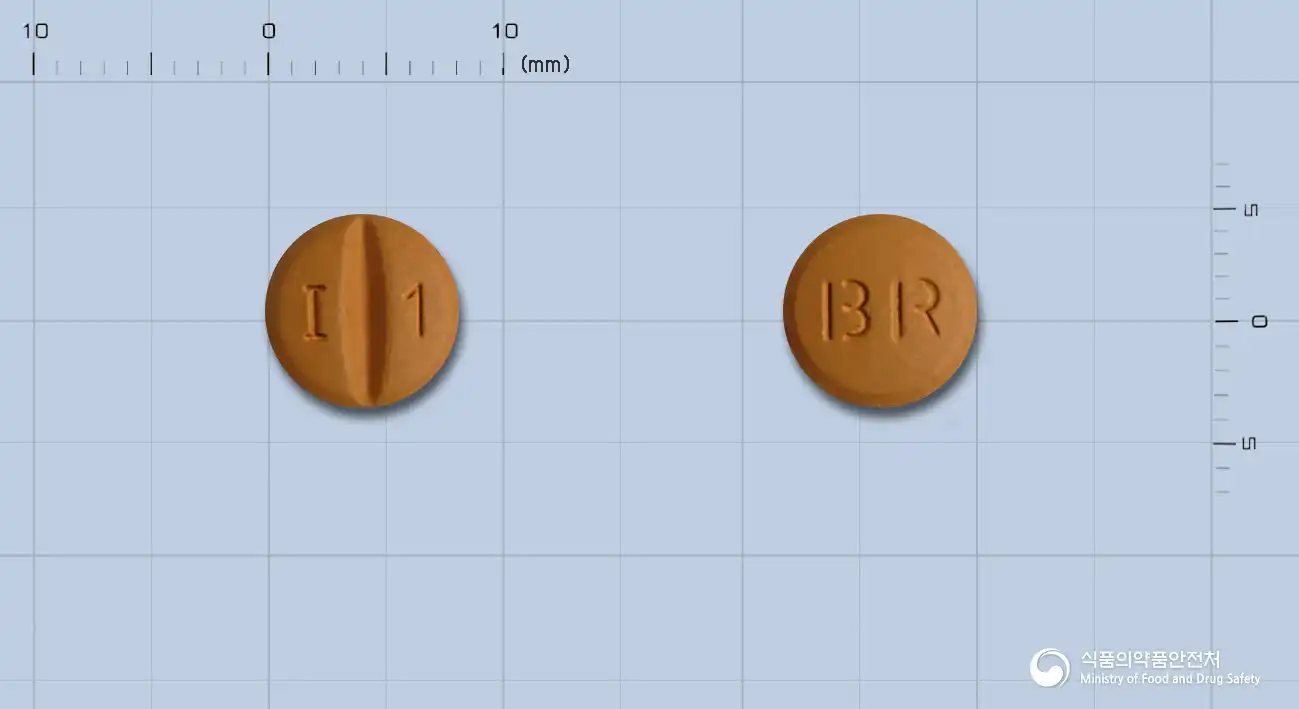
Imatinib Mesylate 119.5mg
Tablet · Prescription medication
Boryung Pharmaceutical Co., Ltd.
Imatinib Mesylate
Prescription medication
IlDong Pharmaceutical Co., Ltd.
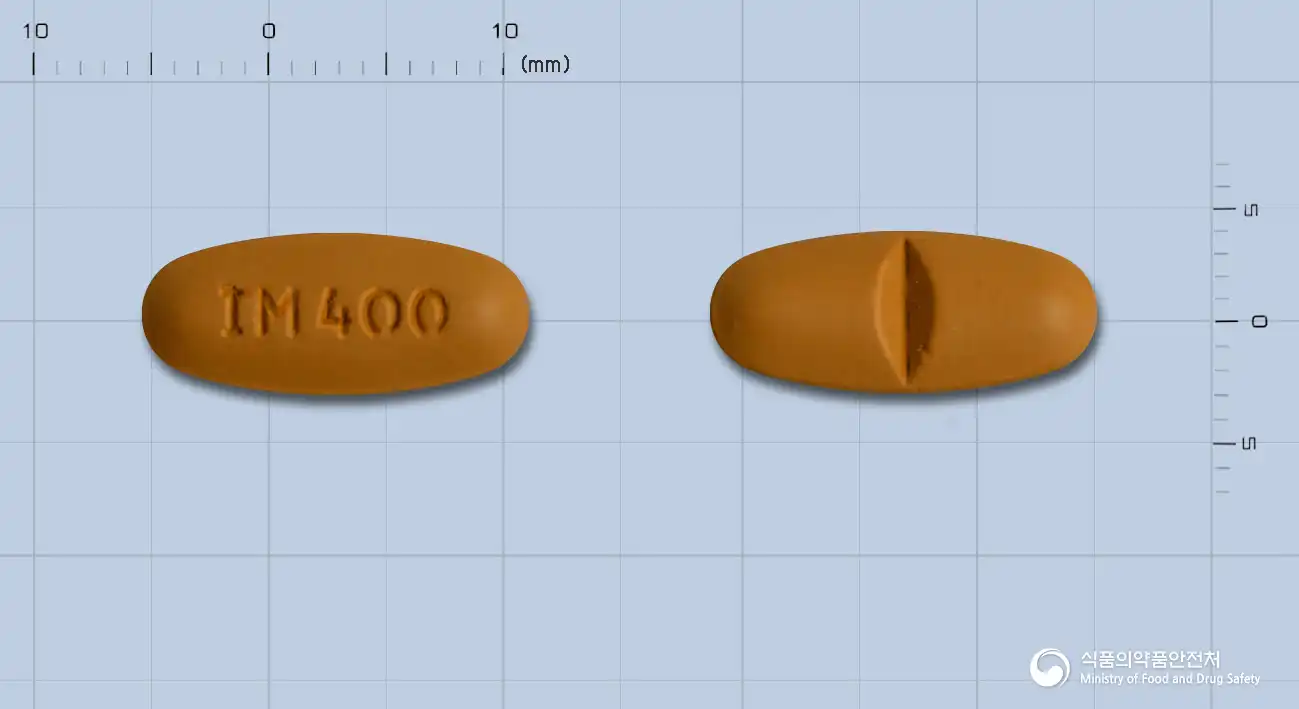
Imatinib Mesylate 478mg
Tablet · Prescription medication
Hanmi Pharmaceutical Co., Ltd.
Imatinib Mesylate
Prescription medication
Il Dong Pharmaceutical Co., Ltd.
Even with the same ingredient, the dose and directions can differ by strength and dosage form. Talk to a doctor or pharmacist before switching from a medication you are already taking.
No questions yet.
For anything that needs medical judgment, consult a doctor or pharmacist.
This drug information is based on data provided by the Korea Ministry of Food and Drug Safety.
Consult a doctor or pharmacist for accurate dosage, administration, and usage instructions.