한국어
 English
 日本語
 中文(简体)
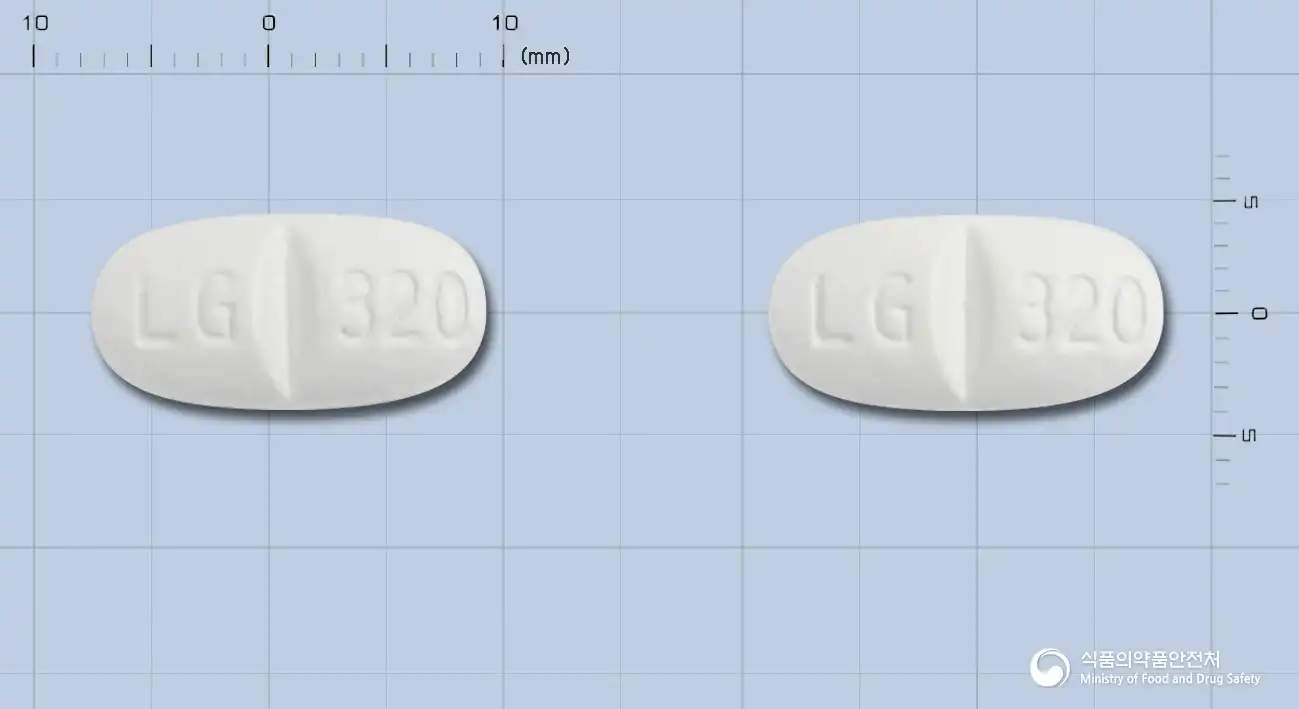
Dosage form image
Viewing nowPactib 200 mg (Gemifloxacin Mesylate)
Gemifloxacin Mesylate 249.4mg
Injections · Prescription medication
LG Chem, Ltd.
MFDS item code 201307117 · Approved 2013.04.29 · Insurance code 668902402
Treatment of respiratory infections (pneumonia and acute exacerbations of chronic bronchitis), sinusitis, and otitis media
This medication is effective against a wide range of bacteria, including Gram-positive bacteria, Gram-negative bacteria, atypical bacteria, and anaerobes. It works against Gram-positive bacteria such as Streptococcus pneumoniae, Staphylococcus aureus, and Enterococcus, as well as Gram-negative bacteria like Haemophilus influenzae, Klebsiella, and Escherichia coli. Furthermore, it is also effective against atypical organisms such as Mycoplasma, Legionella, Chlamydia, and anaerobes such as Clostridium and Prevotella. This drug is used for the acute exacerbation of chronic bronchitis, community-acquired pneumonia, sinusitis, and otitis media. However, since it is a fluoroquinolone, it should only be used when other treatment options are not available due to a higher risk of side effects. This drug is widely used for the treatment of various bacterial infections.
Administer 200 mg intravenously once daily. In general, after intravenous administration for the first few days, the patient may be switched to an oral formulation depending on their condition. Dissolve this drug in at least 50 mL of normal saline or 5% glucose and infuse intravenously over 60 minutes or longer. Acute exacerbation of chronic respiratory disease (chronic bronchitis): Administer once daily for 5 days. Community-acquired pneumonia: Administer once daily for 7 days; for severe pneumonia, treatment may be continued for up to 14 days depending on symptoms. Sinusitis: Administer once daily for 5 to 7 days. Otitis media (excluding preoperative use for chronic cholesteatomatous otitis media and chronic otitis media with spread to bone): Administer once daily for 7 days. No dosage adjustment is necessary for patients with mild or moderate renal impairment (creatinine clearance ≥ 40 mL/min). For patients with severe renal impairment (creatinine clearance < 40 mL/min), patients on hemodialysis, and patients on peritoneal dialysis, reduce the dose by half. Older adults and patients with hepatic impairment: No dosage adjustment is necessary.
This drug is a fluoroquinolone antibiotic, used for treating specific bacterial infections. It can cause serious tendon disorders such as tendonitis or tendon rupture, and usage should be immediately discontinued if such symptoms occur. Caution is required as it may exacerbate peripheral neuropathy, central nervous system abnormalities, and in patients with myasthenia gravis. It is advisable not to use this drug in patients with a history of severe myasthenia gravis. Children or adolescents under 18 years of age, as well as women who are pregnant or nursing, should not take this medication. Elderly patients, those with severe kidney impairment, and patients with heart or electrolyte abnormalities should use this drug with caution. This drug may increase the risk of seizures, so patients with seizure disorders should be particularly careful. The risk of tendon rupture increases when used in combination with corticosteroids; thus, concurrent use is not recommended. Phototoxic reactions can occur rarely, so exposure to strong sunlight or UV light should be avoided. If severe allergic reactions, skin rashes, or respiratory difficulties occur during medication, immediate consultation with healthcare professionals is advised. Adequate hydration is necessary during administration, and it should only be taken for the prescribed duration to prevent drug resistance. This drug should be administered intravenously slowly over at least 60 minutes. Diabetic patients taking glucose-lowering drugs should monitor for fluctuations in blood sugar and report any signs of abnormal blood sugar levels. In case of overdose, there is no specific antidote; symptomatic treatment and adequate hydration are necessary. Store in a tightly closed container protected from light, and it is advisable to use the product as soon as possible after reconstitution.
Tendinitis, tendon rupture, peripheral neuropathy, central nervous system effects, exacerbation of myasthenia gravis, anaphylactic shock, anaphylactoid reaction, tremors, anxiety, photophobia, confusion, hallucinations, obsession, depression, nightmares, insomnia, agitation, excitability, disorientation, attention deficit, memory impairment, seizures, suicidal ideation, suicide, headache, dizziness, drowsiness, pseudomembranous colitis, colitis with bloody stools, Clostridium difficile associated diarrhea, loss of appetite, diarrhea, abdominal pain, nausea, vomiting, constipation, dryness of mouth, stomatitis, colitis, dyspepsia, abdominal fullness, gastritis, hyperglycemia, gastroenteritis, increase in liver enzyme levels, increase in serum bilirubin, elevation of γ-GTP, increase in GGT, rash, urticaria, itching, photosensitivity reaction, disseminated papular eruptions, erythematous skin rash, mucosal epidermal necrolysis, toxic epidermal necrolysis, dermatitis, genital candidiasis, genital pruritus, vaginitis, eczema, arthralgia, increased creatine phosphokinase, myalgia, musculoskeletal pain, low back pain, leg cramps, muscle weakness, thrombocytopenia, thrombocytosis, leukopenia, anemia, eosinophilia, neutropenia, dyspnea, pneumonia, sensory disturbances, decreased perception, perceptual deficits, weakness, injection site pain, injection site rash, injection site erythema, phlebitis, fungal overgrowth, fatigue, taste changes, atrial fibrillation, dizziness, hematuria, weakness, flushing, facial burning, malaise, pharyngitis, vision disturbances, aortic aneurysm, aortic dissection, heart valve regurgitation, heart valve insufficiency, anaphylactoid reaction, erythema multiforme, skin sloughing, facial edema, bleeding, increased INR, retinal hemorrhage, peripheral edema, renal failure, QT prolongation, supraventricular tachycardia, syncope, transient ischemic attack, photosensitivity reaction, antibiotic-associated colitis, postoperative wound infection, asthma, pneumonia, arrhythmia, thrombophlebitis, sleep apnea, epistaxis, hypertension, cough, pneumothorax, apnea, rhinitis, asphyxia, pulmonary disease, fever, tuberculosis infection, increase in C-reactive protein, generalized edema, scarring, dry eyes, hypokalemia, hyperkalemia, postoperative bleeding, unspecified postoperative complications, herpes simplex, herpes zoster, tearing, gastroesophageal reflux, dry mouth, complications from medical devices, injection site soft tissue infection, adrenal insufficiency, abnormal urination, delirium, seizures, hearing loss
Not everyone experiences these, and they can vary from person to person.
This medication should be stored in a tightly closed container protected from light, maintaining a storage temperature between 1°C and 30°C. This helps preserve the efficacy of the medication and prevents deterioration.
A sterile powder for injection that is white to light brown, contained in a brown vial.
(200 mg/vial) x 10
Even with the same ingredient, strength, dosage form and how it is taken can differ.
Even with the same ingredient, the dose and directions can differ by strength and dosage form. Talk to a doctor or pharmacist before switching from a medication you are already taking.
No questions yet.
For anything that needs medical judgment, consult a doctor or pharmacist.
This drug information is based on data provided by the Korea Ministry of Food and Drug Safety.
Consult a doctor or pharmacist for accurate dosage, administration, and usage instructions.