
 한국어
 English
 日本語
 中文(简体)
Dosage form image
Viewing nowUnibone Injection (Ibandronic Acid Sodium Hydrate)
Ibandronate Sodium Monohydrate 3.375mg
Solution · Prescription medication
Unimed Pharmaceutical Co., Ltd.
MFDS item code 201307084 · Notified 2013.04.26 · Insurance code 649506261
Treatment of osteoporosis in postmenopausal women
This medication is used to treat osteoporosis that may occur in postmenopausal women.
Administer 3mg by intravenous injection over 15 - 30 seconds once every 3 months. Patients should take calcium and vitamin D supplements. If a dose is missed on the scheduled dosing date, administer the injection as soon as possible, and thereafter administer regularly at 3-month intervals. Patients with hepatic impairment No dosage adjustment is necessary. Patients with renal impairment No dosage adjustment is necessary for patients with mild or moderate renal impairment whose serum creatinine is ≤ 200 µmol/L(2.3mg/dL) or whose creatinine clearance is ≥ 30ml/min. Administration of this drug is not recommended for patients whose serum creatinine is greater than 200 µmol/L(2.3mg/dL) or whose creatinine clearance is less than 30ml/min, because clinical experience is insufficient. Older adults No dosage adjustment is necessary.
Efficacy and safety have not been studied in children 18 years of age or younger.
This drug must be administered only intravenously, and must be used with extreme caution as improper administration into the artery or around the vein can cause damage to surrounding tissues. It should not be used in patients who are allergic to this drug or its components, or in those with untreated hypocalcemia. During treatment, gastrointestinal-related symptoms such as gastritis, diarrhea, abdominal pain, indigestion, nausea, and constipation may occur, as well as musculoskeletal symptoms like myalgia or arthralgia. Some patients may experience flu-like symptoms, headaches, rashes, fatigue, and other systemic and skin abnormal reactions. In rare cases, severe allergic reactions such as anaphylaxis, skin disorders, eye inflammation, and osteonecrosis of the jaw or external ear canal may occur, so any unusual symptoms should be reported to a physician immediately. This medication can temporarily lower serum calcium levels; thus, hypocalcemia and bone and mineral metabolism disorders must be treated prior to administration, and it is important to have adequate intake of calcium and vitamin D. Before and during dental treatments, it is advisable to consult a specialist to reduce the risk of osteonecrosis of the jaw and to avoid dental surgery if possible. If pain in the thigh or groin is experienced, the possibility of atypical fractures should be suspected and evaluated immediately, and the drug's usage should be reconsidered if such symptoms occur. Pregnant or nursing women are advised not to use this medication as its safety has not been established. This drug is metabolized in the liver and is primarily excreted by the kidneys, thus caution should be observed in patients with impaired kidney function. In cases of overdose, renal and hepatic function should be closely monitored, and if electrolyte abnormalities such as hypocalcemia appear, appropriate treatment should be provided. This medication should not be mixed with calcium-containing solutions or other intravenous drugs and should be injected with saline or glucose solution. After use, needles and syringes should not be reused and must be disposed of safely, kept out of the reach of children.
Gastritis, diarrhea, abdominal pain, indigestion, nausea, constipation, musculoskeletal pain, joint pain, muscle pain, influenza-like illness, fatigue, headache, rash, bone pain, weakness, injection site reaction, phlebitis, thrombophlebitis, hypersensitivity reaction, angioedema, facial swelling, edema, urticaria, uveitis, episcleritis, scleritis, anaphylactic reaction, shock, exacerbation of asthma, Stevens-Johnson syndrome, erythema multiforme, vesicular dermatitis, atypical subtrochanteric fracture, intertrochanteric femoral fracture, osteonecrosis of the external auditory canal, osteonecrosis of the jaw, acute renal failure, sensory loss
Not everyone experiences these, and they can vary from person to person.
This drug should be stored in a sealed container to prevent exposure to air and at a temperature between 1 degree and 30 degrees Celsius. Proper storage will maintain the drug's efficacy and prevent deterioration.
Colorless transparent solution filled in prefilled syringe with a single-use needle attached.
3 milliliters/prefilled syringe X 1
Even with the same ingredient, strength, dosage form and how it is taken can differ.
Ibandronate Sodium Monohydrate 3.375mg
Solution · Prescription medication
Unimed Pharmaceutical Co., Ltd.
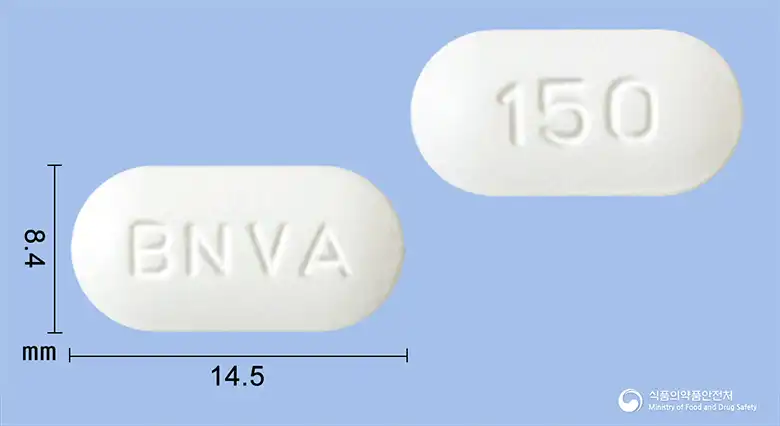
Ibandronate Sodium Monohydrate 168.75mg
Tablet · Prescription medication
Jeil Pharmaceutical Co., Ltd.
Ibandronate Sodium Monohydrate 3.375mg
Solution · Prescription medication
Jeil Pharmaceutical Co., Ltd.
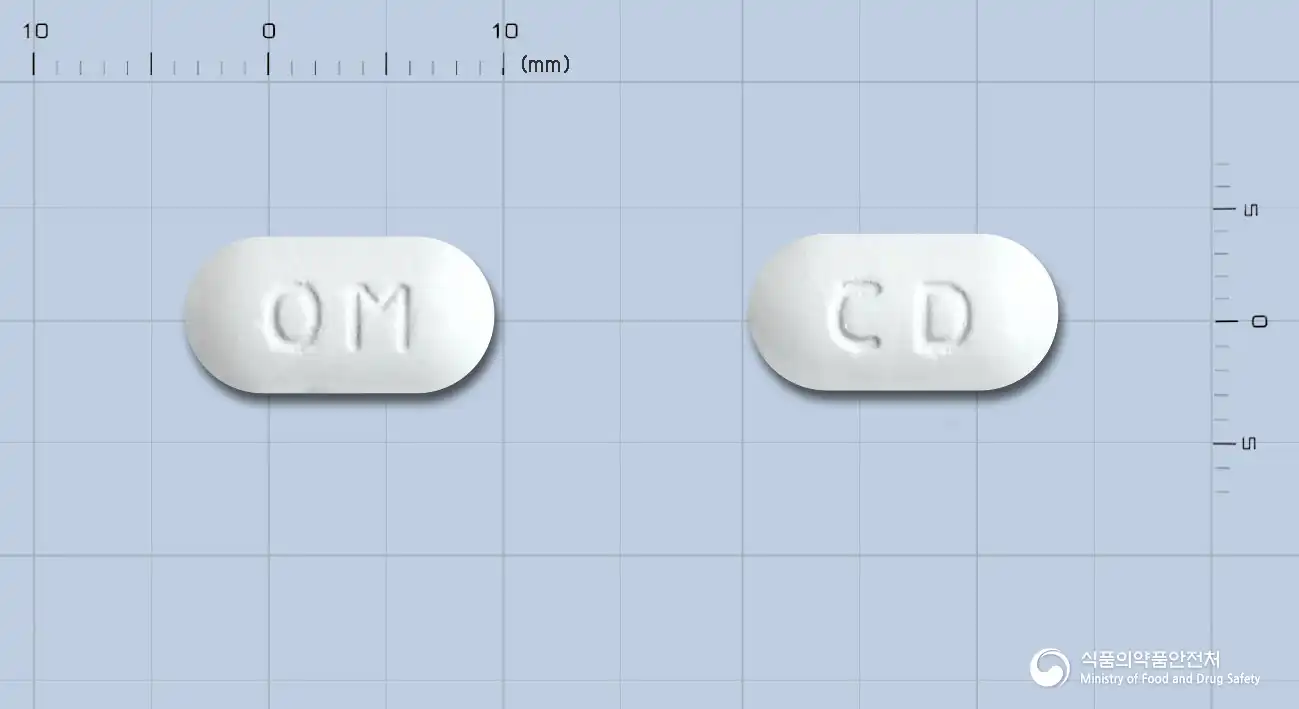
Ibandronate Sodium Monohydrate 168.75mg
Tablet · Prescription medication
Chodang Pharmaceutical Co., Ltd.
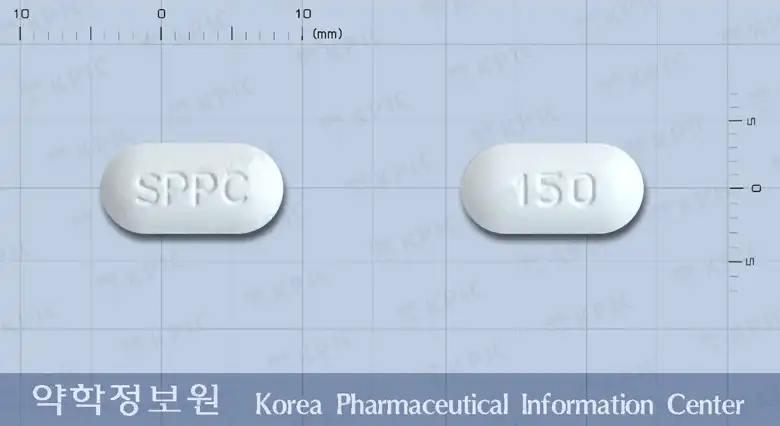
Ibandronate Sodium Monohydrate 168.75mg
Tablet · Prescription medication
Shinpoong Pharmaceutical Co., Ltd.
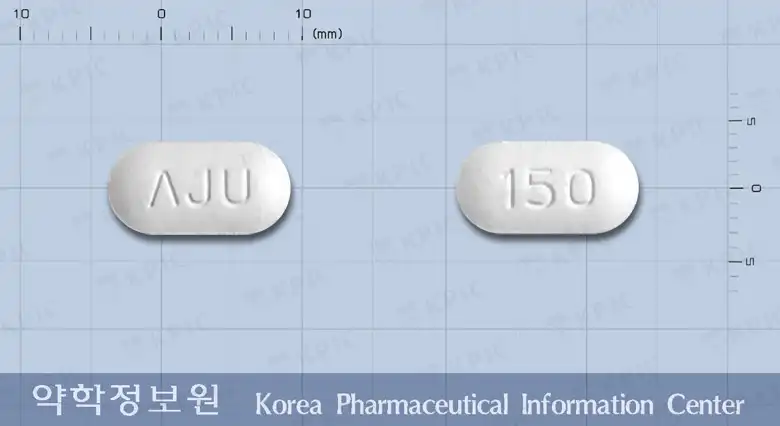
Ibandronate Sodium Monohydrate 168.75mg
Tablet · Prescription medication
Ajou Pharmaceutical Co., Ltd.
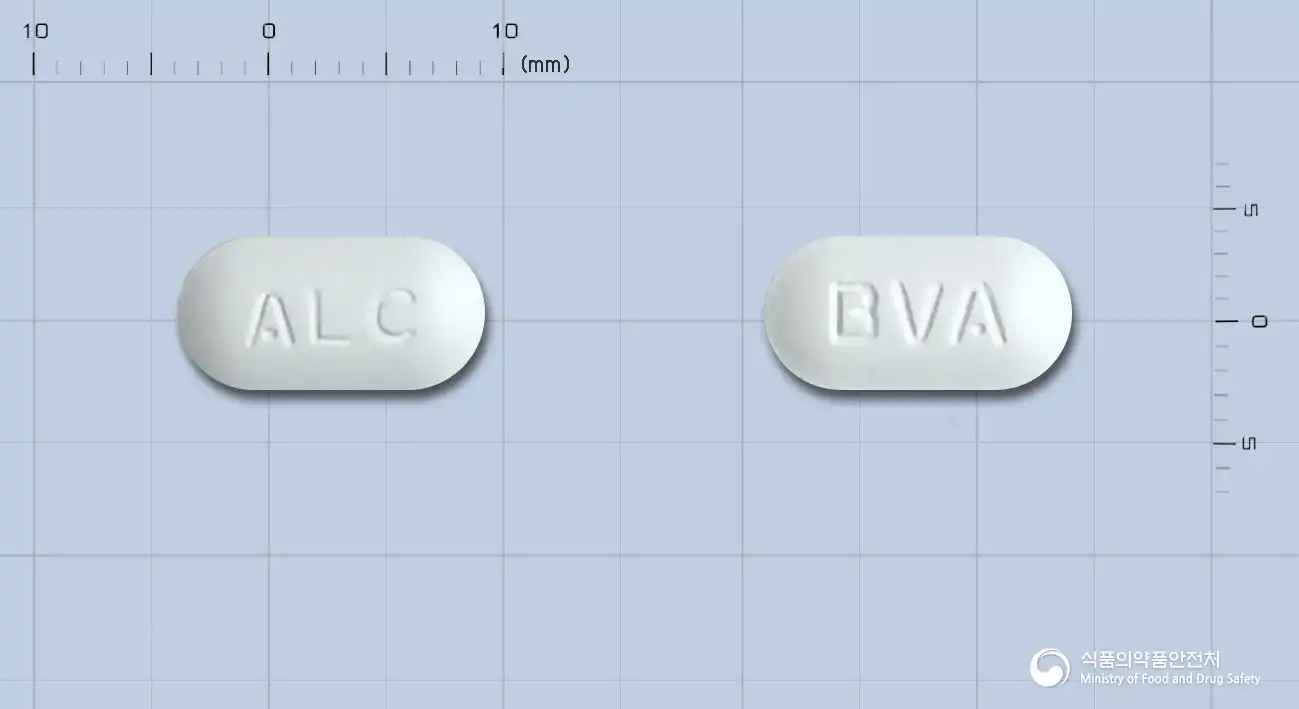
Ibandronate Sodium Monohydrate 168.75mg
Tablet · Prescription medication
Aliko Pharmaceutical Co., Ltd.
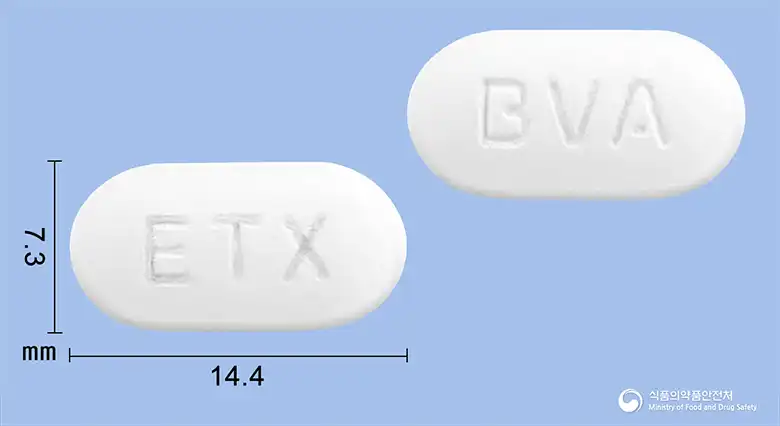
Ibandronate Sodium Monohydrate 168.75mg
Tablet · Prescription medication
Teragen Etex Co., Ltd.
Even with the same ingredient, the dose and directions can differ by strength and dosage form. Talk to a doctor or pharmacist before switching from a medication you are already taking.
No questions yet.
For anything that needs medical judgment, consult a doctor or pharmacist.
This drug information is based on data provided by the Korea Ministry of Food and Drug Safety.
Consult a doctor or pharmacist for accurate dosage, administration, and usage instructions.