
 한국어
 English
 日本語
 中文(简体)
 Viewing now
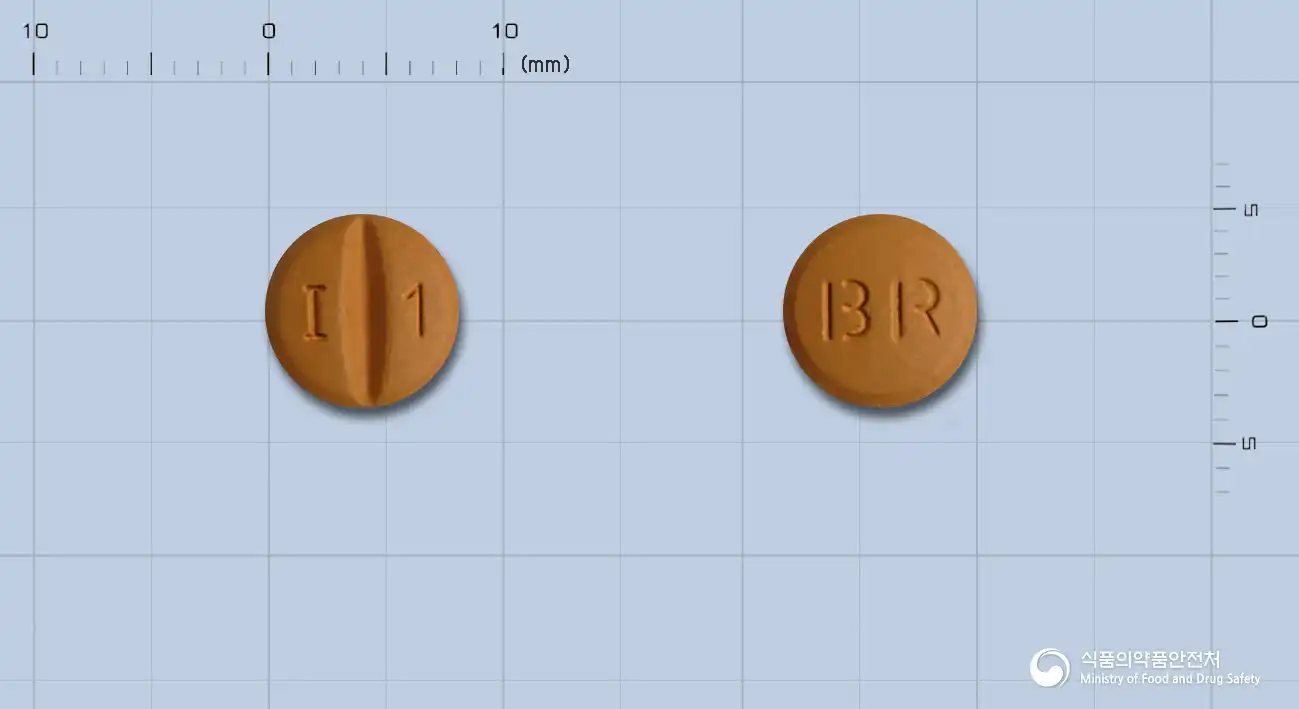
Glima Tablet 100 Milligrams (Imatinib Mesylate)
Imatinib Mesylate 119.5mg
Tablet · Prescription medication
Boryung Pharmaceutical Co., Ltd.
MFDS item code 201306345 · Approved 2013.03.21 · Insurance code 641906020
Treatment of chronic myeloid leukemia, gastrointestinal stromal tumors, and certain kinase-related diseases
This medication helps to increase hematologic and cytogenetic responses in patients with chronic myeloid leukemia and delays disease progression. Additionally, it is used to improve the disease-free survival rate in patients with gastrointestinal stromal tumors where the Kit protein is positive, especially in situations where surgery is not possible or there is a high risk of recurrence. Moreover, it is effective for certain hematological diseases with platelet-derived growth factor receptor (PDGFR) gene rearrangements or for the treatment of hypereosinophilia syndrome confirmed with FIP1L1-PDGFRα rearrangements. This medication provides new therapeutic options for patients who have failed existing treatments and helps to alleviate disease symptoms, contributing to an improvement in the patient's quality of life. However, due to limited experience with certain rare diseases, consultation with a specialist is necessary. Overall, it is used for the treatment of chronic myeloid leukemia, gastrointestinal stromal tumors, certain blood disorders, and dermatofibrosarcoma.
For adult patients with chronic myeloid leukemia (CML), a dose of 400mg to 600mg once daily is recommended. The recommended dose is 400mg for patients with Philadelphia chromosome-positive chronic-phase disease and 600mg for patients in the accelerated or blast phase. If necessary, the dose may be increased from 400mg to 600mg or from 600mg to 800mg (400mg twice daily). For adult patients with gastrointestinal stromal tumors (GIST), a dose of 400mg daily is recommended. The dose is 400mg daily for myelodysplastic/myeloproliferative diseases; for hypereosinophilic syndrome/chronic eosinophilic leukemia, the dose may be increased from 100mg to 400mg daily. For recurrent or metastatic dermatofibrosarcoma protuberans, take 800mg daily (400mg twice daily). Take with a meal and plenty of water. Take 400mg or 600mg once daily, and 800mg twice daily. Patients who cannot swallow the film-coated tablets may take them suspended in water or apple juice. Continue treatment until disease progression or unacceptable toxicity occurs. In patients with hepatic or renal impairment, start with at least 400mg daily and adjust the dose as needed. No special dose adjustment is required for elderly patients. If nonhematologic or hematologic adverse reactions occur, reduce the dose appropriately or interrupt treatment, then resume treatment.
For pediatric patients with chronic myeloid leukemia, a dose of 340mg/m2 per day based on body surface area is recommended; the total daily dose should not exceed 600mg. The dose may be administered once daily or divided into two doses, in the morning and evening. For dose adjustment, the dose may be reduced from 340mg/m2 to 260mg/m2 or 200mg/m2 depending on nonhematologic or hematologic adverse reactions. If the film-coated tablets cannot be swallowed, take them suspended in water or apple juice.
This medication should not be used in patients with hypersensitivity to this drug or any of its components. Women who are pregnant or may become pregnant should not take this medication. Nursing mothers are also advised not to take this medication. Caution should be exercised when administering this medication to patients with impaired liver or kidney function, and regular monitoring is necessary. Patients with a history of heart disease or heart failure and renal failure should closely monitor heart function while taking this medication. Cardiac-related adverse reactions have rarely been reported in patients with hypereosinophilia syndrome; therefore, pre-treatment cardiac function testing is recommended, and steroid therapy may be considered as necessary. Patients taking levothyroxine after thyroid surgery should regularly check their thyroid function. In pediatric patients before puberty, this medication may cause growth retardation, so careful monitoring of growth status is necessary. Tumor lysis syndrome may occur, so it is recommended to correct any dehydration and treat elevated uric acid levels before administration. Patients who are carriers of the hepatitis B virus must test for infection before administration and closely monitor liver function and viral activity during treatment. During administration of this medication, side effects such as neutropenia, thrombocytopenia, anemia, headaches, dyspepsia, edema, weight gain, nausea, vomiting, muscle cramps, diarrhea, rashes, fatigue, and abdominal pain may frequently occur. If adverse reactions are severe, dose adjustment may be needed, and in rare cases, discontinuation of the medication may be necessary. It is important to periodically check patients' conditions and the occurrence of side effects during long-term use of this medication.
Not everyone experiences these, and they can vary from person to person.
This medication is sensitive to air and moisture; therefore, it should be stored in a tightly sealed container. Additionally, it should be kept at room temperature between 1 to 30 degrees Celsius, avoiding overly hot or cold conditions.
Dense yellow to brown round film-coated tablet
60 tablets (10 tablets/PTP X 6)
Even with the same ingredient, strength, dosage form and how it is taken can differ.
Viewing nowImatinib Mesylate 119.5mg
Tablet · Prescription medication
Boryung Pharmaceutical Co., Ltd.
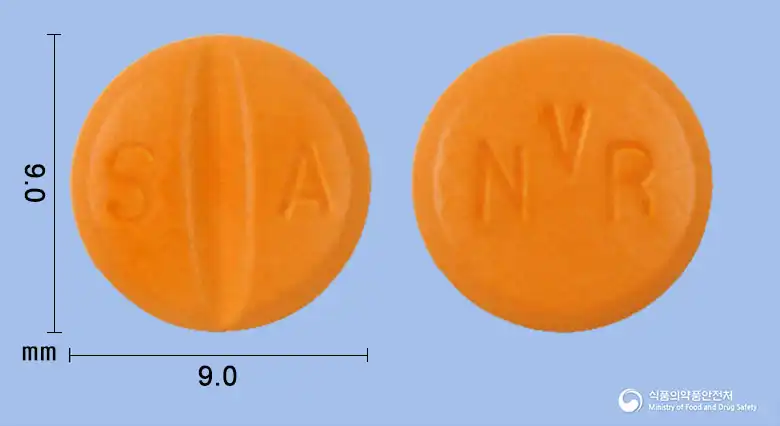
Imatinib Mesylate 119.5mg
Tablet · Prescription medication
Korea Novartis Co., Ltd.
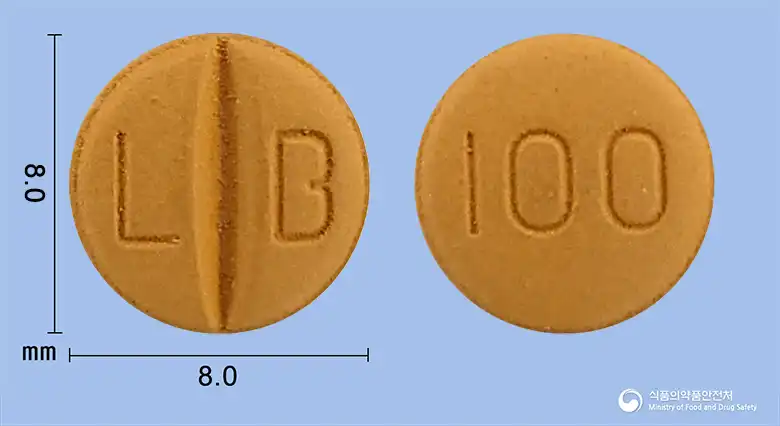
Imatinib Mesylate 119.5mg
Tablet · Prescription medication
Jongkundang Co., Ltd.
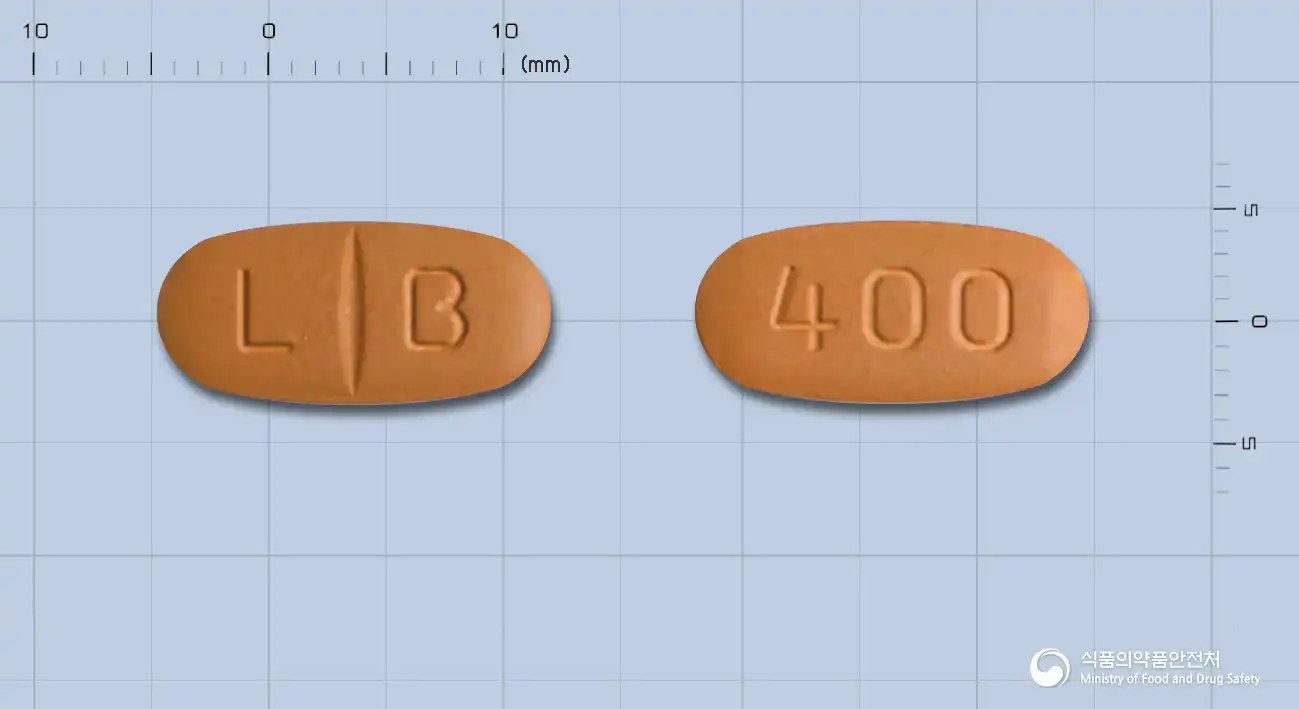
Imatinib Mesylate 478mg
Tablet · Prescription medication
Jongkundang Co., Ltd.
Imatinib Mesylate
Prescription medication
IlDong Pharmaceutical Co., Ltd.
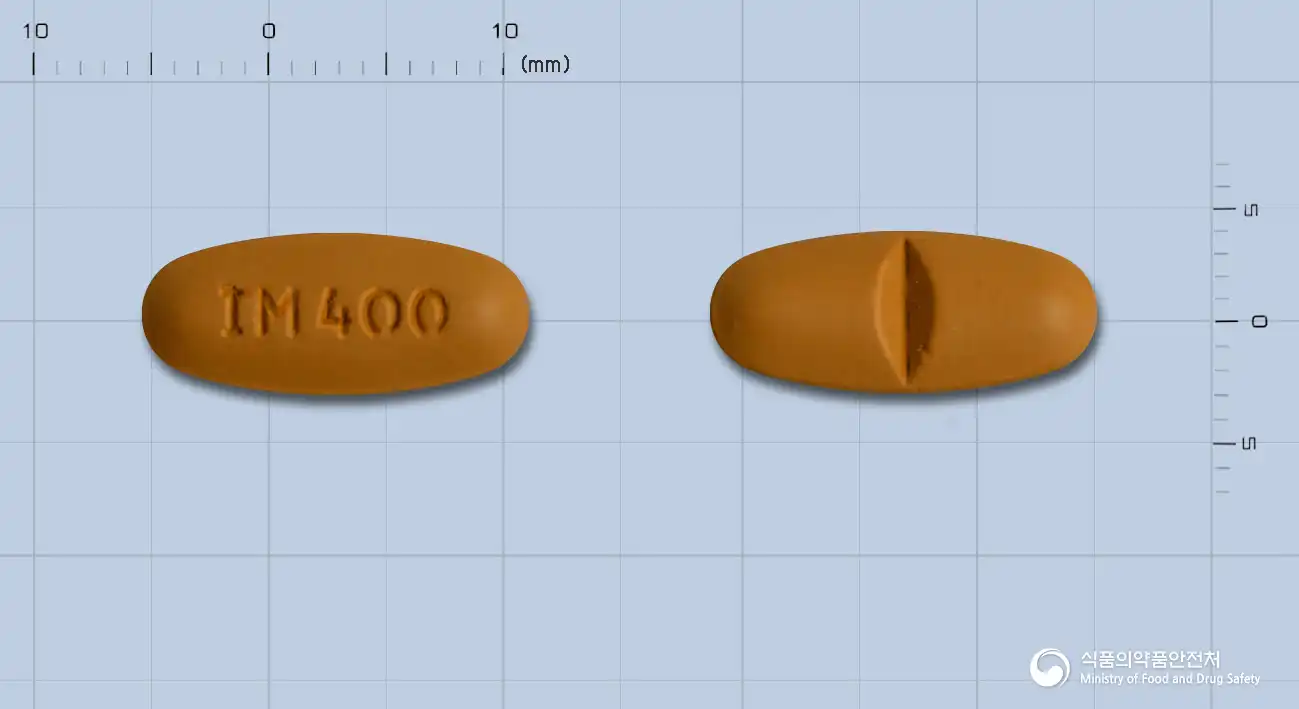
Imatinib Mesylate 478mg
Tablet · Prescription medication
Hanmi Pharmaceutical Co., Ltd.
Imatinib Mesylate
Prescription medication
Il Dong Pharmaceutical Co., Ltd.
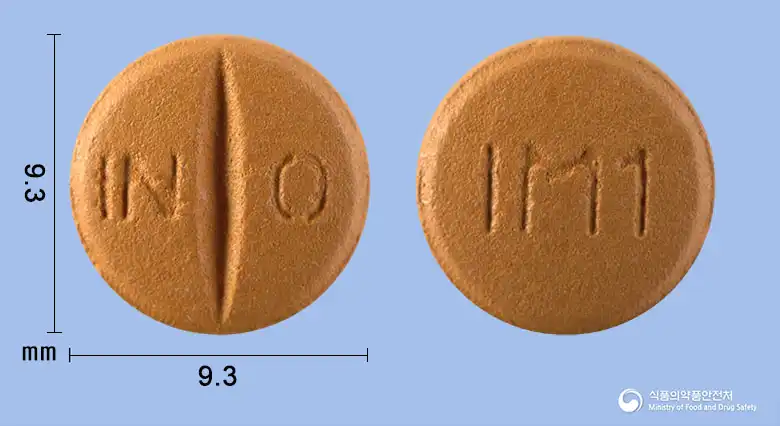
Imatinib Mesylate 119.5mg
Tablet · Prescription medication
HK inno.N Co., Ltd.
Even with the same ingredient, the dose and directions can differ by strength and dosage form. Talk to a doctor or pharmacist before switching from a medication you are already taking.
No questions yet.
For anything that needs medical judgment, consult a doctor or pharmacist.
This drug information is based on data provided by the Korea Ministry of Food and Drug Safety.
Consult a doctor or pharmacist for accurate dosage, administration, and usage instructions.