
 한국어
 English
 日本語
 中文(简体)
 Viewing now
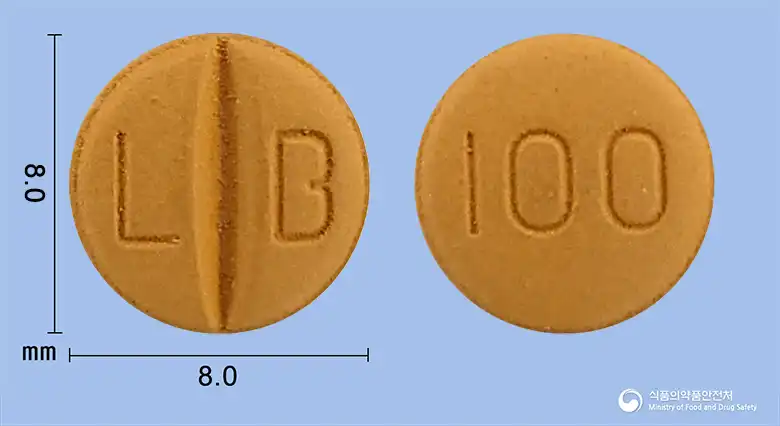
Rukibec Film-Coated Tablet 100 mg (Imatinib Mesylate)
Imatinib Mesylate 119.5mg
Tablet · Prescription medication
Jongkundang Co., Ltd.
MFDS item code 201306262 · Approved 2013.03.18 · Insurance code 643306580
Treatment of gastrointestinal stromal tumors, chronic myeloid leukemia, and diseases associated with susceptible kinases
This drug is effective in improving hematological and cytogenetic responses in patients with chronic myeloid leukemia and slowing disease progression. Additionally, it is used in the treatment of patients with unresectable or metastatic Kit-positive gastrointestinal stromal tumors and aids in increasing the recurrence-free survival rate in postoperative adjuvant therapy. Furthermore, this drug provides a new treatment option for patients with myelodysplastic syndromes, hypereosinophilia, chronic eosinophilic leukemia, and dermatofibrosarcoma protuberans with confirmed specific gene rearrangements. It is used to improve hematological, cytogenetic response rates, and tumor response rates in these diseases. It is highly recommended as a drug that produces appropriate therapeutic effects for patients.
1. Chronic myeloid leukemia (CML) 1) Adults - A dose of 400mg once daily is recommended for adult patients with Philadelphia chromosome-positive chronic-phase chronic myeloid leukemia. - A dose of 600mg once daily is recommended for adult patients with Philadelphia chromosome-positive accelerated-phase or blast-phase chronic myeloid leukemia. 3) In the absence of severe adverse reactions and severe leukemia-unrelated neutropenia or thrombocytopenia, an increase from 400mg to 600mg in adult patients with chronic-phase disease, or from 600mg to 800mg (400mg twice daily) in adult patients with accelerated-phase or blast-phase disease, may be considered in the following cases: (1) Disease progression (at any time) (2) Failure to achieve a satisfactory hematologic response after at least 3 months of treatment (3) Failure to achieve a cytogenetic response after 6-12 months of treatment (4) Loss of a previously achieved hematologic or cytogenetic response 2. Gastrointestinal stromal tumors (GIST) - A dose of 400mg daily is recommended for adult patients with Kit (CD 117)-positive, unresectable and/or metastatic malignant gastrointestinal stromal tumors (GIST). - A dose of 400mg daily is recommended for adult patients receiving this drug as adjuvant therapy after resection of Kit (CD 117)-positive gastrointestinal stromal tumors. The optimal duration of administration of this drug as adjuvant therapy has not been established. In a clinical trial comparing administration of this drug for 1 year and 3 years in patients at high risk of GIST recurrence, a treatment duration of 3 years was recommended. 3. The following diseases associated with tyrosine kinases sensitive to imatinib, for which prior treatment or therapy has failed or for which there is no clinical treatment method with a clear benefit: - Myelodysplastic syndromes/myeloproliferative diseases: A dose of 400mg daily is recommended. - Hypereosinophilic syndrome/chronic eosinophilic leukemia: A dose of 100mg daily is recommended. The dose may be increased to 400mg daily. - Recurrent or metastatic dermatofibrosarcoma protuberans: 800mg daily (400mg twice daily) 4. Other 1) To minimize the risk of gastrointestinal irritation, take the prescribed dose with a meal and plenty of water. The 400mg or 600mg dose is taken once daily, and the 800mg dose is taken as 400mg twice daily. 3) For patients unable to swallow film-coated tablets, the tablets may be suspended in water or apple juice. Add the required number of tablets to an appropriate amount of beverage and stir (approximately 50mL of liquid for a 100mg tablet). The suspension of fully disintegrated tablets should be taken immediately. 4) Treatment should continue until there is evidence of disease progression or unacceptable toxicity. 5) Because the incidence of adverse reactions may increase at higher doses, patients whose dose is increased should be monitored closely. 6) This drug is metabolized primarily in the liver. The minimum recommended dose for patients with mild, moderate, or severe hepatic impairment is 400mg daily. The dose may be reduced if the patient does not tolerate it. * Classification of hepatic impairment Liver function tests Mild Total bilirubin: = 1.5 ULN AST: > ULN (may be normal or below ULN if total bilirubin is greater than ULN) Moderate Total bilirubin: > 1.5-3.0 ULN AST: No relation Severe Total bilirubin: > 3-10 ULN AST: No relation - ULN: upper limit of normal - AST: aspartate aminotransferase 7) Renal excretion of this drug and its metabolites is minimal. The minimum recommended dose for patients with renal impairment or receiving hemodialysis is 400mg daily as the starting dose. However, caution is required when administering this drug to patients with renal impairment. If the patient does not tolerate it, the dose may be reduced; if the patient tolerates it but efficacy is insufficient, the dose may be increased. 8) No specific pharmacokinetic studies of this drug have been conducted in elderly patients; however, no significant age-related pharmacokinetic differences were found in approximately 20% of patients aged 65 years or older who participated in clinical trials. There is no specific recommended dose for elderly patients. 5. Dose adjustment 1) In the event of nonhematologic adverse reactions If a severe nonhematologic adverse reaction occurs with this drug, interrupt treatment until the symptoms resolve. Then restart treatment as appropriate according to the initial severity of the adverse reaction. If bilirubin levels rise to more than 3 times the institutional upper limit of normal (IULN), or liver transaminases rise to more than 5 times the institutional upper limit of normal (IULN), treatment should be interrupted until bilirubin levels are no more than 1.5 times the institutional upper limit of normal (IULN) and transaminases are below 2.5 times the institutional upper limit of normal (IULN). Treatment may then be continued at a reduced daily dose. The adult dose should be reduced from 400mg to 300mg, from 600mg to 400mg, or from 800mg to 600mg, 2) In the event of hematologic adverse reactions Dose reduction or interruption of treatment for severe neutropenia and thrombocytopenia is recommended as shown in the table below. Table 1. Dose adjustment for neutropenia and thrombocytopenia Hypereosinophilic syndrome and chronic eosinophilic leukemia (initial dose 100mg) ANC < 1.0 × 10⁹/L and/or platelets < 50 × 109/L 1. Interrupt treatment with this drug until ANC ≥ 1.5 × 10⁹/L and platelet count ≥ 75 × 109/L. 2. Resume treatment with this drug at the previous dose (the dose before the severe adverse reaction occurred). Chronic-phase chronic myeloid leukemia, myelodysplastic syndromes/myeloproliferative disease, gastrointestinal stromal tumors (initial dose 400mg) Hypereosinophilic syndrome/chronic eosinophilic leukemia (dose 400mg) ANC < 1.0 × 10⁹/L and/or platelets < 50 × 109/L 1. Interrupt treatment with this drug until ANC ≥ 1.5 × 10⁹/L and platelet count ≥ 75 × 109/L. 2. Resume treatment with this drug at the original starting dose of 400mg. 3. If ANC < 1.0 × 10⁹/L and/or platelet count falls again to < 50 × 109/L, repeat step 1 and resume treatment at the reduced dose of 300mg. Accelerated-phase or blast-phase chronic myeloid leukemia (initial dose 600mg) ANC < 0.5 × 10⁹/L and/or platelets < 10 × 109/L 1. Determine whether the cytopenia is related to leukemia (bone marrow aspiration or biopsy). 2. If the cytopenia is not related to leukemia, reduce the dose of this drug to 400mg. 3. If the cytopenia persists for 2 weeks, reduce the dose further to 300mg. 4. If the cytopenia persists for 4 weeks and is still unrelated to leukemia, interrupt treatment with this drug until ANC ≥ 1 × 10⁹/L and platelet count ≥ 20 × 109/L, then resume treatment at a dose of 300mg. Dermatofibrosarcoma protuberans (initial dose 800mg) ANC < 1.0 × 10⁹/L and/or platelets < 50 × 109/L 1. Interrupt treatment with this drug until ANC ≥ 1.5 × 10⁹/L and platelet count ≥ 75 × 109/L. 2. Resume treatment with this drug at 600mg. 3. If ANC < 1.0 × 10⁹/L and/or platelet count falls again to < 50 × 109/L, repeat step 1 and resume treatment at the reduced dose of 400mg. ANC = absolute neutrophil count 1) Occurring after at least 1 month of treatment
1. Chronic myeloid leukemia (CML) 2) Pediatric patients - For pediatric patients with Philadelphia chromosome-positive chronic-phase, accelerated-phase, or blast-phase chronic myeloid leukemia, a dose of 340mg/m2 per day based on body surface area is recommended (the total daily dose should not exceed 600mg). It may be administered once daily or in 2 divided doses, in the morning and evening. 4. Other 2) In pediatric patients, this medication may be taken once daily or, optionally, as the daily dose divided into 2 doses in the morning and evening. 5. Dose adjustment 1) In the event of nonhematologic adverse reactions If bilirubin levels rise to more than 3 times the institutional upper limit of normal (IULN), or hepatic transaminase levels rise to more than 5 times the IULN, treatment should be interrupted until bilirubin levels are no higher than 1.5 times the IULN and transaminase levels are below 2.5 times the IULN. Treatment may then be continued at a reduced daily dose. The pediatric dose should be reduced from 340mg/m2 to 260mg/m2, or from 260mg/m2 to 200mg/m2. 2) In the event of hematologic adverse reactions Pediatric chronic-phase chronic myeloid leukemia (Starting dose 340mg/m2) ANC < 1.0 × 10⁹/L and/or platelets < 50 × 109/L 1. Interrupt treatment with this medication until ANC ≥ 1.5 × 10⁹/L and platelet count ≥ 75 × 109/L. 2. Resume treatment at the previous dose (before the severe adverse reaction occurred). 3. If ANC falls again to < 1.0 × 10⁹/L and/or platelet count falls again to < 50 × 109/L, repeat step 1 and resume treatment at the reduced dose of 260mg/m2. Pediatric accelerated-phase or blast-phase chronic myeloid leukemia (Starting dose 340mg/m2) 1) ANC < 0.5 × 10⁹/L and/or platelets < 10 × 109/L 1. Determine whether the cytopenia is related to leukemia (bone marrow aspiration or biopsy). 2. If the cytopenia is not related to leukemia, reduce the dose of this medication to 260mg/m2. 3. If the cytopenia persists for 2 weeks, reduce the dose further to 200mg/m2. 4. If the cytopenia persists for 4 weeks and is still unrelated to leukemia, discontinue this medication until ANC ≥ 1 × 10⁹/L and platelet count ≥ 20 × 109/L, then resume treatment at a dose of 200mg/m2.
This drug should not be used in patients who have had allergic reactions to this drug or other ingredients. Women who are pregnant or may become pregnant should not take this drug, and breastfeeding women are also advised against taking it. Patients newly diagnosed with specific types of chronic myeloid leukemia and certain gastrointestinal stromal tumor patients should use this drug with caution. Patients with impaired liver or kidney function need to be particularly careful when taking this drug. Patients with a history of heart disease, heart failure, or kidney failure should closely monitor their heart and kidney status while taking this drug, and if any abnormal symptoms occur, immediate diagnosis and treatment are required. In patients with hypereosinophilia, cardiac shock or left ventricular dysfunction may rarely occur after administration of this drug, so caution is advised. Patients who have had thyroidectomy and are taking thyroid hormone supplements should regularly check their thyroid function. Growth retardation has been reported in pediatric patients before puberty, so the growth of pediatric patients should be continually monitored. Correcting dehydration and treating elevated uric acid levels before this drug administration can help prevent tumor lysis syndrome. Patients who are carriers of hepatitis B must undergo hepatitis B testing before taking this drug and must closely monitor their liver status during treatment and consult a hepatitis specialist as needed. While taking this drug, side effects such as neutropenia, thrombocytopenia, anemia, headache, dyspepsia, edema, weight gain, nausea, vomiting, muscle cramps, musculoskeletal pain, diarrhea, rash, fatigue, abdominal pain, hypophosphatemia, and growth delay may frequently occur. If severe side effects occur, dosage adjustments or discontinuation may be necessary, so patients should consult healthcare providers immediately if abnormal symptoms occur.
Not everyone experiences these, and they can vary from person to person.
This drug is sensitive to air and moisture, so it must be stored in a tightly sealed container. Store at room temperature, maintaining a temperature between 1 degree to 30 degrees. Proper storage can help maintain the efficacy of the drug for a long time.
Dark yellow to brown, round film-coated tablets
60 tablets (10 tablets/PTP × 6)
Even with the same ingredient, strength, dosage form and how it is taken can differ.
Viewing nowImatinib Mesylate 119.5mg
Tablet · Prescription medication
Jongkundang Co., Ltd.
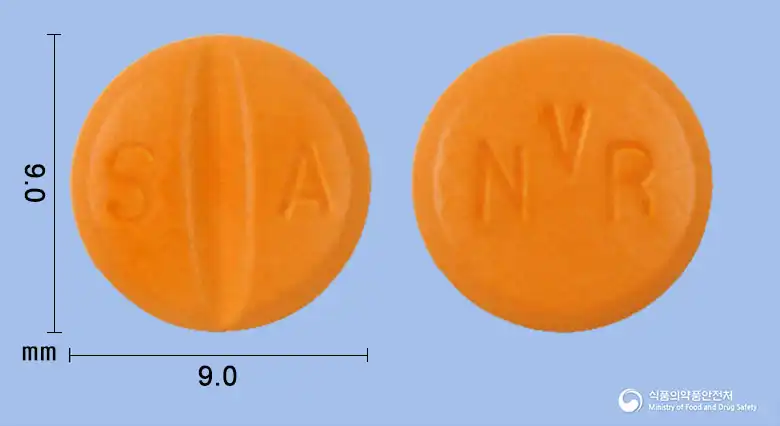
Imatinib Mesylate 119.5mg
Tablet · Prescription medication
Korea Novartis Co., Ltd.
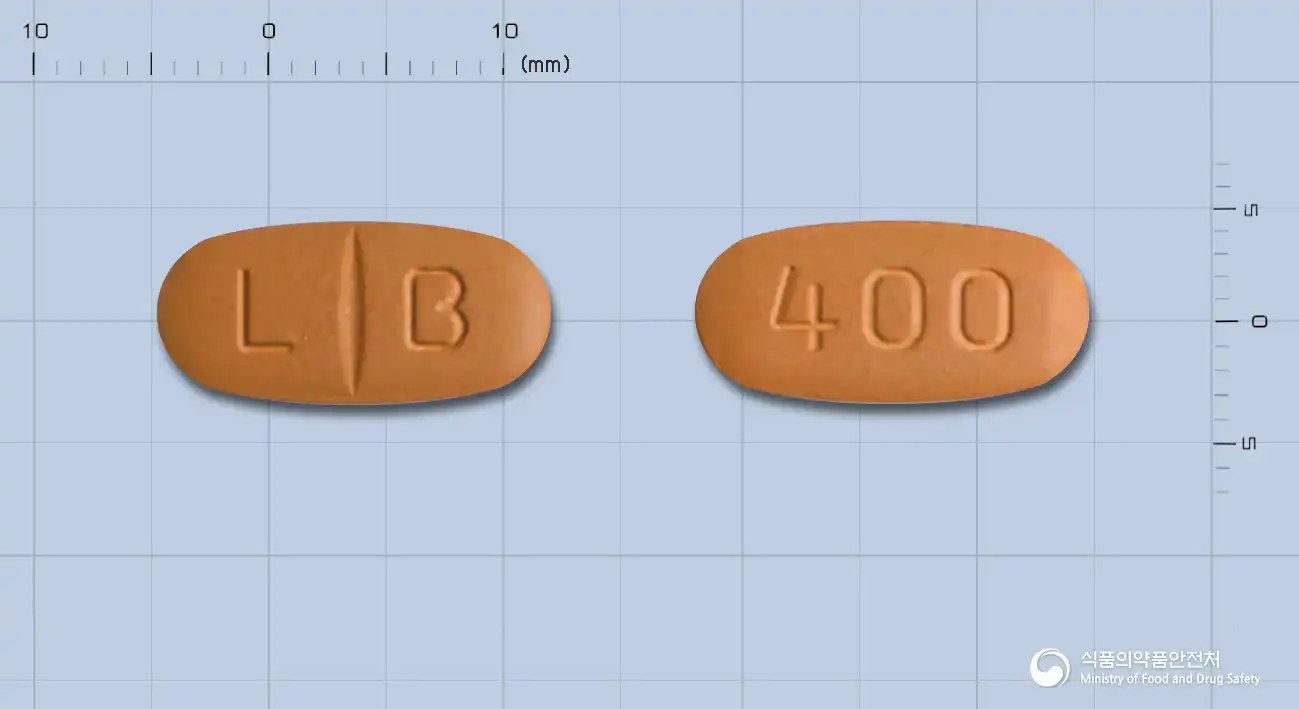
Imatinib Mesylate 478mg
Tablet · Prescription medication
Jongkundang Co., Ltd.
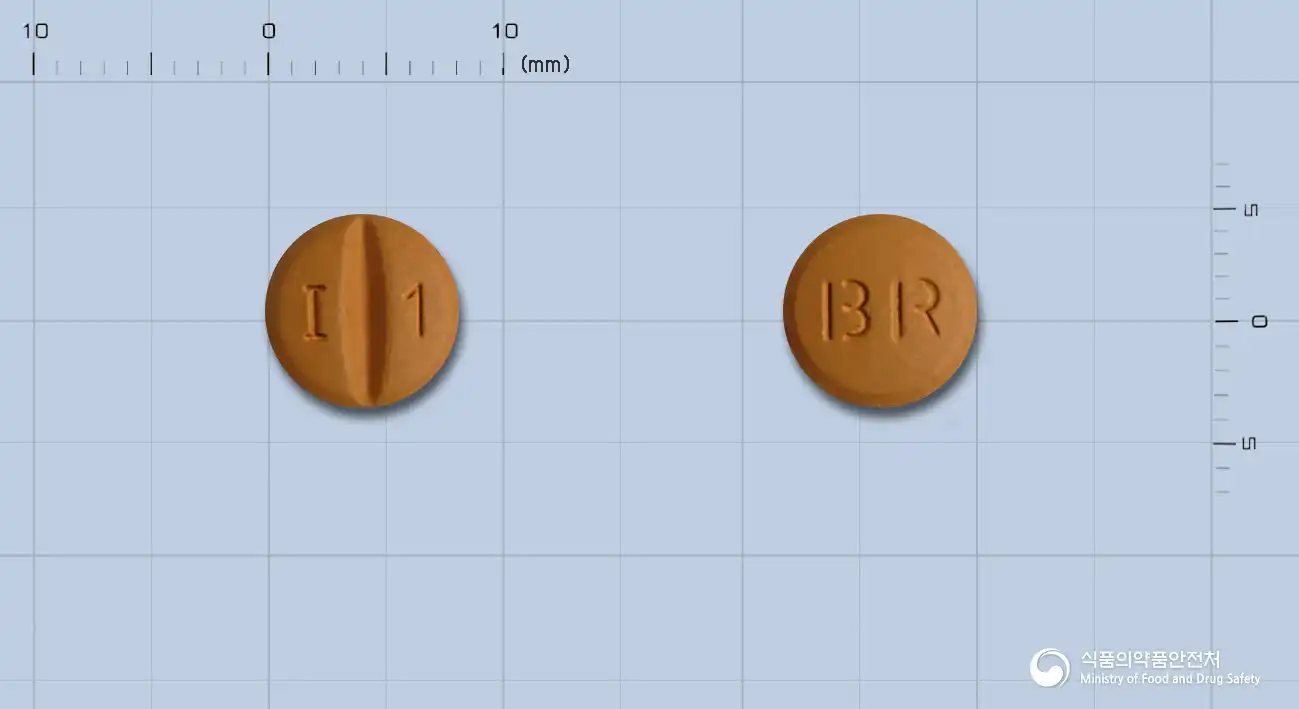
Imatinib Mesylate 119.5mg
Tablet · Prescription medication
Boryung Pharmaceutical Co., Ltd.
Imatinib Mesylate
Prescription medication
IlDong Pharmaceutical Co., Ltd.
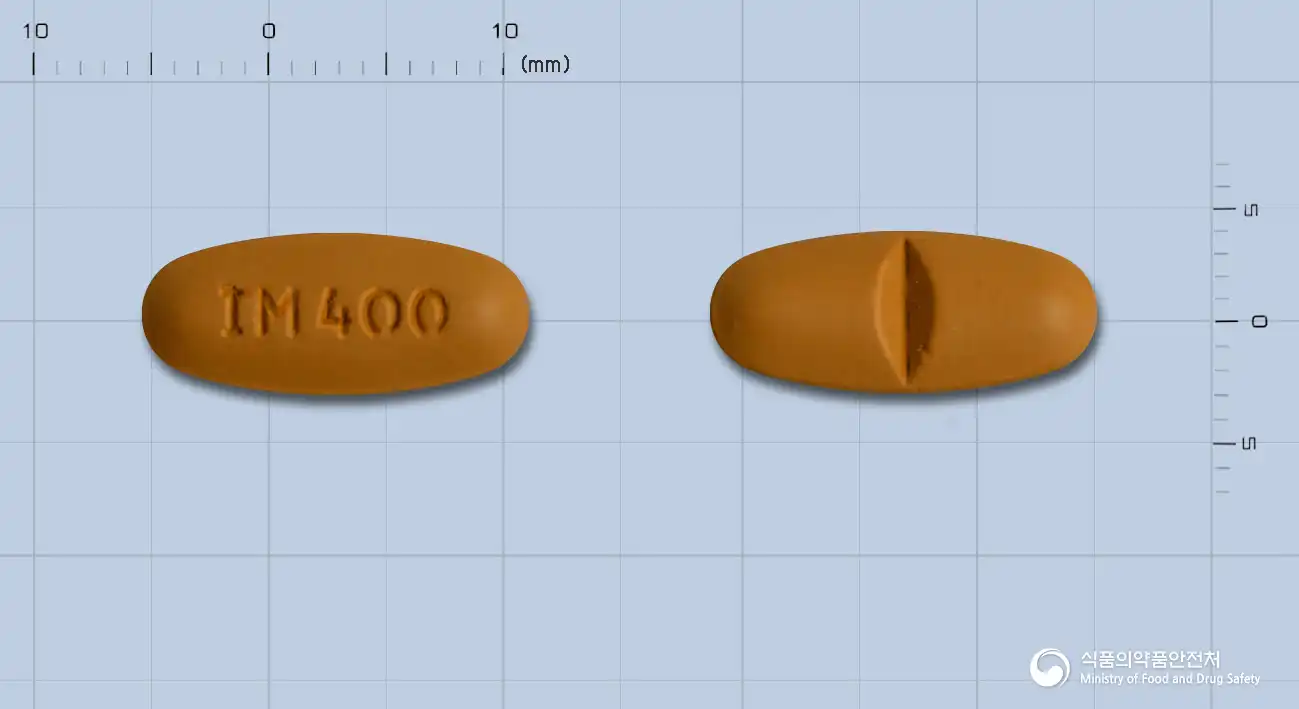
Imatinib Mesylate 478mg
Tablet · Prescription medication
Hanmi Pharmaceutical Co., Ltd.
Imatinib Mesylate
Prescription medication
Il Dong Pharmaceutical Co., Ltd.
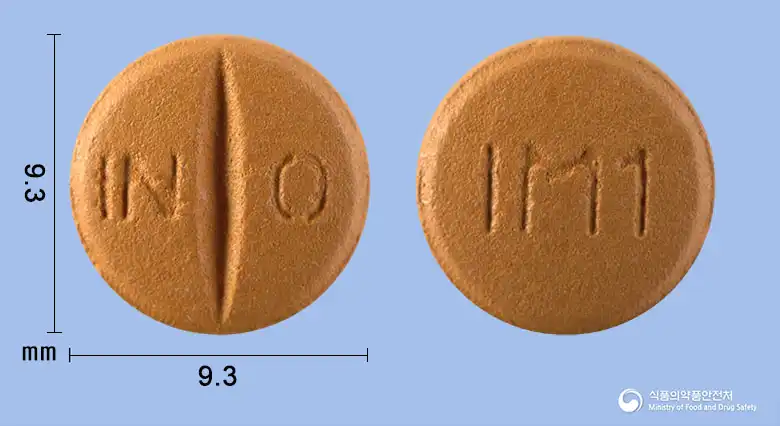
Imatinib Mesylate 119.5mg
Tablet · Prescription medication
HK inno.N Co., Ltd.
Even with the same ingredient, the dose and directions can differ by strength and dosage form. Talk to a doctor or pharmacist before switching from a medication you are already taking.
No questions yet.
For anything that needs medical judgment, consult a doctor or pharmacist.
This drug information is based on data provided by the Korea Ministry of Food and Drug Safety.
Consult a doctor or pharmacist for accurate dosage, administration, and usage instructions.