
 한국어
 English
 日本語
 中文(简体)
 Viewing now
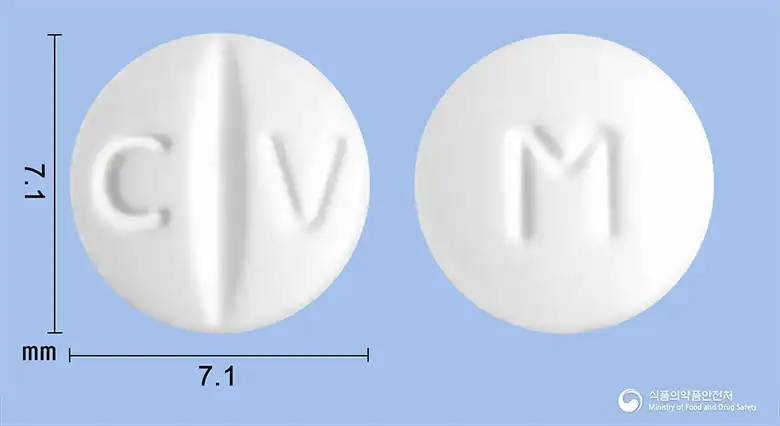
Carvedilol Tablets 25mg (Carvedilol)
Carvedilol 25mg
Tablet · Prescription medication
Hanmi Pharmaceutical Co., Ltd.
MFDS item code 201306136 · Approved 2013.03.12 · Insurance code 621802350
Treatment of essential hypertension and chronic stable angina
Used for essential hypertension and chronic stable angina.
1. Essential hypertension 1) Adults (1) For the first 2 days, administer 12.5 mg of carvedilol orally once daily, followed by 25 mg orally once daily. (2) The usual dose is 25 mg orally once daily for 2 weeks. If an increase is needed, increase to 25 mg twice daily. The maximum dose per administration is 25 mg, and the maximum daily dose is 50 mg. 2) Elderly patients In some elderly patients, 12.5 mg once daily may be sufficient. However, the dose may be increased if the effect is insufficient after 2 weeks of treatment. 2. Chronic stable angina 1) For the first 2 days, administer 12.5 mg of this medicine twice daily orally, followed by 25 mg twice daily orally. 2) The usual dose is 25 mg twice daily for 2 weeks. If an increase is needed (excluding elderly patients), the dose may be increased to 50 mg twice daily.
This medication should not be used in certain patients. For example, individuals with a history of allergy to this drug or its components, patients in cardiogenic shock, patients with very slow heart rates, patients with cor pulmonale, patients with severe metabolic problems due to diabetes, patients with greatly impaired heart function, patients with asthma or chronic obstructive pulmonary disease, women who are pregnant or breastfeeding may be at risk if they take this medication. Additionally, caution is required for diabetic patients, those sensitive to allergic reactions, individuals with heart disease, patients with impaired kidney or liver function, and the elderly. These patients should take this medication carefully under a physician's guidance and monitor for changes in symptoms or conditions closely. When taking this medication, symptoms such as dizziness, headache, and fatigue may occur, and in severe cases, heart rate may slow too much or blood pressure may drop sharply. Patients with existing heart problems or heart failure may experience worsened symptoms, and regular heart check-ups are necessary. Additionally, patients with poor kidney function may see further deterioration of kidney function, and those with respiratory diseases may experience difficulty breathing. Gastrointestinal symptoms can include nausea, diarrhea, abdominal pain, and vomiting, and skin rashes or itching may occur. This medication can also affect liver function, requiring patients with reduced liver function to undergo regular liver function tests, and if symptoms are severe, they may need to discontinue the drug. Caution is advised during activities requiring alertness, such as driving or operating machinery, and it is recommended to avoid alcohol consumption. This medication has a high potential for drug interactions, so it is important to consult a doctor or pharmacist before taking it, especially with blood pressure medications, cardiac medications, diabetic drugs, sedatives, and antidepressants. Women who are pregnant or breastfeeding should not take this medication, and its safety and efficacy in children and adolescents have not been established, requiring caution in their use. Elderly patients may experience increased drug concentrations due to compromised liver function, and there is a risk of stroke due to blood pressure lowering, so treatment should start at low doses and be carefully managed. In the case of overdose, serious side effects such as reduced heart rate, blood pressure drop, impaired heart function, shock, and difficulty breathing may occur, and immediate medical attention should be sought for appropriate emergency treatment. When taking this medication long-term, regular check-ups for heart function, blood pressure, and liver and kidney function are necessary, and sudden discontinuation can worsen cardiac symptoms, so dosage should be gradually reduced as directed by a physician.
Not everyone experiences these, and they can vary from person to person.
This medication can be sensitive to light and should be stored in a light-blocking container. Furthermore, it is advisable to store the medication at room temperature between 1 and 30 degrees Celsius, avoiding excessively hot or cold places.
White round tablets
100 tablets ((10 tablets/PTP)x10)
Even with the same ingredient, strength, dosage form and how it is taken can differ.
Viewing nowCarvedilol 25mg
Tablet · Prescription medication
Hanmi Pharmaceutical Co., Ltd.
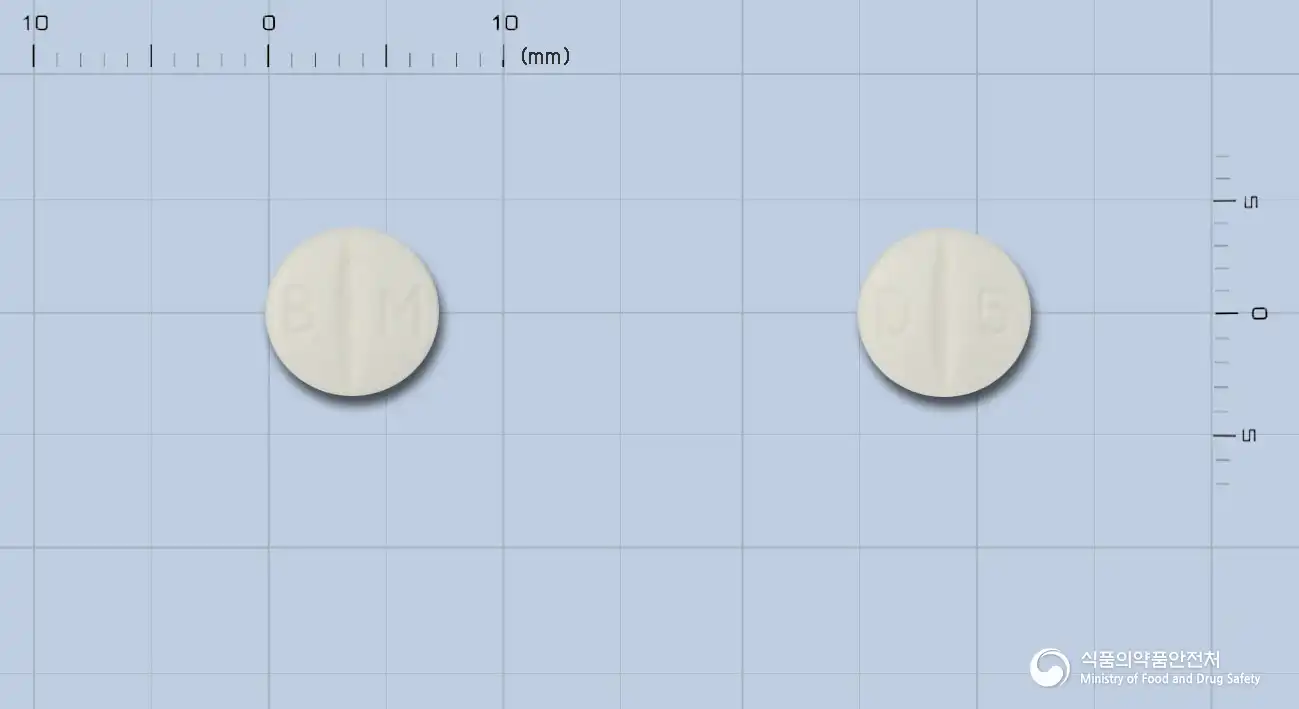
Carvedilol 25mg
Tablet · Prescription medication
Jongkun Dang Co., Ltd.
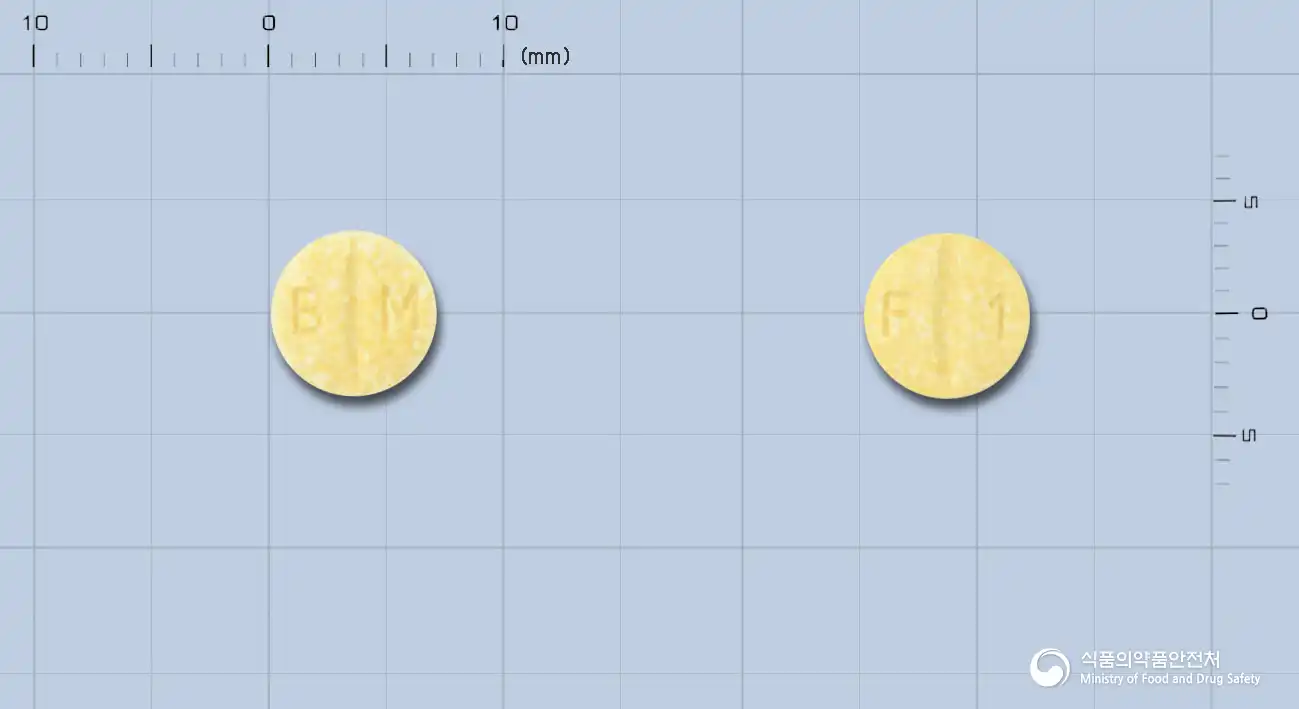
Carvedilol 6.25mg
Tablet · Prescription medication
Jongkundang Co., Ltd.
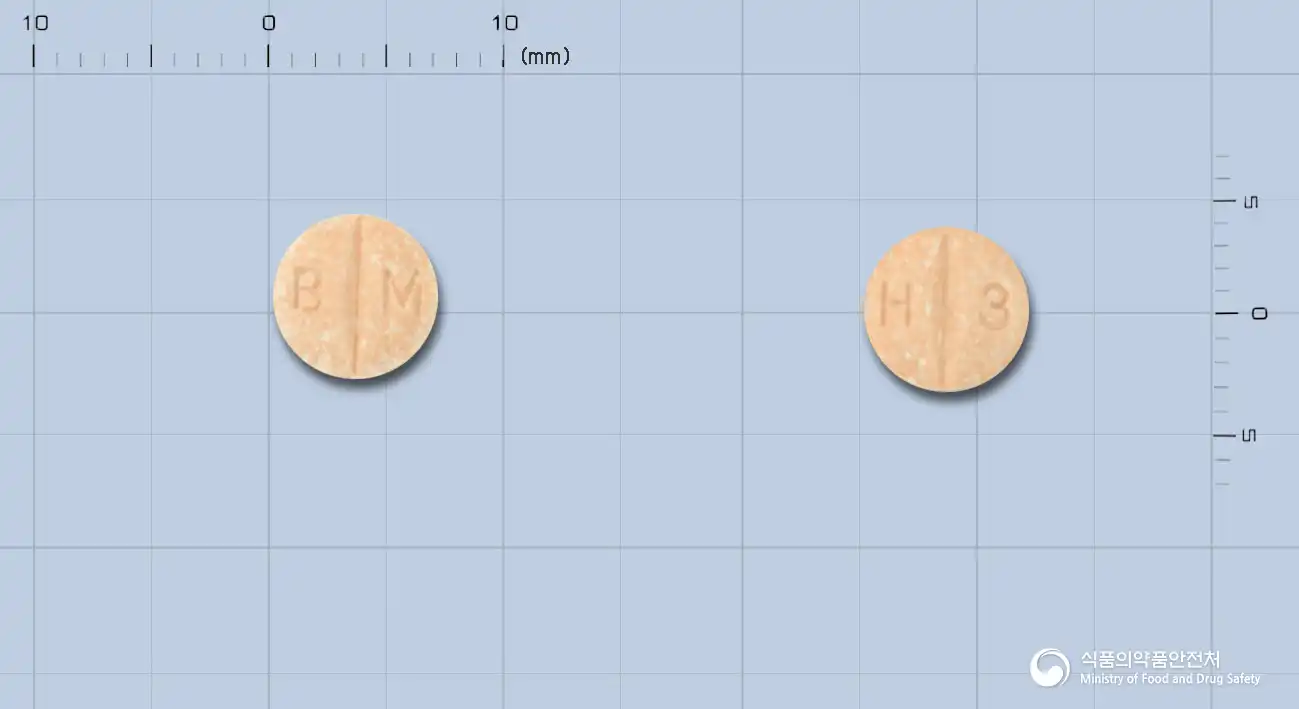
Carvedilol 12.5mg
Tablet · Prescription medication
Jongkundang Co., Ltd.
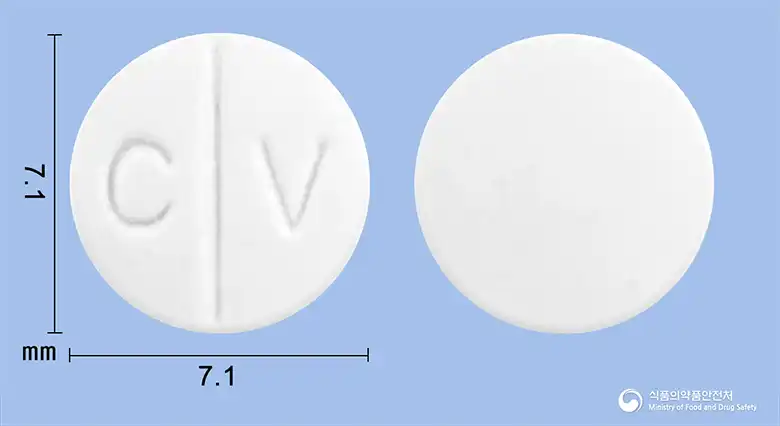
Carvedilol 25mg
Tablet · Prescription medication
Hanmi Pharmaceutical Co., Ltd.
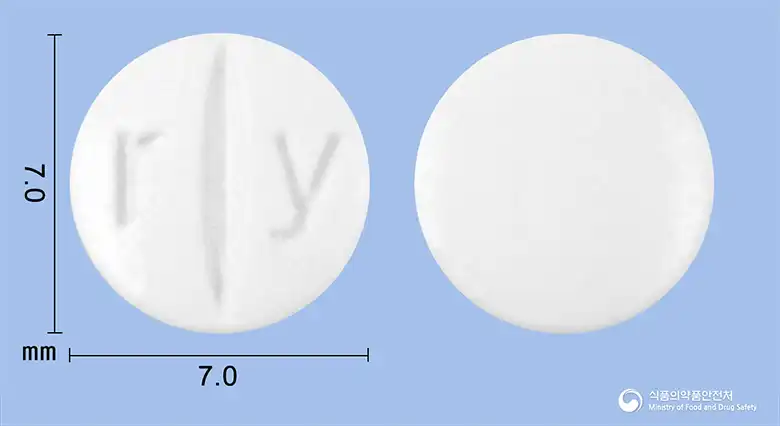
Carvedilol 25mg
Tablet · Prescription medication
Lee Yeon Pharmaceuticals Co., Ltd.
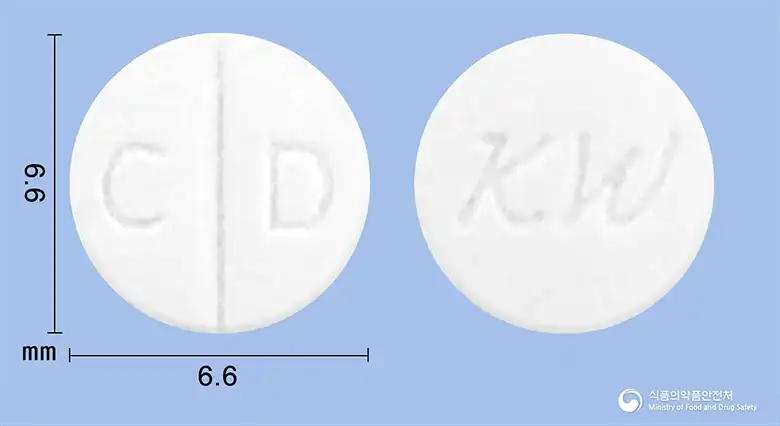
Carvedilol 25mg
Tablet · Prescription medication
Albozen Korea Co., Ltd.
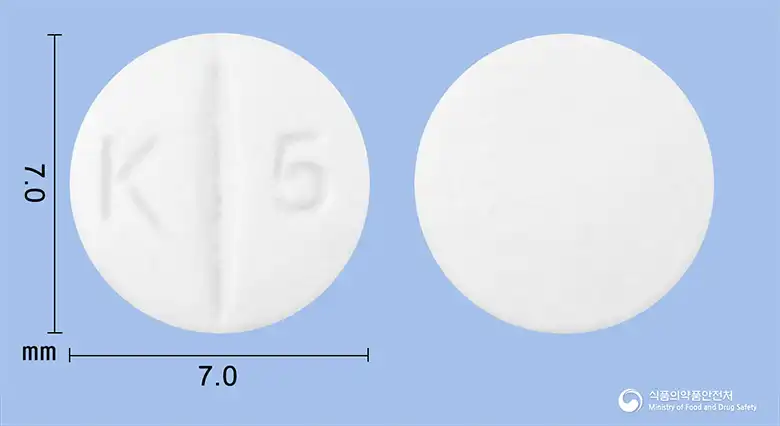
Carvedilol 25mg
Tablet · Prescription medication
Myungin Pharmaceutical Co., Ltd.
Even with the same ingredient, the dose and directions can differ by strength and dosage form. Talk to a doctor or pharmacist before switching from a medication you are already taking.
No questions yet.
For anything that needs medical judgment, consult a doctor or pharmacist.
This drug information is based on data provided by the Korea Ministry of Food and Drug Safety.
Consult a doctor or pharmacist for accurate dosage, administration, and usage instructions.