
 한국어
 English
 日本語
 中文(简体)
 Viewing now
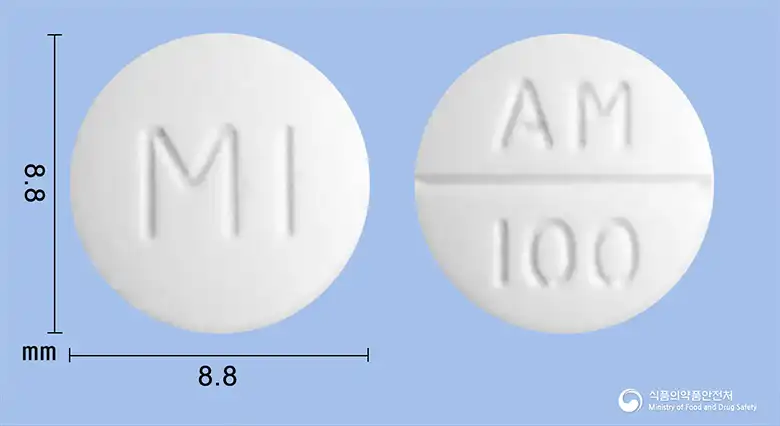
Amisulpride 100 mg Tablet
Amisulpride 100mg
Tablet · Prescription medication
Myeongin Pharmaceutical Co., Ltd.
MFDS item code 201301615 · Approved 2013.01.18 · Insurance code 651903810
Treatment of schizophrenia
This medication is used for schizophrenia.
For an acute psychotic episode, the recommended daily dose is 400 ~ 800mg, and up to 1,200mg per day may be administered. Do not use doses exceeding 1,200mg per day, as their safety has not been established. When positive and negative symptoms occur together, adjust the dose to achieve optimal control of the positive symptoms. When negative symptoms predominate, the recommended daily dose is 50∼300 mg. The dose should be adjusted for each individual. The optimal dose is approximately 100mg per day. In general, if the daily dose is 400 mg or less, administer it orally once daily; if the daily dose exceeds 400 mg, administer it in 2 divided doses per day. Dose titration is not required when initiating treatment with this medicine. The dose should be adjusted according to the individual's response. The maintenance dose should be adjusted according to the patient's clinical condition, and the lowest effective dose possible should be administered. Patients with renal impairment This medicine is excreted by the kidneys. Therefore, reduce the dose by half in patients with renal impairment and a creatinine clearance of 30∼60 mL/min, and reduce it to 1/3 in patients with a creatinine clearance of 10∼30 mL/min. As specific data are unavailable, do not administer this medicine to patients with severe renal impairment (creatinine clearance < 10 mL/min).
This drug can cause a serious side effect known as neuroleptic malignant syndrome, which may present as high fever, muscle rigidity, autonomic nervous symptoms, etc., and should be consulted with a physician immediately. Moreover, it should be used cautiously in patients with Parkinson's disease as it may exacerbate symptoms, and should only be administered when necessary. This drug may prolong the QT interval related to heart rate, increasing the risk of cardiac arrhythmia. Therefore, an ECG test is required before administration in patients with heart diseases or related risk factors. Particular care should be taken when administering this drug to elderly dementia patients, as it may increase the risk of stroke and death. Due to the risk of thromboembolic events, patients with thromboembolic risk factors should be monitored closely. It may increase prolactin levels, leading to issues related to breast cancer or pituitary tumors, so regular examinations are required for patients with such history or suspicion. This drug should not be administered to patients with specific diseases or conditions, such as children under 15 years of age, pregnant women, or patients with severe renal impairment. Additionally, the risk may increase when used in combination with other dopamine-related drugs or drugs that prolong the QT interval, so it should be discussed with healthcare professionals. While taking this drug, side effects such as drowsiness, dizziness, anxiety, nausea, constipation may occur, necessitating caution when driving or operating machinery. Pregnant or breastfeeding women should avoid taking this medication and should consult healthcare professionals if they are taking it. In case of overdose, symptoms such as severe drowsiness, coma, hypotension, and muscle abnormalities may appear, requiring immediate medical attention. This drug should be kept out of reach of children, and it is safe not to transfer it to other containers.
high fever, muscle rigidity, autonomic nervous system anxiety, consciousness impairment, extrapyramidal symptoms (tremor, rigidity, bradykinesia, hypersalivation, akathisia, dyskinesia), drowsiness, acute muscle hypertonicity (torticollis, oculogyrical seizures, trismus), tardive dyskinesia, seizures, insomnia, anxiety, agitation, hyperactivity disorder, constipation, nausea, vomiting, dry mouth, excessive lactation due to increased serum prolactin levels, amenorrhea, gynecomastia, mastalgia, erectile dysfunction, anorgasmia, hyperglycemia, hypotension, bradycardia, allergic reactions, weight gain, increased liver enzymes, immediate-type urticaria, bronchospasm, drug reaction (DRESS), neuroleptic malignant syndrome, Torsades de pointes, ventricular arrhythmia, ventricular fibrillation, cardiac arrest, pulmonary embolism, venous thromboembolism, angioedema, urticaria, benign pituitary tumor, leukopenia, neutropenia, agranulocytosis, hypertriglyceridemia, hypercholesterolemia, hyponatremia, syndrome of inappropriate antidiuretic hormone secretion, confusion, extrapyramidal disorder, hyperkinesia, tremor, hypertonia, oculogyrical seizures, speech disorder, dizziness, muscle dystonia, headache, movement disorder, thought disorder, delirium, lethargy, increased sweating, visual disturbances, frequent urination, drowsiness, anxiety (agitated), thought disorder, delirium, lethargy, increased sweating, visual disturbances, frequent urination, agitation, muscle hypertonia, muscle hypotonia, tremor, drowsiness, shortness of breath, food intake disorder, drowsiness, sedation, coma, hypotension, extrapyramidal symptoms
Not everyone experiences these, and they can vary from person to person.
This drug may be sensitive to air or moisture, so it should be stored in a tightly sealed container. It is recommended to maintain a storage temperature between 1 to 30 degrees Celsius at room temperature.
White round film-coated tablet
30 tablets/bottle, 200 tablets/bottle
Even with the same ingredient, strength, dosage form and how it is taken can differ.
Viewing nowAmisulpride 100mg
Tablet · Prescription medication
Myeongin Pharmaceutical Co., Ltd.
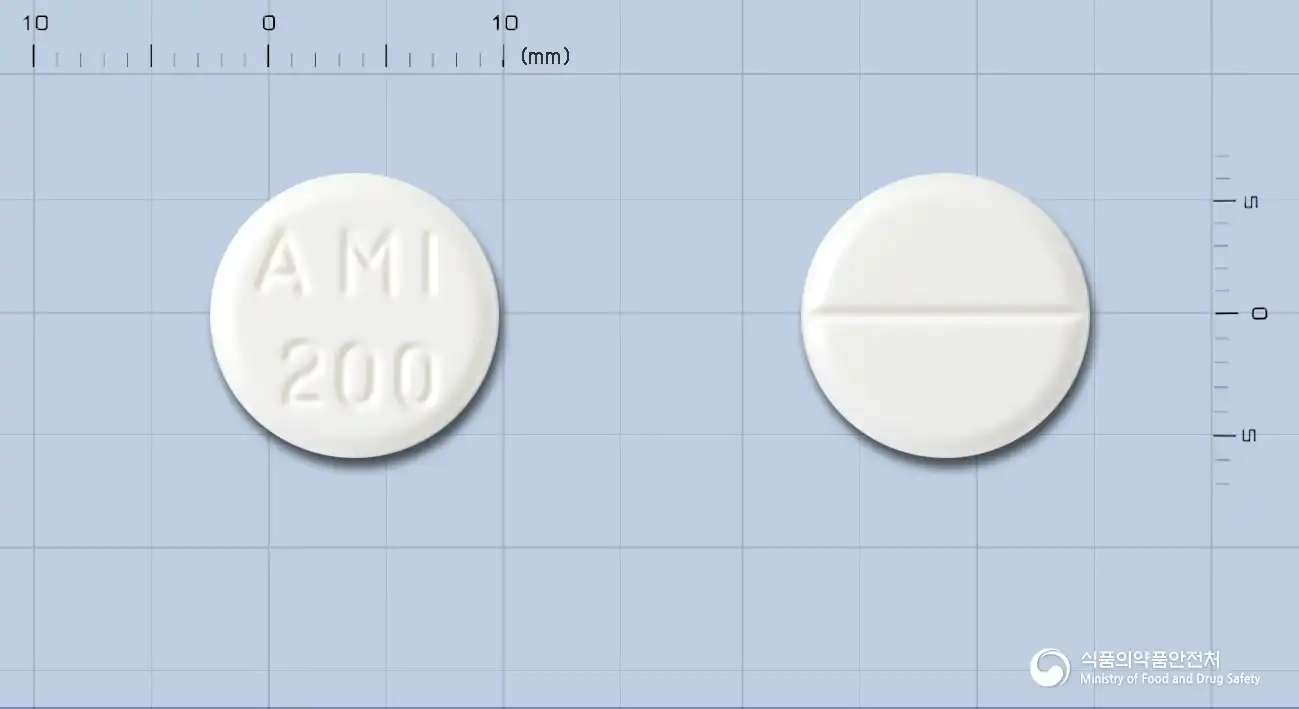
Amisulpride 200mg
Tablet · Prescription medication
Handok Co., Ltd.
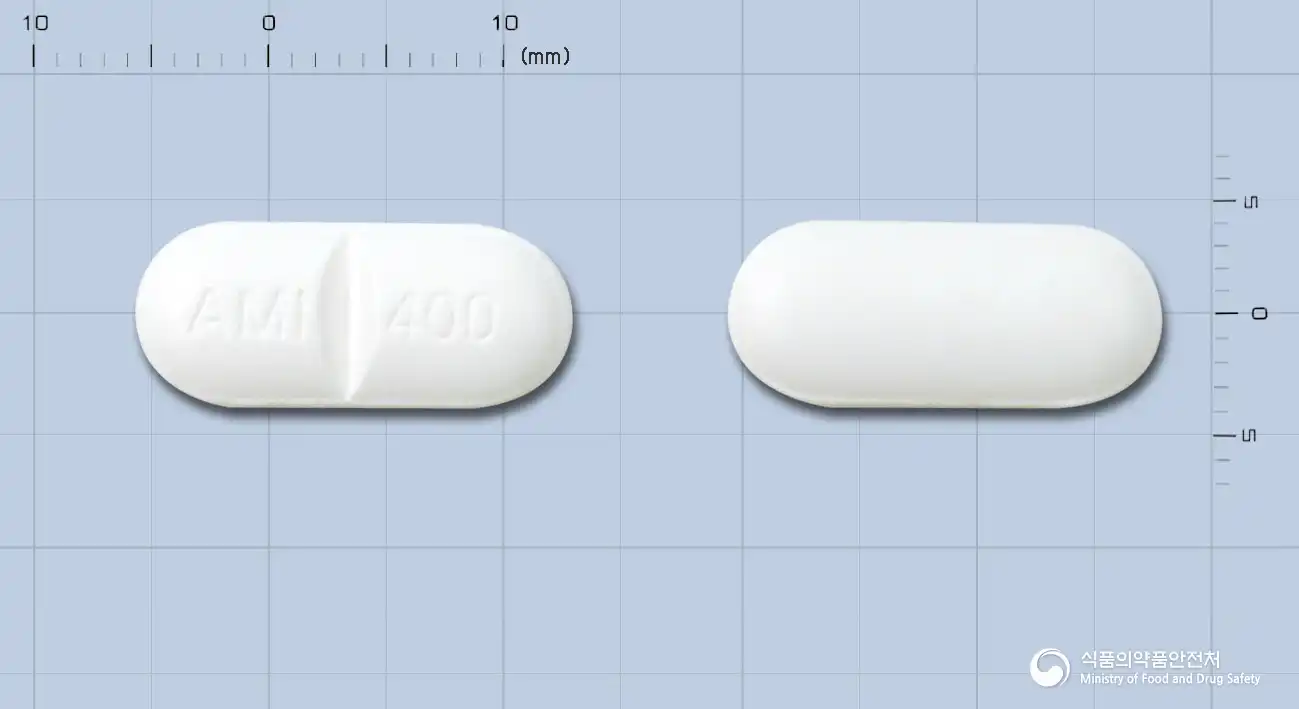
Amisulpride 400mg
Tablet · Prescription medication
(Co., Ltd.) Handok
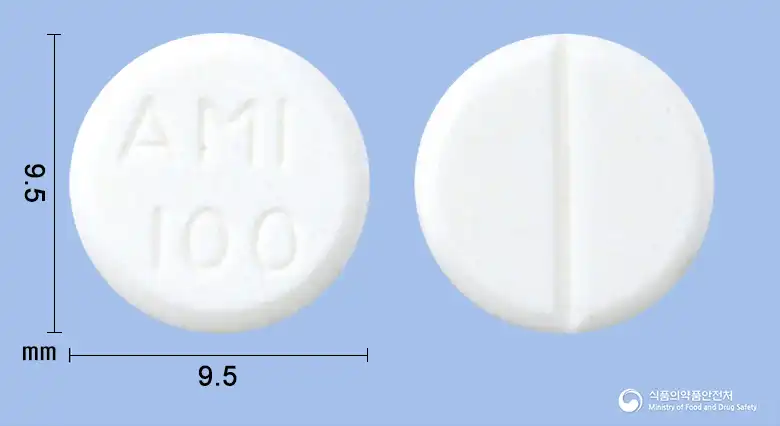
Amisulpride 100mg
Tablet · Prescription medication
(Co., Ltd.) Handok
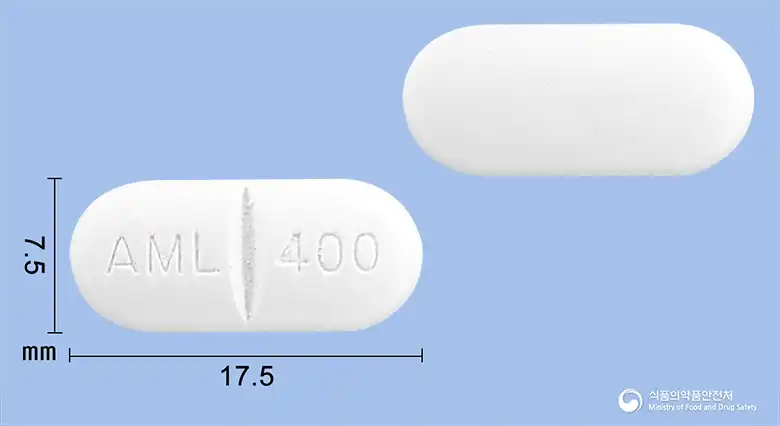
Amisulpride 400mg
Tablet · Prescription medication
Unimed Pharmaceutical Co., Ltd.
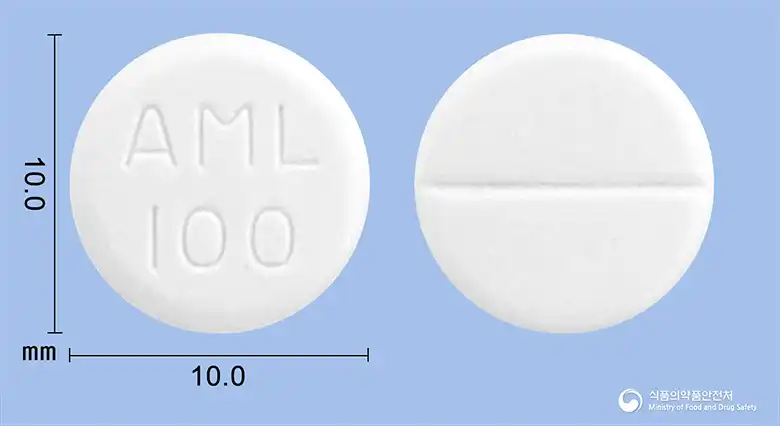
Amisulpride 100mg
Tablet · Prescription medication
Unimed Pharmaceutical Co., Ltd.
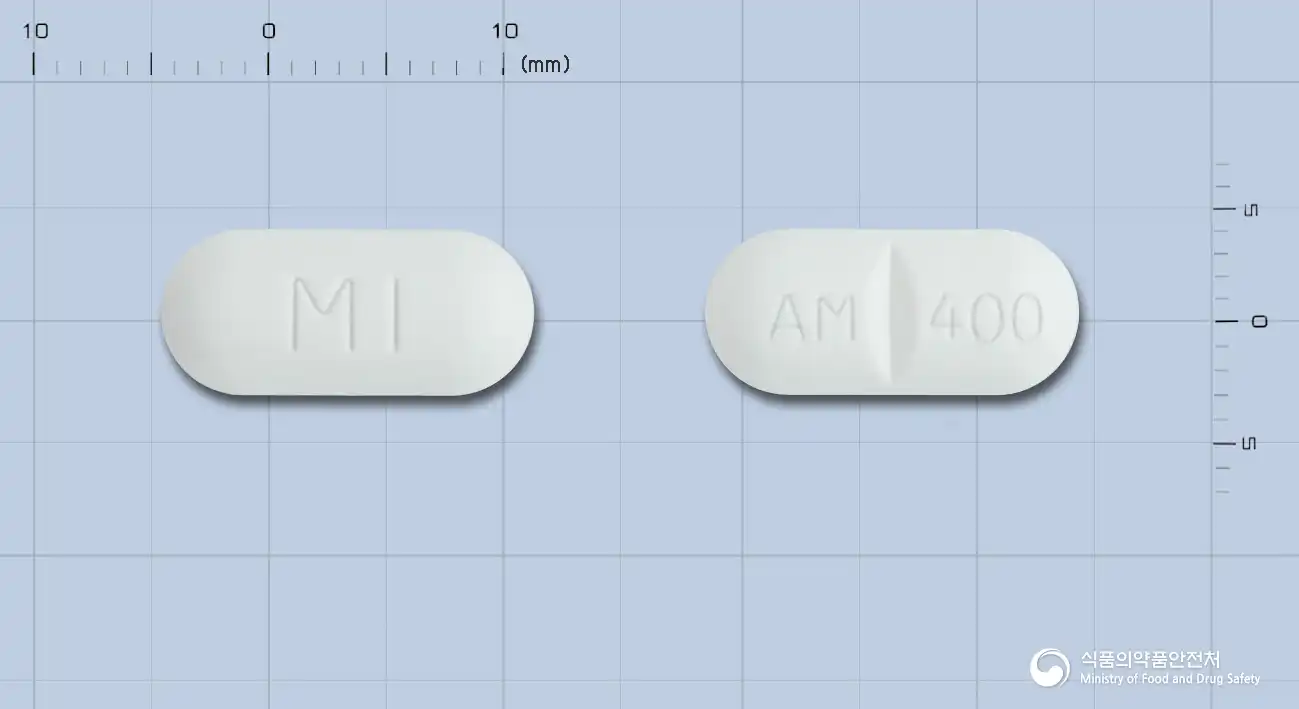
Amisulpride 400mg
Tablet · Prescription medication
Myeongin Pharmaceutical Co., Ltd.
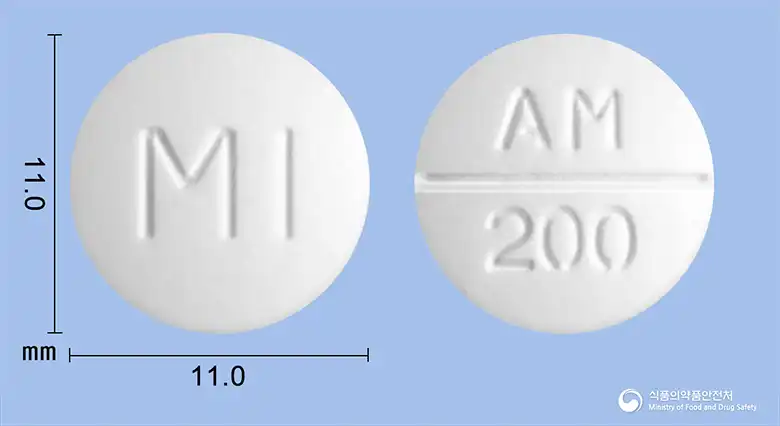
Amisulpride 200mg
Tablet · Prescription medication
Myungin Pharmaceutical Co., Ltd.
Even with the same ingredient, the dose and directions can differ by strength and dosage form. Talk to a doctor or pharmacist before switching from a medication you are already taking.
No questions yet.
For anything that needs medical judgment, consult a doctor or pharmacist.
This drug information is based on data provided by the Korea Ministry of Food and Drug Safety.
Consult a doctor or pharmacist for accurate dosage, administration, and usage instructions.