
 한국어
 English
 日本語
 中文(简体)
Dosage form image
Viewing nowCellCept Suspension Powder 1g/5ml (Mycophenolate Mofetil)
Mycophenolate Mofetil
Prescription medication
Korea Roche Co., Ltd.
MFDS item code 201301374 · Approved 2013.01.15
This product's status changed to Approval withdrawn on 2023.07.06. It may no longer be sold, so consult a doctor or pharmacist before taking it.
Prevention of acute rejection after organ transplantation (e.g., kidney and heart)
This medication is used to prevent acute organ rejection in patients who have received kidney, heart, or liver transplants. It should be administered in conjunction with cyclosporine and corticosteroids to achieve optimal effect, thereby helping maintain the function of the transplanted organ and preventing rejection.
Start oral administration of this medicine as soon as possible after kidney, heart, or liver transplantation. Adults with kidney transplants: Administer mycophenolate mofetil 1 g (5mL of suspension) per dose orally twice daily. In clinical trials, a total daily dose of 3 g (1.5 g twice daily) demonstrated efficacy and safety, but a benefit in efficacy has not been established in kidney transplant patients. Adults with heart transplants: Administer 1.5 g of this medicine per dose orally twice daily (daily dose 3g). Adults with liver transplants: Administer 1.5 g of this medicine per dose orally twice daily (3g daily). In patients with severe chronic renal failure (glomerular filtration rate < 25 mL/min/1.73 m2), do not administer more than 1 g of this medicine twice daily unless immediately after transplantation. No dose adjustment is necessary in patients with delayed graft function after transplantation. There are no data for heart transplant patients with severe chronic renal failure. In such patients, use this medicine only if the anticipated benefit outweighs the potential risk. Elderly patients may be treated with the recommended doses of 1 g twice daily after kidney transplantation and 1.5g twice daily after heart transplantation. However, the risk of adverse reactions may generally be increased in these elderly patients. The risk of adverse reactions may also be increased in patients receiving this medicine in combination with other immunosuppressants (see Adverse Reactions). No dose adjustment is necessary in kidney transplant patients with severe hepatic parenchymal disease, but there are no data for heart transplant patients with severe hepatic parenchymal disease. If neutropenia (ANC [absolute neutrophil count] < 1.3 x 10³/㎕) is observed, interrupt administration of this medicine or reduce the dose, conduct appropriate diagnostic tests, and provide necessary treatment. Renal transplant rejection does not alter the pharmacokinetics of MPA; interruption or dose reduction of this medicine is not necessary.
Children and adolescents: Administer mycophenolate mofetil 600mg/m2 per dose orally twice daily (up to 2g/10mL per day may be administered). Infants younger than 2 years: Use of this medicine is not recommended because data on safety and efficacy in patients younger than 2 years are limited.
This medication must be administered to women of childbearing potential alongside effective contraceptive methods. Taking this medication during pregnancy can significantly increase the risk of miscarriage and congenital anomalies. As this drug suppresses the immune system, there may be an increased risk of infection, and some patients may have an increased risk of developing malignancies such as lymphoma. Therefore, this medication should be prescribed by specialists experienced in immunosuppressive therapy for kidney, heart, or liver transplant patients and managed in appropriate medical facilities. This medication contains the artificial sweetener aspartame and should not be given to patients with phenylketonuria. Additionally, it should not be administered to patients with hypersensitivity to this drug, those with certain genetic disorders, pregnant or breastfeeding women, and patients with hereditary fructose intolerance. Patients with severe renal failure or active severe gastrointestinal diseases, as well as patients with delayed organ function recovery after kidney transplant, should use this medication with caution due to the potential risk of adverse reactions from increased blood concentration. Common side effects include diarrhea, leukopenia, infections, and vomiting, with severe infections or immune-related adverse reactions potentially occurring. Especially in children and the elderly, there may be a higher risk of infections and gastrointestinal bleeding, so extra caution should be exercised. Regular blood tests should be conducted during treatment to monitor blood counts such as leukocyte levels, and any symptoms of infection, bleeding, or unexpected bruising should be reported to healthcare professionals immediately. Moreover, this medication may interact with other drugs, so if the patient is taking other medications, they must consult a physician or pharmacist. Caution is particularly needed when used in combination with azathioprine, acyclovir, antacids, proton pump inhibitors, cholestyramine, cyclosporine, and tacrolimus. Women who are pregnant or planning to become pregnant should not take this medication, and during treatment, two or more effective contraceptive methods should be used. Breastfeeding women should also not use this medication. This medication may affect the ability to drive or operate machinery; therefore, caution is required in case of symptoms such as drowsiness, dizziness, or confusion. Finally, this drug should be stored in a container with a child-resistant cap and should be compounded and handled using disposable gloves to avoid direct contact with skin or mucous membranes. After compounding, it should be kept at room temperature and stored out of reach of children.
Diarrhea, leukopenia, sepsis, vomiting, tuberculosis, atypical mycobacterial infection, meningitis, infectious endocarditis, lymphoma, other malignant tumors, malignant skin tumors, candidiasis of the mucocutaneous membranes, cytomegalovirus viremia/syndrome, herpes simplex, anemia, thrombocytopenia, pancytopenia, ulcer, bleeding, hematemesis, melena, hemorrhagic gastritis, colitis, peripheral edema, facial edema, scrotal edema, myalgia, cervical pain, low back pain, altered mental state, depression, insomnia, agitation, anxiety, abnormal sensations, dizziness, headache, tension, sensory disturbances, drowsiness, tremors, convulsions, taste disturbances, tachycardia, hypertension, hypotension, venous thrombosis, vasodilation, bronchiectasis, cough, dyspnea, interstitial lung disease, pleural effusion, pulmonary fibrosis, abdominal distension, abdominal pain, colitis, constipation, loss of appetite, dyspepsia, esophagitis, belching, bloating, gastritis, gastrointestinal bleeding, gastrointestinal ulcers, gingival hyperplasia, intestinal obstruction, oral ulceration, pancreatitis, stomatitis, hypersensitivity reactions, hypoglobulinemia, elevated serum alkaline phosphatase, elevated serum lactate dehydrogenase, elevated liver enzymes, hepatitis, hyperbilirubinemia, jaundice, acne, hair loss, rash, skin hypertrophy, arthralgia, muscle weakness, increased serum creatinine, increased blood urea, hematuria, renal impairment, asthenia, chills, edema, hernia, malaise, pain, fever, acute inflammatory syndrome related to new purine synthesis inhibitors, moniliasis, prostate disease, congestive heart failure, taste dysfunction, urinary incontinence, toothache, pruritus of external genitalia, perineal edema, severe neutropenia, hepatitis due to reactivation of hepatitis B virus, exacerbation of hepatitis C, progressive multifocal leukoencephalopathy, BK virus-associated nephropathy
Not everyone experiences these, and they can vary from person to person.
This medication must be stored in a tightly sealed container to protect it from air and moisture. It is important to maintain a storage temperature between 1 to 30 degrees Celsius (room temperature).
A white or off-white powder contained in a high-density polyethylene container.
1 bottle
Even with the same ingredient, strength, dosage form and how it is taken can differ.
Mycophenolate Mofetil
Prescription medication
Korea Roche Co., Ltd.
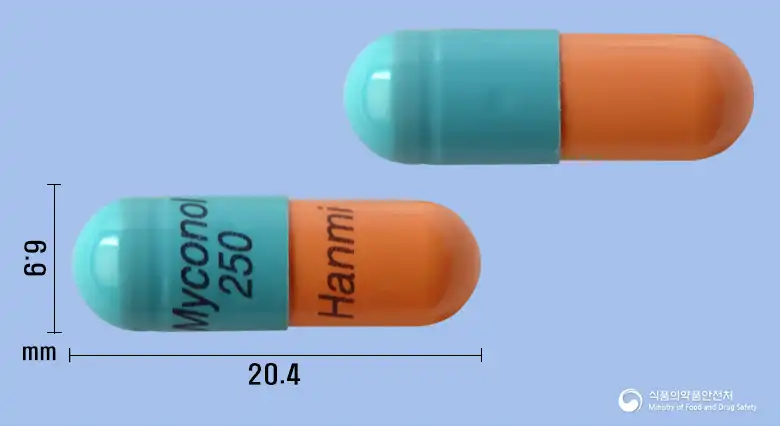
Mycophenolate Mofetil 250mg
Hard capsule · Prescription medication
Hanmi Pharmaceutical Co., Ltd.
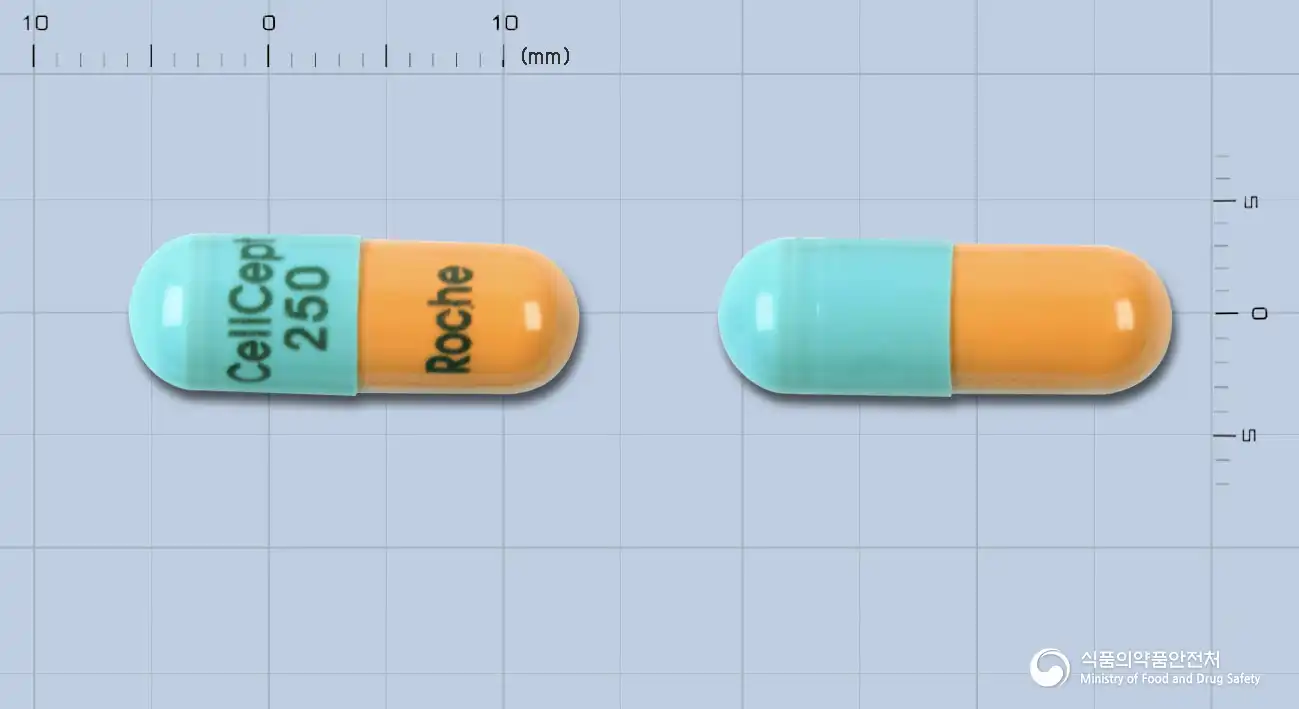
Mycophenolate Mofetil 250mg
Hard capsule · Prescription medication
Roche Korea, Co., Ltd.
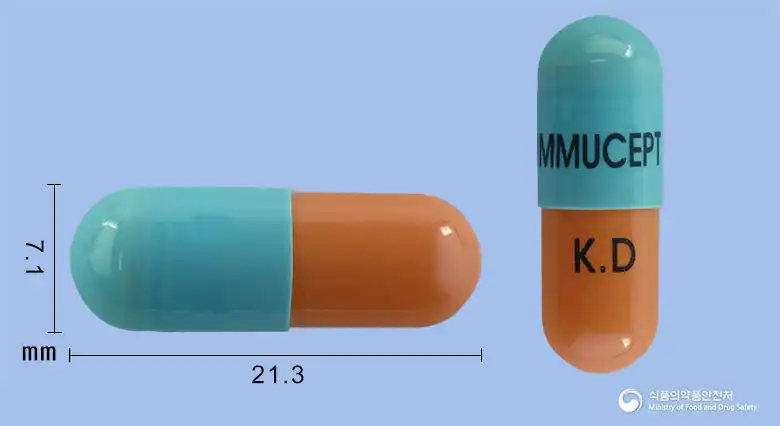
Mycophenolate Mofetil 250mg
Hard capsule · Prescription medication
Kwangdong Pharmaceutical Co., Ltd.
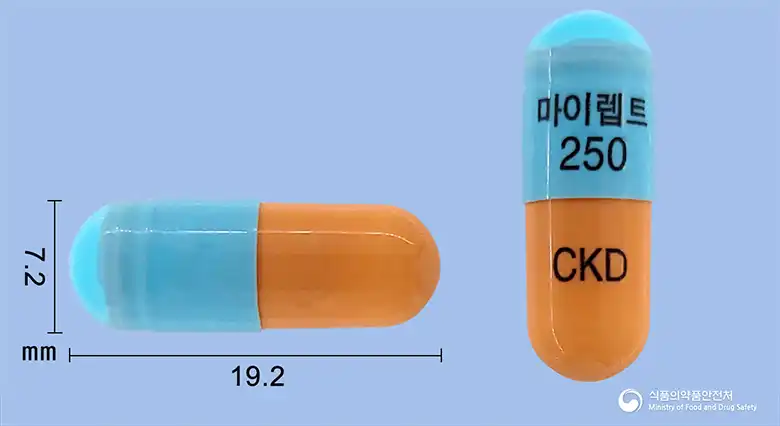
Mycophenolate Mofetil 250mg
Hard capsule · Prescription medication
Jongkundang Co., Ltd.
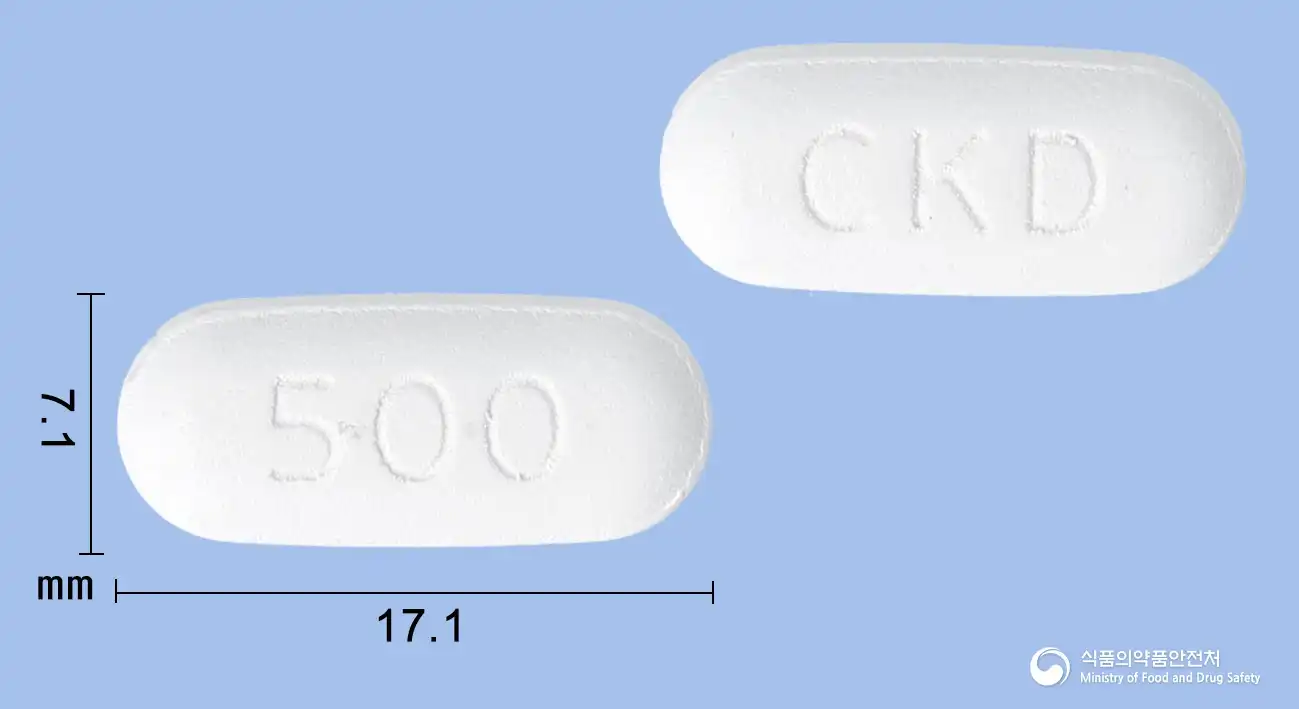
Mycophenolate Mofetil 500mg
Tablet · Prescription medication
Jong Kun Dang Co., Ltd.
Mycophenolate Mofetil 34.98g
Prescription medication
(Co., Ltd.) Chong Kun Dang
Even with the same ingredient, the dose and directions can differ by strength and dosage form. Talk to a doctor or pharmacist before switching from a medication you are already taking.
No questions yet.
For anything that needs medical judgment, consult a doctor or pharmacist.
This drug information is based on data provided by the Korea Ministry of Food and Drug Safety.
Consult a doctor or pharmacist for accurate dosage, administration, and usage instructions.