
 한국어
한국어 English
 日本語
日本語 中文(简体)
 Viewing nowCombination
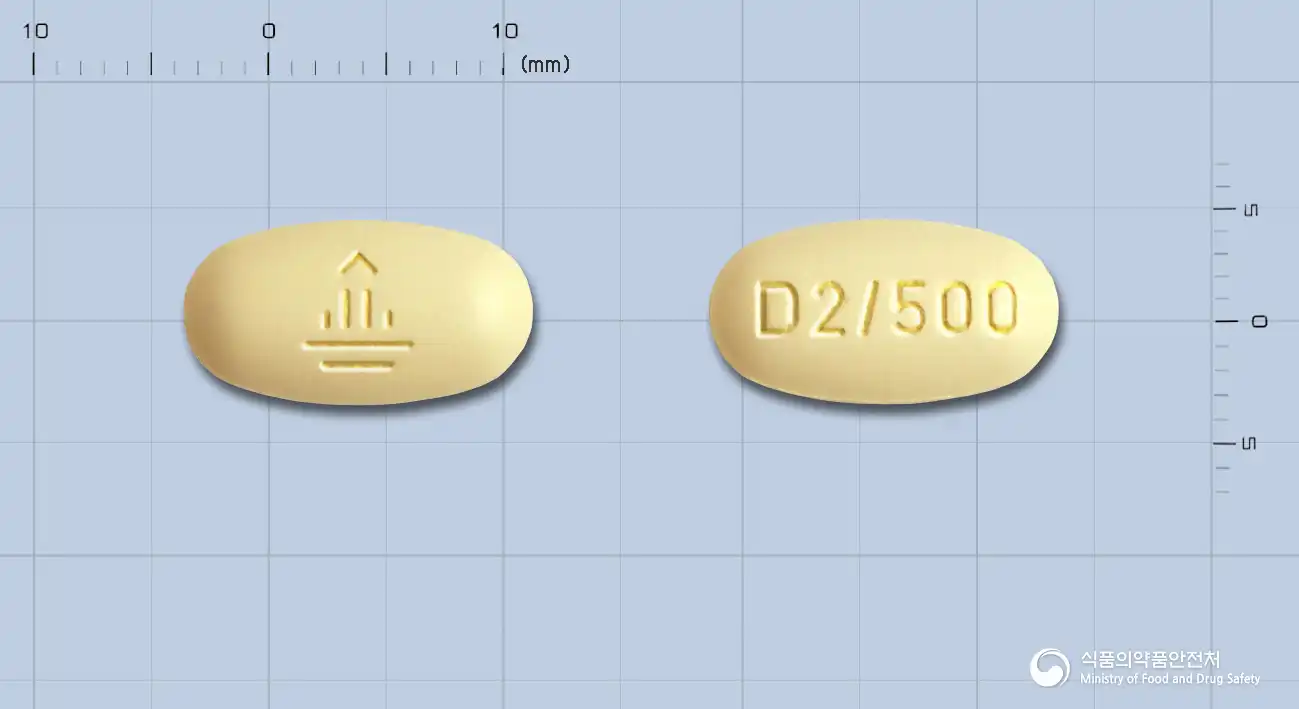
Trajenta Duo Tablet 2.5/500 mg
Linagliptin 2.5mg · Metformin Hydrochloride 500mg
Tablet · Prescription medication · Combination
Boehringer Ingelheim Korea Co., Ltd.
MFDS item code 201208290 · Approved 2012.11.15 · Insurance code 653501390
Improvement of blood sugar control in type 2 diabetes
This medication is prescribed to assist in blood sugar control for patients with type 2 diabetes using both linagliptin and metformin together. It helps to enhance the efficacy of blood sugar management when combined with diet and exercise. Therefore, this medication is used to improve blood sugar control in patients with type 2 diabetes.
The dosage of this medication is determined based on each component's maximum recommended dosage, which is linagliptin 2.5 mg and metformin 1000 mg, not exceeding twice daily for each patient after considering the current treatment regimen, efficacy, and tolerability. This medication should be taken twice daily with meals. To reduce gastrointestinal side effects associated with metformin, dose escalation should be gradual. 1. If not currently treated with metformin: For patients with no previous experience of diabetes medication treatment, where monotherapy is insufficient for adequate blood sugar control, the initial dosage of this medication at 2.5/500 mg should be taken twice daily, with a maximum increase to 2.5/1000 mg twice daily, 1 tablet each time. 2. When switching from linagliptin and metformin combination therapy: Patients switching from the combined use of linagliptin and metformin should take the same previous dosage of linagliptin and metformin as the initial dosage. 3. If adequate blood sugar control cannot be achieved with insulin and metformin: The initial dose of this medication should consider linagliptin 2.5 mg twice daily (total of 5 mg per day) and a dosage similar to existing metformin administration. When this medication is used in combination with insulin, the reduction of insulin dosage may be necessary to reduce the risk of hypoglycemia (see precautions). No studies have been conducted assessing the safety and efficacy of switching to this medication from other oral antidiabetic agents. Any change in the treatment regimen for type 2 diabetes may affect blood sugar control, so care should be taken, and appropriate monitoring should be implemented. Renal impairment: This medication can be used in patients with moderate renal impairment stage 3a (creatinine clearance [CrCl] of 45~<60 ml/min or estimated glomerular filtration rate [eGFR] of 45~<60 mL/min/1.73 m2), provided there are no other conditions that may increase the risk of lactic acidosis. The starting dose of metformin can be 500 mg or 850 mg once daily; thus, treatment should not commence with this medication. The maximum recommended dose for metformin is 500 mg twice daily. Renal function should be carefully monitored every 3-6 months. If CrCl < 45 ml/min or eGFR < 45 ml/min/1.73 m2 indicating reduced renal function, this medication should be discontinued immediately. Liver impairment: This medication should not be administered to patients with liver function impairment due to the metformin component (see precautions).
This medication is used for the treatment of diabetes and acts by combining two components to help control blood sugar levels. Care should be taken when taking this medication due to the rare side effect known as lactic acidosis. Lactic acidosis can lead to a serious condition where lactic acid builds up excessively in the body, so if symptoms such as sudden abdominal pain, muscle cramps, weakness, or difficulty breathing occur, consult a doctor immediately. Patients with poor kidney function or liver dysfunction and those with serious diseases of the heart or lungs should avoid taking this medication for safety. It is recommended that women who are pregnant or may become pregnant, as well as nursing mothers, do not use this medication. The risk of hypoglycemia may increase when this medication is used in conjunction with other blood glucose-lowering agents, so blood glucose levels should be monitored frequently, and the doctor may adjust the dose as needed. In addition, since this medication is excreted through the kidneys, regular kidney function tests should be conducted, and if kidney function declines, discontinuation may be necessary. When iodinated contrast media is administered for radiologic examinations, this medication should be temporarily discontinued for a specified period before and after the tests, and it may also need to be stopped for a period before surgery. Rare side effects such as acute pancreatitis or blistering conditions like bullous pemphigoid may occur while taking this medication, so if severe abdominal pain or skin changes occur, it is important to inform a doctor immediately. This medication can lower vitamin B12 levels, so it is advisable to regularly check vitamin B12 concentrations during long-term use. In the elderly, renal function decline is common, so kidney function should be regularly monitored when taking this medication, and caution should be exercised not to exceed the maximum dosage. Possible drug interactions could occur, so if you are currently taking other medications, it is crucial to inform your doctor or pharmacist, especially when taking drugs that may affect kidney function. Finally, this medication has not been established for safety and efficacy in children under 10 years old and is not recommended for use in this age group.
Lactic acidosis, urticaria, angioedema, severe swelling (edema), tightness in the chest, difficulty breathing, cold sweats, pallor, severe rash with high fever, blisters, skin peeling, pain in oral/ocular mucosa, severe skin adverse reactions, shortness of breath or difficulty in breathing, asthma attacks, respiratory abnormalities accompanied by cough and fever, yellowing of the skin or eyes (jaundice), extreme lethargy, liver abnormalities (jaundice), and sudden and severe
Hypoglycemia, taste disturbance, cough, loss of appetite, diarrhea, constipation, nausea, vomiting, abdominal pain, oral ulcer formation, liver function test abnormalities, hepatitis, itching, erythema, rash, musculoskeletal and connective tissue abnormalities (such as arthralgia), increased lipase, increased amylase, decreased and deficient vitamin B12, nasopharyngitis, hypersensitivity, angioedema, urticaria, increased triglycerides in the blood, increased urine albumin/creatinine ratio, decreased hemoglobin
Not everyone experiences these, and they can vary from person to person.
This medication is sensitive to air and moisture, so it should be stored in a tightly sealed container. Additionally, it should be kept away from excessively hot or cold places, ideally at room temperature between 1°C and 30°C.
Biconvex oval film-coated tablets of bright yellow color
60 tablets/box [(10 tablets/PTP packaging x 6 pieces)]
Even with the same ingredient, strength, dosage form and how it is taken can differ.
Viewing nowCombinationLinagliptin 2.5mg · Metformin Hydrochloride 500mg
Tablet · Prescription medication · Combination
Boehringer Ingelheim Korea Co., Ltd.
 Combination
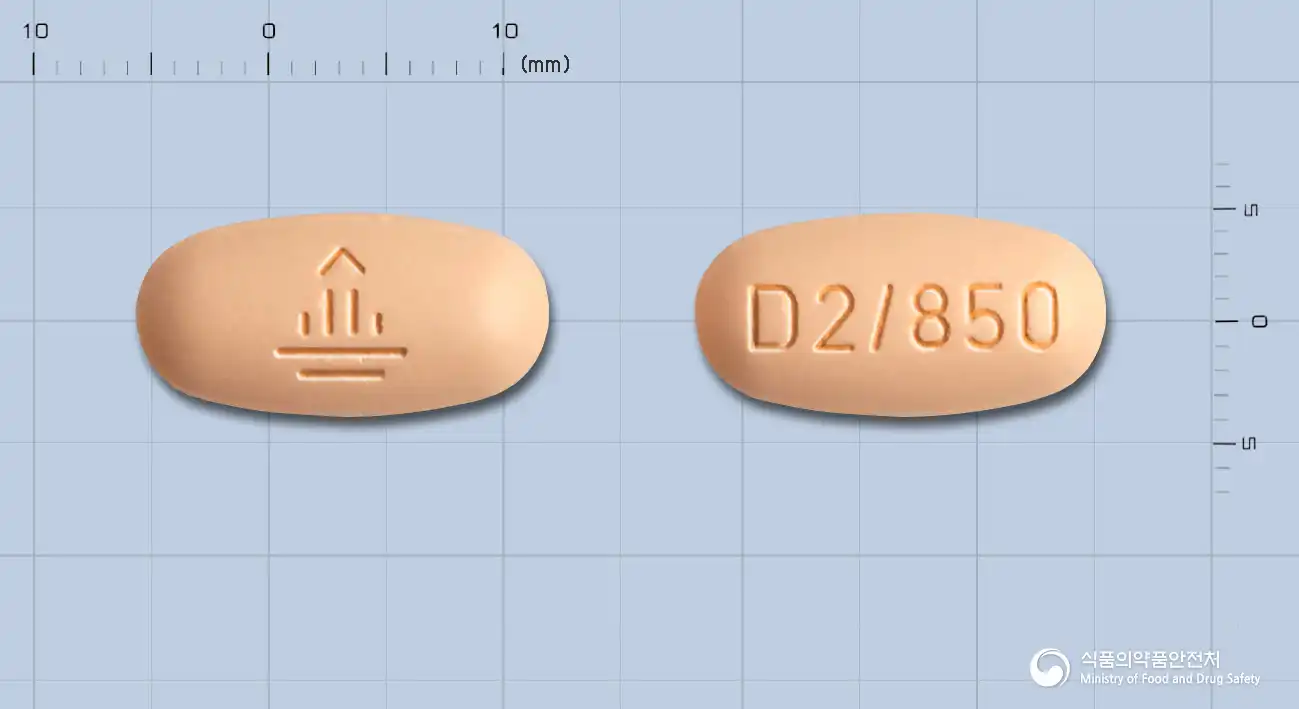
Linagliptin 2.5mg · Metformin Hydrochloride 850mg
Tablet · Prescription medication · Combination
Boehringer Ingelheim Korea Co., Ltd.
 Combination
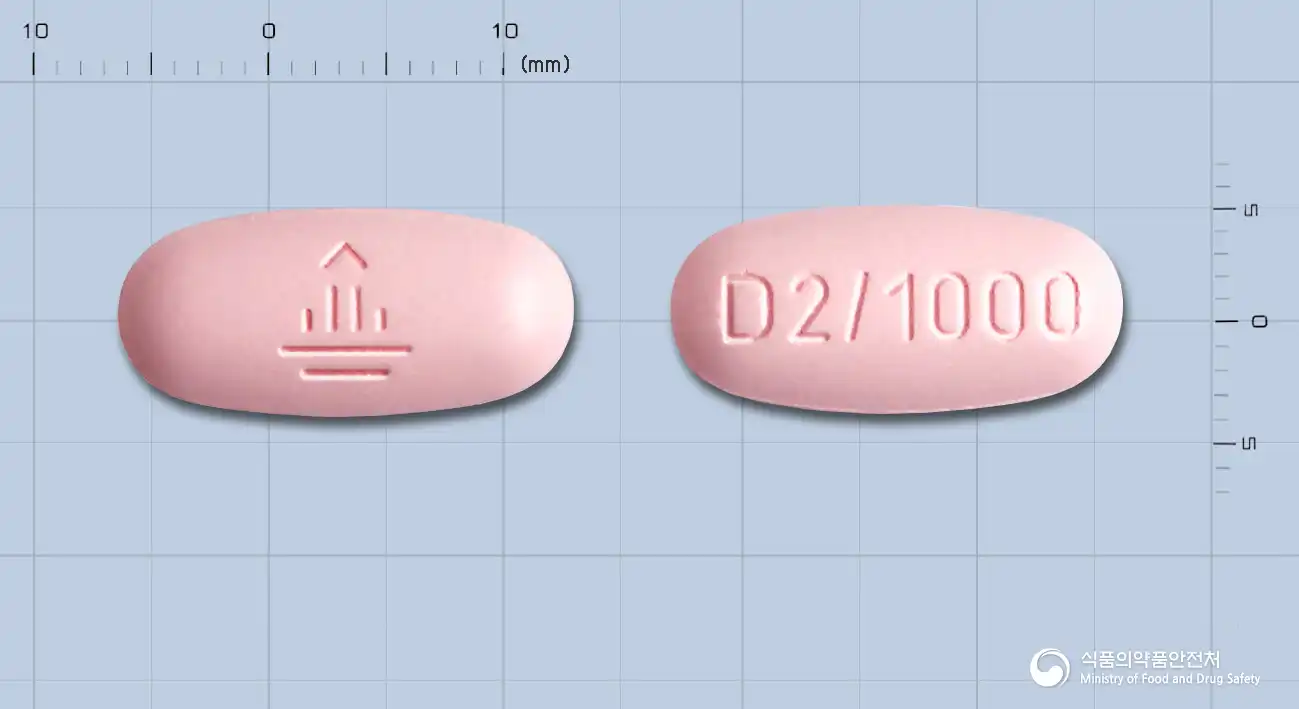
Linagliptin 2.5mg · Metformin Hydrochloride 1000mg
Tablet · Prescription medication · Combination
Boehringer Ingelheim Korea Co., Ltd.
Linagliptin 2.5mg · Metformin Hydrochloride 1000mg
Tablet · Prescription medication · Combination
Anguk Pharm Co., Ltd.
Linagliptin 2.5mg · Metformin Hydrochloride 1000mg
Prescription medication · Combination
Hanmi Pharmaceutical Co., Ltd.
 Combination
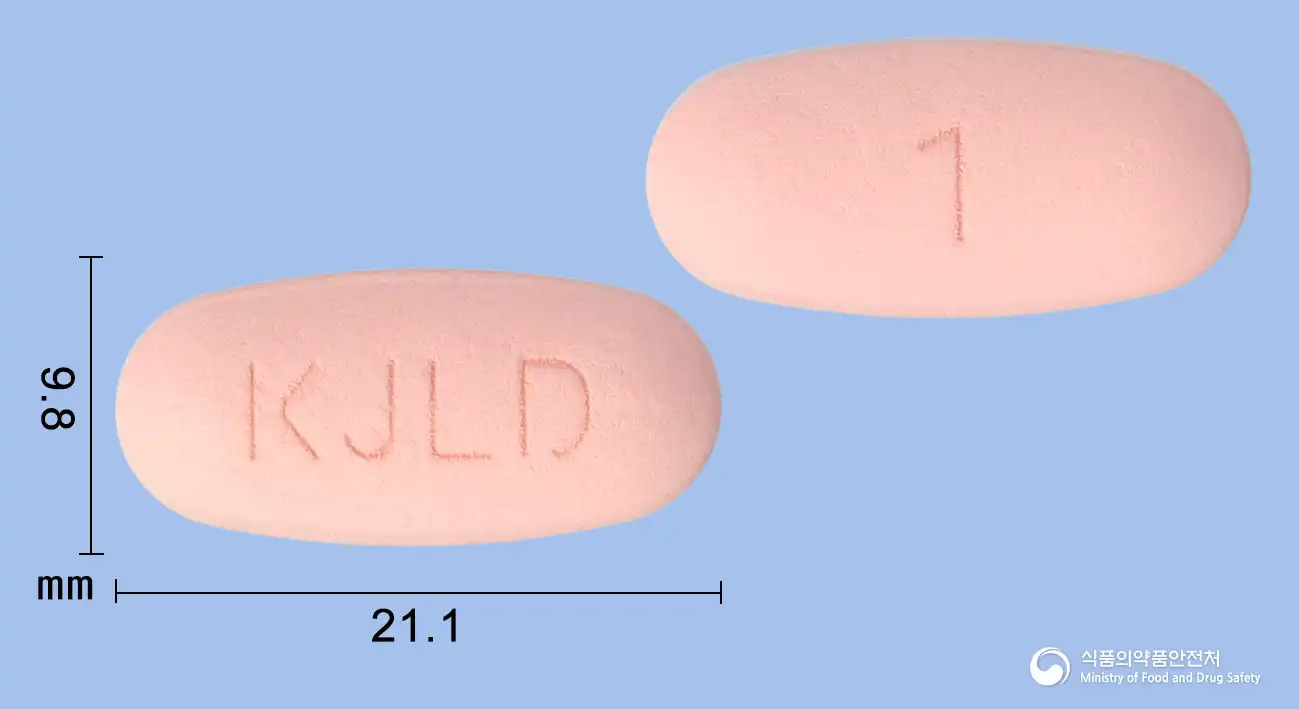
Linagliptin 2.5mg · Metformin Hydrochloride 1000mg
Tablet · Prescription medication · Combination
Kukje Pharmaceutical Co., Ltd.
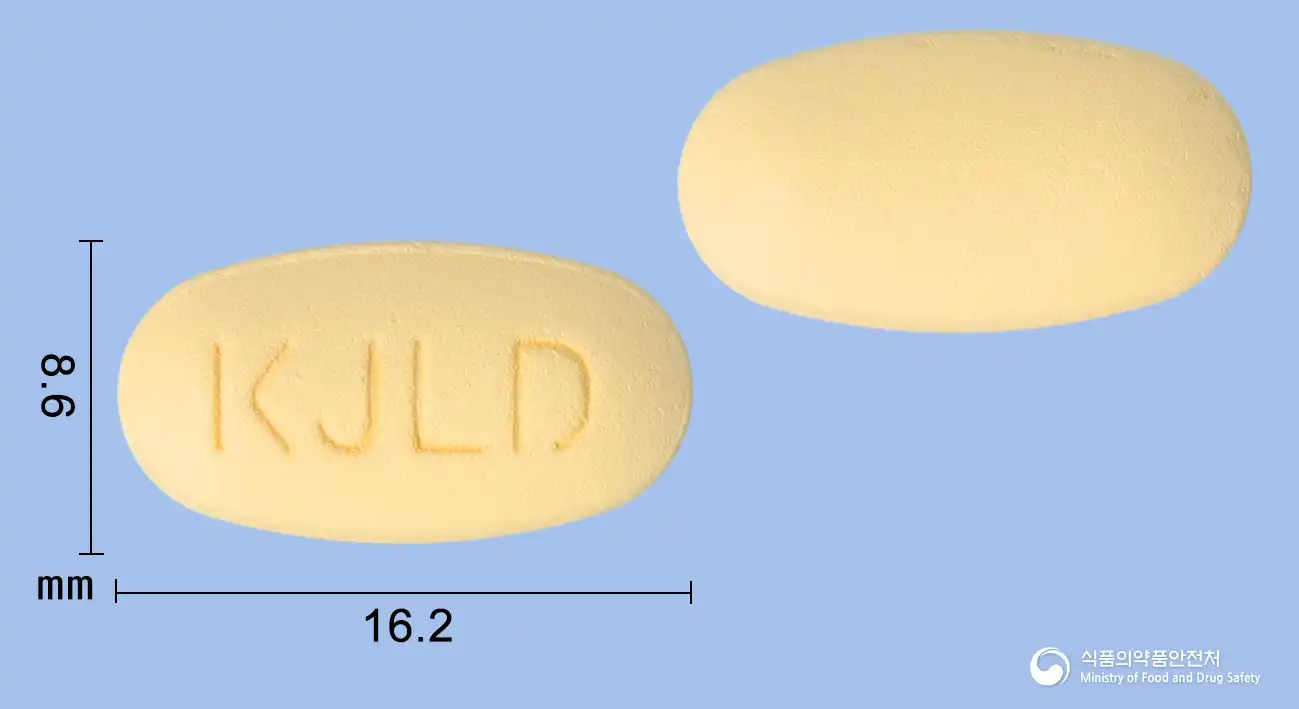 Combination
Linagliptin 2.5mg · Metformin Hydrochloride 500mg
Tablet · Prescription medication · Combination
International Pharmaceutical Co., Ltd.
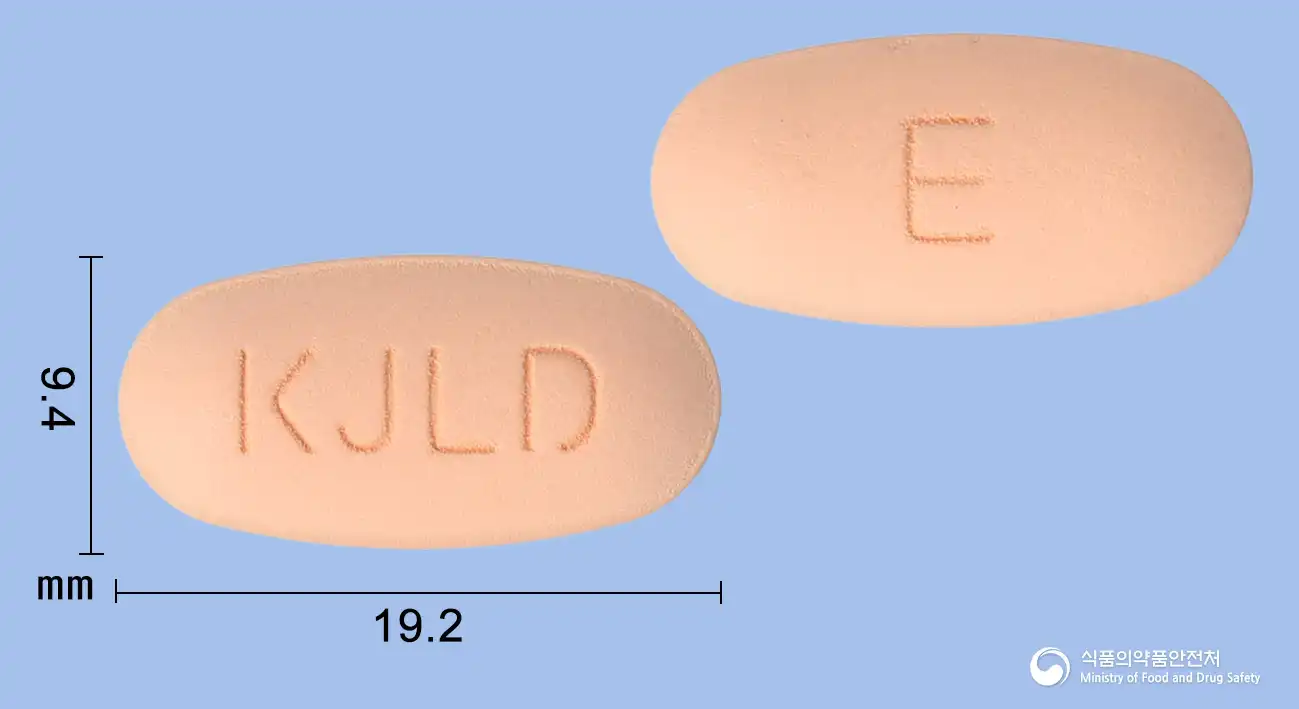 Combination
Linagliptin 2.5mg · Metformin Hydrochloride 850mg
Tablet · Prescription medication · Combination
Kookje Pharmaceutical Co., Ltd.
Even with the same ingredient, the dose and directions can differ by strength and dosage form. Talk to a doctor or pharmacist before switching from a medication you are already taking.
No questions yet.
For anything that needs medical judgment, consult a doctor or pharmacist.
This drug information is based on data provided by the Korea Ministry of Food and Drug Safety.
Consult a doctor or pharmacist for accurate dosage, administration, and usage instructions.