
 한국어
 English
 日本語
 中文(简体)
Dosage form image
Viewing nowDae Won Morphine Sulfate Injection 1mg/mL (Vial)
Morphine Sulfate Hydrate
Prescription medication
Dae Won Pharmaceutical Co., Ltd.
MFDS item code 201208284 · Approved 2012.11.15
This product's status changed to Expired on 2023.07.01. It may no longer be sold, so consult a doctor or pharmacist before taking it.
Relief of pain that does not respond to non-opioid analgesics
This medication is administered as an injection, mainly intravenously, epidurally, or intrathecally, and is used to alleviate severe pain unmanageable by non-narcotic analgesics. Especially when administered epidurally or intrathecally, it effectively reduces long-term pain without affecting motor, sensory, or sympathetic nerve functions, thereby aiding in the safe management of pain without neural blockade.
(Injection 0.5 mg/mL, 1 mg/mL) This medicine is administered intravenously, epidurally, or intrathecally. [Intravenous administration] Dose: The initial dose is 2∼10 mg per 70 kg of body weight. Administer with extreme caution to elderly patients. [Epidural administration] This medicine should be administered epidurally by a physician experienced in epidural administration, in a facility where appropriate patient monitoring is available. Resuscitation equipment and opioid antagonists (such as naloxone) should be immediately available to treat complications that may occur if the medicine is inadvertently injected intravascularly or intrathecally, and to manage respiratory depression (the usual intrathecal dose is 1/10 of the epidural dose). Since respiratory depression may be delayed, monitor the patient for at least 24 hours after each administration. Before administering this medicine, confirm that the needle or catheter is appropriately positioned in the epidural space. Appropriate confirmation methods are as follows: 1) Aspiration should show no blood or cerebrospinal fluid. Or 2) After administering 5 mL (3 mL for obstetric patients) of an injection of 1.5 % lidocaine·epinephrine (1 : 200,000) without preservatives, observe the patient for the absence of tachycardia (indicating that the injection was not intravascular) and sudden segmental paralysis (indicating that the injection was not intrathecal). Adult dose: An initial dose of 5 mg injected into the lumbar region may provide satisfactory pain relief for up to 24 hours. If adequate pain relief does not occur within 1 hour, an additional 1∼2 mg may be administered cautiously at appropriate intervals to assess the effect. Do not administer more than 10 mg over 24 hours. When administered in the thoracic region, the early and delayed onset of respiratory depression increases markedly, even at doses of 1∼2 mg. For continuous infusion, administer an initial dose of 2∼4 mg over 24 hours. If the initial dose does not provide adequate pain relief, an additional 1∼2 mg may be administered. Administer with caution to elderly patients. [Intrathecal administration] The usual intrathecal dose is 1/10 of the epidural dose. This medicine should be administered intrathecally by a physician experienced in intrathecal administration, in a facility where appropriate patient monitoring is available. Resuscitation equipment and opioid antagonists (such as naloxone) should be immediately available to treat complications that may occur if the medicine is inadvertently injected intravascularly and to manage respiratory depression. Since respiratory depression may be delayed, monitor the patient for at least 24 hours after each administration. Early and delayed onset of respiratory depression occur more frequently with intrathecal administration. Adult dose: A single injection of 0.2∼1 mg may provide satisfactory pain relief for up to 24 hours (equivalent to 0.4∼2 mL of the 0.05 % formulation or 0.2∼1 mL of the 0.1 % formulation). Do not inject more than 2 mL of the 0.05 % formulation or 1 mL of the 0.1 % formulation intrathecally. Administer only into the lumbar region. Repeated intrathecal administration is not recommended. To reduce the incidence of potential adverse reactions, naloxone may be administered by continuous intravenous infusion at 0.6 mg per hour after this medicine has been administered over 24 hours. Administer with extreme caution to elderly patients; a lower dose is usually sufficient. If pain recurs, consider administering morphine by another route because experience with repeated intrathecal administration is limited.
There is no information on administration to patients under 18 years of age. There is no information on administration to children. There is no information on administration to children.
This medication can cause severe adverse reactions when administered epidurally or intrathecally; therefore, it should be given in a hospital where emergency treatment is available for at least 24 hours after the first dose. When using an ampoule injection, care should be taken during the cutting of the container to minimize the risk of glass fragments, especially when administering to children or the elderly. This medication carries the risk of severe sedation, respiratory depression, coma, and death if used in conjunction with narcotics, benzodiazepines, or other central nervous system depressants. When such combinations are necessary, they must be done with extreme caution, using the lowest effective dose for the shortest duration. It should not be administered to patients with allergies to this medication or its components, those with ongoing asthma episodes, or patients with severe respiratory depression. Epidural or intrathecal administration is contraindicated in patients with infections at the injection site, those with bleeding tendencies, patients on anticoagulants, or those recently treated with non-oral corticosteroids. Special attention must be paid when administering to the elderly, frail, those with head injuries, individuals with a history of seizures, or those with diminished liver or kidney function; the potential for adverse effects must be closely monitored. Prolonged use of this medication can lead to drug dependence, and sudden discontinuation may result in withdrawal symptoms; thus, dosage should be reduced gradually under physician supervision. Symptoms of respiratory depression may occur, necessitating careful monitoring of the patient's respiratory status during administration. Should any abnormal symptoms arise, immediate appropriate emergency treatment must be sought. This medication may cause side effects such as constipation, nausea, vomiting, itching, and urinary retention; therefore, medical consultation is advised if symptoms develop. Women who are pregnant or may become pregnant should use this medication only when the benefits outweigh the risks, especially during labor, as it may induce respiratory depression in the newborn; precautions are necessary. Nursing mothers should cease breastfeeding, as this medication is transmitted through breast milk. Safety and efficacy in children have not been established, so it must be used cautiously in pediatric patients. Elderly patients may have diminished physiological functions, making them more susceptible to respiratory depression; administration should begin at low doses while monitoring their condition carefully. In cases of overdose, severe respiratory depression, decreased consciousness, and hypotension may occur, requiring immediate emergency treatment, and opioid antagonists may be necessary. Prior to administration, ensure that the injection solution has no discoloration or sediment, and when administering intravenously, avoid rapid infusion and administer slowly. This medication may exacerbate respiratory depression and sedation if used in conjunction with other central nervous system depressants. Therefore, careful dose adjustment and close monitoring are required during co-administration. When using this medication, it should be administered by trained healthcare professionals familiar with the characteristics and side effects of narcotic analgesics and emergency response methods, in an environment equipped for emergencies.
Yawning, sneezing, tearing, sweating, nausea, vomiting, diarrhea, abdominal pain, dilated pupils, headache, insomnia, anxiety, hallucinations, convulsions, tremors, pain in muscles and joints throughout the body, respiratory distress, palpitations, dyspnea, bradypnea, irregular breathing, apnea, head injury, increased intracranial pressure, hypotension, shock, clonic hypertonia of the lower limbs, spasms, discomfort, anxiety, toxic psychosis, abnormal euphoria, confusion, headache, dysentery, hyperalgesia, sweating, constipation, biliary colic, dry mouth, urinary retention, sepsis, oliguria, itching, urticaria, local tissue irritation response, cough reflex suppression, decreased sexual desire, menstrual irregularities, amenorrhea, temperature regulation disorder, intestinal obstruction, nausea, loss of appetite, fatigue, weakness, dizziness, hypotension, decreased sexual desire, erectile dysfunction, amenorrhea, nervous irritability, excessive movement, crying, insomnia, tremors, fever, respiratory depression, coma, deep sleep, skeletal muscle relaxation, cold skin, miosis, bradycardia, hypotension, apnea, cardiovascular collapse, cardiac arrest, death, aspiration pneumonia, chest wall rigidity
Not everyone experiences these, and they can vary from person to person.
This medication is sensitive to light and should be stored in a sealed container that blocks light. It is important to keep it at a cool temperature between 15 and 30 degrees Celsius to maintain its efficacy.
Brown vial containing a colorless transparent liquid
5mL/vial X 10
Even with the same ingredient, strength, dosage form and how it is taken can differ.
Morphine Sulfate Hydrate
Prescription medication
Dae Won Pharmaceutical Co., Ltd.
Morphine Sulfate Hydrate 1mg
Injections · Prescription medication
Myungmoon Pharmaceutical Co., Ltd.
Morphine Sulfate Hydrate
Prescription medication
Hana Pharmaceutical Co., Ltd.
Morphine Sulfate Hydrate 1mg
Injections · Prescription medication
Hana Pharmaceutical Co., Ltd.

Morphine Sulfate Hydrate 10mg
Tablet · Prescription medication
Hana Pharmaceutical Co., Ltd.
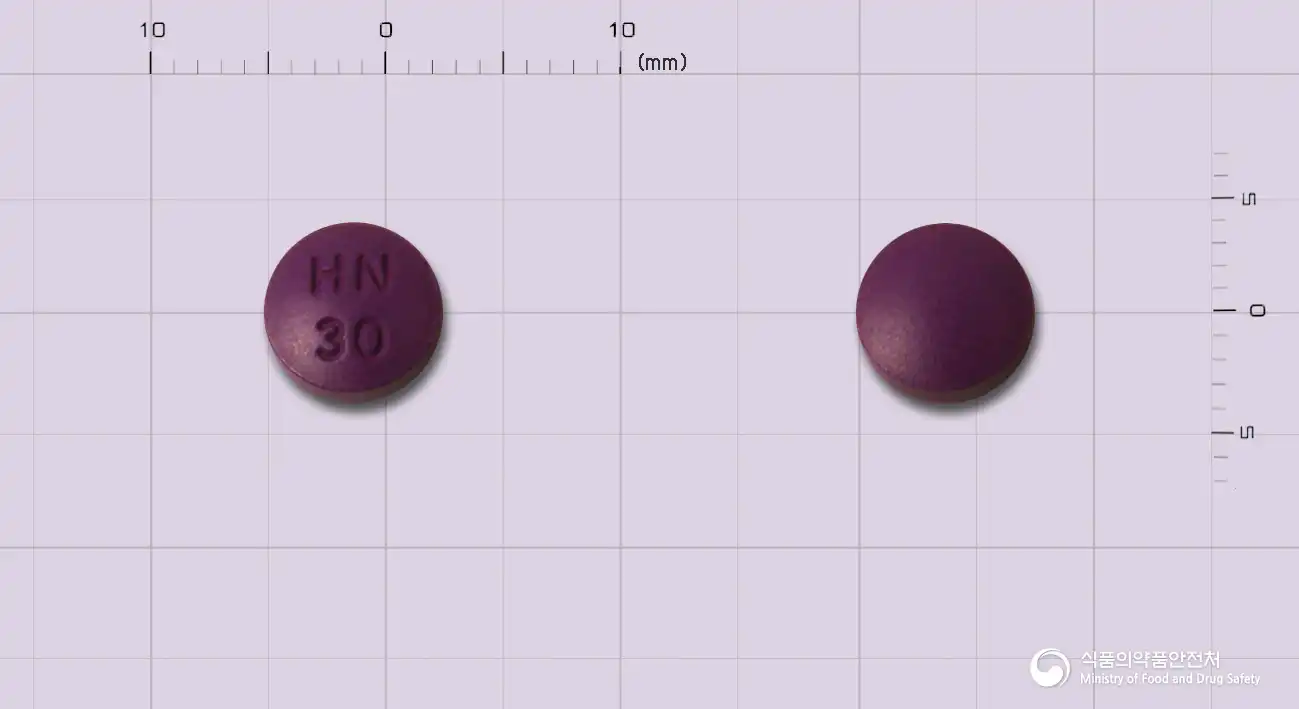
Morphine Sulfate Hydrate 30mg
Tablet · Prescription medication
Hana Pharmaceutical Co., Ltd.
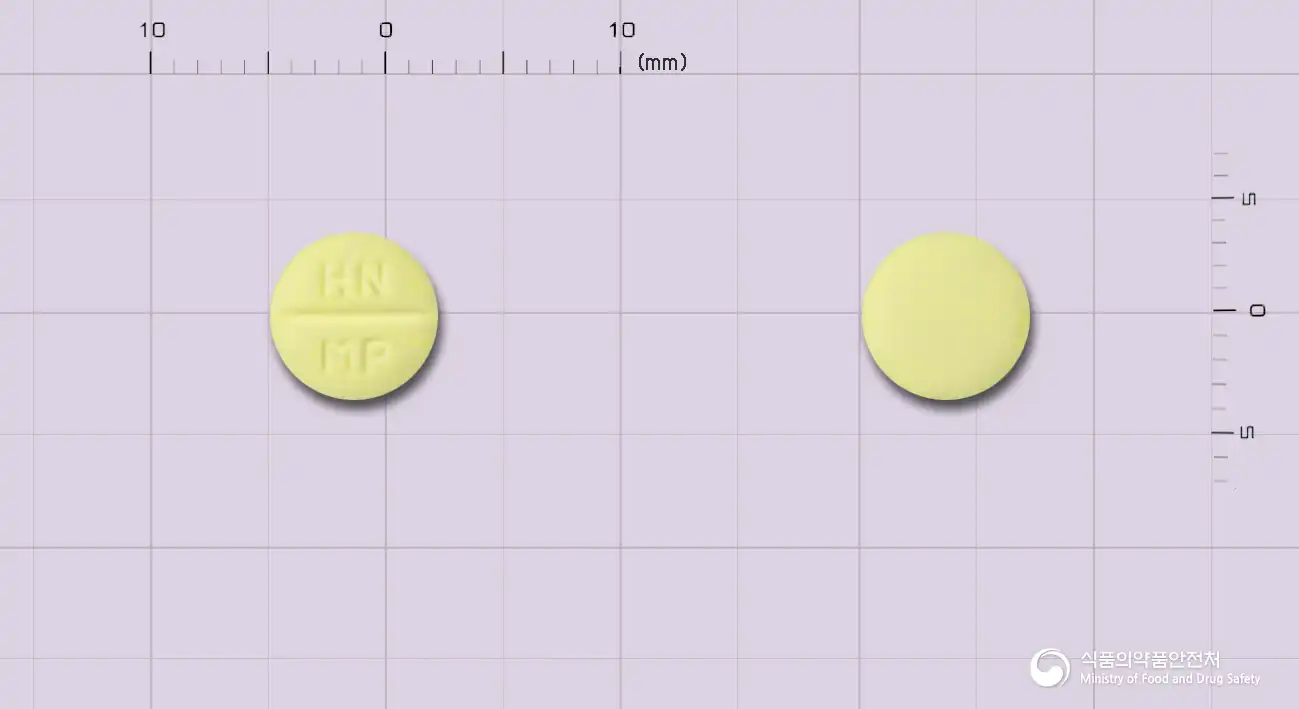
Morphine Sulfate Hydrate 15mg
Tablet · Prescription medication
Hana Pharmaceutical Co., Ltd.
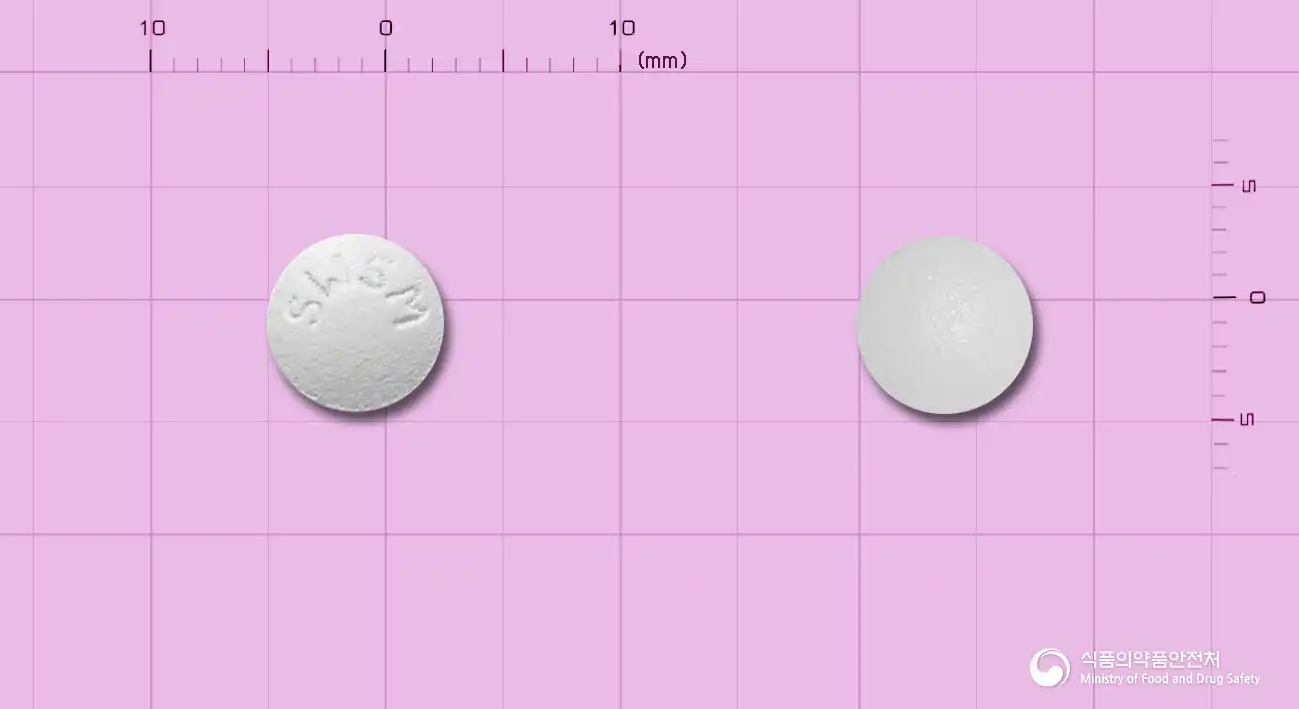
Morphine Sulfate Hydrate 15mg
Tablet · Prescription medication
Sungwon Adcock Pharmaceutical Co., Ltd.
Even with the same ingredient, the dose and directions can differ by strength and dosage form. Talk to a doctor or pharmacist before switching from a medication you are already taking.
No questions yet.
For anything that needs medical judgment, consult a doctor or pharmacist.
This drug information is based on data provided by the Korea Ministry of Food and Drug Safety.
Consult a doctor or pharmacist for accurate dosage, administration, and usage instructions.