
 한국어
 English
 日本語
 中文(简体)
 Viewing now
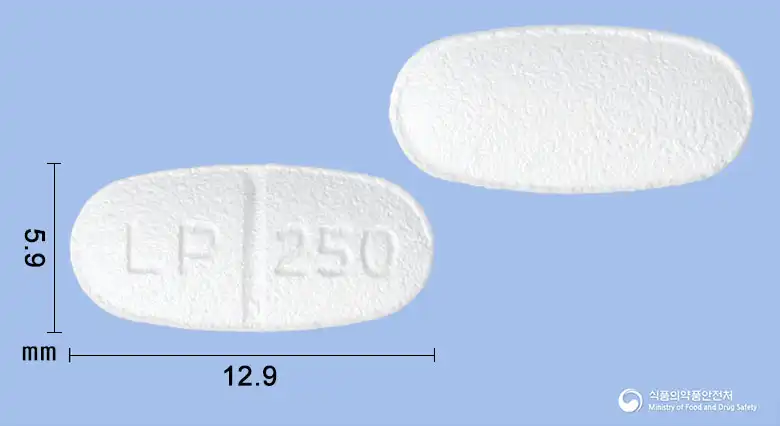
Lepphil Tablet 250 mg (Levetiracetam)
Levetiracetam 250mg
Tablet · Prescription medication
Hanlim Pharmaceutical Co., Ltd.
MFDS item code 201207472 · Approved 2012.10.29 · Insurance code 645304540
Epilepsy monotherapy (partial seizures); adjunctive therapy (including myoclonic seizures)
This medication is used alone to treat secondary generalized seizures or partial seizures in patients diagnosed with epilepsy for the first time at age 4 and older. Additionally, it is used as an adjunct in cases where control is difficult with existing first-line antiepileptic treatments. In patients aged 12 and older, it is also effective for treating myoclonic seizures associated with juvenile myoclonic epilepsy and generalized epilepsy. It can be conveniently replaced with an injectable form in situations where oral administration is difficult. This drug is used for the treatment of various types of seizures.
Film-coated tablets and oral solution are administered orally and may be taken with or without food. Take with plenty of water. The daily dose should be divided into 2 equal doses and administered twice daily. Levetiracetam treatment may be initiated intravenously or orally. When switching from oral to intravenous administration or vice versa, the change may be made directly without dose titration; the total daily dose and frequency of administration should remain the same. Monotherapy and adjunctive therapy for partial-onset seizures Adults (18 years of age and older) and adolescents weighing 50kg or more (12~17 years): Start this drug at 500mg twice daily. However, based on the physician's assessment of potential adverse reactions relative to seizure reduction, the initial dose may be lowered to 250mg twice daily and increased to 500mg twice daily after 2 weeks. Depending on clinical response and tolerability, the dose may be increased or decreased every 2 to 4 weeks by 500mg per day [250mg per dose, twice daily] or 1000mg per day [500mg per dose, twice daily]. The maximum recommended dose is 3000mg per day [1500mg per dose, twice daily]. Adjunctive therapy for myoclonic seizures in pediatric patients (12 years of age and older): Start this drug at 500mg twice daily. However, based on the physician's assessment of potential adverse reactions relative to seizure reduction, the initial dose may be lowered to 250mg twice daily and increased to 500mg twice daily after 2 weeks. Depending on clinical response and tolerability, the dose may be increased or decreased every 2 weeks by 500mg per day [250mg per dose, twice daily] or 1000mg per day [500mg per dose, twice daily]. The maximum recommended dose is 3000mg per day [1500mg per dose, twice daily]. Efficacy has not been studied at doses below 3,000mg per day. Adjunctive therapy for primary generalized tonic-clonic seizures (12 years of age and older) Adults (18 years of age and older) and adolescents weighing 50kg or more (12-17 years): Start this drug at 1,000mg per day [500mg per dose, twice daily]. However, based on the physician's assessment of potential adverse reactions relative to seizure reduction, the initial dose may be lowered to 250mg twice daily and increased to 500mg twice daily after 2 weeks. Depending on clinical response and tolerability, the dose may be increased or decreased every 2 weeks by 500mg per day [250mg per dose, twice daily] or 1000mg per day [500mg per dose, twice daily]. The maximum recommended dose is 3000mg per day [1500mg per dose, twice daily]. Efficacy has not been adequately studied at doses below 3,000mg per day. Patients with renal impairment: Since levetiracetam clearance is related to renal function, administer an individualized dose according to the patient's renal function. See the table below for dose adjustment in adults. Normal, creatinine clearance ≥ 80 (mL/min/1.73m2): 500-1,500mg per dose, twice daily (12-hour interval) Mild, creatinine clearance 50-79: 500-1,000mg per dose, twice daily (12-hour interval) Moderate, creatinine clearance 30-49: 250-750mg per dose, twice daily (12-hour interval) Severe, creatinine clearance < 30: 250-500mg per dose, twice daily (12-hour interval) End-stage renal disease patients on dialysis(1), creatinine clearance -: 500-1,000mg per dose, once daily(2) (1) An initial loading dose of 750mg is recommended on the first day of administration. (2) An additional dose of 250-500mg is recommended after dialysis. Patients with hepatic impairment: No dose adjustment is necessary in patients with mild to moderate hepatic impairment. In patients with severe hepatic impairment, creatinine clearance may underestimate renal impairment. Therefore, if creatinine clearance is below 60mL/min/1.73m2, a 50% reduction in the daily maintenance dose is recommended. Elderly patients (65 years of age and older): Dose adjustment is recommended in elderly patients with impaired renal function.
Monotherapy and adjunctive therapy for partial-onset seizures (4 years of age and older) Children 4~11 years of age and adolescents 12~17 years of age weighing less than 50kg: Start with an initial dose of 10mg/kg per dose twice daily. Depending on clinical response and tolerability, the dose may be increased up to 60mg/kg per day [30mg/kg per dose, twice daily]. Dose changes should not exceed an increase or decrease of 20mg/kg per day [10mg/kg per dose, twice daily] every 2 weeks. Use the lowest effective dose. The maximum recommended dose is 3000mg per day. Children weighing 20kg or less: It is recommended to initiate treatment with the 100mg/ml oral solution. Children weighing 20~40kg: Start at 500mg per day [250mg per dose, twice daily], increasing by 500mg per day every 2 weeks to a maximum of 1500mg per day [750mg per dose, twice daily]. Children weighing more than 40kg: Start at 1000mg per day [500mg per dose, twice daily], increasing by 1000mg per day every 2 weeks to a maximum of 3000mg per day [1500mg per dose, twice daily]. Children weighing 50kg or more: The dose is the same as the adult dose. Adjunctive therapy for primary generalized tonic-clonic seizures (12 years of age and older) Adolescents 12-17 years of age weighing less than 50kg: Start this drug at 20mg/kg per day [10mg/kg per dose, twice daily]. Increase the dose by 20mg/kg per day [10mg/kg per dose, twice daily] every 2 weeks up to the recommended daily dose of 60mg/kg [30mg/kg per dose, twice daily]. Efficacy has not been adequately studied at doses below 60mg/kg per day. Patients with renal impairment: Use the following formulas for infants, children, and adolescents. ks= 0.45 (infants under 1 year of age) ; ks= 0.55 (children under 13 years of age and female adolescents) ks= 0.7 (male adolescents) Dose adjustment for pediatric patients and adolescents weighing less than 50kg with renal impairment Normal, creatinine clearance ≥ 80 (ml/min/1.73m2): dose and regimen per dose 10-30mg/kg (0.10-0.30 ml/kg), twice daily Mild, creatinine clearance 50-79: dose and regimen per dose 10-20mg/kg (0.10-0.20 ml/kg), twice daily Moderate, creatinine clearance 30-49: dose and regimen per dose 5-15mg/kg (0.05-0.15ml/kg), twice daily Severe, creatinine clearance < 30: dose and regimen per dose 5-10 mg/kg (0.05-0.10ml/kg), twice daily End-stage renal disease patients on dialysis, creatinine clearance --: dose and regimen per dose 10-20mg/kg (0.10-0.20 ml/kg), once daily(1)(2) (1) A loading dose of 15 mg/kg (0.15ml/kg) is recommended on the first day of administration. (2) An additional dose of 5-10 mg/kg (0.05-0.10ml/kg) is recommended after dialysis. Pediatric patients: Oral formulations are not recommended for infants under 1 month of age because of insufficient safety and efficacy data. Tablet administration is not applicable to children 4 years of age or younger; the oral solution should be administered to infants 1 month of age and older. Injection is not recommended for children under 16 years of age because its safety and efficacy have not been established.
This medication is used for epilepsy treatment, and there is an increased risk of suicidal thoughts or behaviors in patients taking it; therefore, any mood changes or depressive symptoms during treatment should be immediately reported to medical staff. Central nervous system side effects such as drowsiness, fatigue, coordination impairment, and behavioral changes may frequently occur at the beginning of treatment, so caution is necessary. Abruptly discontinuing this medication can exacerbate seizures; therefore, it should be gradually reduced before stopping. Patients with known allergies to the active ingredient or any components of this drug, including those with lactose intolerance, should not be administered this medication. Patients with suicidal thoughts or depressive symptoms should consult with medical staff before and during administration, and those with impaired renal function may require dose adjustments. Decreased blood cell counts, abnormal behaviors, aggressiveness, worsening seizures, or electrocardiographic changes may occur; any unusual symptoms should be immediately reported to medical staff. Drowsiness or reduced concentration may occur during treatment; caution is required when driving or operating machinery. Women who are pregnant or planning to become pregnant should consult with medical staff regarding the use of this medication, and nursing mothers should carefully decide on breastfeeding as the drug may be passed through breast milk. Special caution is required when administering to children or the elderly, particularly in elderly patients with impaired renal function who may require dose adjustments. In cases of overdose, measures such as vomiting or gastric lavage may be necessary to eliminate the drug, and symptomatic treatment including hemodialysis may be required. Drug interactions are relatively few; however, monitoring of blood concentrations is necessary when used concurrently with other antiepileptic medications or specific drugs. This drug should not be administered in tablet form to children under 4 years of age or under 1 month of age but should be administered as a solution to infants. Medications should be stored out of reach of children, and transferring to other containers should be avoided as it may lead to accidents or degradation of quality.
Not everyone experiences these, and they can vary from person to person.
This medication should be stored in a tightly closed container to protect it from air and moisture, and it is best kept at room temperature between 1 and 30 degrees Celsius. Doing so helps to maintain its efficacy and prevent degradation.
White oval film-coated tablets
30 tablets per bottle
Even with the same ingredient, strength, dosage form and how it is taken can differ.
Viewing nowLevetiracetam 250mg
Tablet · Prescription medication
Hanlim Pharmaceutical Co., Ltd.
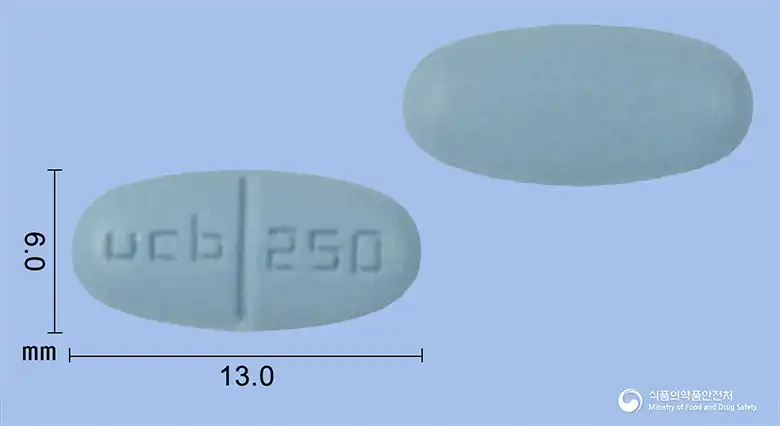
Levetiracetam 250mg
Tablet · Prescription medication
UCB Korea Co., Ltd.
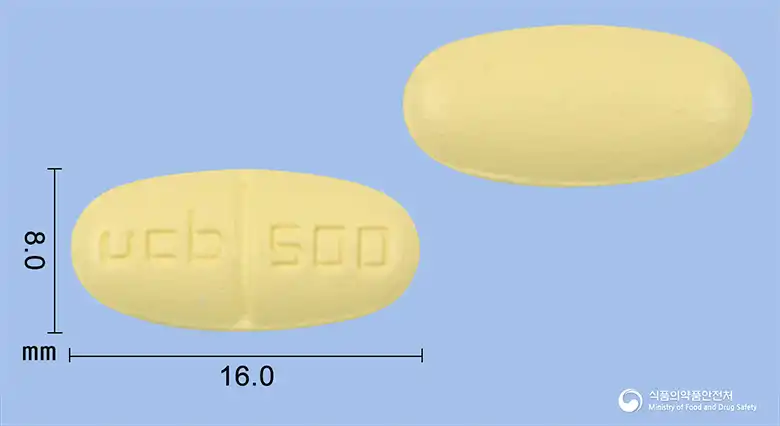
Levetiracetam 500mg
Tablet · Prescription medication
UCB Korea Co., Ltd.
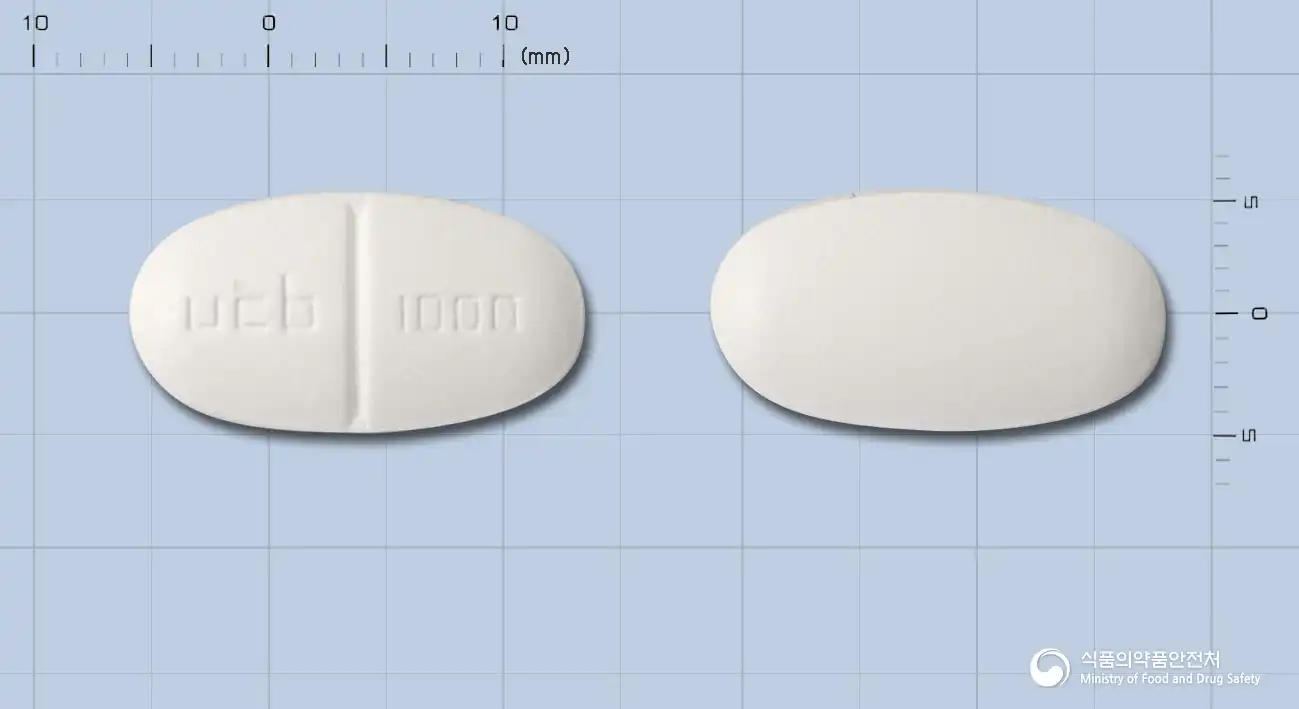
Levetiracetam 1000mg
Tablet · Prescription medication
UCB Korea Co., Ltd.
Levetiracetam 10g
Solution · Prescription medication
UCB Korea Co., Ltd.
Levetiracetam 500mg
Injections · Prescription medication
UCB Pharma Co., Ltd.
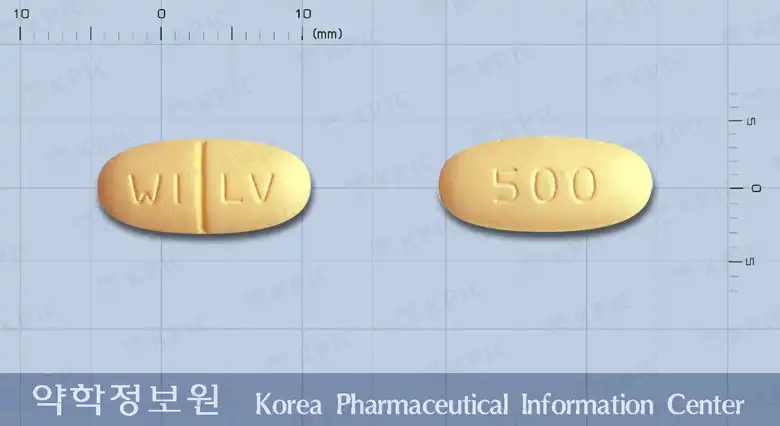
Levetiracetam 500mg
Tablet · Prescription medication
Hanmi Pharmaceutical Co., Ltd.
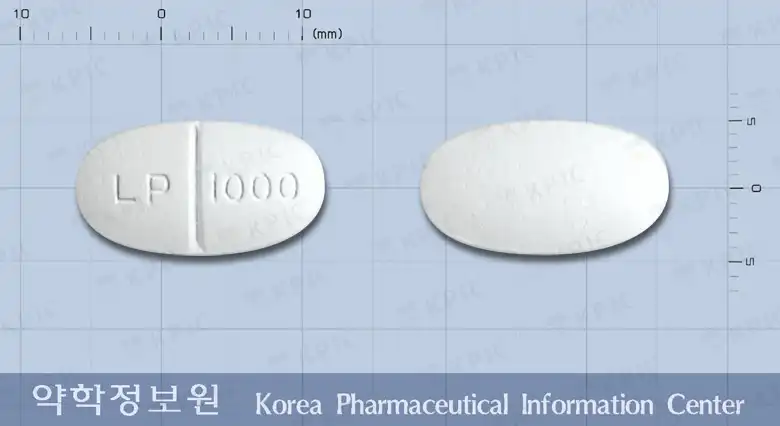
Levetiracetam 1000mg
Tablet · Prescription medication
Hanlim Pharmaceutical Co., Ltd.
Even with the same ingredient, the dose and directions can differ by strength and dosage form. Talk to a doctor or pharmacist before switching from a medication you are already taking.
No questions yet.
For anything that needs medical judgment, consult a doctor or pharmacist.
This drug information is based on data provided by the Korea Ministry of Food and Drug Safety.
Consult a doctor or pharmacist for accurate dosage, administration, and usage instructions.