
 한국어
 English
 日本語
 中文(简体)
 Viewing now
Patenion Tablet 20 mg (Sildenafil Citrate)
Sildenafil Citrate 28.09mg
Tablet · Prescription medication
Hanmi Pharmaceutical Co., Ltd.
MFDS item code 201207301 · Approved 2012.10.18 · Insurance code 643506380
Improvement of exercise capacity in patients with pulmonary arterial hypertension (WHO functional class II or III)
This medicine helps improve exercise capacity in patients with pulmonary arterial hypertension (WHO Group I) classified as WHO functional class II or III. However, its efficacy in patients currently receiving bosentan has not been evaluated, so consultation with a physician is necessary. This medication is used to enhance the quality of life and exercise function in patients with pulmonary arterial hypertension.
Treatment should be initiated and monitored by a physician experienced in the treatment of patients with pulmonary arterial hypertension. 1) Adults (18 years of age or older) The recommended dose of this medication is 20 mg (as sildenafil) 3 times daily. This medication should be taken at intervals of approximately 4 ~ 6 hours, with or without food. In clinical trials, higher doses than the recommended dose of this medication did not result in greater efficacy. Therefore, doses higher than the recommended dose are not recommended. In addition, lower doses than the recommended dose have not been studied, and their efficacy is unknown. 2) Older adults aged 65 years or older Determine the dose taking into consideration the patient's liver, kidney, and heart function, comorbidities, and concomitant medications. 3) Patients with renal impairment Dose adjustment is generally not necessary when administering this medication to patients with renal impairment, including those with severe renal impairment (creatinine clearance < 30 ml/min). However, if tolerability is poor, adjust the regimen according to the patient's condition (e.g., 20 mg twice daily). 4) Patients with hepatic impairment Dose adjustment is not necessary when administering this medication to patients with hepatic impairment (Child-Pugh class A and B). However, if tolerability is poor, adjust the regimen according to the patient's condition (e.g., 20 mg twice daily). This medication should not be administered to patients with severe hepatic impairment. (See Precautions for Use, 2. Patients who should not receive this medication.) 5) Discontinuation of treatment To reduce adverse reactions associated with discontinuation, gradually reduce the dose while stopping the medication. Careful monitoring is required when discontinuing the medication. 6) Use in patients receiving other treatments The safety and efficacy of concomitant use of this medication with other treatments for pulmonary arterial hypertension (e.g., bosentan, epoprostenol, iloprost) have not been studied. In addition, concomitant use with CYP450 3A4 inhibitors (ketoconazole, itraconazole, erythromycin, saquinavir) may increase blood concentrations, thereby increasing the effects of the medication and the incidence of adverse reactions. Patients receiving concomitant ritonavir should not exceed a maximum single dose of 25 mg over 48 hours.
This medication may cause a lowering of blood pressure due to its vasodilating effects, so caution is advised when taken with medications that also lower blood pressure, such as nitrate preparations or NO donors. Patients with cardiovascular disease or a recent history of myocardial infarction, stroke, or heart failure must consult a physician before taking this medication. This medication is not recommended for patients with uncontrolled hypotension or hypertension, or for those with pigment retinopathy. Patients with specific heart conditions or autonomic nervous system disorders should be careful due to potential side effects from this medication's vasodilating effects. This medication may greatly increase blood concentration when taken with certain protease inhibitors, so patients taking these medications should carefully consider dosage adjustments or whether to take this medication. There is insufficient safety data regarding pediatric patients, and an increase in mortality has been observed with long-term use, so pediatric use is not recommended. Side effects such as headaches, flushing, dyspepsia, back pain, diarrhea, and limb pain may commonly occur, and patients should consult a physician if symptoms are severe. If vision changes or sudden hearing loss occur, it is essential to stop taking the medication immediately and inform healthcare professionals. Women who are pregnant or breastfeeding should avoid this medication unless absolutely necessary, as its safety has not been established. This medication has many interactions with other drugs, so patients must inform their physician or pharmacist of all medications they are currently taking. If symptoms of blood pressure drop or dizziness appear, maintain a safe posture and consult a healthcare professional if necessary. Regular check-ups and monitoring as directed by a physician are necessary before and during the use of this medication.
Not everyone experiences these, and they can vary from person to person.
This medication should be stored in a closed container as it may be sensitive to air or moisture. The storage temperature should be maintained between 1 degree and 30 degrees Celsius.
Pale pink round film-coated tablet
90 tablets/bottle
Even with the same ingredient, strength, dosage form and how it is taken can differ.
Viewing nowSildenafil Citrate 28.09mg
Tablet · Prescription medication
Hanmi Pharmaceutical Co., Ltd.

Sildenafil Citrate 35.112mg
Tablet · Prescription medication
Viatriss Korea Co., Ltd.
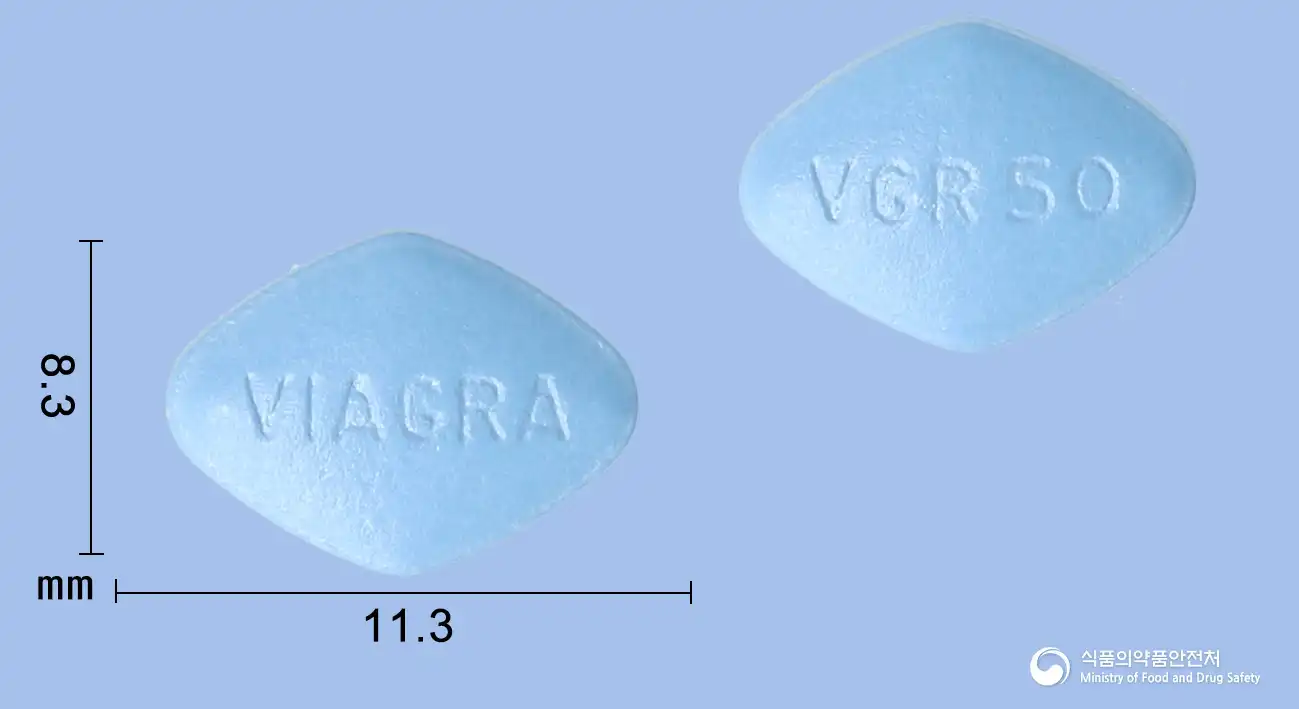
Sildenafil Citrate 70.225mg
Tablet · Prescription medication
Viatris Korea Co., Ltd.
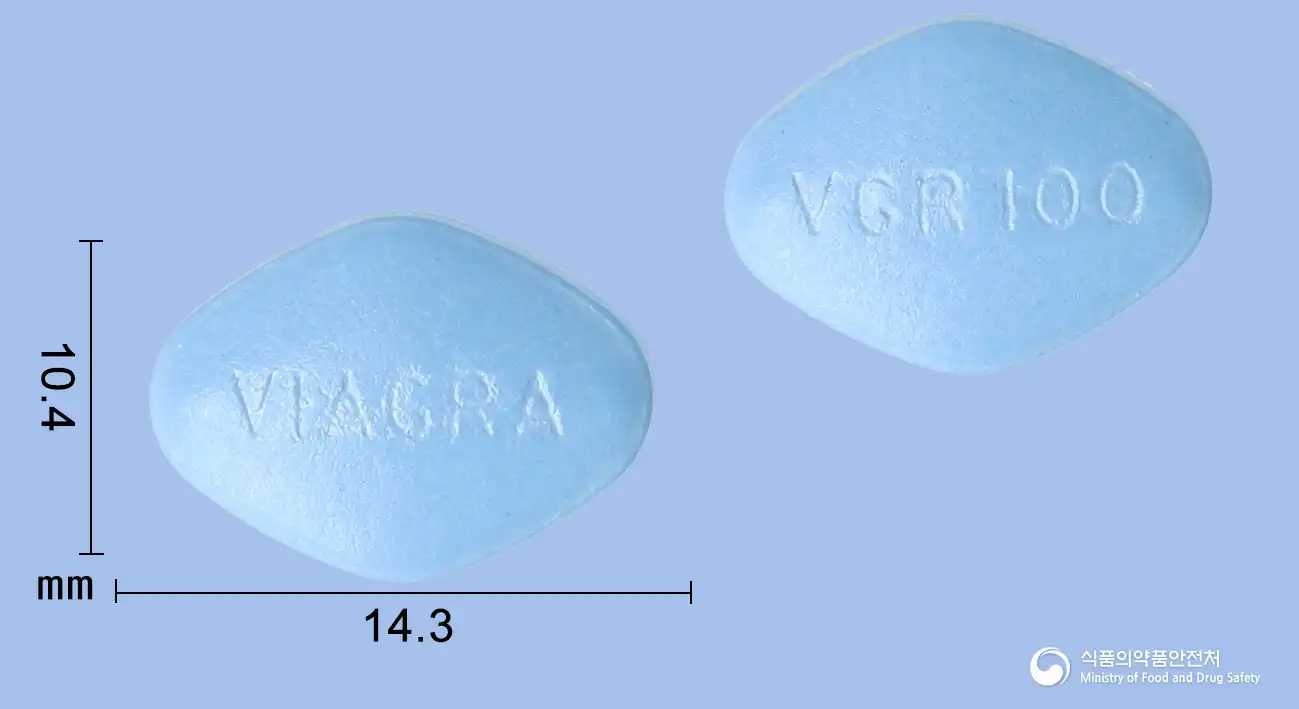
Sildenafil Citrate 140.45mg
Tablet · Prescription medication
Viatris Korea Co., Ltd.

Sildenafil Citrate 140.45mg
Tablet · Prescription medication
Albozen Korea Co., Ltd.

Sildenafil Citrate 140.45mg
Tablet · Prescription medication
Korea Union Pharmaceutical Co., Ltd.

Sildenafil Citrate 70.23mg
Tablet · Prescription medication
Hanmi Pharmaceutical Co., Ltd.

Sildenafil Citrate 140.45mg
Tablet · Prescription medication
Hanmi Pharmaceutical Co., Ltd.
Even with the same ingredient, the dose and directions can differ by strength and dosage form. Talk to a doctor or pharmacist before switching from a medication you are already taking.
No questions yet.
For anything that needs medical judgment, consult a doctor or pharmacist.
This drug information is based on data provided by the Korea Ministry of Food and Drug Safety.
Consult a doctor or pharmacist for accurate dosage, administration, and usage instructions.