
 한국어
한국어 English
 日本語
日本語 中文(简体)
 Viewing now
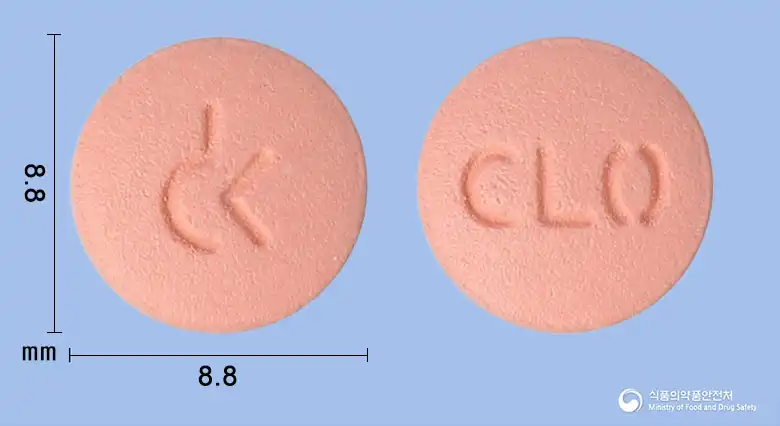
Clopidogrel Tablets (Clopidogrel Hydrochloride)
Clopidogrel Bisulfate 97.875mg
Tablet · Prescription medication
Dongkuk Pharmaceutical Co., Ltd.
MFDS item code 201206954 · Approved 2012.09.26 · Insurance code 653402630
Improvement of atherosclerotic symptoms such as ischemic stroke and myocardial infarction, and reduction of risks of stroke and thromboembolism
This medicine is used to improve the condition of adult patients with atherosclerotic symptoms such as ischemic stroke, myocardial infarction, and peripheral arterial disease. Additionally, it helps alleviate atherosclerotic symptoms while reducing the risks of death, myocardial infarction, and stroke due to cardiovascular anomalies in patients with acute coronary syndrome, particularly those with unstable angina or non-Q-wave myocardial infarction. Furthermore, it has the effect of reducing the risk of stroke and thromboembolism in patients with atrial fibrillation, where vitamin K antagonists are not suitable. Due to these effects, positive therapeutic effects can be expected in various cardiovascular diseases. Therefore, this medicine is used to improve and manage cardiovascular risk factors associated with atherosclerotic symptoms.
1. For patients with ischemic stroke, myocardial infarction, or peripheral arterial disease, take 75 mg of clopidogrel orally once daily. 2. For patients with acute coronary syndrome (unstable angina or non-Q wave myocardial infarction), initiate treatment on the first day with a loading dose of 300 mg once daily and then continue with a maintenance dose of 75 mg once daily thereafter. At this time, aspirin 75–325 mg should be taken once daily along with the drug.
This medicine is a drug that inhibits the aggregation of platelets in the blood to prevent thrombus formation. This drug is converted into an active metabolite by a specific enzyme, CYP2C19, in the liver, and its efficacy may be reduced in individuals with genetically impaired function of this enzyme. If the concentration of the active metabolite becomes too high, the risk of bleeding may increase; therefore, it is important to avoid taking it with drugs that activate CYP2C19. Patients with allergies to this drug or its components, those with bleeding, patients with severe liver damage, and nursing mothers should not take this medicine. Patients at high risk of bleeding, patients with poor liver or kidney function, the elderly, and underweight patients should use this drug cautiously, and it is recommended to discontinue the drug 5 to 7 days before any scheduled surgery. Because this drug may increase the risk of bleeding, any bleeding symptoms should be reported immediately to healthcare professionals, and caution is needed when combined with other medications that have a risk of bleeding. During the course of this medication, regular blood tests should be conducted to monitor for bleeding or blood abnormalities. Pregnant women should carefully consider the use of this drug, unless in an emergency, and it is recommended to discontinue medication around the time of delivery due to a risk of bleeding. Nursing mothers should carefully assess whether to breastfeed while taking this drug, as it may be excreted in breast milk. In cases of overdose, bleeding time may be prolonged, and bleeding complications may occur, so it is imperative to adhere to the prescribed dosage. The safety and efficacy of this drug have not been established in children, so its use is not recommended. During the course of this medication, keep a close watch for any unusual symptoms such as bleeding, allergic reactions, gastrointestinal disturbances, skin rashes, headache, dizziness, abdominal pain, dyspepsia, diarrhea, nausea, hypercholesterolemia, arthralgia, back pain, bruising/sprains, epistaxis, depression, upper respiratory tract infections, rhinitis, bronchitis, cough, rash, pruritus, urinary tract infections, decreased motor function, tremors, voice disturbances, abnormal gait, hyperkinesia, ataxia, perceptual abnormalities, constipation, vomiting, and insomnia.
Urticaria, angioedema, chest tightness, difficulty breathing, cold sweats, paleness, severe rash with high fever, blisters, skin peeling, pain in mouth/eye mucous membranes, shortness of breath or difficulty breathing, asthma attack, respiratory abnormalities accompanied by cough + fever, jaundice (yellowing of the skin or eyes), severe lethargy, sudden and severe headache, thunderclap headache, seizures, confusion, visual disturbances, paralysis, markedly reduced urine output
Not everyone experiences these, and they can vary from person to person.
This medication should be stored in a tightly sealed container to prevent exposure to air or moisture. Additionally, it is best to store the medication at room temperature between 1 and 30 degrees Celsius, away from extreme heat or cold.
Pink round film-coated tablet
30 tablets/bottle, 100 tablets/bottle
Even with the same ingredient, strength, dosage form and how it is taken can differ.
Viewing nowClopidogrel Bisulfate 97.875mg
Tablet · Prescription medication
Dongkuk Pharmaceutical Co., Ltd.
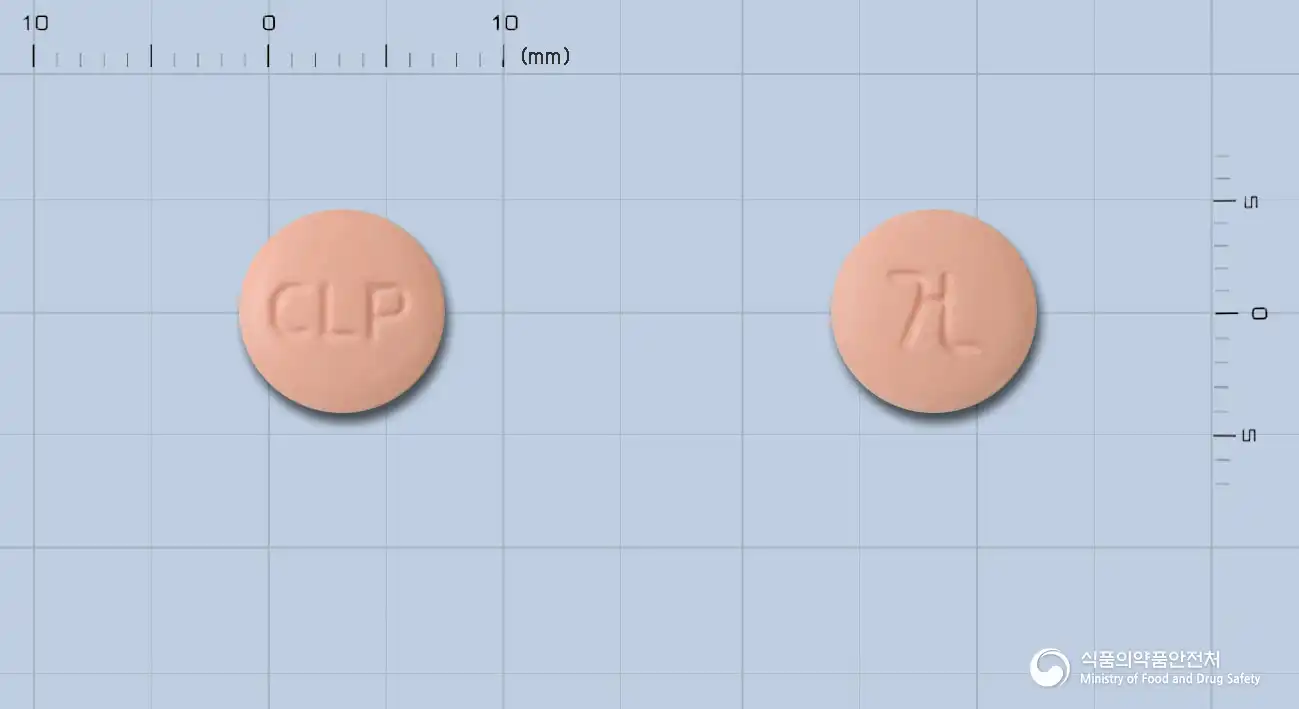
Clopidogrel Bisulfate 97.875mg
Tablet · Prescription medication
Geonil Pharmaceutical Co., Ltd.
Clopidogrel Bisulfate 97.875mg
Tablet · Prescription medication
Sama Pharmaceutical Co., Ltd.
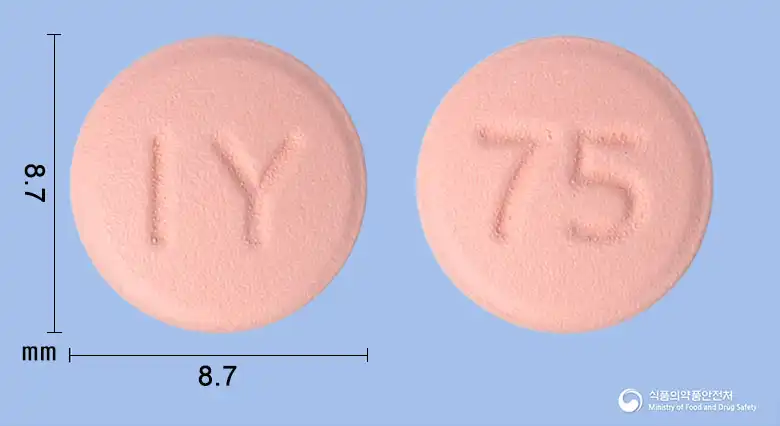
Clopidogrel Bisulfate 97.875mg
Tablet · Prescription medication
Il Yang Pharmaceutical Co., Ltd.
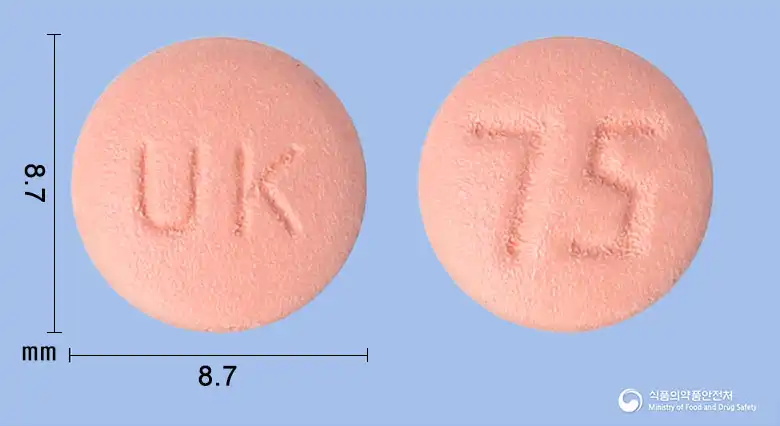
Clopidogrel Bisulfate 97.875mg
Tablet · Prescription medication
Korea Union Pharmaceutical Co., Ltd.
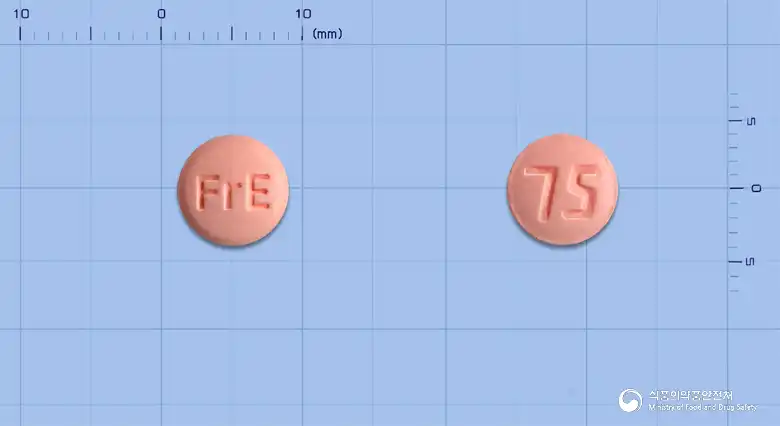
Clopidogrel Bisulfate 97.875mg
Tablet · Prescription medication
(Co., Ltd.) Korea Pharma
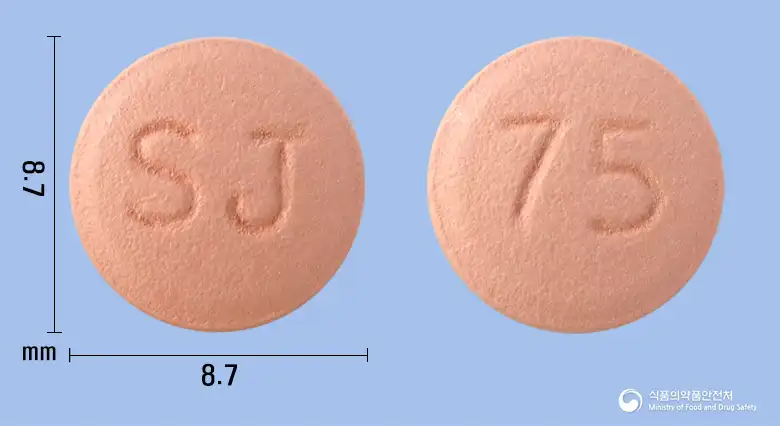
Clopidogrel Bisulfate 97.875mg
Tablet · Prescription medication
Samjin Pharmaceutical Co., Ltd.
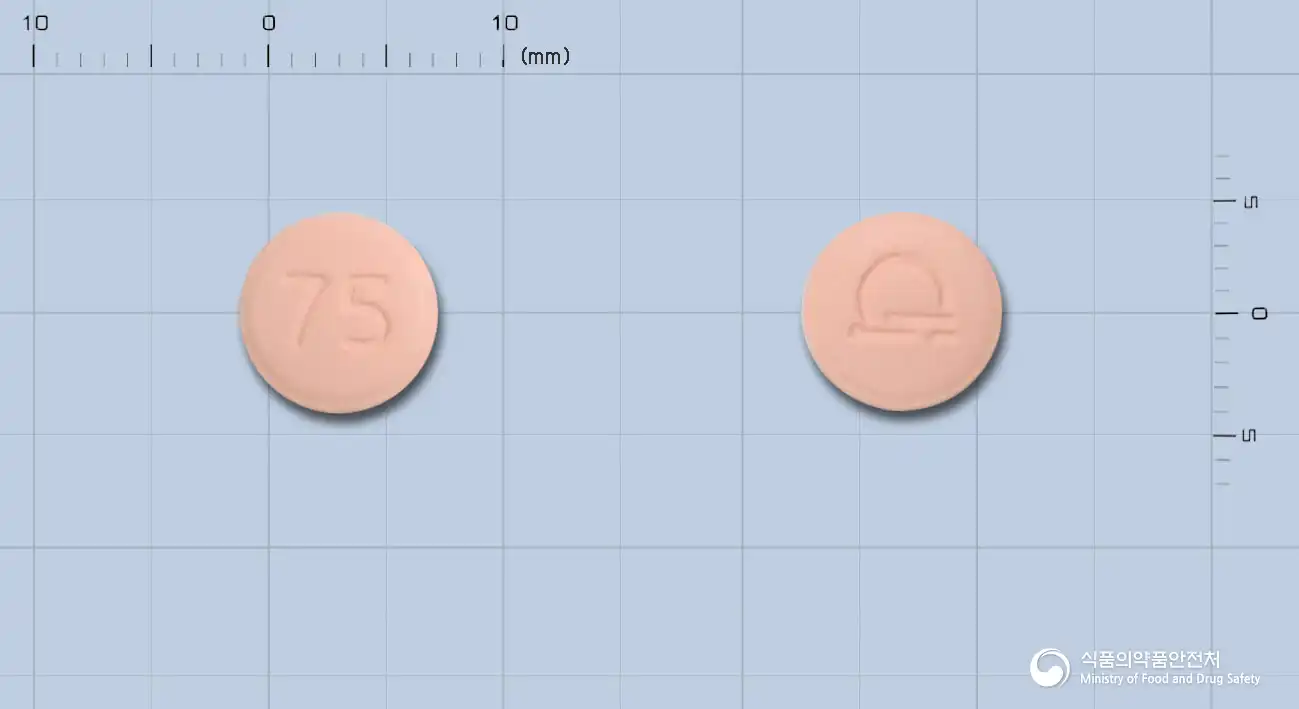
Clopidogrel Bisulfate 97.875mg
Tablet · Prescription medication
Daewon Pharmaceutical Co., Ltd.
Even with the same ingredient, the dose and directions can differ by strength and dosage form. Talk to a doctor or pharmacist before switching from a medication you are already taking.
No questions yet.
For anything that needs medical judgment, consult a doctor or pharmacist.
This drug information is based on data provided by the Korea Ministry of Food and Drug Safety.
Consult a doctor or pharmacist for accurate dosage, administration, and usage instructions.