
 한국어
 English
 日本語
 中文(简体)
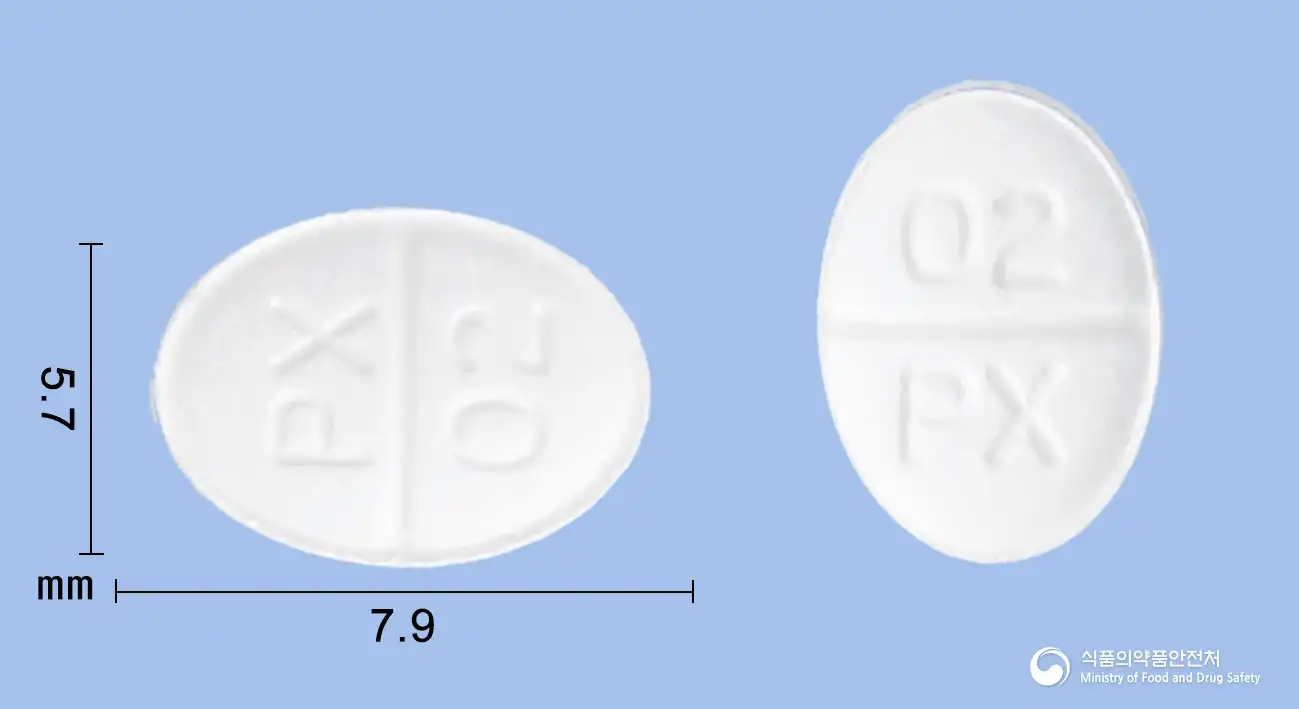 Viewing now
Pramipexole Hydrochloride Dihydrate 0.25 mg Tablet
Pramipexole Dihydrochloride Monohydrate 0.25mg
Tablet · Prescription medication
Samil Pharmaceutical Co., Ltd.
MFDS item code 201206858 · Approved 2012.09.20 · Insurance code 643903540
Treatment of idiopathic Parkinson's disease and moderate to severe idiopathic restless legs syndrome
This medication is effectively used alone in the treatment of early-stage Parkinson's disease patients or in combination with levodopa for advanced Parkinson's disease patients to alleviate symptoms. It also helps treat uncomfortable symptoms in patients with moderate to severe idiopathic restless legs syndrome. Therefore, this medication is used for the improvement of symptoms of Parkinson's disease and restless legs syndrome.
Idiopathic Parkinson's disease In all clinical trials, treatment was initiated at a dose lower than the therapeutic dose (subtherapeutic level) to avoid excessive adverse effects and orthostatic hypotension. This medicine should be gradually increased in all patients. The dose should be increased to achieve the greatest therapeutic effect while balancing the major adverse effects of dyskinesia, hallucinations, somnolence, and dry mouth. 1. Patients with normal renal function 1) Initiation regimen The initial total daily dose is 0.375mg/day, given in 3 divided doses, and gradually increased. Week 1: 0.125mg 3 times daily, total daily dose 0.375mg Week 2: 0.25mg 3 times daily, total daily dose 0.75mg Week 3: 0.5mg 3 times daily, total daily dose 1.50mg Week 4: 0.75mg 3 times daily, total daily dose 2.25mg Week 5: 1.0mg 3 times daily, total daily dose 3.0mg Week 6: 1.25mg 3 times daily, total daily dose 3.75mg Week 7: 1.5mg 3 times daily, total daily dose 4.50mg Increase the dose approximately once every 5-7 days, and do not increase it more frequently than this. The dose increments recommended based on clinical trials are as follows. 2) Maintenance regimen This medicine was effective and well tolerated at a total daily dose of 1.5~4.5mg/day, given in 3 divided doses, either alone or in combination with levodopa (approximately 800mg/day). In clinical trials in patients with early Parkinson's disease, doses of 3mg, 4.5mg, and 6mg total per day did not provide significant benefits compared with 1.5mg/day. At doses of 3mg/day or more, the incidence of these adverse reactions was generally approximately 2 times higher than with placebo. The incidence of somnolence reported with this medicine at a dose of 1.5mg/day was similar to that with placebo. When this medicine is used in combination with levodopa, consider reducing the levodopa dose. In clinical trials in patients with advanced Parkinson's disease, the levodopa dose was reduced by an average of 27% from baseline immediately before starting this medicine. 2. Patients with renal impairment creatinine CL>50ml/min: No adjustment of the daily dose or dosing frequency is necessary. creatinine CL=20~50ml/min: Initial dose 0.125mg tablet twice daily, maximum dose 2.25mg per day creatinine CL<20ml/min: Initial dose 0.125mg tablet once daily, maximum dose 1.5mg per day 3. Discontinuation Reduce the dose of this medicine by 0.75 mg/day until the daily dose has been reduced to 0.75 mg, and thereafter reduce it by 0.375 mg/day. Idiopathic restless legs syndrome 1. The recommended initial dose is 0.125mg once daily, taken 2~3 hours before bedtime. If additional symptom relief is needed, the dose may be increased every 4~7 days according to the following schedule. Dose level 1: Daily dose 0.125mg Dose level 2*: Daily dose 0.25mg Dose level 3*: Daily dose 0.50mg *If needed In long-term open-label clinical trials of this medicine, the dose was increased to 0.75mg in a few patients; however, there is no evidence demonstrating additional benefit with 0.75mg compared with 0.5mg. Use the lowest effective dose. 2. Patients with renal impairment In patients with restless legs syndrome and severe or moderate renal impairment (creatinine clearance 20~60mL/min), increase the dose every 14 days. 3. Discontinuation of treatment In clinical trials in patients with restless legs syndrome who received up to 0.75mg once daily, this medicine was discontinued without dose reduction.
This medication acts as a dopamine agonist for the treatment of Parkinson's disease and restless legs syndrome. During the intake of this medication, sudden sleep or excessive drowsiness may occur, so dangerous activities such as driving or operating machinery should be avoided until drowsiness has completely resolved. There may be mental symptoms such as hallucinations or confusion, particularly requiring caution for the elderly or patients with advanced Parkinson's disease. This medication can lower blood pressure, which may lead to symptoms of orthostatic hypotension; therefore, dizziness or hypotension should be monitored closely during the early dosing or when increasing the dose. Patients with poor kidney function or cardiovascular disease should adjust the dose or take it with caution according to their physician's instructions. Side effects such as nausea, dizziness, drowsiness, constipation, weakness, hallucinations, etc., may occur during the intake. If symptoms are severe or persist, consult a physician. This medication may interact with other drugs, so especially if taking medications like sedatives, sleep aids, or cimetidine, it is important to inform the physician and proceed with caution. Women who are pregnant or breastfeeding should consult an expert before taking this medication, as its safety has not been established. The safety in children has not been confirmed, and elderly patients may require dose adjustments due to impaired renal function. Abruptly discontinuing this medication may lead to withdrawal symptoms, so if discontinuing, it must be reduced gradually according to the physician's instructions. This medication should be kept out of reach of children, and changing the container can cause degradation of quality or accidents, so caution is advised.
Not everyone experiences these, and they can vary from person to person.
This medication is sensitive to light; therefore, store it in a tightly sealed container that does not allow light. It is best to store it at room temperature, i.e., between 1°C and 30°C.
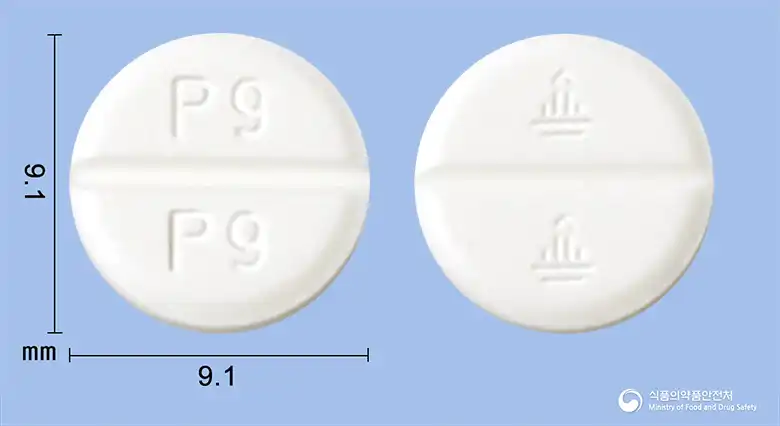
White oval-shaped tablet
100 tablets (10 tablets/PTP × 10)
Even with the same ingredient, strength, dosage form and how it is taken can differ.
Viewing nowPramipexole Dihydrochloride Monohydrate 0.25mg
Tablet · Prescription medication
Samil Pharmaceutical Co., Ltd.
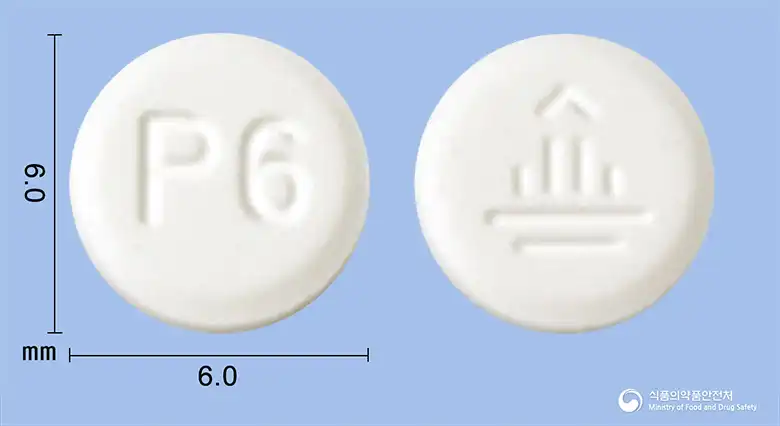
Pramipexole Dihydrochloride Monohydrate 0.125mg
Tablet · Prescription medication
Boehringer Ingelheim Korea Co., Ltd.
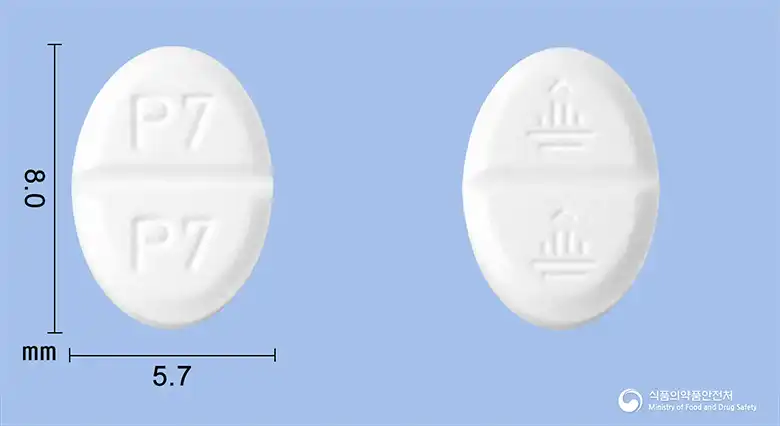
Pramipexole Dihydrochloride Monohydrate 0.25mg
Tablet · Prescription medication
Boehringer Ingelheim Korea, Co., Ltd.
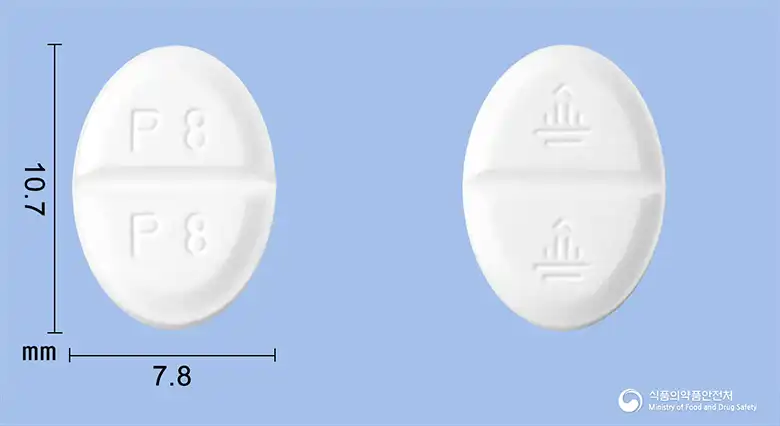
Pramipexole Dihydrochloride Monohydrate 0.5mg
Tablet · Prescription medication
Boehringer Ingelheim Korea Co., Ltd.
Pramipexole Dihydrochloride Monohydrate 1mg
Tablet · Prescription medication
Boehringer Ingelheim Korea Co., Ltd.
Pramipexole Dihydrochloride Monohydrate 1.5mg
Tablet · Prescription medication
Boehringer Ingelheim Korea Co., Ltd.
Pramipexole Dihydrochloride Monohydrate 0.75mg
Tablet · Prescription medication
Boehringer Ingelheim Co., Ltd.
Pramipexole Dihydrochloride Monohydrate 0.375mg
Tablet · Prescription medication
Boehringer Ingelheim Korea Co., Ltd.
Even with the same ingredient, the dose and directions can differ by strength and dosage form. Talk to a doctor or pharmacist before switching from a medication you are already taking.
No questions yet.
For anything that needs medical judgment, consult a doctor or pharmacist.
This drug information is based on data provided by the Korea Ministry of Food and Drug Safety.
Consult a doctor or pharmacist for accurate dosage, administration, and usage instructions.