
 한국어
 English
 日本語
 中文(简体)
Summary
- Main use
- Treatment of tuberculosis in adults and children aged 8 years and older
- Who takes it
- Adults · Children
- Adult dose
- This medicine is a fixed-combination product and should be used only when the combination ratio of rifampicin 150 mg, isoniazid 75 mg, pyrazinamide 400 mg, and ethambutol 275 mg is appropriate for the individual patient's treatment. In general, most patients taking rifampicin-containing film-coated tablets as a fixed-dose combination take 3 or 4 tablets daily. Only a small proportion of adult patients with tuberculosis are classified as weighing 70kg or more. These patients may require doses exceeding the usual daily doses of rifampicin and isoniazid, namely 600mg and 300 mg. Since experience with doses above these is limited, patients should be carefully observed during treatment if it appears necessary to exceed the maximum daily dose.
- Child dose
- Not suitable for patients weighing 30 kg or less. Body weight 30-37* kg: 2 film-coated tablets once daily, 1 hour before a meal Body weight 38-54 kg: 3 film-coated tablets once daily, 1 hour before a meal Body weight 55-70 kg: 4 film-coated tablets once daily, 1 hour before a meal Body weight ≥71** kg: 5 film-coated tablets once daily, 1 hour before a meal
Ingredients
- Rifampicin150mg / 1 tablet
- Isoniazid75mg / 1 tablet
- Pyrazinamide400mg / 1 tablet
- Ethambutol Hydrochloride275mg / 1 tablet
- Manufacturer
- BC World Pharmaceutical Co., Ltd.
Efficacy & effects
Treatment of tuberculosis in adults and children aged 8 years and older
View approved original textHide original text
This medication is used for the treatment of tuberculosis in adults and children aged 8 years and above.
How to take
Adult dose
This medicine is a fixed-combination product and should be used only when the combination ratio of rifampicin 150 mg, isoniazid 75 mg, pyrazinamide 400 mg, and ethambutol 275 mg is appropriate for the individual patient's treatment. In general, most patients taking rifampicin-containing film-coated tablets as a fixed-dose combination take 3 or 4 tablets daily. Only a small proportion of adult patients with tuberculosis are classified as weighing 70kg or more. These patients may require doses exceeding the usual daily doses of rifampicin and isoniazid, namely 600mg and 300 mg. Since experience with doses above these is limited, patients should be carefully observed during treatment if it appears necessary to exceed the maximum daily dose.
Child dose
Not suitable for patients weighing 30 kg or less. Body weight 30-37* kg: 2 film-coated tablets once daily, 1 hour before a meal Body weight 38-54 kg: 3 film-coated tablets once daily, 1 hour before a meal Body weight 55-70 kg: 4 film-coated tablets once daily, 1 hour before a meal Body weight ≥71** kg: 5 film-coated tablets once daily, 1 hour before a meal
Precautions
This medication must be prescribed separately for each component when restarting after treatment interruption, and the dosage must be adjusted if the patient temporarily stops taking the medicine. If a severe allergic reaction occurs, it should be stopped immediately and the patient should not be treated with this medication again. Severe allergic symptoms such as fever, rash, itching, and difficulty breathing may appear during the use of this medication, so careful observation is necessary. Liver function may be affected, therefore liver function tests should be conducted 2-4 weeks before and during treatment, and if symptoms of hepatitis appear, the physician should be consulted immediately. Due to the pyrazinamide component, blood uric acid levels may increase, and patients with gout should discontinue use or switch to another prescription. It is not recommended for children under 8 years of age or weighing less than 30kg. This medication is a fixed combination of four components; therefore, if dosage adjustment is required, each component must be prescribed separately. Patients who have had allergic reactions to the components of this medication in the past, those with severe liver disease, pregnant women, and those with severe kidney impairment should not take this medication. Patients with liver disease, elderly individuals, those with diabetes, and chronic alcohol consumers should use it cautiously and undergo regular check-ups as directed by the physician. This medication may cause various side effects such as fatigue, headache, dizziness, loss of appetite, vomiting, skin rashes, and abnormalities in liver function, so if symptoms are severe, inform medical personnel immediately. Care must be taken while driving or operating machinery during treatment, and due to many drug interactions, it is essential to consult with a physician when taking this medication in combination with others. Particularly, due to the risk of hepatotoxicity, regular liver function tests should be carried out, and if there are any abnormal symptoms, the medication should be discontinued immediately. It is safer not to take this medication during pregnancy or breastfeeding, and if necessary, consult with a physician to decide. In cases of overdose, serious symptoms such as vomiting, coma, and liver damage may occur, so immediate emergency treatment is required. This medication must be used strictly according to the prescribed period and dosage to enhance therapeutic efficacy and reduce side effects, and it should not be stopped arbitrarily even if symptoms improve.
Side effects
eosinophilia, systemic symptoms, fever, rash, urticaria, angioedema, hypotension, acute bronchospasm, conjunctivitis, thrombocytopenia, neutropenia, elevated hepatic transaminase, influenza-like syndrome, weakness, fatigue, myalgia, nausea, vomiting, headache, chills, pain, itching, sweating, dizziness, dyspnea, chest pain, cough, syncope, palpitations, transient leukopenia, eosinophilia, thrombocytopenia, thrombocytopenic purpura, agranulocytosis, vitamin K dependent coagulopathy, menstrual disorders, fatigue, malaise, headache, confusion, dizziness, ataxia, mental disturbance, muscle weakness, visual impairment, conjunctival congestion, exudative conjunctivitis, anorexia, nausea, abdominal pain, bloating, vomiting, diarrhea, erosive gastritis, pseudomembranous colitis, asymptomatic elevation of liver enzymes, hepatitis, jaundice, feverishness, skin rash, pruritus, exfoliative dermatitis, Lyell's syndrome, drug reaction with eosinophilia and systemic symptoms (DRESS), acute generalized exanthematous pustulosis, interstitial lung disease, pulmonary inflammation, hypersensitivity pneumonitis, eosinophilic pneumonia, lung infiltration, organic pneumonia, respiratory failure, pulmonary fibrosis, acute respiratory distress syndrome, fluids and urine, sputum, tears, feces, saliva, red discoloration of teeth and sweat, unusual drug reaction, high fever, purpura, hemolytic anemia, shock, acute renal dysfunction, agranulocytosis, thrombocytopenia, iron deficiency anemia, lymphadenitis, drug-induced fever, rheumatic syndrome, symptoms resembling erythema annulare, vasculitis, alopecia, pellagra, hyperglycemia, metabolic acidosis, psychosis, peripheral neuropathy, seizures, toxic encephalopathy, urinary disorders, pancreatitis, thrombocytopenia, iron deficiency anemia, skin rash, photosensitivity, urticaria, pruritus, high fever, angioedema, exacerbation of peptic ulcer, hepatomegaly, hyperuricemia, dysuria, leukopenia, neutropenia, hypersensitivity, anaphylaxis/anaphylactoid reaction, dizziness, loss of orientation, confusion, hallucination, headache, general malaise, peripheral neuropathy, postherpetic neuralgia, loss of vision, scotoma, congenital eye anomalies, blindness, abdominal pain, loss of libido, increased aspartate aminotransferase and alanine aminotransferase, hepatic toxicity, Stevens-Johnson syndrome, toxic epidermal necrolysis, acute gouty arthritis
Not everyone experiences these, and they can vary from person to person.
Storage
This medication should be stored in a tightly sealed container to prevent exposure to air or moisture. Moreover, it should be kept at room temperature, away from very hot or cold places.
Appearance and packaging
Appearance
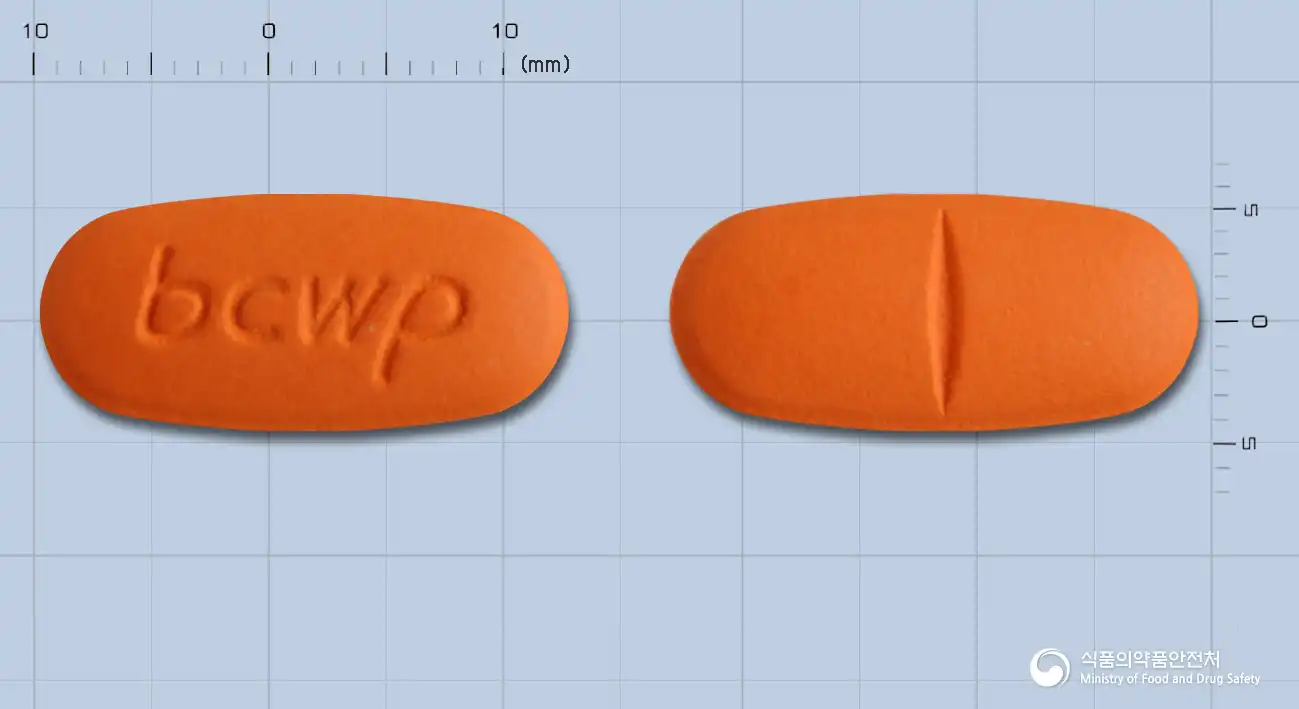
Oval, convex orange film-coated tablets
Package unit
120 tablets (12 tablets/PTP×10)
Questions about this medicine
No questions yet.
For anything that needs medical judgment, consult a doctor or pharmacist.