
 한국어
 English
 日本語
 中文(简体)
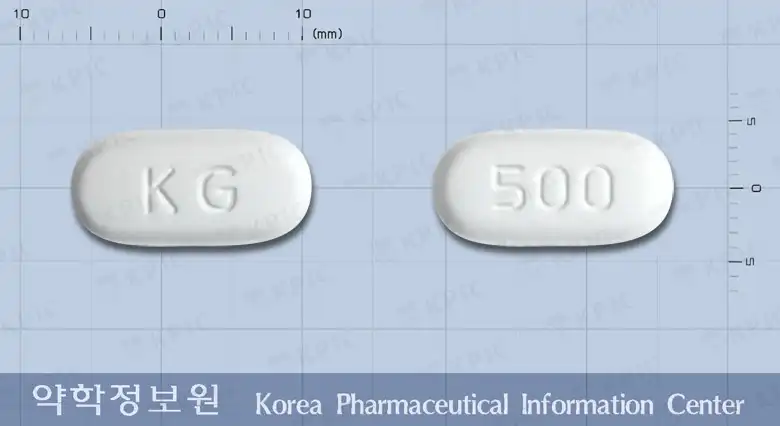 Viewing now
Glupomin Extended-Release Tablet (Metformin Hydrochloride)
Metformin Hydrochloride 500mg
Tablet · Prescription medication
Kips Biopharma Co., Ltd.
MFDS item code 201206681 · Approved 2012.09.03 · Insurance code 693200660
Treatment of type 2 diabetes mellitus in adults
This drug is used for the treatment of adult patients with type 2 diabetes whose blood sugar control is insufficient with diet and exercise alone, particularly for those who are overweight. It also helps effectively control blood sugar when used alone or in combination with other oral hypoglycemic agents or insulin.
The dose should be determined individually based on drug response and tolerability, and should not exceed the recommended maximum daily dose. - The usual initial dose is one 500mg extended-release metformin hydrochloride tablet once daily with the evening meal. - Blood glucose levels should be measured after one week and the dose adjusted. Gastrointestinal adverse reactions may improve with gradual dose increases. The maximum dose is 2000mg per day. - When increasing the dose, increase by 500mg each week; up to a maximum of 2000mg per day may be administered with the evening meal. If glycemic control is not achieved with up to 2000mg once daily, consider administering 1000mg twice daily; both doses should be taken with meals. - For patients already treated with metformin tablets, the initial dose of this formulation is the same as the daily dose of immediate-release metformin tablets. Switching to this formulation is not recommended for patients taking more than 2000mg per day of immediate-release metformin tablets. - At initiation of treatment and during dose adjustment, fasting blood glucose should be measured to assess the response to this medication and identify the minimum effective dose. Glycated hemoglobin levels should be measured approximately every 3 months. - The goal of treatment with this medication, whether administered as monotherapy or in combination with a sulfonylurea or insulin, is to reduce fasting blood glucose and glycated hemoglobin levels to normal or near-normal levels using the minimum effective dose. Patients with renal impairment This medication may be used in patients with moderate stage 3a renal impairment (creatinine clearance [CrCl] 45≤~ <60ml/min or glomerular filtration rate (GFR) 45≤~ <60 mL/min/1.73 m2) who do not have other conditions that may increase the risk of lactic acidosis, with the following dose adjustment. - The initial dose is 500mg or 750mg once daily. The maximum daily dose is 1000mg. Renal function should be monitored closely every 3- 6 months. If creatinine clearance or glomerular filtration rate decreases to less than 45ml/min or 45ml/min/1.73m2, respectively, this medication should be discontinued immediately.
This medication may rarely cause a serious condition known as lactic acidosis, so if symptoms of lactic acidosis appear, immediate medical attention is required. When taken with other diabetes medications, caution is needed as hypoglycemia may occur. This drug should not be administered to patients with moderate or severe renal impairment, dehydration, severe infection, or acute conditions such as heart failure. Particularly, when undergoing tests that involve iodinated contrast agents, this medication should be discontinued for a period before and after the procedure, and can only be restarted once normal kidney function is confirmed. It should not be given to patients with an allergy to any of its components, type 1 diabetes patients, or patients with acute metabolic acidosis. Patients scheduled for surgery should discontinue this medication 48 hours prior to surgery and can only restart after checking that kidney function is normal post-surgery. Patients with poor nutritional status or diminished liver function, or those who consume excessive alcohol should also take caution when taking this medication. During treatment, kidney function should be regularly monitored to prevent the accumulation of the drug in the body, which could lead to side effects. Additionally, it is important to regularly check blood sugar control and vitamin B12 levels. Gastrointestinal symptoms may commonly occur at the beginning of treatment and can be reduced by taking it with meals or gradually increasing the dosage. This drug increases the risk of lactic acidosis when taken with alcohol, so it is advisable to avoid drinking. Pregnant women should not use this medication if there are risk factors that may affect fetal development, as it can cross the placenta; special consultation with a specialist is required for blood sugar control during pregnancy. Lactating women should consult with their healthcare providers regarding the continuation of breastfeeding, as this medication is excreted in breast milk. It is not recommended for children and adolescents under 17 years of age, as safety and efficacy have not been established. Elderly individuals may have decreased kidney function, necessitating dosage adjustment and regular monitoring of kidney function. In case of overdose, this medication can be removed by hemodialysis, so prompt treatment is required. Finally, this medication should be swallowed whole and not chewed or crushed; it is normal for the drug’s coating to be expelled in the stool.
Not everyone experiences these, and they can vary from person to person.
This medication should be stored in a tightly sealed container to prevent exposure to air or moisture. Additionally, it is recommended to store it at room temperature between 1°C and 30°C, avoiding extremely hot or cold places.
White oval tablet
30 tablets/bottle, 300 tablets/bottle
Even with the same ingredient, strength, dosage form and how it is taken can differ.
Viewing nowMetformin Hydrochloride 500mg
Tablet · Prescription medication
Kips Biopharma Co., Ltd.
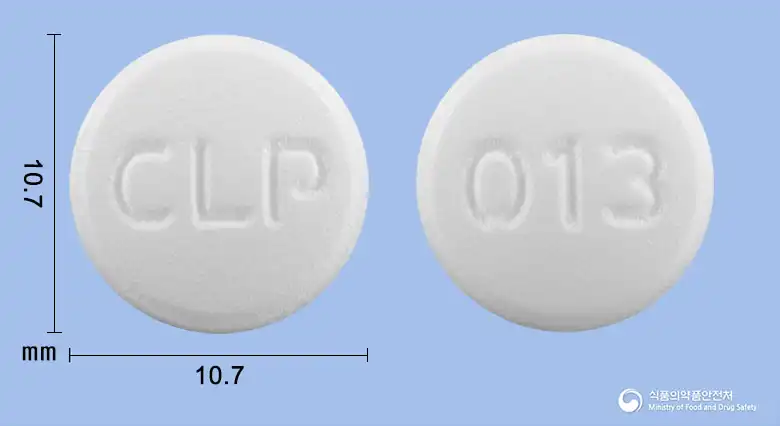
Metformin Hydrochloride 500mg
Tablet · Prescription medication
(Celltrion Pharmaceuticals)
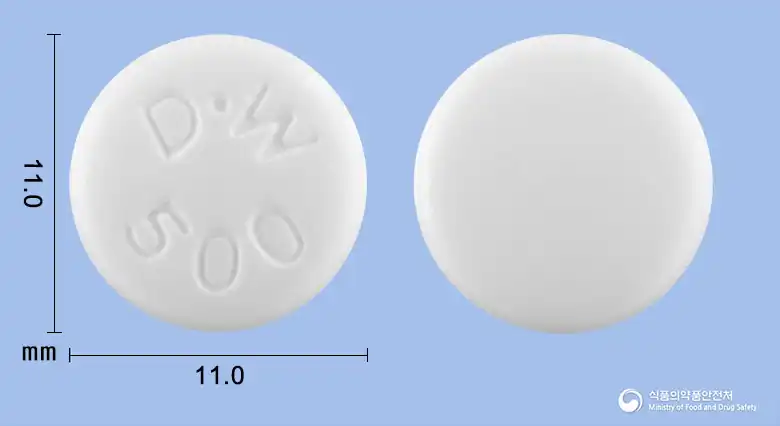
Metformin Hydrochloride 500mg
Tablet · Prescription medication
(Daewoong Pharmaceutical)
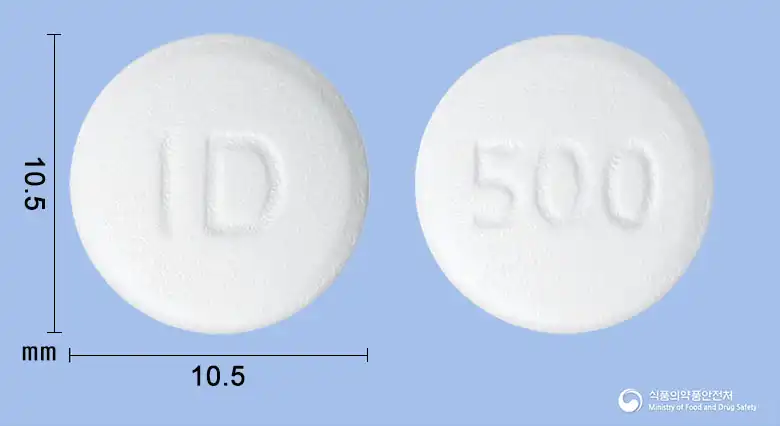
Metformin Hydrochloride 500mg
Tablet · Prescription medication
(Ildong Pharmaceutical Co., Ltd.)
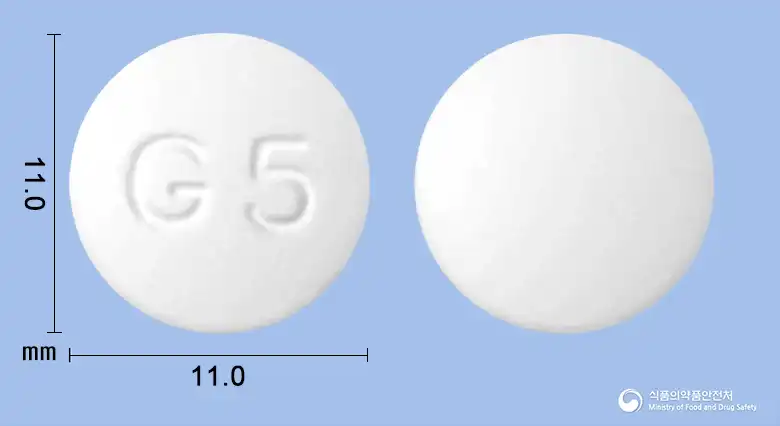
Metformin Hydrochloride 500mg
Tablet · Prescription medication
(Ilseong IS Co., Ltd.)
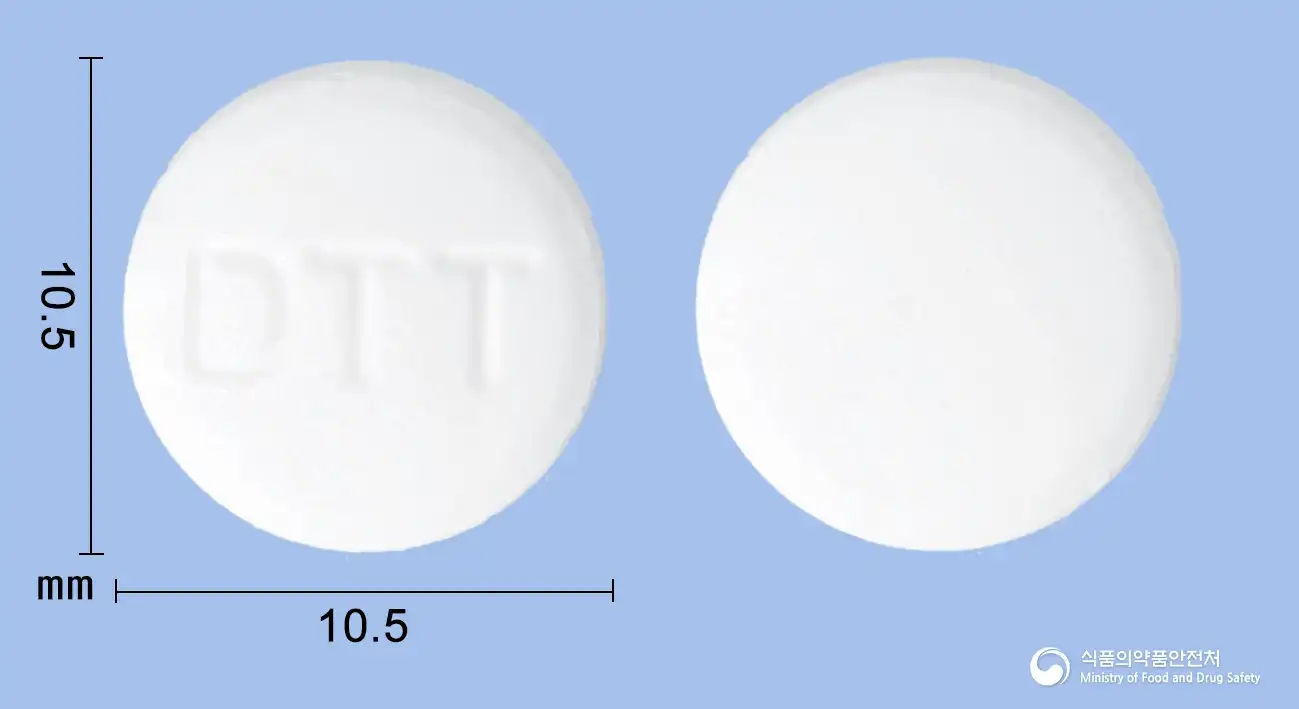
Metformin Hydrochloride 500mg
Tablet · Prescription medication
(Kyungdong Pharmaceutical Co., Ltd.)
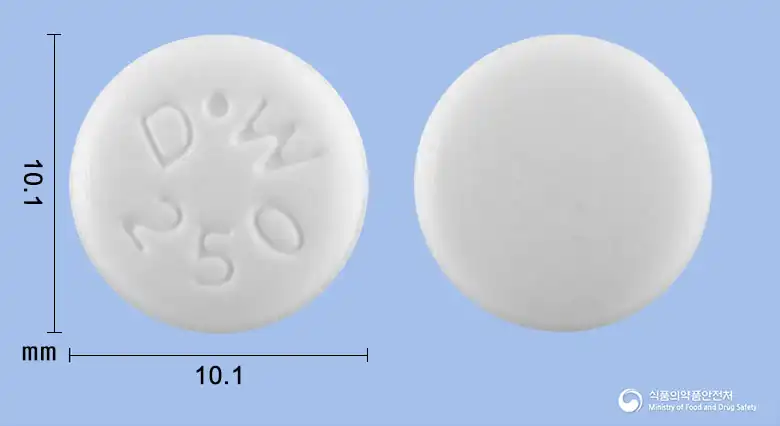
Metformin Hydrochloride 250mg
Tablet · Prescription medication
(Daewoong Pharmaceutical)

Metformin Hydrochloride 500mg
Tablet · Prescription medication
(Youngpoong Pharmaceutical Co., Ltd.)
Even with the same ingredient, the dose and directions can differ by strength and dosage form. Talk to a doctor or pharmacist before switching from a medication you are already taking.
No questions yet.
For anything that needs medical judgment, consult a doctor or pharmacist.
This drug information is based on data provided by the Korea Ministry of Food and Drug Safety.
Consult a doctor or pharmacist for accurate dosage, administration, and usage instructions.