
 한국어
한국어 English
 日本語
日本語 中文(简体)
 Viewing now
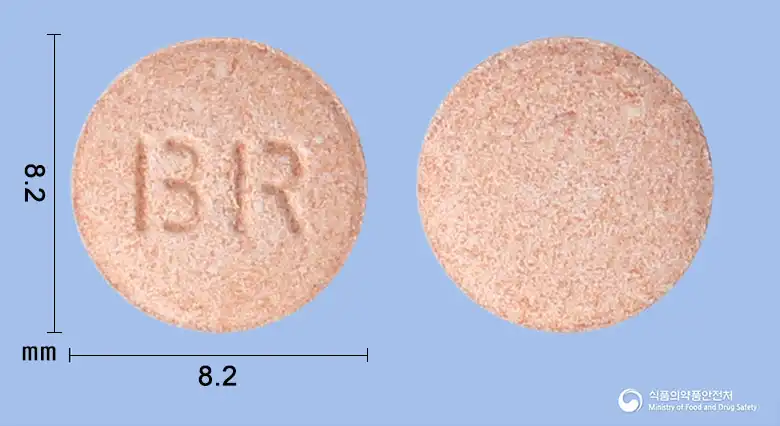
Naziron ODT 0.1 mg (Ramosetron Hydrochloride)
Ramosetron Hydrochloride 0.1mg
Orally disintegrating Tablet · Prescription medication
Boryung Pharmaceutical Co., Ltd.
MFDS item code 201205269 · Approved 2012.05.31 · Insurance code 641905900
Prevention of nausea and vomiting due to chemotherapy
This medication is used to prevent nausea and vomiting that may occur due to the administration of chemotherapy agents such as cisplatin. It helps reduce uncomfortable symptoms during chemotherapy and improve patients' quality of life, thereby facilitating smoother treatment.
Administer 0.1 mg of Ramosetron Hydrochloride orally once daily within 1 hour before chemotherapy (cisplatin, etc.). However, the administration period of this medication within each cycle of chemotherapy should be no more than 5 days. Adjust as necessary according to symptoms.
This drug should not be used in patients who show allergic reactions to this medication or any of its components. Care should be taken when administering this drug to patients taking other serotonergic medications, particularly those on selective serotonin reuptake inhibitors (SSRIs) or serotonin-norepinephrine reuptake inhibitors (SNRIs). Serious allergic reactions, such as shock or anaphylaxis-like symptoms, may occur while taking this medication. If any symptoms arise, discontinue use immediately and inform healthcare personnel. Additionally, seizures resembling epilepsy can occur infrequently, so patients with a history of seizures should exercise particular caution. This drug is mainly metabolized by the liver, so patients with impaired liver function or liver-related abnormalities should consult a doctor before use. While taking this medication, side effects such as headache, drowsiness, constipation, liver function abnormalities, and fever may appear; if symptoms become severe or persist, consult a healthcare professional. This medication should primarily dissolve in the mouth and be taken with saliva or water, as it does not fully dissolve in the mouth; therefore, it is essential to follow the administration method properly for ease of swallowing. If nausea or vomiting persists after chemotherapy, further treatment may be needed; consult a physician. Concurrent use of this medication with other serotonergic drugs may lead to serious side effects known as serotonin syndrome, so careful observation is necessary when co-administered. Women who are pregnant or may become pregnant should carefully consider the necessity and risks of this medication, as its effects on the fetus have not been adequately studied. Breastfeeding women are advised to discontinue breastfeeding, as this medication may be excreted in breast milk. Due to unverified safety in premature infants, neonates, and children, it is best not to use this medication in these populations. Elderly patients may have diminished body function, so their condition should be closely monitored when administering this medication, and if any abnormal symptoms arise, immediate action should be taken. This medication should be extracted from its packaging using fingertips rather than fingernails, and quality will not be compromised even if the packaging is damaged, so consume the entire amount. It should be stored in a safe place out of the reach of children, and transferring it to another container should be avoided, as it can lead to accidental risks and diminished quality.
Shock, anaphylaxis-like symptoms (discomfort, chest discomfort, difficulty breathing, wheezing, facial flushing, redness, itching, cyanosis, low blood pressure), seizures similar to epilepsy
Headache, dizziness, drowsiness, constipation, increased BUN, liver function abnormalities (elevated AST, elevated ALT, elevated LDH, elevated bilirubin), fever, diarrhea
Not everyone experiences these, and they can vary from person to person.
This medication is sensitive to light, so it should be stored in a container that blocks light. Additionally, it is best to store the medication at room temperature between 1 and 30 degrees Celsius. Storing it this way can securely maintain the effectiveness of the drug.
A light reddish-yellow orally disintegrating tablet, round with a convex shape on both sides
10T/PTP
Even with the same ingredient, strength, dosage form and how it is taken can differ.
Viewing nowRamosetron Hydrochloride 0.1mg
Orally disintegrating Tablet · Prescription medication
Boryung Pharmaceutical Co., Ltd.
Ramosetron Hydrochloride 0.3mg
Prescription medication
HanKook Daiichi Sankyo Co., Ltd.
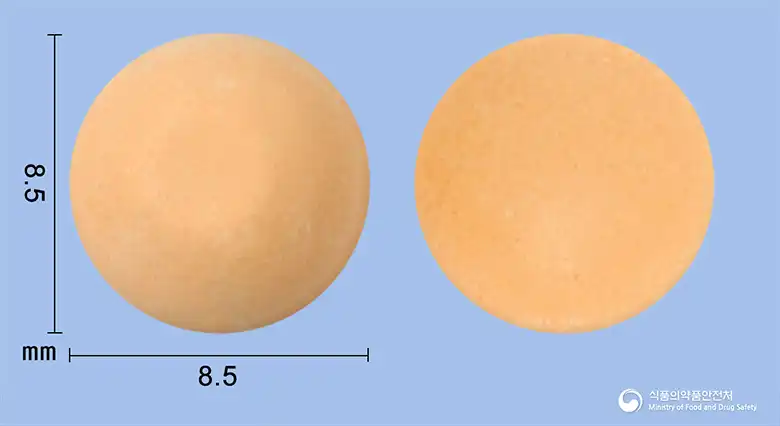
Ramosetron Hydrochloride 0.1mg
Orally disintegrating Tablet · Prescription medication
Korea Daiichi Sankyo Co., Ltd.
Ramosetron Hydrochloride 5μg
Tablet · Prescription medication
Korea Astellas Pharma Co., Ltd.
Ramosetron Hydrochloride 2.5μg
Tablet · Prescription medication
Korea Astellas Pharma Co., Ltd.
Ramosetron Hydrochloride 0.3mg
Injections · Prescription medication
Hana Pharmaceutical Co., Ltd.
Ramosetron Hydrochloride 0.15mg
Injections · Prescription medication
Boryung (Co., Ltd.)
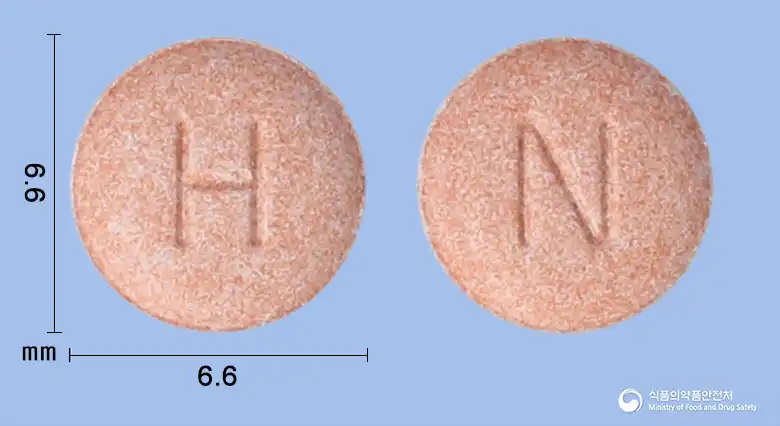
Ramosetron Hydrochloride 0.1mg
Orally disintegrating Tablet · Prescription medication
Hana Pharmaceutical Co., Ltd.
Even with the same ingredient, the dose and directions can differ by strength and dosage form. Talk to a doctor or pharmacist before switching from a medication you are already taking.
No questions yet.
For anything that needs medical judgment, consult a doctor or pharmacist.
This drug information is based on data provided by the Korea Ministry of Food and Drug Safety.
Consult a doctor or pharmacist for accurate dosage, administration, and usage instructions.