
 한국어
 English
 日本語
 中文(简体)
 Viewing now
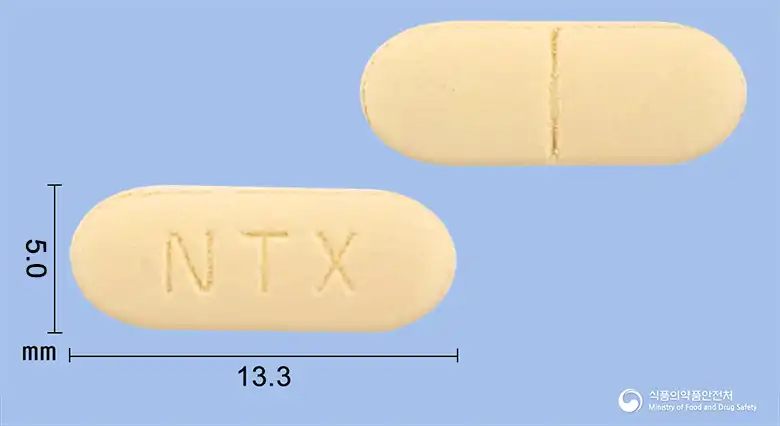
Hwanin Naltrexone Tablets 50 mg (Naltrexone Hydrochloride)
Naltrexone Hydrochloride 50mg
Tablet · Prescription medication
Hwanin Pharmaceutical Co., Ltd.
MFDS item code 201205262 · Approved 2012.05.31 · Insurance code 657202360
Treatment of alcohol dependence and blockade of the effects of exogenous opioids
This medication is used in conjunction with a proper management program to treat alcohol dependence and block the effects of exogenous opioids. It helps mitigate the patient's symptoms of addiction and prevent relapse. Additionally, it can prevent the effects of exogenous opioids, aiding in the prevention of drug abuse. This supports the patient's recovery process and helps them return to a healthy life.
Naltrexone hydrochloride may be initiated only if the physician determines that the patient has not used opioids within 7 ∼ 10 days before treatment. If opioid dependence is suspected, a naloxone challenge test should be performed. Adults: Administer 50 mg of naltrexone hydrochloride orally once daily. Although placebo-controlled studies have administered this dose for up to 12 weeks, these studies did not evaluate other doses or treatment durations. Treatment should be initiated only after a urine test confirms that the patient has not used opioids for at least 7 ∼ 10 days before treatment. Treatment should be initiated cautiously, with gradual dose increases. The initial dose is 25 mg. After observing the patient for one hour, the remaining 25 mg of the daily dose (50 mg) may be administered if no withdrawal symptoms occur. A dose of 50 mg once daily can adequately block the effects of intravenously administered narcotics (this dose blocks the effects of 25 mg of intravenous heroin). To improve patient adherence, the dosing schedule may be adjusted as follows: ○ 50 mg daily on weekdays and 100 mg on Saturday ○ 100 mg every other day ○ 150 mg every 3 days However, doses exceeding 50 mg at one time may increase the risk of hepatocellular injury; such dosing should be used only when the benefits of improved adherence outweigh the risk of hepatotoxicity. In addition, doses exceeding 150 mg at one time are not recommended because they may increase the likelihood of adverse reactions. Draw 0.8 mg of naloxone into a sterile syringe. Inject 0.2 mg and, with the needle in the patient's vein, observe for withdrawal symptoms or signs for approximately 30 seconds. If no withdrawal symptoms occur, inject the remaining 0.6 mg and observe the patient's condition for 20 minutes for the development of withdrawal symptoms. Inject 0.8 mg of naloxone subcutaneously and observe the patient's condition for approximately 20 minutes for withdrawal symptoms or signs.
This medication may cause liver damage, therefore the recommended dosage must be followed. Care should be taken as overdose may lead to liver function problems. Patients with liver disease or at risk of liver damage should avoid this medication. Patients currently taking opioid analgesics or those with opioid dependence may experience acute withdrawal symptoms if this medication is administered. Children under 18 years, elderly patients, and those who are pregnant or nursing should not use this medication. Avoid self-administering or increasing the dosage of opioid medications while taking this drug, as it may cause life-threatening situations. If symptoms of liver dysfunction (abdominal pain, jaundice of the skin or eyes) occur, discontinue the medication immediately and consult a physician. It is crucial to inform healthcare professionals about potential interactions when using this medicine in conjunction with other drugs. Patients taking this medication should always inform their healthcare providers about their condition and medication use and follow the doctor's instructions precisely. Keep this medication stored safely out of the reach of children or others.
Not everyone experiences these, and they can vary from person to person.
This medication is sensitive to light and should be stored in a container that does not allow light to pass through. Also, it should be kept between 1 to 30 degrees Celsius at room temperature. Storing it this way helps maintain the efficacy of the medication and prevents deterioration.
Pale yellow film-coated tablets, rectangular
30 tablets/bottle, 100 tablets/bottle, (export version 30 tablets (10 tablets/PTP x 3))
Even with the same ingredient, strength, dosage form and how it is taken can differ.
Viewing nowNaltrexone Hydrochloride 50mg
Tablet · Prescription medication
Hwanin Pharmaceutical Co., Ltd.
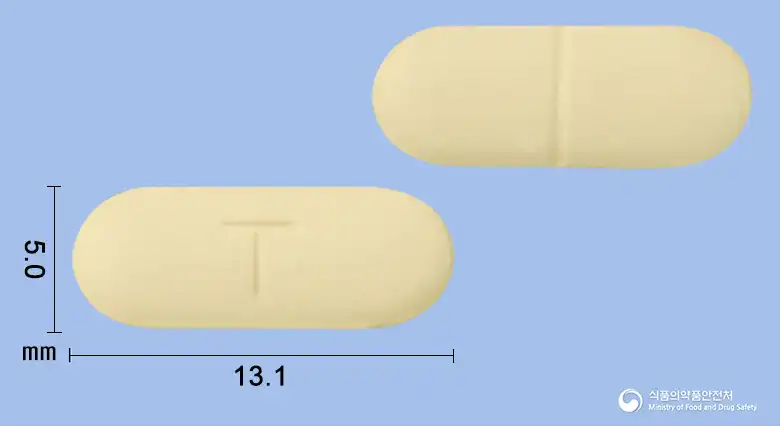
Naltrexone Hydrochloride 50mg
Tablet · Prescription medication
Jeil Pharmaceutical Co., Ltd.
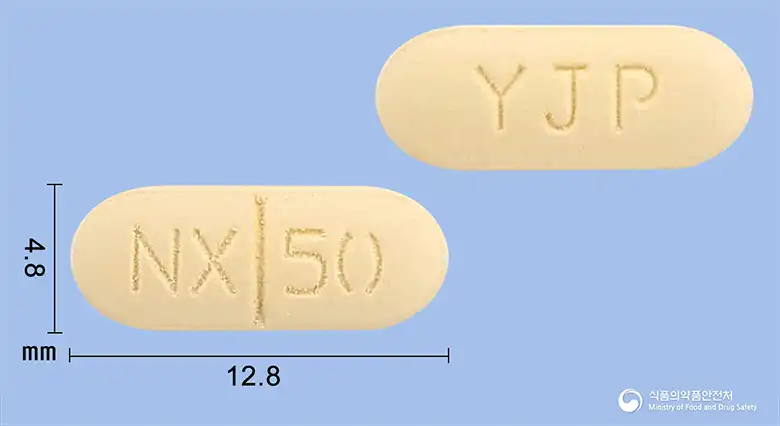
Naltrexone Hydrochloride 50mg
Tablet · Prescription medication
Young Jin Pharmaceutical Co., Ltd.
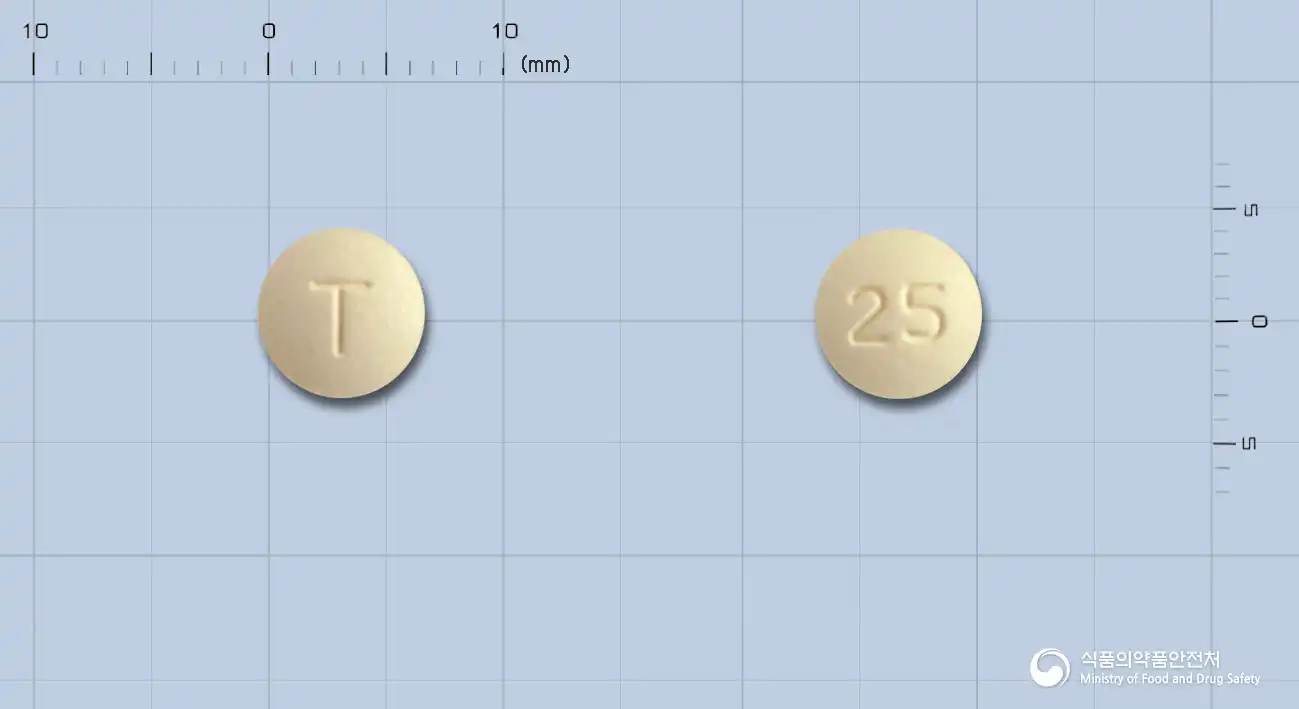
Naltrexone Hydrochloride 25mg
Tablet · Prescription medication
Myeongin Pharmaceutical Co., Ltd.
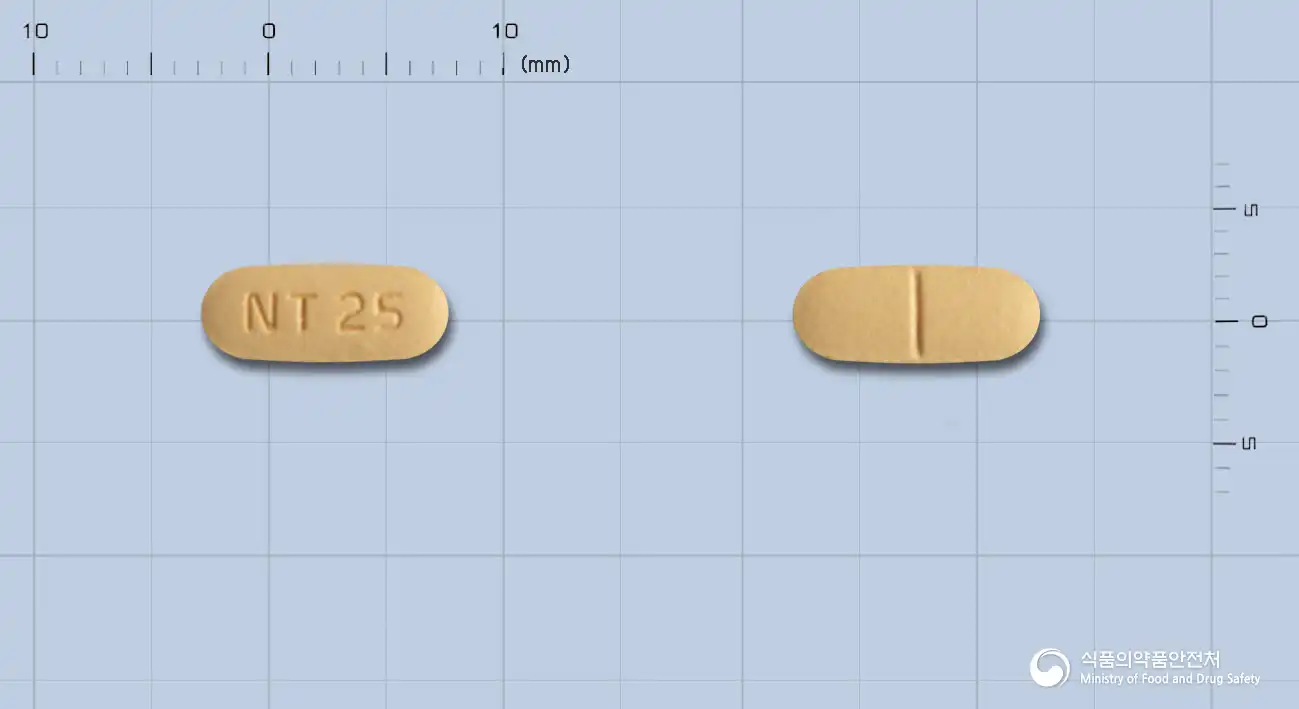
Naltrexone Hydrochloride 25mg
Tablet · Prescription medication
Hwanin Pharmaceutical Co., Ltd.
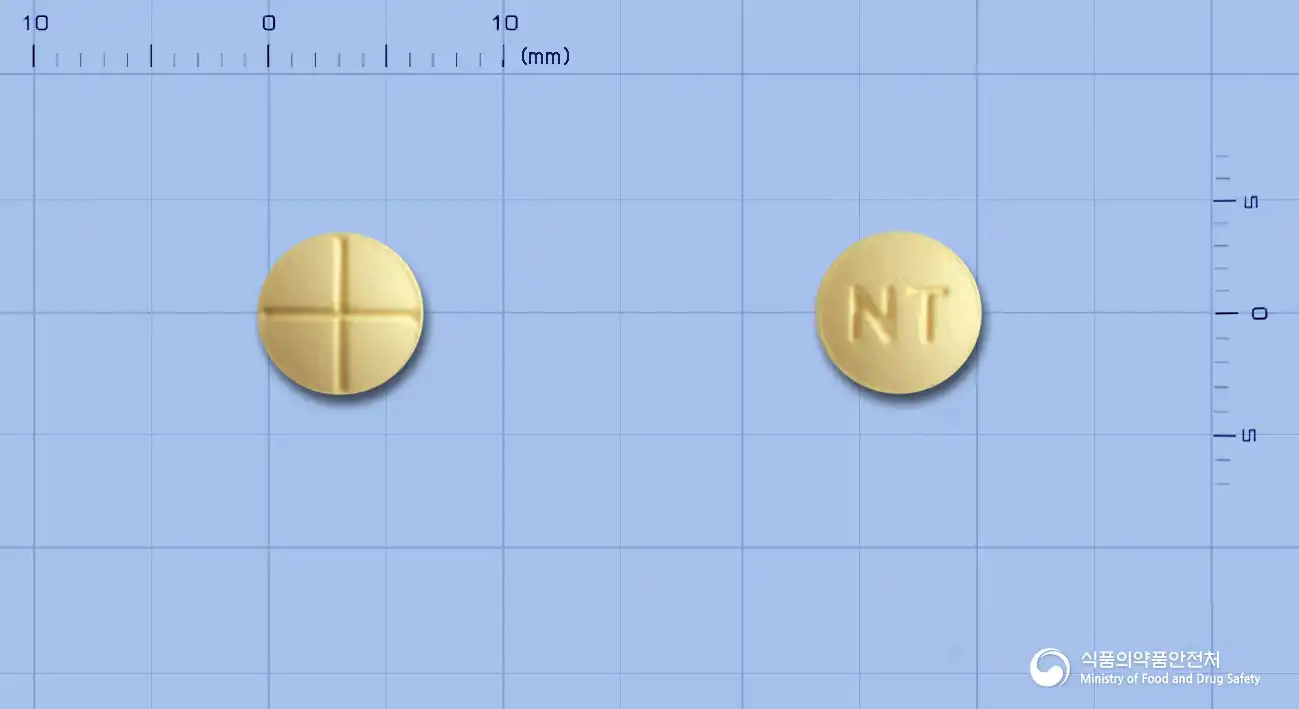
Naltrexone Hydrochloride 25mg
Tablet · Prescription medication
AlboGen Korea Co., Ltd.
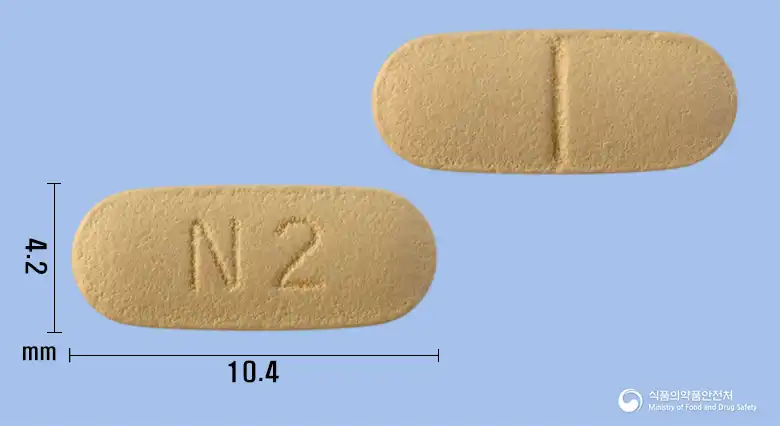
Naltrexone Hydrochloride 25mg
Tablet · Prescription medication
Daehan New Pharm Co., Ltd.
Naltrexone Hydrochloride 25mg
Tablet · Prescription medication
Huons Co., Ltd.
Even with the same ingredient, the dose and directions can differ by strength and dosage form. Talk to a doctor or pharmacist before switching from a medication you are already taking.
No questions yet.
For anything that needs medical judgment, consult a doctor or pharmacist.
This drug information is based on data provided by the Korea Ministry of Food and Drug Safety.
Consult a doctor or pharmacist for accurate dosage, administration, and usage instructions.