
 한국어
 English
 日本語
 中文(简体)
 Viewing now
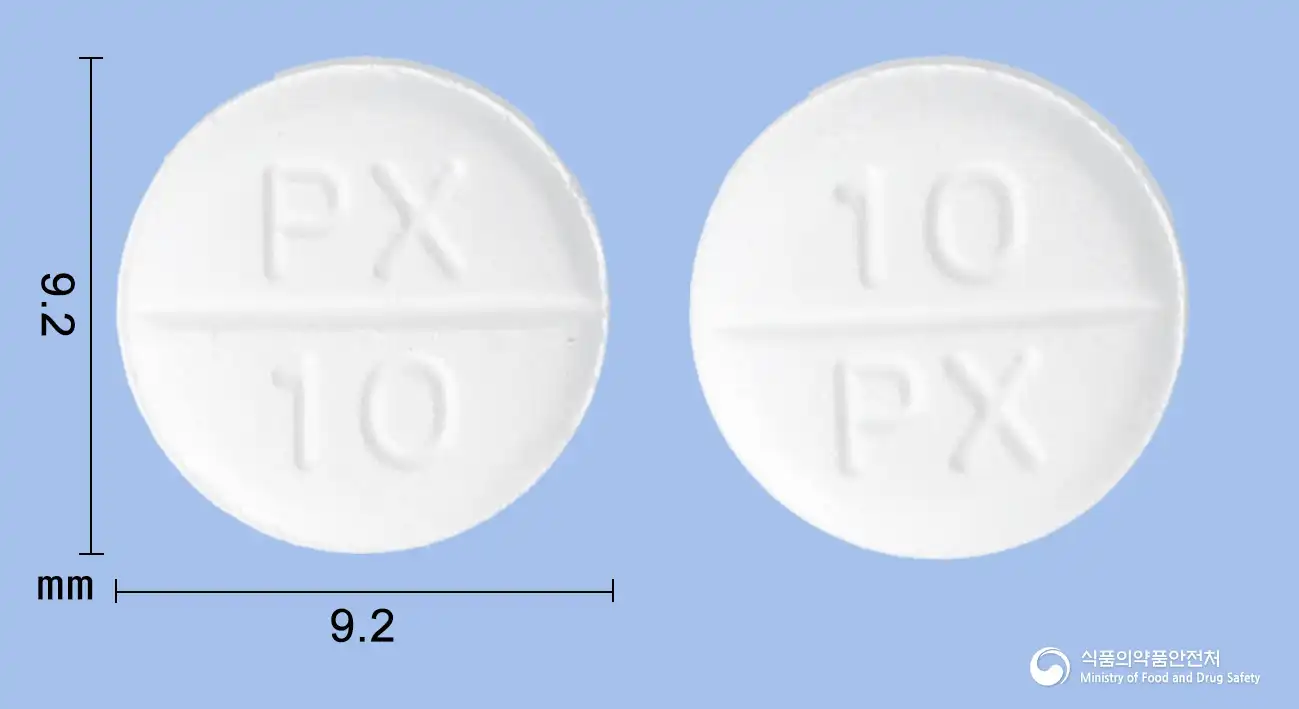
Pramipexole Hydrochloride Monohydrate Tablet 1 mg
Pramipexole Dihydrochloride Monohydrate 1mg
Tablet · Prescription medication
Samil Pharmaceutical Co., Ltd.
MFDS item code 201201265 · Approved 2012.02.28 · Insurance code 643903530
Treatment of idiopathic Parkinson's disease and moderate to severe idiopathic restless legs syndrome
This medication is used alone for patients with early Parkinson's disease or in combination with levodopa for patients with advanced Parkinson's disease. It is also used to relieve symptoms in patients with moderate to severe idiopathic Restless Legs Syndrome. Therefore, it is effective in improving symptoms of both Parkinson's disease and Restless Legs Syndrome.
Idiopathic Parkinson's disease In all clinical trials, treatment was initiated at a dose below the therapeutic level to avoid excessive adverse effects and orthostatic hypotension. The dose of this medicine should be increased gradually in all patients. Increase the dose to a level that provides maximum therapeutic benefit while balancing the main adverse effects of dyskinesia, hallucinations, somnolence, and dry mouth. 1. Patients with normal renal function 1) Initial dosage regimen The initial total daily dose is 0.375mg/day, divided into 3 doses and administered gradually. Week 1: 0.125mg 3 times daily, total daily dose 0.375mg Week 2: 0.25mg 3 times daily, total daily dose 0.75mg Week 3: 0.5mg 3 times daily, total daily dose 1.50mg Week 4: 0.75mg 3 times daily, total daily dose 2.25mg Week 5: 1.0mg 3 times daily, total daily dose 3.0mg Week 6: 1.25mg 3 times daily, total daily dose 3.75mg Week 7: 1.5mg 3 times daily, total daily dose 4.50mg Dose increases should generally be made once every 5-7 days and should not be more frequent. The increases recommended based on clinical trials are as follows. 2) Maintenance dosage regimen This medicine was effective and well tolerated when administered alone at a total daily dose of 1.5~4.5mg/day in 3 divided doses, or in combination with levodopa (approximately 800mg/day). Clinical trials in patients with early Parkinson's disease showed no significant benefit when this medicine was administered at total daily doses of 3mg, 4.5mg, or 6mg compared with 1.5mg/day. At doses of 3mg/day or more, the incidence of these adverse reactions was generally about twice that with placebo. The incidence of somnolence reported at a dose of 1.5mg/day was similar to that with placebo. When this medicine is administered with levodopa, consider reducing the levodopa dose. In clinical trials in patients with advanced Parkinson's disease, the levodopa dose was reduced by an average of 27% compared with the dose immediately before starting this medicine (baseline). 2. Patients with renal impairment creatinine CL>50ml/min: No adjustment of the daily dose or dosing frequency is necessary. creatinine CL=20~50ml/min: Starting dose 0.125mg tablet twice daily, maximum dose 2.25mg daily creatinine CL<20ml/min: Starting dose 0.125mg tablet once daily, maximum dose 1.5mg daily 3. Discontinuation Reduce the dose of this medicine by 0.75 mg/day until the daily dose is reduced to 0.75 mg, then reduce it by 0.375 mg/day. Idiopathic restless legs syndrome 1. The recommended starting dose is 0.125mg once daily, taken 2~3 hours before bedtime. If further symptom relief is needed, the dose may be increased every 4~7 days according to the following schedule. In long-term open-label clinical trials of this medicine, some patients received doses increased to 0.75mg; however, there is no evidence that 0.75mg provides additional benefit compared with 0.5mg. Use the lowest effective dose. Dose level 1: Daily dose 0.125mg Dose level 2*: Daily dose 0.25mg Dose level 3*: Daily dose 0.50mg *If needed 2. Patients with renal impairment In patients with restless legs syndrome and severe or moderate renal impairment (creatinine clearance 20~60mL/min), increase the dose every 14 days. 3. Discontinuation of treatment In clinical trials in patients with restless legs syndrome who received up to 0.75mg once daily, this medicine was discontinued without dose reduction.
This medication may cause sudden sleepiness or drowsiness during use, so caution is advised during hazardous activities such as driving or operating machinery. If drowsiness occurs during treatment, it is advisable to consult a doctor immediately, and if symptoms are severe, activities should be discontinued. Additionally, this medication may induce psychiatric symptoms such as hallucinations or confusion, so elderly patients should be monitored closely for these symptoms. Symptoms of orthostatic hypotension may occur with a sudden drop in blood pressure; hence, if dizziness is felt upon standing, it is advisable to move slowly and consult a doctor. Patients with impaired kidney function may need to adjust their dosage, and a careful evaluation and blood pressure monitoring is necessary for those with cardiovascular diseases before administration. When taken with other sedatives or alcohol, this medication may enhance drowsiness or central nervous system depressive effects; therefore, caution is advised when co-administering. Pregnant or nursing women should carefully consider the risks and benefits of using this medication, and consultation with a physician is recommended before use. Safety in children has not been established, so it is generally not recommended to use in pediatric patients. Elderly patients may experience delayed elimination of this medication due to reduced kidney function; thus, dosage adjustments and monitoring for adverse reactions are required. In cases of overdose, symptoms may include nausea, vomiting, hallucinations, and hypotension; immediate medical attention should be sought. During treatment, abnormal behaviors or impulse control disorders may occur, so both the patient and caregiver should be vigilant for these symptoms. This medication may interact with other drugs; therefore, it is essential to inform a physician or pharmacist about any other medications currently being taken. Lastly, this medication should be stored out of reach of children and should not be transferred to other containers.
Drowsiness, hallucination, confusion, orthostatic hypotension, nausea, dizziness, insomnia, constipation, asthenia, headache, extrapyramidal syndrome, amnesia, perception decline, ataxia, inability to sit still, abnormal thinking, parkinsonism, abnormal vision, erectile dysfunction, accidental injury, generalized edema, fatigue, chest pain, movement disorder, abnormal dreams, disorientation, hypertonia, thirst, frequent urination, urinary tract infection, urinary incontinence, influenza, headache, diarrhea, dyspepsia, congestion, limb pain, rhinitis, pneumonia, skin disease, abnormal near and far vision adjustment, diplopia, urinary incontinence, ageusia, asthenia, anticholinergic syndrome, aphasia, balance disorder, cerebral edema, carotid artery occlusion, carpal tunnel syndrome, cerebral embolism, intracerebral hemorrhage, cerebral infarction, cerebral ischemia, chorea, cognitive impairment, coma, convulsions, coordination disorder, dementia, attention deficit, stuttering, writing disorder, facial paralysis, generalized tonic-clonic seizure, hemiparesis, sensory hypersensitivity, hyperkinesia, hyperreflexia, hyporeflexia, hypotonia, somnolence, loss of consciousness, migraine, involuntary muscle contractions, narcolepsy, neuralgia, neuropathy, nystagmus, phantom olfaction, psychomotor agitation, sciatica, sedation, sensory impairment, sleep rhythm disorder, sleep talking, confusion, vasovagal syncope, tension headache, emotional instability, aggression, anxiety, mental retardation, bruxism, suicidal ideation, psychotic disorder, delusions, persecutory delusions, disorientation, dissociation, emotional tension, intoxication, auditory hallucinations, visual hallucinations, initial insomnia, increased libido, manic episode, middle insomnia, mood changes, nightmares, obsessive thoughts, obsessive-compulsive disorder, panic response, hypersomnia, personality disorder, psychiatric disorder, restlessness, somnambulism, suicidal tendency, chromaturia, urination difficulty, diabetes, hematuria, urgency, nephrolithiasis, neurogenic bladder, nocturnal enuresis, oliguria, polyuria, proteinuria, renal artery stenosis, nephralgia, renal cyst, renal failure, kidney dysfunction, urinary retention, amenorrhea, mastalgia, dysmenorrhea, epididymitis, gynecomastia, menopausal symptoms, menorrhagia, uterine bleeding, ovarian tumor, priapism, prostatitis, sexual dysfunction, intrauterine bleeding, leukorrhea, vaginal bleeding, transient apnea, inspiration, asthma, asphyxia, chronic obstructive pulmonary disease, dry throat, speech disorder, obstructive respiratory distress, epistaxis, hemoptysis, hiccups, tachypnea, bronchial secretion increase, laryngospasm, nasal dryness, nasal polyps, obstructive airway anomaly, pharyngalgia, pleuritis, pneumonia aspiration, pneumothorax, post-nasal drip syndrome, productive cough, pulmonary embolism, pulmonary edema, respiratory alkalosis, respiratory distress syndrome, respiratory failure, pulmonary congestion, allergic rhinitis, rhinorrhea, sinus congestion, sleep apnea, sneezing, snoring, hypopnea, wheezing, acne, hair loss, sweating, skin cyst, dermatitis, vesicular dermatitis, contact dermatitis, dry skin, petechiae, eczema, erythema, corneal thickening, livedoid dermatitis, flushing, periorbital edema, petechial hemorrhage, photodermatitis, psoriasis, purpura, erythematous eczema, maculopapular erythema, papular erythema, rhinophyma, seborrhea, seborrheic dermatitis, skin burning sensation, skin depigmentation, hyperpigmentation, skin thickening, skin irritation, skin laceration, body odor anomaly, skin ulcer, urticaria, aneurysm, vascular disease, atherosclerosis, circulation disorder, deep vein thrombosis, embolism, thrombus, facial flushing, hypertensive dermopathy, lymphedema, pallor, phlebitis, Raynaud's disease, shock, thrombophlebitis, thrombus, varicose veins, anemia, iron deficiency anemia, leukocytosis, leukopenia, lymphadenitis, lymphadenopathy, thrombocytosis, thrombocytopenia, angina pectoris, ventricular arrhythmia, atrial fibrillation, first-degree atrioventricular block, second-degree atrioventricular block, bradycardia, atrioventricular block, cardiac arrest, heart failure, congestive heart failure, cardiomegaly, coronary artery occlusion, cyanosis, ectopic beats, left ventricular failure, myocardial infarction, nodal arrhythmia, sinus arrhythmia, sinus bradycardia, sinus tachycardia, ventricular ectopic beats, ventricular tachycardia, tachycardia, ventricular fibrillation, ventricular ectopic beats, left ventricular hypertrophy, pneumonia, abnormal secretion of antidiuretic hormone, binge eating, compulsive shopping, hypersexuality, pathological gambling, abnormal behavior, strange dreams, confusion, delusions, hyperphagia, insomnia, sexual dysfunction, paranoia, restlessness, amnesia, forward head tilt symptom, movement disorder, headache, hyperkinesia, sudden sleep onset, syncope, restless legs syndrome, diplopia, blurry vision, visual impairment, heart failure, hypotension, respiratory distress, hiccups, vomiting, pruritus, rash, drug withdrawal syndrome, weight loss, weight gain, accident, confusion, insomnia, surface, intestinal obstruction, dyspepsia, upper abdominal discomfort, gastroesophageal reflux, edema
Not everyone experiences these, and they can vary from person to person.
This medication may be sensitive to air or light, so it should be stored in a tightly sealed container. The storage temperature should be maintained at room temperature between 1 to 30 degrees Celsius, avoiding direct sunlight and storing in a dark place.
White round tablet
100 tablets (10 tablets/PTP × 10)
Even with the same ingredient, strength, dosage form and how it is taken can differ.
Viewing nowPramipexole Dihydrochloride Monohydrate 1mg
Tablet · Prescription medication
Samil Pharmaceutical Co., Ltd.
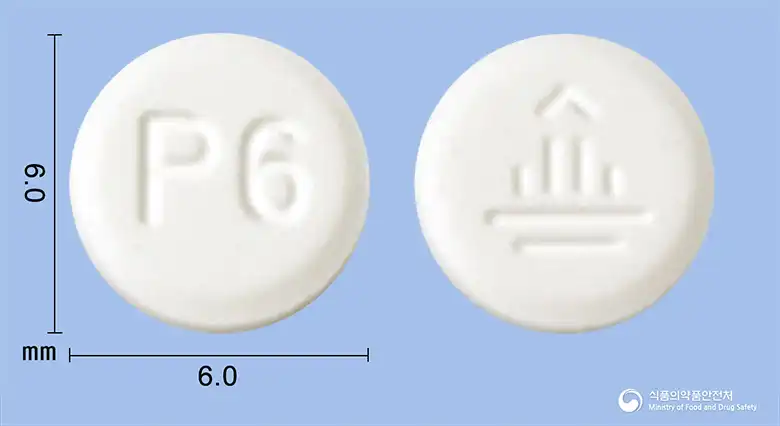
Pramipexole Dihydrochloride Monohydrate 0.125mg
Tablet · Prescription medication
Boehringer Ingelheim Korea Co., Ltd.

Pramipexole Dihydrochloride Monohydrate 0.25mg
Tablet · Prescription medication
Boehringer Ingelheim Korea, Co., Ltd.

Pramipexole Dihydrochloride Monohydrate 0.5mg
Tablet · Prescription medication
Boehringer Ingelheim Korea Co., Ltd.

Pramipexole Dihydrochloride Monohydrate 1mg
Tablet · Prescription medication
Boehringer Ingelheim Korea Co., Ltd.
Pramipexole Dihydrochloride Monohydrate 1.5mg
Tablet · Prescription medication
Boehringer Ingelheim Korea Co., Ltd.
Pramipexole Dihydrochloride Monohydrate 0.75mg
Tablet · Prescription medication
Boehringer Ingelheim Co., Ltd.
Pramipexole Dihydrochloride Monohydrate 0.375mg
Tablet · Prescription medication
Boehringer Ingelheim Korea Co., Ltd.
Even with the same ingredient, the dose and directions can differ by strength and dosage form. Talk to a doctor or pharmacist before switching from a medication you are already taking.
No questions yet.
For anything that needs medical judgment, consult a doctor or pharmacist.
This drug information is based on data provided by the Korea Ministry of Food and Drug Safety.
Consult a doctor or pharmacist for accurate dosage, administration, and usage instructions.