
 한국어
 English
 日本語
 中文(简体)
 Viewing now
Lamotrigine Chewable Tablets 100 mg
Lamotrigine 100mg
Chewable Tablet · Prescription medication
Handok Teva Co., Ltd.
MFDS item code 201201264 · Approved 2012.02.28 · Insurance code 626900260
Treatment of epilepsy (including partial seizures); prevention of recurrence of depressive episodes in bipolar I disorder
This medication is used for the treatment of seizures associated with epilepsy, particularly as monotherapy or adjunctive therapy for partial seizures and generalized tonic-clonic seizures. It may also assist as adjunctive therapy in the treatment of seizures due to Lennox-Gastaut syndrome. Furthermore, it is effective in preventing the recurrence of depressive episodes in patients with bipolar disorder type 1. In summary, this drug is used to control various types of seizures and to prevent the recurrence of depression in bipolar disorder.
Adults and adolescents aged 13 years and older: Recommended dosage for epilepsy Monotherapy (daily dose) Weeks 1 and 2: 25 mg (once daily) Weeks 3 and 4: 50 mg (once daily) Maintenance dose: 100∼200 mg (once daily or in 2 divided doses) Increase by up to 50∼100 mg every 1∼2 weeks until the maintenance dose is reached In some patients, doses of up to 500 mg/day have been used to achieve the desired response. Adjunctive therapy (daily dose) Patients not receiving valproate and receiving glucuronidation-inducing agents* Weeks 1 and 2: 50 mg (once daily) Weeks 3 and 4: 100 mg (in 2 divided doses) Maintenance dose: 200∼400 mg (in 2 divided doses) Increase by up to 100 mg every 1~2 weeks until the maintenance dose is reached Patients receiving valproate, regardless of other concomitant medications Weeks 1 and 2: 12.5 mg (25 mg every other day) Weeks 3 and 4: 25 mg (once daily) Maintenance dose: 100∼200 mg (once daily or in 2 divided doses) Increase by up to 25~50 mg every 1~2 weeks until the maintenance dose is reached In patients receiving medications for which pharmacokinetic interactions with lamotrigine are not currently known (see Interactions), dose increases should follow the recommended dosage and dose-increase schedule for concomitant use of this drug with valproate. Adults aged 18 years and older: Recommended dosage for preventing recurrence of depressive episodes in patients with bipolar I disorder Dosage escalation schedule for achieving the maintenance stabilization dose Recommended dose escalation to achieve the maintenance stabilization dose in adults aged 18 years and older (daily dose) Patients receiving glucuronidation inhibitors (e.g., valproate) Weeks 1 and 2: 12.5 mg (25 mg every other day) Weeks 3 and 4: 25 mg (once daily) Week 5: 50 mg (once daily or in 2 divided doses) Target stabilization dose (week 6): 100 mg (once daily or in 2 divided doses) (maximum daily dose: 200 mg) Patients not receiving inhibitors such as valproate and receiving glucuronidation inducers (e.g., carbamazepine, phenobarbital) Weeks 1 and 2: 50 mg (once daily) Weeks 3 and 4: 100 mg (in 2 divided doses) Week 5: 200 mg (in 2 divided doses) Week 6: 300 mg; if necessary, the dose may be increased to 400 mg in week 7 (in 2 divided doses) Patients receiving other medications that do not significantly inhibit or induce lamotrigine glucuronidation (e.g., lithium, bupropion), or receiving lamotrigine as monotherapy Weeks 1 and 2: 25 mg (once daily) Weeks 3 and 4: 50 mg (once daily or in 2 divided doses) Week 5: 100 mg (once daily or in 2 divided doses) Target stabilization dose (week 6): 200 mg (once daily or in 2 divided doses) The target stabilization dose may be adjusted according to clinical response. Patients receiving glucuronidation inhibitors (e.g., valproate): As the initial dose, administer 25 mg once every other day for the first 2 weeks, then administer 25 mg once daily for the next 2 weeks. The target dose for an optimal response is 100 mg once daily or in 2 divided doses. Depending on clinical response, the dose may be increased to a maximum of 200 mg and administered once daily (or in 2 divided doses). Patients not receiving inhibitors such as valproate and receiving glucuronidation inducers (e.g., carbamazepine, phenobarbital): As the initial dose, administer 50 mg once daily for the first 2 weeks, then administer 100 mg in 2 divided doses for the next 2 weeks. In week 5, increase the dose to 200 mg in 2 divided doses. In week 6, increase the dose to 300 mg in 2 divided doses. The usual target dose for an optimal response may be 400 mg in 2 divided doses starting from week 7. Patients receiving other medications that do not significantly inhibit or induce glucuronidation (e.g., lithium, bupropion), or receiving this drug as monotherapy: As the initial dose, administer 25 mg once daily for the first 2 weeks, then administer 50 mg once daily (or in 2 divided doses) for the next 2 weeks. In week 5, increase the dose to 100 mg once daily (or in 2 divided doses). The usual target dose for an optimal response is 200 mg once daily or in 2 divided doses. In clinical trials, doses of up to 400 mg/day were used as monotherapy, but lamotrigine 400 mg/day offered no benefit over 200 mg/day. Daily maintenance stabilization dose in adults aged 18 years and older with bipolar disorder after discontinuation of concomitant psychotropic drugs or antiepileptic drugs (daily dose) After discontinuation of glucuronidation inhibitors (e.g., valproate) Week 1: Administer twice the stabilization dose. However, the dose increase must not exceed 100 mg/week. That is, if the target stabilization dose is 100 mg/day, administer 200 mg/day during week 1. Week 2: Maintain the week 1 dose (200 mg/day) (once daily or in 2 divided doses) After discontinuation of glucuronidation inducers (e.g., carbamazepine): Select and administer the dose according to the existing maintenance dose 400 mg 300 mg 200 mg 300 mg 225 mg 150 mg 200 mg 150 mg 100 mg After discontinuation of medications that do not significantly inhibit or induce lamotrigine glucuronidation (e.g., lithium, bupropion), maintain the target maintenance dose achieved through dose escalation (200 mg/day) (in 2 divided doses) After discontinuation of glucuronidation inhibitors (e.g., valproate): After valproate is discontinued, increase this drug's dose to twice the existing target stabilization dose and maintain this dose. After discontinuation of glucuronidation inducers (e.g., carbamazepine): Select and administer the dose according to the existing maintenance dose. After discontinuation of glucuronidation inducers, gradually reduce the dose of this drug over 3 weeks. After discontinuation of medications that do not significantly inhibit or induce glucuronidation (e.g., lithium, bupropion): Maintain the target dose achieved through dose escalation. Daily dose adjustment in patients with bipolar disorder when adding other medications Lamotrigine dose adjustment in adults aged 18 years and older with bipolar disorder according to adjunctive therapy with other medications (daily dose) When adding glucuronidation inhibitors (e.g., valproate), select and administer the dose according to the existing lamotrigine dose 200 mg 100 mg* Maintain this dose (100 mg/day)* 300 mg 150 mg* Maintain this dose (150 mg/day)* 400 mg 200 mg* Maintain this dose (200 mg/day)* When adding glucuronidation inducers (e.g., carbamazepine) in patients not receiving valproate, select and administer the dose according to the existing dose 200 mg 200 mg** 300 mg** 400 mg** 150 mg 150 mg** 225 mg** 300 mg** 100 mg 100 mg** 150 mg** 200 mg** When adding medications that do not significantly inhibit or induce lamotrigine glucuronidation (e.g., lithium, bupropion), use the target maintenance dose achieved through dose escalation (200 mg/day)* * : Administer once daily or in 2 divided doses, ** : Administer in 2 divided doses Abrupt discontinuation of this drug should be avoided whenever possible, as it may cause rebound seizures. Unless immediate discontinuation is required for safety reasons (for example, a serious skin rash), the dose of this drug should be gradually reduced over at least 2 weeks. In general, after a period exceeding 5 half-lives has elapsed since discontinuation of this drug, the dose should be gradually increased to the maintenance dose according to an appropriate schedule. The recommended dosing schedule for adults and adolescents aged 13 years and older may also be used in elderly patients (aged 65 years and older). However, elderly patients should generally be treated with caution and started at a low dose because adequate clinical data are not available. In general, in patients with moderate (Child-Pugh grade B) and severe (Child-Pugh grade C) hepatic impairment, the initial dose, dose increments, and maintenance dose should be reduced by approximately 50% and 75%, respectively. Dose increments and the maintenance dose should be adjusted according to clinical response. Caution should be exercised when administering this drug to patients with renal impairment. In patients with end-stage renal disease, the initial dose of this drug should be based on the patient's antiepileptic drug regimen. A reduced maintenance dose may be effective in patients with severe renal impairment.
Children aged 2–12 years: Recommended dosage for epilepsy (total daily dose: mg/kg (body weight)/day) Monotherapy: There are not yet sufficient adequate clinical data to support a basic recommended dose for monotherapy with this drug in children 12 years of age or younger. Adjunctive therapy (daily dose) Patients not receiving valproate and receiving glucuronidation-inducing agents* Weeks 1 and 2: 0.6 mg/kg/day (divided into 2 doses daily) Weeks 3 and 4: 1.2 mg/kg/day (divided into 2 doses daily) Maintenance dose: Increase by up to 1.2 mg/kg/day every 1–2 weeks to achieve a maintenance dose of 5–15 mg/kg/day (divided into 2 doses daily); maximum 400 mg/day Patients receiving valproate, regardless of other concomitant medications Weeks 1 and 2: 0.15 mg/kg/day** (once daily) Weeks 3 and 4: 0.3 mg/kg/day (once daily) Maintenance dose: Increase by up to 0.3 mg/kg/day every 1–2 weeks to achieve a maintenance dose of 1–5 mg/kg/day (once daily or divided into 2 doses daily); maximum 200 mg/day ** If the calculated daily dose is 1–2 mg, 2 mg may be administered every other day during the first 2 weeks. If the calculated daily dose is less than 1 mg, this drug should not be administered. Children's body weight should be monitored to confirm that the therapeutic dose is maintained, and the dose should be reviewed if there is a change in body weight. In patients aged 2 years or older and younger than 6 years, the upper end of the recommended dose range may be the maintenance dose. Children younger than 2 years The safety and efficacy of this drug in children aged 1 month to younger than 2 years have not been established. There are no data in neonates younger than 1 month. Therefore, this drug is not recommended for patients younger than 2 years, particularly because of the difficulty in determining an accurate initial dose in patients younger than 2 years who are taking valproate. Children and adolescents younger than 18 years: This drug should not be administered to pediatric and adolescent patients younger than 18 years with bipolar disorder.
This medication is primarily used to treat epilepsy and bipolar disorder. While taking this medication, a rash may occur on the skin, with an increased risk of severe skin rashes in children. If a rash is suspected to be related to the medication, it should be stopped immediately and the doctor should be consulted. This drug may cause systemic hypersensitivity reactions such as fever, lymphadenopathy, and facial swelling; in such cases, medical personnel should be notified immediately. Additionally, this medication can rarely cause serious side effects such as aseptic meningitis, so symptoms such as headache, fever, and neck stiffness should be reported to a doctor without delay. Abrupt discontinuation of this medication can worsen seizures, so it should be tapered off gradually under a doctor's guidance. Patients and caregivers should immediately inform medical personnel if there are signs of suicidal impulses or actions, or symptoms of depression. This medication may alter drug concentrations when taken with hormonal contraceptives, requiring a dose adjustment, so proper consultation with a doctor is essential. Women who are pregnant or planning to become pregnant should consult a doctor before taking this medication and should use the minimum effective dose during pregnancy. Breastfeeding women should avoid this medication as it may pass into breast milk and affect the baby. This medication is not recommended for children, particularly those under 2 years of age, and is not approved for the treatment of bipolar disorder in adolescents under 18 years of age. In the case of overdose, serious symptoms may occur, so immediate medical attention is necessary. Store this medication in a dry place below 30 degrees Celsius, away from children.
Rash, skin rash, photosensitivity reactions, skin and mucous membrane syndrome (Stevens-Johnson syndrome), toxic epidermal necrolysis (Lyell syndrome), alopecia, hematological abnormalities (including neutropenia, leukopenia, anemia, thrombocytopenia, pancytopenia, aplastic anemia, agranulocytosis), lymphadenopathy, hypersensitivity reactions (including fever, lymphadenopathy, facial edema, blood abnormalities, liver abnormalities, disseminated intravascular coagulation, multiple organ failure), aseptic meningitis, aggression, hypersensitivity, tics, hallucinations, confusion, nightmares, headache, drowsiness, insomnia, dizziness, tremors, ataxia, eye twitching, restlessness, instability, movement disorders, worsening of Parkinson's disease, extrapyramidal effects, chorea-like involuntary movements, increased seizure frequency, suicidal thoughts, suicidal behavior, double vision, blurred vision, conjunctivitis, nausea, vomiting, diarrhea, gastrointestinal disturbances, loss of appetite, pain, pharyngitis, flu-like syndrome, menstrual disorders, tremors, pulmonary disorders, depression, memory loss, abnormal thoughts, abdominal pain, dyspepsia, constipation, bloating, weight gain, edema, arthralgia, myalgia, emotional instability, sensory disturbances, increased urination, sweating, fatigue, back pain, DRESS syndrome, decreased bone density, osteopenia, osteoporosis, fractures, eye twitching, coma, consciousness disturbances, increased seizures, grand mal seizures, unconsciousness, QRS prolongation (ventricular conduction delay), eye twitching, ataxia, dizziness, drowsiness, blurred vision, headache, vomiting, consciousness disturbances, increased seizures, grand mal seizures, coma
Not everyone experiences these, and they can vary from person to person.
This medication should be stored in a tightly sealed container to prevent exposure to air or light, in a dry place at room temperature between 1 and 30 degrees Celsius. Proper storage helps maintain the effectiveness of the medication.
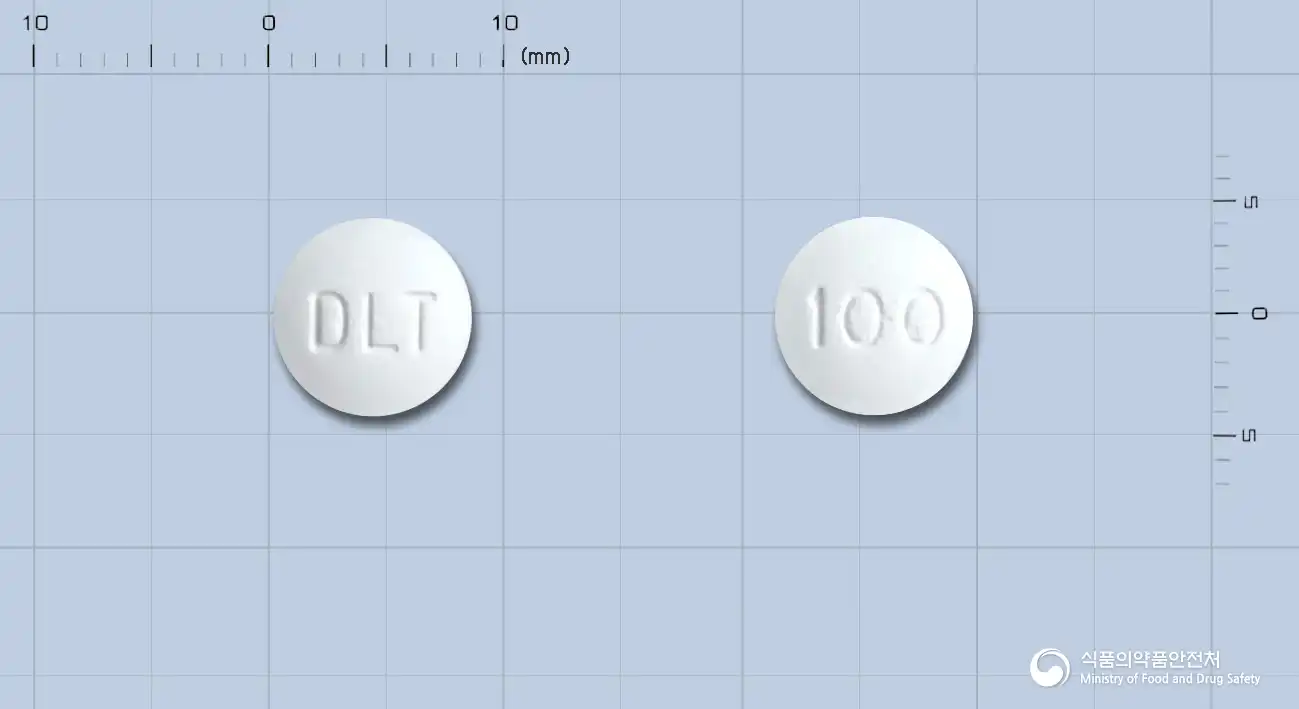
White round chewable or dispersible tablet imprinted with 100 on one side and DLT on the other side
30 tablets (10 tablets per PTP X 3)
Even with the same ingredient, strength, dosage form and how it is taken can differ.
Viewing nowLamotrigine 100mg
Chewable Tablet · Prescription medication
Handok Teva Co., Ltd.
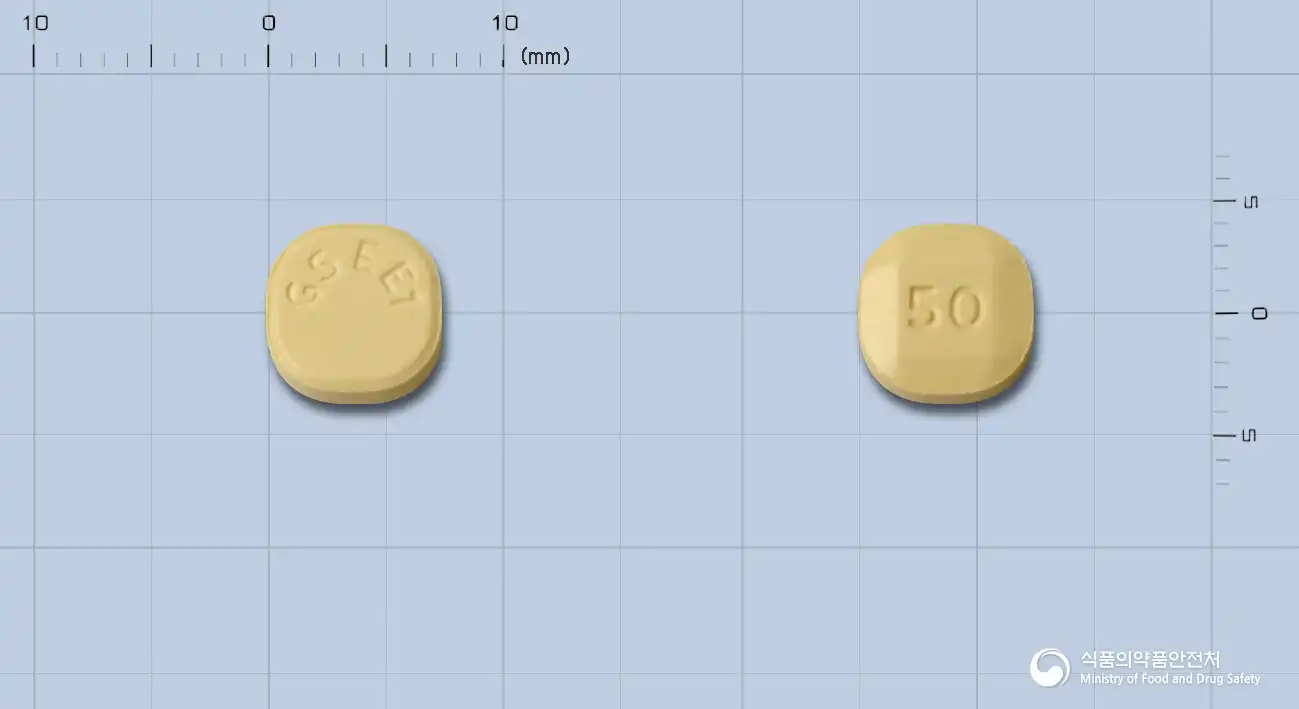
Lamotrigine 100mg
Tablet · Prescription medication
GlaxoSmithKline Co., Ltd.
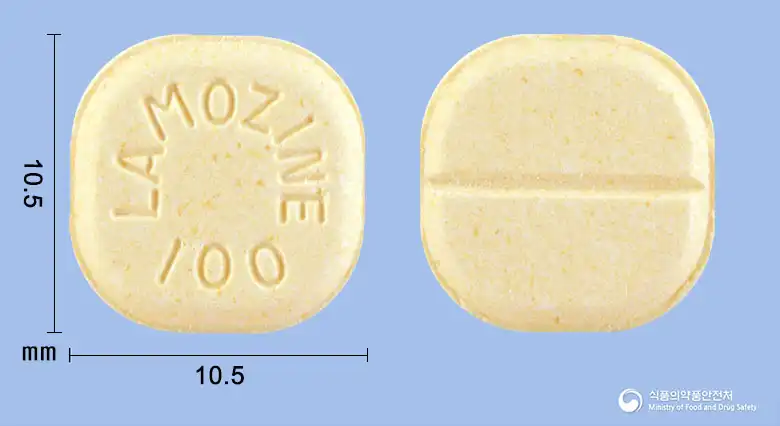
Lamotrigine 100mg
Tablet · Prescription medication
Yian Pharmaceutical Co., Ltd.
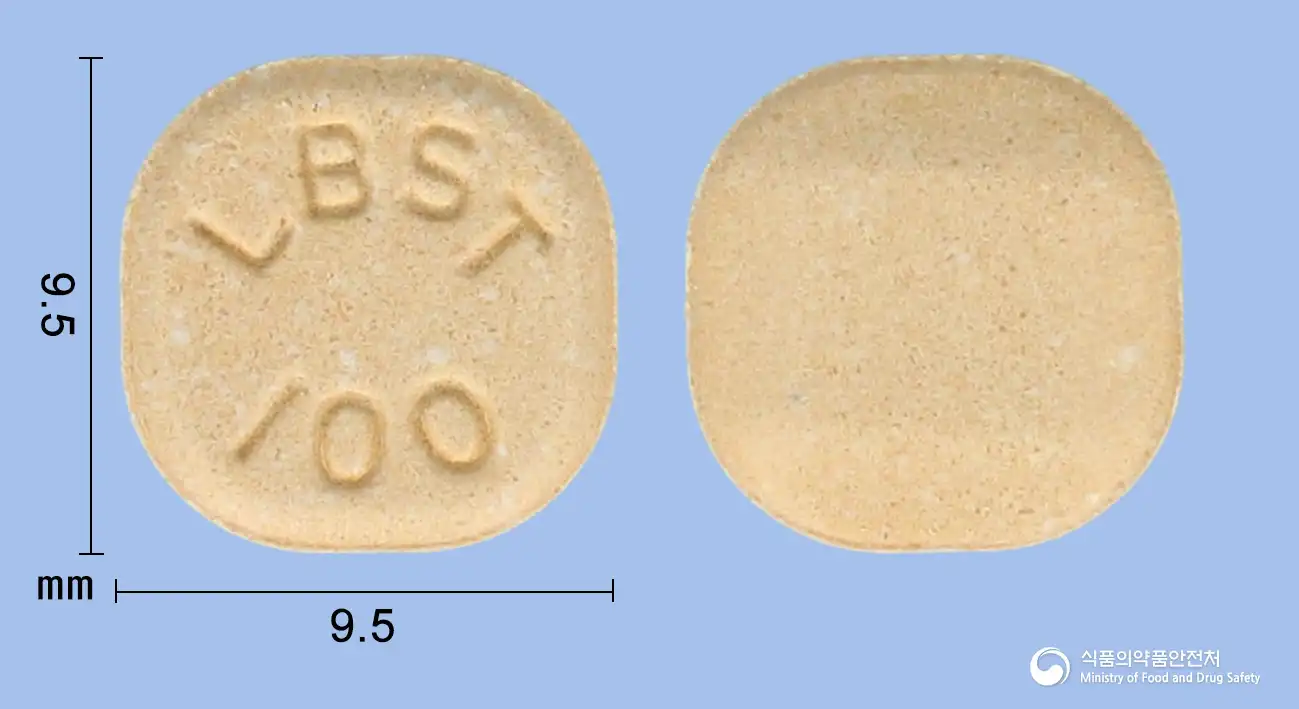
Lamotrigine 100mg
Tablet · Prescription medication
Hanlim Pharmaceutical Co., Ltd.
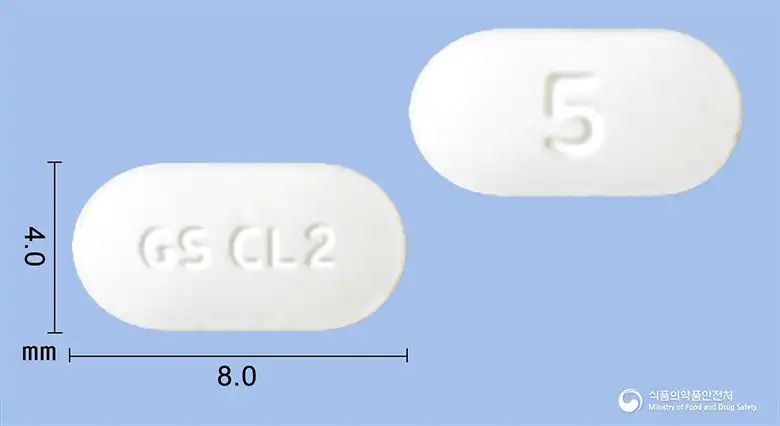
Lamotrigine 5mg
Chewable Tablet · Prescription medication
GlaxoSmithKline Co., Ltd.
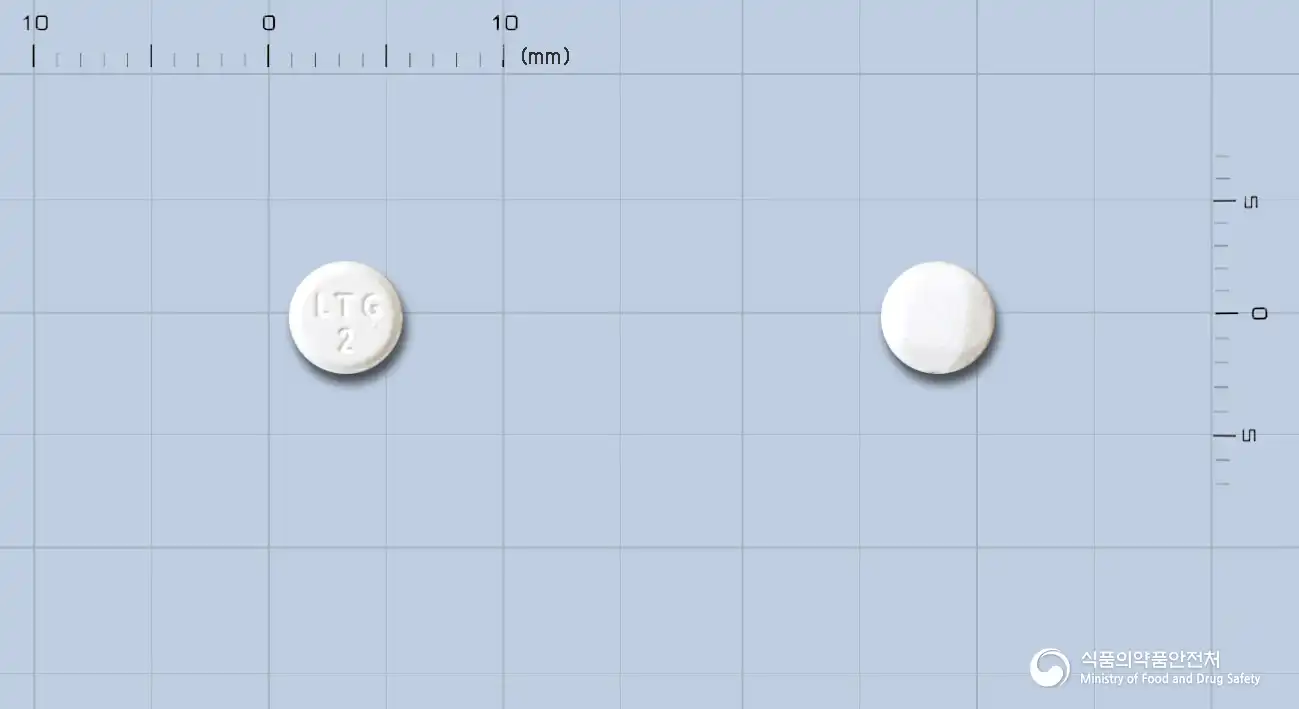
Lamotrigine 2mg
Chewable Tablet · Prescription medication
GlaxoSmithKline Co., Ltd.
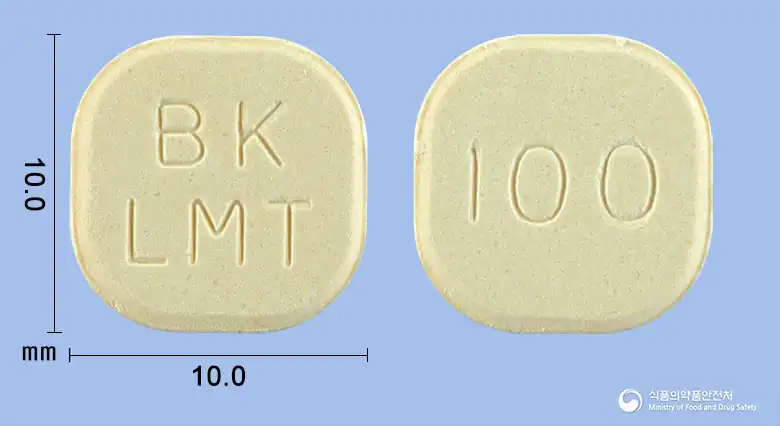
Lamotrigine 100mg
Tablet · Prescription medication
Bukwang Pharmaceutical Co., Ltd.
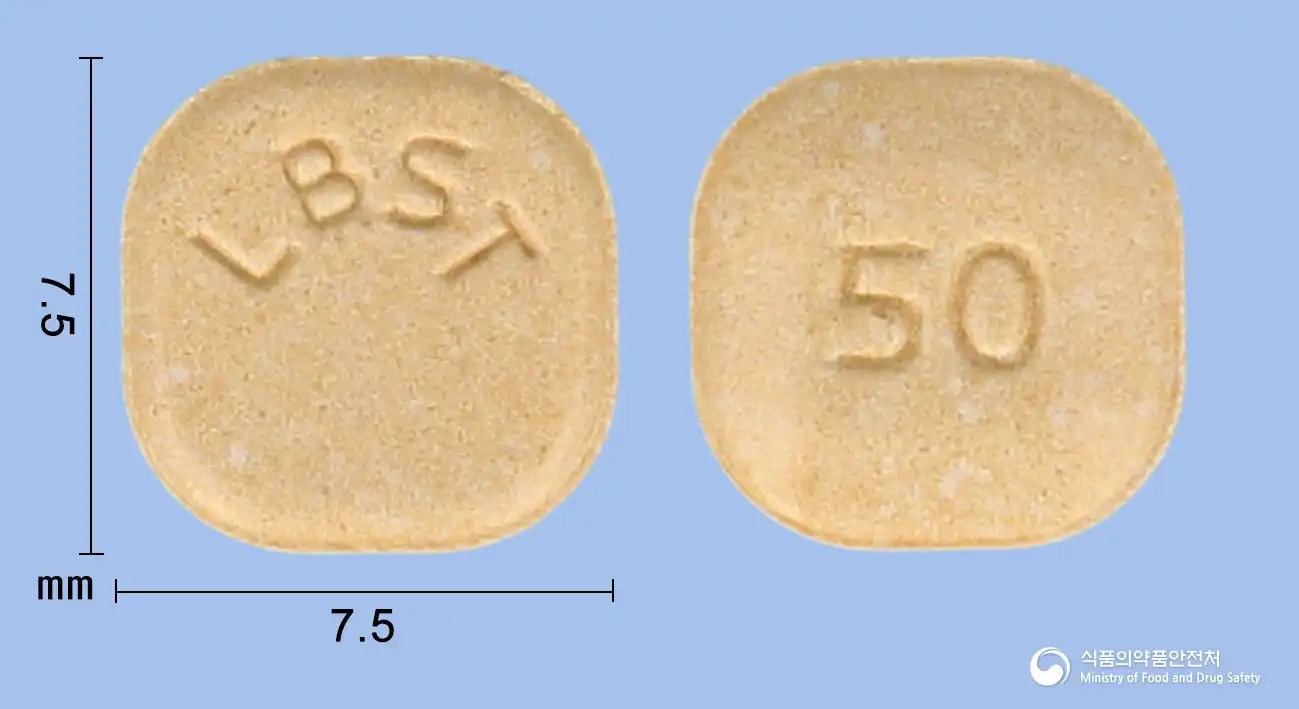
Lamotrigine 50mg
Tablet · Prescription medication
Hallym Pharmaceutical Co., Ltd.
Even with the same ingredient, the dose and directions can differ by strength and dosage form. Talk to a doctor or pharmacist before switching from a medication you are already taking.
No questions yet.
For anything that needs medical judgment, consult a doctor or pharmacist.
This drug information is based on data provided by the Korea Ministry of Food and Drug Safety.
Consult a doctor or pharmacist for accurate dosage, administration, and usage instructions.