
 한국어
 English
 日本語
 中文(简体)
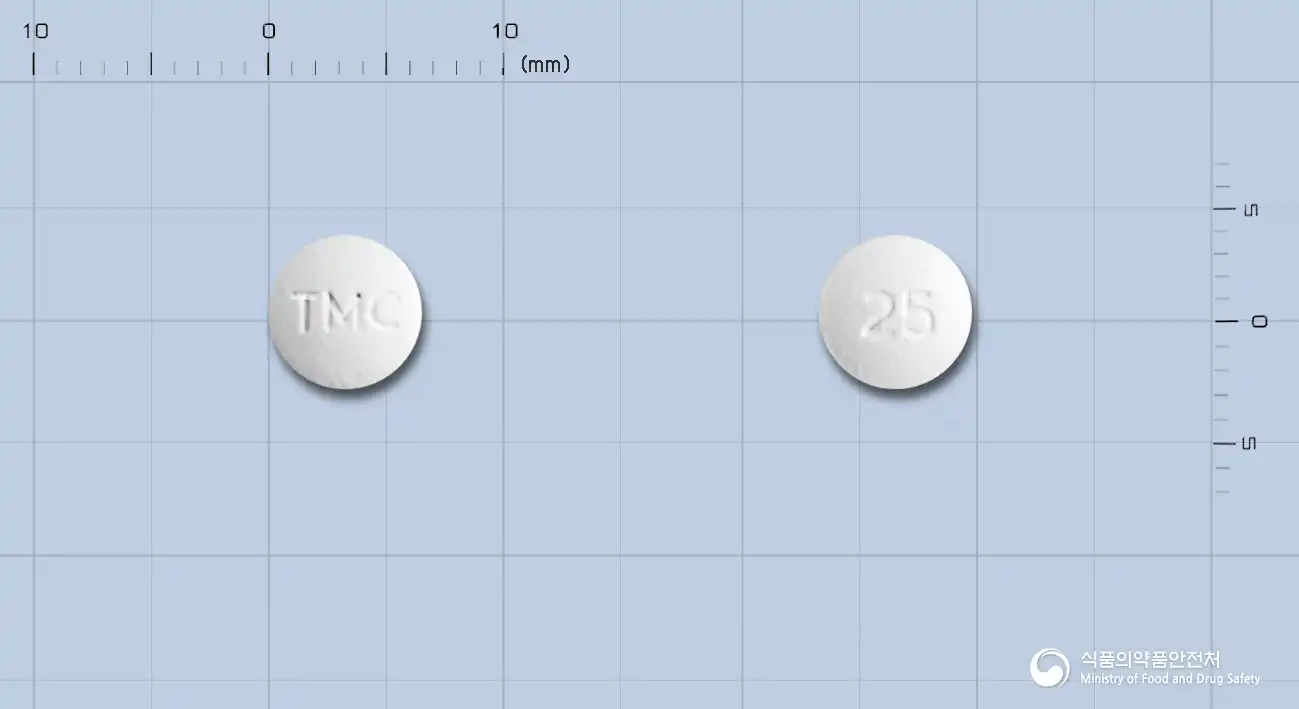
Summary
- Main use
- Combination therapy for HIV-1 infection in adults
- Who takes it
- Adults · Children
- Adult dose
- This medicine must always be administered in combination with other antiretroviral agents. The recommended dose of this medicine is 1 tablet once daily, taken with food. 1. Oral lead-in therapy Before starting rilpivirine injections, administer this medicine with food once daily in combination with cabotegravir tablets (30mg) once daily for approximately 1 month (at least 28 days) as oral lead-in therapy to assess tolerability to rilpivirine. Refer to the prescribing information for rilpivirine injection for details. 2. Oral therapy as a replacement for injections When temporarily replacing cabotegravir and rilpivirine injection therapy with oral therapy, this medicine should be administered with food once daily in combination with cabotegravir 30mg tablets once daily. This may replace up to 2 consecutive monthly visits or 1 every-2-month visit. Refer to the prescribing information for rilpivirine injection for details. 3. Dose adjustment for concomitant administration with rifabutin Patients receiving this medicine concomitantly with rifabutin should increase the dose of this medicine to 2 tablets once daily, taken with food. When concomitant administration of rifabutin is discontinued, reduce the dose of this medicine to 1 tablet once daily, taken with food. Missed dose If the patient realizes that they missed a dose of this medicine within 12 hours of the scheduled time, take it with food as soon as possible and take the next dose at the next regularly scheduled time. If more than 12 hours have passed since the missed dose, skip the missed dose and maintain the regular dosing schedule, taking this medicine at the next scheduled time. Older adults No dose adjustment is required in older adults. (Use caution, as there were insufficient numbers of older adults aged 65 years or older in the clinical trials of this medicine.) Hepatic impairment No dose adjustment is required in patients with mild or moderate hepatic impairment (Child-Pugh class A or B). This medicine has not been studied in patients with severe hepatic impairment (Child-Pugh class C). Renal impairment No dose adjustment is required in patients with renal impairment.
- Child dose
- Adolescents and children under 18 years of age: Use is not recommended because the safety and efficacy of this medicine have not been established.
Ingredients
- Importer
- Janssen Korea Ltd.
Efficacy & effects
Combination therapy for HIV-1 infection in adults
View approved original textHide original text
This medication is used for the treatment of infection caused by Human Immunodeficiency Virus Type 1 (HIV-1). It is used in combination with other antiretroviral drugs to enhance effectiveness in adult patients who have no prior experience with antiretroviral therapy. Moreover, for patients with sufficiently suppressed virus who have no resistance to cabotegravir or rilpivirine, it maximizes treatment effects when used in short-term combination therapy. It is also used as an oral initiation therapy to confirm the tolerability of rilpivirine before administering long-acting injectable cabotegravir and rilpivirine. Additionally, it can be temporarily substituted orally when injectable rilpivirine and cabotegravir therapy is briefly interrupted. This method improves the treatment of HIV-1 infection.
How to take
Adult dose
This medicine must always be administered in combination with other antiretroviral agents. The recommended dose of this medicine is 1 tablet once daily, taken with food. 1. Oral lead-in therapy Before starting rilpivirine injections, administer this medicine with food once daily in combination with cabotegravir tablets (30mg) once daily for approximately 1 month (at least 28 days) as oral lead-in therapy to assess tolerability to rilpivirine. Refer to the prescribing information for rilpivirine injection for details. 2. Oral therapy as a replacement for injections When temporarily replacing cabotegravir and rilpivirine injection therapy with oral therapy, this medicine should be administered with food once daily in combination with cabotegravir 30mg tablets once daily. This may replace up to 2 consecutive monthly visits or 1 every-2-month visit. Refer to the prescribing information for rilpivirine injection for details. 3. Dose adjustment for concomitant administration with rifabutin Patients receiving this medicine concomitantly with rifabutin should increase the dose of this medicine to 2 tablets once daily, taken with food. When concomitant administration of rifabutin is discontinued, reduce the dose of this medicine to 1 tablet once daily, taken with food. Missed dose If the patient realizes that they missed a dose of this medicine within 12 hours of the scheduled time, take it with food as soon as possible and take the next dose at the next regularly scheduled time. If more than 12 hours have passed since the missed dose, skip the missed dose and maintain the regular dosing schedule, taking this medicine at the next scheduled time. Older adults No dose adjustment is required in older adults. (Use caution, as there were insufficient numbers of older adults aged 65 years or older in the clinical trials of this medicine.) Hepatic impairment No dose adjustment is required in patients with mild or moderate hepatic impairment (Child-Pugh class A or B). This medicine has not been studied in patients with severe hepatic impairment (Child-Pugh class C). Renal impairment No dose adjustment is required in patients with renal impairment.
Child dose
Adolescents and children under 18 years of age: Use is not recommended because the safety and efficacy of this medicine have not been established.
Precautions
This medicine requires caution when taken with other medications that may reduce serum concentration. In particular, it may pose risks when combined with drugs that affect heart rhythm. Mental health issues, such as depression, may occur during the use of this medication, and it is vital to seek medical attention immediately if severe symptoms arise. Additionally, there is a risk of immune reconstitution inflammatory syndrome due to excessive immune response, so caution is advised. This drug should not be administered to patients with specific allergy reactions or genetic issues such as lactose intolerance. It should also not be taken in combination with certain anticonvulsants, antimyobacterials, or gastrointestinal medications, as these can reduce the drug's efficacy. Common side effects may include depression, headache, insomnia, and abnormal liver function; most of these are mild. However, serious side effects such as abnormal liver function, severe skin rashes, and worsening depression may occur, and patients should consult a doctor immediately if symptoms worsen. This medication is for HIV infection treatment, and since complete cure is difficult, it is essential to maintain appropriate measures to prevent infection. Patients with high viral loads or those at risk of resistance may require regular monitoring, as treatment efficacy may diminish. This drug has many potential interactions with other medications, so it is crucial to inform a doctor or pharmacist if taking other medications. In particular, caution should be exercised when taken with drugs that affect the enzymes that break down medications in the liver, as this may alter serum concentrations. During pregnancy, use of this drug should be avoided whenever possible, and it is recommended to discontinue breastfeeding if nursing. There is insufficient safety data in the elderly, so use should be cautious. In the case of overdose, there are no specific antidotes; therefore, it is essential to seek immediate medical attention to monitor vital signs and heart condition.
Side effects
- depression
- headache
- insomnia
- increased aminotransferases
- rash
- increased transaminases
- depressive disorder
- abdominal pain
- dizziness
- reduced platelet count
Show 36 moreCollapse
- reduced white blood cell count
- increased creatinine
- increased AST
- increased ALT
- increased bilirubin
- increased pancreatic amylase
- increased lipase
- increased total cholesterol
- increased LDL cholesterol
- increased triglycerides
- decreased appetite
- depressed mood
- abnormal dreams
- sleep disturbances
- drowsiness
- abdominal pain
- nausea
- vomiting
- abdominal discomfort
- fatigue
- decreased hemoglobin
- heart failure
- diarrhea
- hair loss
- skin erosion
- skin lesions
- anal-genital warts
- caries
- hemorrhoids
- pustular rash
- gastroenteritis
- rhinosinusitis
- muscle weakness
- low back pain
- itching
- thrombophlebitis
Not everyone experiences these, and they can vary from person to person.
Storage
This medicine is sensitive to light and should be stored in a special container that keeps light out. Additionally, it is crucial to maintain the storage temperature at room temperature, between 1 to 30 degrees Celsius. This helps ensure that the composition of the medicine remains unchanged and safe for use.
Appearance and packaging
Appearance
White to off-white, convex round tablet
Package unit
30 tablets/bottle
Questions about this medicine
No questions yet.
For anything that needs medical judgment, consult a doctor or pharmacist.