
 한국어
 English
 日本語
 中文(简体)
 Viewing now
Suprect Capsule 100 mg (Radotinib Hydrochloride)
Radotinib Hydrochloride 106.8mg
Hard capsule · Prescription medication
Il-Yang Pharmaceutical Co., Ltd.
MFDS item code 201200121 · Approved 2012.01.05 · Insurance code 641704390
Treatment of newly diagnosed adults with chronic-phase Philadelphia chromosome-positive chronic myeloid leukemia
This drug is used for patients with Philadelphia chromosome-positive chronic myeloid leukemia (Ph+CML) and has proven its efficacy based on major molecular genetic and cytogenetic response rates. It effectively manages the disease in adult patients diagnosed in the chronic phase and helps suppress disease progression. Patients can expect positive changes in reducing the number of abnormal cells in the blood and increasing healthy blood cells through treatment. Therefore, it plays an important role in improving the pathological changes of chronic myeloid leukemia.
○ Treatment of adult patients with newly diagnosed chronic-phase Philadelphia chromosome-positive chronic myeloid leukemia (Ph+CML): 300mg twice daily Take this drug approximately 12 hours apart. Do not eat or drink anything other than water for 2 hours before and after taking it. Swallow the capsule whole with water; do not chew it. <Neutropenia and thrombocytopenia> ANC 1 × < 109/L and/or platelet count < 50 × 109/L <Patients with newly diagnosed chronic-phase Ph+CML> 1. Interrupt treatment with this drug and monitor blood counts. 2. If ANC recovers to 1 × 10⁹/L or higher and/or the platelet count recovers to 50 × 109/L or higher within 2 weeks, resume treatment at a reduced dose of 200mg twice daily. 3. If these adverse reactions recur, repeat the previous steps and resume treatment at the same dose. 4. If low blood counts persist for more than 6 weeks, consider discontinuing treatment. <QT interval prolongation> QTcF greater than 480msec <Patients with newly diagnosed chronic-phase Ph+CML> 1. Interrupt treatment with this drug and monitor by repeating ECGs until the QTcF value recovers to 480msec or lower. 2. If QTcF recovers to 480msec or lower within 2 weeks, resume treatment at a reduced dose of 200mg twice daily. 3. If QTcF is measured at greater than 480msec after restarting treatment, repeat ECGs. If QTcF recovers to 480msec or lower within 2 weeks, resume treatment at the previous dose (200mg twice daily). 4. If the abnormality recurs, consider discontinuing treatment. <Elevated serum bilirubin and hepatic transaminases> Grade 3-4 or higher bilirubin and hepatic transaminase levels <Patients with newly diagnosed chronic-phase Ph+CML> 1. Interrupt treatment with this drug and, upon recovery, resume treatment at a reduced dose of 200mg twice daily. 2. If it recurs, interrupt treatment and, after recovery, resume treatment at the same dose of 200mg twice daily; if it recurs again, consider discontinuing treatment. <Other nonhematologic adverse reactions> If a serious Grade 3-4 nonhematologic adverse reaction occurs with this drug, interrupt treatment. After the toxicity resolves or improves, patients with newly diagnosed chronic-phase Ph+CML may restart treatment at 200mg twice daily. If it recurs, interrupt treatment until recovery; after the toxicity resolves or improves, patients with newly diagnosed chronic-phase Ph+CML may resume treatment at the same dose (200mg twice daily). If nonhematologic adverse reactions recur thereafter, consider discontinuing treatment. If considered clinically appropriate, consider re-escalation to the recommended dose (300mg twice daily).
This drug should not be used by patients allergic to the active ingredient or other components. It may prolong the interval of electrical signals related to heartbeats, so caution is needed for patients with heart disease or prolonged QT interval. When taking this drug, it should be avoided in combination with food or certain medications that may affect the heart. It can affect liver function, so patients with liver disease or those requiring liver function tests should be regularly checked. Blood sugar levels may increase, so diabetic patients or those needing blood sugar monitoring should be carefully monitored. Patients with a history of pancreatitis should consult medical personnel immediately if abdominal pain or other symptoms occur during the use of this drug. Patients who are carriers of the hepatitis B virus should have regular checks for viral activation before and during the use of this drug and consult a specialist if necessary. This drug contains specific pigment components, and patients allergic to these components should exercise caution. During administration, regular blood tests should be conducted to monitor platelet, white blood cell, and anemia status; appropriate measures should be taken if abnormalities are found. Symptoms such as dizziness, nausea, and vomiting may occur, so caution is needed when driving or operating machinery. Pregnant or potentially pregnant women and men must take appropriate measures to prevent pregnancy, and special care is needed for pregnant women. Nursing mothers are advised to discontinue breastfeeding while taking this drug. Safety for children and adolescents has not been established, so it is preferable not to use it in those under 18 years of age. Elderly patients can use it, but while there is no significant difference in effectiveness compared to other age groups, careful observation is required. This drug must be taken under the supervision of a qualified healthcare professional, and it is essential to inform and manage any medications being taken concurrently due to the possibility of drug interactions. No cases of overdose have been reported, but if unusual symptoms occur, immediate consultation with medical personnel is advised. For storage, keep it in its original packaging at room temperature below 30 degrees Celsius, out of reach of children.
Not everyone experiences these, and they can vary from person to person.
This drug is sensitive to light, so it should be stored in a container that blocks light. Additionally, it is important to maintain a room temperature of between 1 degree and 30 degrees Celsius when storing the medicine.
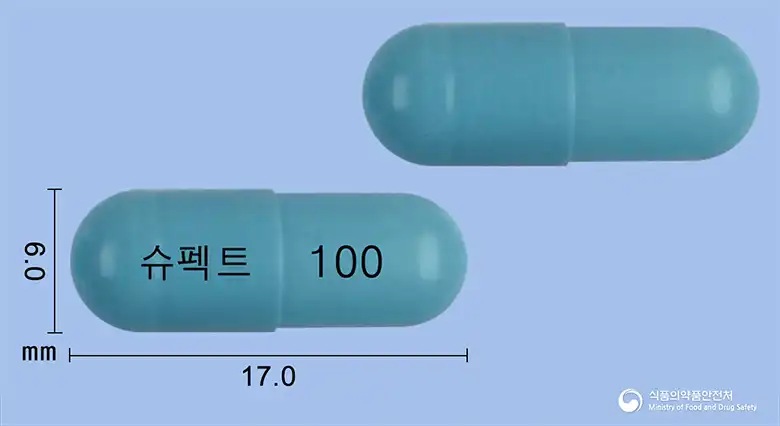
A hard capsule with light yellow powder in a pale blue upper and lower part.
28 capsules (14 capsules / PTP x 2)
Even with the same ingredient, strength, dosage form and how it is taken can differ.
Viewing nowRadotinib Hydrochloride 106.8mg
Hard capsule · Prescription medication
Il-Yang Pharmaceutical Co., Ltd.
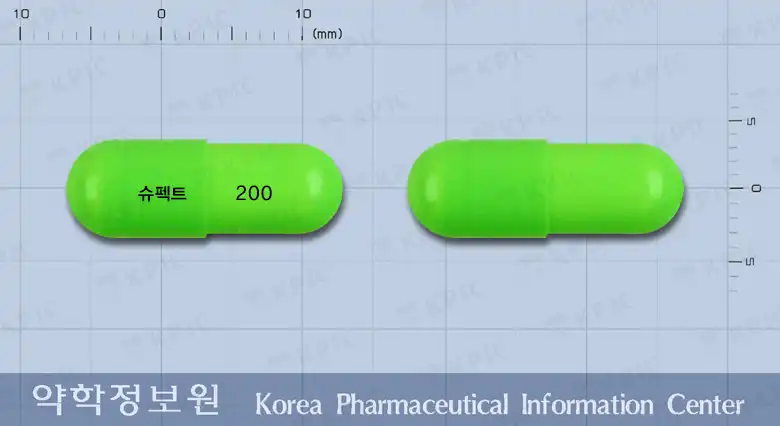
Radotinib Hydrochloride 213.6mg
Hard capsule · Prescription medication
Il Yang Pharmaceutical Co., Ltd.
Even with the same ingredient, the dose and directions can differ by strength and dosage form. Talk to a doctor or pharmacist before switching from a medication you are already taking.
No questions yet.
For anything that needs medical judgment, consult a doctor or pharmacist.
This drug information is based on data provided by the Korea Ministry of Food and Drug Safety.
Consult a doctor or pharmacist for accurate dosage, administration, and usage instructions.