
 한국어
 English
 日本語
 中文(简体)
 Viewing now
SPECT Capsule 200 mg (Rade tyrosine hydrochloride)
Radotinib Hydrochloride 213.6mg
Hard capsule · Prescription medication
Il Yang Pharmaceutical Co., Ltd.
MFDS item code 201200120 · Approved 2012.01.05 · Insurance code 641704380
Treatment of newly diagnosed adults with chronic-phase Philadelphia chromosome-positive chronic myeloid leukemia
This medication is used for the treatment of newly diagnosed adult patients with chronic-phase Philadelphia chromosome-positive chronic myeloid leukemia (Ph+CML). Its efficacy has been proven based on major molecular genetic and cytogenetic response rates, helping to improve treatment outcomes for patients.
○ Treatment of adult patients with newly diagnosed chronic-phase Philadelphia chromosome-positive chronic myeloid leukemia (Ph+CML): 300mg twice daily Take this drug approximately 12 hours apart. Do not eat or drink anything other than water for 2 hours before and after taking it. Swallow the capsule whole with water; do not chew it. <Dose adjustment for adverse reactions> Neutropenia and thrombocytopenia: ANC 1 × < 109/L and/or platelet count < 50 × 109/L <Patients with newly diagnosed chronic-phase Ph+CML> 1. Interrupt treatment with this drug and monitor blood counts. 2. If ANC recovers to 1 × 10⁹/L or higher and/or the platelet count recovers to 50 × 109/L or higher within 2 weeks, resume treatment at a reduced dose of 200mg twice daily. 3. If these adverse reactions recur, repeat the previous steps and resume treatment at the same dose. 4. If low blood counts persist for more than 6 weeks, consider discontinuing treatment. QT interval prolongation: QTcF greater than 480msec <Patients with newly diagnosed chronic-phase Ph+CML> 1. Interrupt treatment with this drug and monitor by repeating ECGs until the QTcF value recovers to 480msec or lower. 2. If QTcF recovers to 480msec or lower within 2 weeks, resume treatment at a reduced dose of 200mg twice daily. 3. If QTcF is measured at greater than 480msec after restarting treatment, repeat ECGs. If QTcF recovers to 480msec or lower within 2 weeks, resume treatment at the previous dose (200mg twice daily). 4. If the abnormality recurs, consider discontinuing treatment. Elevated serum bilirubin and hepatic transaminases: Grade 3-4 or higher bilirubin and hepatic transaminase levels <Patients with newly diagnosed chronic-phase Ph+CML> 1. Interrupt treatment with this drug and, upon recovery, resume treatment at a reduced dose of 200mg twice daily. 2. If it recurs, interrupt treatment and, after recovery, resume treatment at the same dose of 200mg twice daily; if it recurs again, consider discontinuing treatment. Other nonhematologic adverse reactions If a serious Grade 3-4 nonhematologic adverse reaction occurs with this drug, interrupt treatment. After the toxicity resolves or improves, patients with newly diagnosed chronic-phase Ph+CML may restart treatment at 200mg twice daily. If it recurs, interrupt treatment until recovery; after the toxicity resolves or improves, patients with newly diagnosed chronic-phase Ph+CML may resume treatment at the same dose (200mg twice daily). If nonhematologic adverse reactions recur thereafter, consider discontinuing treatment. If considered clinically appropriate, consider re-escalation to the recommended dose (300mg twice daily).
This medication should not be used in patients who are allergic to the active ingredient or other components. There is a possibility of prolonged electrical signals related to heart rhythm; therefore, patients with heart disease or a high risk of QT interval prolongation should be administered cautiously. It is safer to avoid concomitant medications or foods that may affect heart rhythm when using this drug. Before administration, an ECG should be performed to check heart status, and additional testing is required if any abnormalities present. It may affect liver function, so careful usage is advised for patients with liver disease or abnormal liver function tests. Blood sugar levels may rise, and regular monitoring and treatment may be needed before and during usage. Patients with a history of pancreatitis should monitor for symptoms such as abdominal pain associated with elevated lipase levels in the blood, and administration should be discontinued if abnormal symptoms arise. Patients who are carriers of the hepatitis B virus should consult a specialist before using this drug and closely observe for any infection reactivation during treatment. This medication contains specific pigment ingredients, so patients allergic to these should be cautious. During treatment, routine blood tests to monitor platelets, white blood cells, liver function, etc. are necessary to detect adverse reactions early. Symptoms like dizziness, nausea, and vomiting may occur, requiring caution while driving or operating machinery. Pregnant women or women of childbearing potential should avoid this medication due to risks to the fetus, and effective contraception is recommended. Nursing mothers should also avoid breastfeeding while taking this medication. This medication is not recommended for children and adolescents due to unverified safety and efficacy. Elderly patients may use it, but no special dosage adjustment is needed based on age. When taking the medication, store it at room temperature below 30 degrees Celsius, and keep it out of reach of children. This medication should be administered only under the supervision of a specialist, and any adverse reactions should be immediately reported to medical personnel.
Rash, nausea, fatigue, pruritus, headache, decreased appetite, hair loss, dyspepsia, myalgia, weight loss, weight gain, generalized pruritus, dry eyes, chest discomfort, pigmentation disorders, hyperpigmentation of the skin, thrombocytopenia, neutropenia, anemia, hyperbilirubinemia, elevated SGPT (ALT), elevated SGOT (AST), elevated lipase, increased blood bilirubin, hyperglycemia, hypertriglyceridemia, hyperkalemia, hyperlipidemia, hypercholesterolemia, palpitations, angina, fever, urinary tract infection, thrombocytopenia, leukopenia, febrile neutropenia, panleukopenia, leukocytosis, vomiting, diarrhea, epigastric pain, constipation, abdominal pain, discomfort in the upper abdomen, hemorrhoids, liver dysfunction, abnormal liver function, jaundice, liver cirrhosis, hepatomegaly, scleral icterus, hair loss, excessive skin pigmentation, pigmentation disorders, generalized pruritus, generalized rash, petechiae, dry skin, maculopapular rash, follicular rash, erythematous papule, skin lesions, acne, blisters, skin peeling, papular rash, skin hypopigmentation, follicular and per follicular hyperkeratosis, purpura, skin tumors, melanoderma, nail and toenail disorders, low back pain, arthralgia, limb pain, bone pain, muscle cramps, musculoskeletal pain, neck pain, intervertebral disc protrusion, musculoskeletal stiffness, renal failure, increased urinary frequency, urinary retention, benign prostatic hyperplasia, vaginal discharge, menorrhagia, erectile dysfunction, fever, asthenia, chest pain, chest discomfort, pain, lethargy, contusion, conjunctivitis, urethritis, folliculitis, anal abscess, cystitis, herpes virus infection, mastoiditis, fungal pneumonia, soft tissue infection, dermatophytosis, nasopharyngitis, sepsis, shingles, gingivitis, melanocytic nevus, meningioma, leukopenia, neutropenia, anemia, lymphadenopathy, panleukopenia, febrile neutropenia, leukocytosis, cytopenia, splenomegaly, hypertriglyceridemia, hyperlipidemia, hyperglycemia, diabetes, hypercholesterolemia, hyperkalemia, hypocalcemia, hypomagnesemia, increased appetite, hyperuricemia, hypoalbuminemia, dizziness, paresthesia, convulsions, sensory abnormalities, sensory loss, memory disturbances, taste disorders, migraine, eye pain, conjunctival hyperemia, dry eyes, conjunctival injection, photophobia, tinnitus, palpitations, atrial tachycardia, angina, coronary artery occlusion, flushing, hypotension, peripheral artery occlusive disease, cough, dyspnea, voice disorders, oropharyngeal pain, vomiting, diarrhea, epigastric pain, dyspepsia, constipation, abdominal pain, discomfort in the upper abdomen, hemorrhoids, abdominal discomfort, bloating, lower abdominal pain, changes in bowel habits, gastritis, gingival bleeding, gum pain, excessive gastric acid, blood in stool, rectal ulcer, oral ulcer, dry mouth, gastric ulcer, liver dysfunction, abnormal liver function, jaundice, liver cirrhosis, hepatomegaly, scleral icterus, hepatotoxicity, cholangitis, biliary congestion, drug-induced liver injury, hair loss, excessive skin pigmentation, pigmentation disorders, generalized pruritus, generalized rash, petechiae, dry skin, maculopapular rash, follicular rash, erythematous papule, skin lesions, acne, blisters, skin peeling, papular rash, skin hypopigmentation, follicular and per follicular hyperkeratosis, purpura, skin tumors, melanoderma, nail and toenail disorders, low back pain, arthralgia, limb pain, bone pain, muscle cramps, musculoskeletal pain, neck pain, intervertebral disc protrusion, musculoskeletal stiffness, renal failure, increased urinary frequency, urinary retention, benign prostatic hyperplasia, vaginal discharge, menorrhagia, erectile dysfunction, fever, asthenia, chest pain, chest discomfort, pain, lethargy, contusion, nausea, acute pancreatitis, vomiting, panleukopenia, splenomegaly, hyperglycemia, thoracolumbar pain, cerebral infarction, vaginal bleeding, pruritus, dermatitis, eczema, acral keratinization, pruritic rash, urticaria, periodontitis, Clostridium difficile infection, otitis externa, hematemesis, acute pancreatitis, oral bleeding, increased blood urea, increased blood lactate dehydrogenase, eye edema, eyelid edema, blurred vision, bleeding, hypertension, lymphedema, gouty arthritis, osteoarthritis, vertigo, dyslipidemia, cerebral infarction, vaginal bleeding, pleural effusion
Not everyone experiences these, and they can vary from person to person.
This drug is light-sensitive, so it should be stored in a special container that blocks light. Additionally, it is preferable to keep it at room temperature between 1 and 30 degrees Celsius, avoiding excessively hot or cold places.
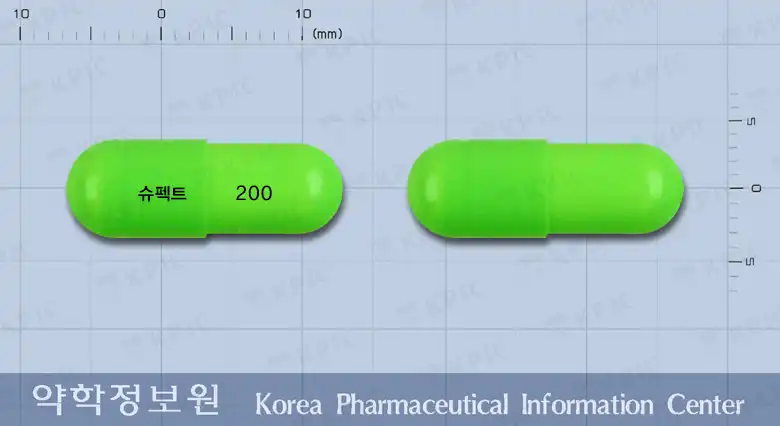
A hard capsule that is yellow-green and contains a light yellow powder
28 capsules (14 capsules / PTP x 2)
Even with the same ingredient, strength, dosage form and how it is taken can differ.
Viewing nowRadotinib Hydrochloride 213.6mg
Hard capsule · Prescription medication
Il Yang Pharmaceutical Co., Ltd.
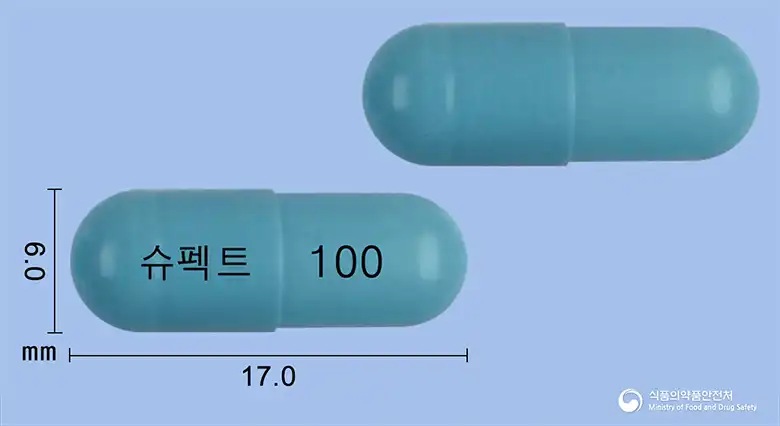
Radotinib Hydrochloride 106.8mg
Hard capsule · Prescription medication
Il-Yang Pharmaceutical Co., Ltd.
Even with the same ingredient, the dose and directions can differ by strength and dosage form. Talk to a doctor or pharmacist before switching from a medication you are already taking.
No questions yet.
For anything that needs medical judgment, consult a doctor or pharmacist.
This drug information is based on data provided by the Korea Ministry of Food and Drug Safety.
Consult a doctor or pharmacist for accurate dosage, administration, and usage instructions.