
 한국어
 English
 日本語
 中文(简体)
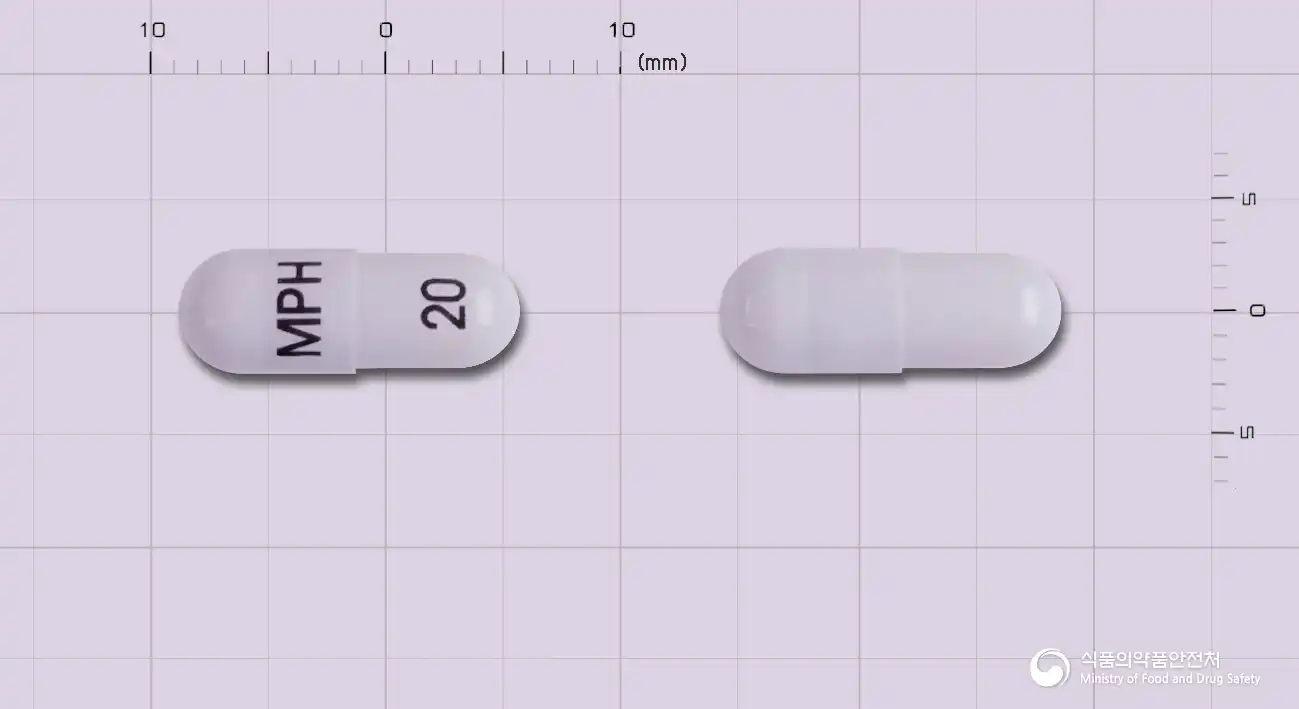 Viewing now
Medikinet Retard Capsule 20mg (Methylphenidate Hydrochloride)
Methylphenidate Hydrochloride 10mg
Hard capsule · Prescription medication
Myungin Pharmaceutical Co., Ltd.
MFDS item code 201111091 · Approved 2011.12.22 · Insurance code 651903670
Treatment of attention-deficit/hyperactivity disorder (ADHD) in patients aged 6 years and older
This medicine is used for the treatment of Attention Deficit Hyperactivity Disorder (ADHD) in children, adolescents, and adults aged 6 years and older. ADHD is a condition characterized by persistent symptoms of inattention, hyperactivity, and impulsivity that lead to significant impairment in social, academic, or occupational functioning across various settings, such as school and home. Diagnosis is based on DSM-IV or ICD-10 criteria and requires comprehensive medical, psychological, and educational evaluation for accurate diagnosis. Medication treatment is part of a comprehensive treatment program, and it is crucial to administer it in conjunction with psychosocial therapy and educational support. Not all patients require medication treatment, and this should be carefully decided based on the severity and chronicity of the condition. This medication plays a significant role in improving ADHD symptoms.
1. Initial dose and dose adjustment The dose of this medicine should be individualized according to the patient's response and tolerability. This medicine should be administered with a meal or immediately after a meal. If a patient taking another formulation of methylphenidate hydrochloride is switched to this medicine, it must be administered immediately after a meal. Take this medicine, or its contents, intact with water. Do not chew or crush the contents of this medicine. ○ Adults Administer this medicine 2 times a day (morning and noon), immediately after meals. The initial dose is 5mg per dose, administered 2 times a day (morning and noon). Increase the daily dose by 10mg each week according to the patient's treatment response and tolerability. The maximum daily dose of this medicine is 1mg/kg and must not exceed 80mg a day. Adult patients who have been continuously taking this medicine since childhood or adolescence should continue taking the same dose they are currently taking. 2. Maintenance and long-term treatment The safety and efficacy of this medicine for long-term administration for more than 6 months have not been studied. When prescribing this medicine long term to patients with ADHD, periodically reassess its efficacy for long-term use by temporarily interrupting drug treatment and conducting a trial to evaluate the patient's social functioning. 3. Dose reduction and discontinuation If symptoms worsen or other adverse reactions occur, reduce the dose and, if necessary, discontinue this medicine. If symptoms do not improve within one month after adjustment to an appropriate dose, discontinue this medicine.
○ Children and adolescents aged 6 years and older Administer this medicine once a day, immediately after breakfast. The initial dose is 5mg per dose, administered once a day (in the morning) or 2 times a day (morning and noon). Increase the daily dose by 5 ~ 10mg each week according to the patient's treatment response and tolerability. The maximum daily dose of this medicine is 60mg.
This medication should not be used in individuals with heart problems or a family history of heart disease. Particularly, in children or adolescents with structural heart anomalies or heart issues, the risk of sudden death may be increased when taking this drug. Patients with hypertension or cardiovascular disease should regularly monitor their blood pressure and heart rate while using this medication, as their condition may deteriorate; careful attention is needed. Additionally, a thorough evaluation of cardiac status should be conducted before taking this medication, and medical attention should be sought immediately if heart-related symptoms occur. Patients with a history of mental illness or previous psychotic symptoms should use this medication cautiously, as symptoms may worsen. A psychiatric evaluation is required for patients with bipolar disorder or depressive symptoms before taking this medication. This drug may cause growth delays, so children taking it for an extended period should be closely monitored for growth status, and may temporarily stop the medication if needed. Patients with a history of seizures or abnormal EEG should use this medication with caution as it may increase the risk of seizures, and should stop taking it immediately if seizures occur. Visual disturbances may occur while taking this medication; if there are any changes in vision, consultation with healthcare professionals is necessary. Children under the age of 5 should not be used as the safety and efficacy of this medication have not been established. Patients with a history of drug dependence or alcohol addiction should be careful not to adjust the dosage arbitrarily, as this medication may cause psychological dependence, necessitating careful monitoring even upon discontinuation. This medication may cause persistent painful erection; if this occurs, immediate medical attention should be sought. Peripheral vascular disease symptoms may appear; if symptoms such as coldness or discoloration of the hands and feet occur, inform healthcare professionals. This medication may interact with certain conditions or drugs, so consult with a doctor or pharmacist before taking it. Caution is especially needed when taken with MAO inhibitors, antihypertensives, antidepressants, or antipsychotic medications. Pregnant or breastfeeding women should carefully consider the risks and benefits of taking this medication and breastfeeding mothers should monitor changes in the infant's weight during treatment. It is advisable to take this medication with meals; the capsule should be swallowed whole or can be sprinkled on applesauce for immediate consumption, but should not be pre-prepared. Care should be taken as symptoms such as dizziness may occur while driving or operating machinery.
Headache, diarrhea, appendicitis, abdominal pain, loss of appetite, insomnia, nasopharyngitis, restlessness, nausea, palpitations, tension, instability, aggression, excitement, anxiety, depression, irritability, abnormal behavior, psychiatric disorders, auditory hallucinations, visual hallucinations, tactile hallucinations, anger, suicidal ideation, mood changes, crying, tics, exacerbation of existing tics or Tourette syndrome, hypervigilance, sleep disorders, mania, disorientation, sexual dysfunction, suicide attempts, transient depression, abnormal thought, numbness, repetitive behavior, hyperfocus, delusions, thought disorders, confusion, dependence, abuse, dizziness, movement disorders, psychomotor agitation, drowsiness, sedation, tremors, convulsions, choreoathetosis, ischemic nerve disorders, neuroleptic syndrome, cerebrovascular disorders, grand mal seizures, migraines, diplopia, blurred vision, visual accommodation disorders, mydriasis, arrhythmia, tachycardia, chest pain, angina, heart murmurs, cardiac arrest, myocardial infarction, acute cardiac death, ventricular tachycardia, bradycardia, ventricular ectopic beats, ectopic beats, hypertension, cerebral artery occlusion, peripheral coldness, Raynaud's phenomenon, cough, sore throat, shortness of breath, gastric discomfort, vomiting, dry mouth, constipation, elevated liver enzymes, hepatic encephalopathy, hair loss, pruritus, rash, urticaria, angioedema, blisters, desquamation, hyperhidrosis, spots, erythema, erythema multiforme, exfoliative dermatitis, fixed drug eruption, arthralgia, myalgia, muscle rigidity, muscle cramps, hematuria, menstrual irregularities, gynecomastia, fever, growth retardation, fatigue, chest discomfort, fever of unknown origin, changes in blood pressure and heart rate, weight loss, elevated alkaline phosphatase, elevated bilirubin, thrombocytopenia, abnormal white blood cell count, serotonin syndrome, vomiting, agitation, tremors, parkinsonism, muscle spasms, seizures, euphoria, confusion, hallucinations, delirium, sweating, flushing, fever of unknown origin, palpitations, deep vein thrombosis, mydriasis, and dry mucous membranes.
Not everyone experiences these, and they can vary from person to person.
This medication should be stored in an airtight container to protect it from exposure to air and moisture; it is important to maintain a storage temperature between 1 degree and 30 degrees Celsius. Storing it this way will help preserve the medication's effectiveness for a longer period.
A hard capsule with the upper and lower parts in light purple containing fast-release white pellets and enteric-coated blue pellets
30 capsules (10 capsules/PTP x 3)
Even with the same ingredient, strength, dosage form and how it is taken can differ.
Viewing nowMethylphenidate Hydrochloride 10mg
Hard capsule · Prescription medication
Myungin Pharmaceutical Co., Ltd.
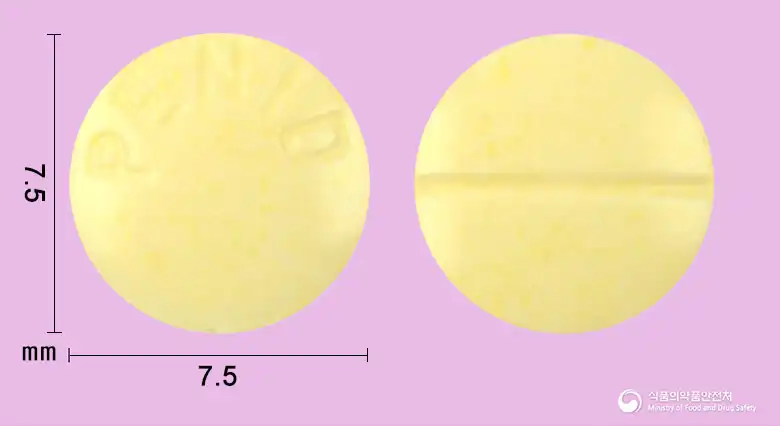
Methylphenidate Hydrochloride 5mg
Tablet · Prescription medication
Hanin Pharmaceutical Co., Ltd.
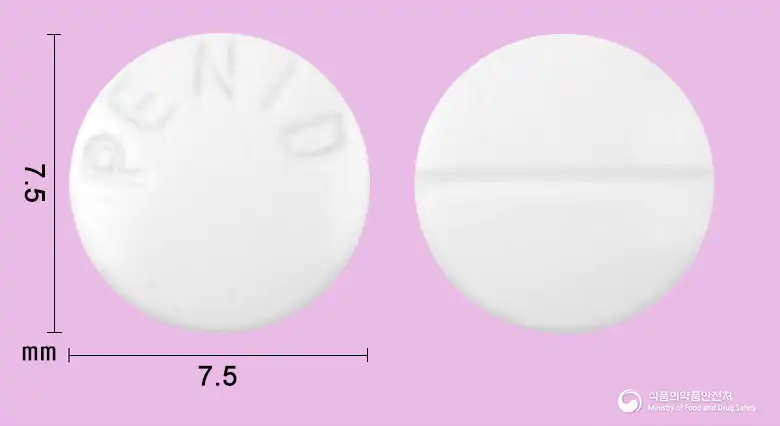
Methylphenidate Hydrochloride 10mg
Tablet · Prescription medication
Hwanin Pharmaceutical Co., Ltd.
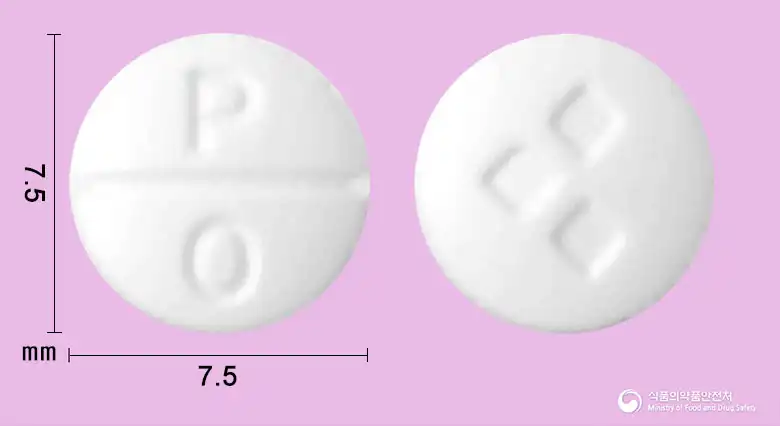
Methylphenidate Hydrochloride 10mg
Tablet · Prescription medication
Myungjin Pharmaceutical Co., Ltd.
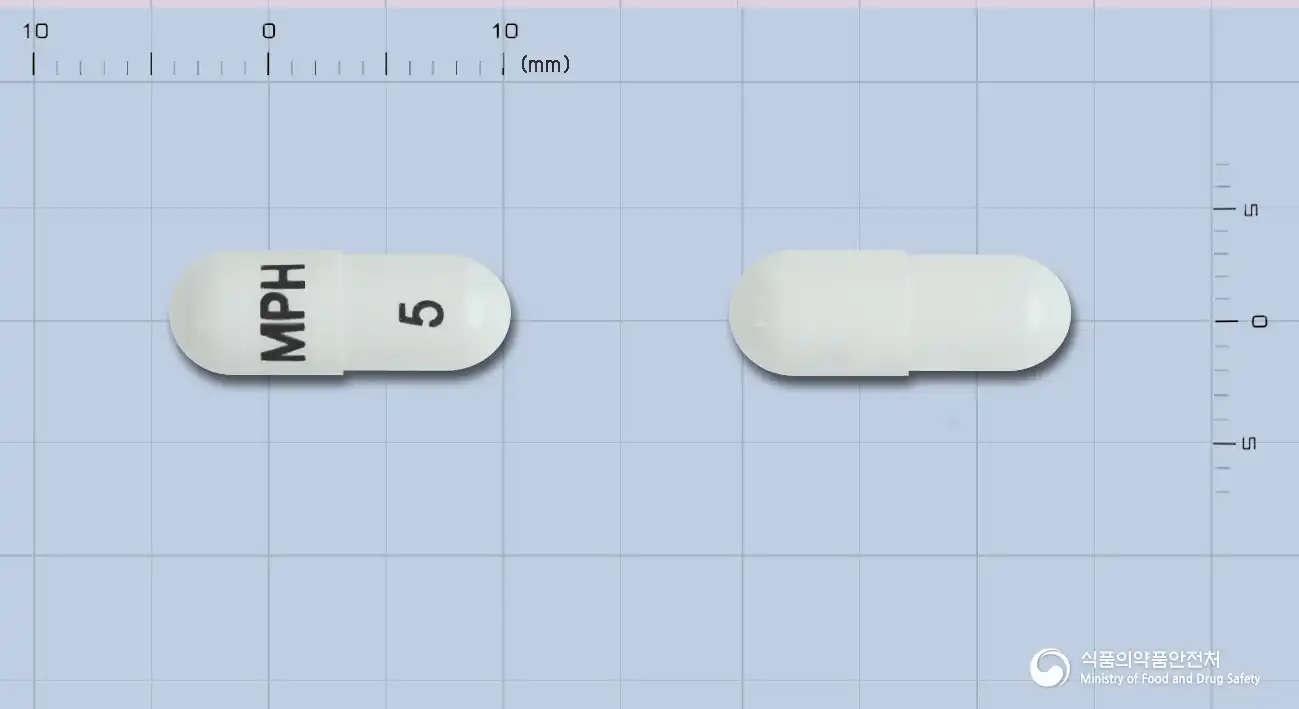
Methylphenidate Hydrochloride 2.5mg
Prescription medication
Myungjin Pharmaceutical Co., Ltd.
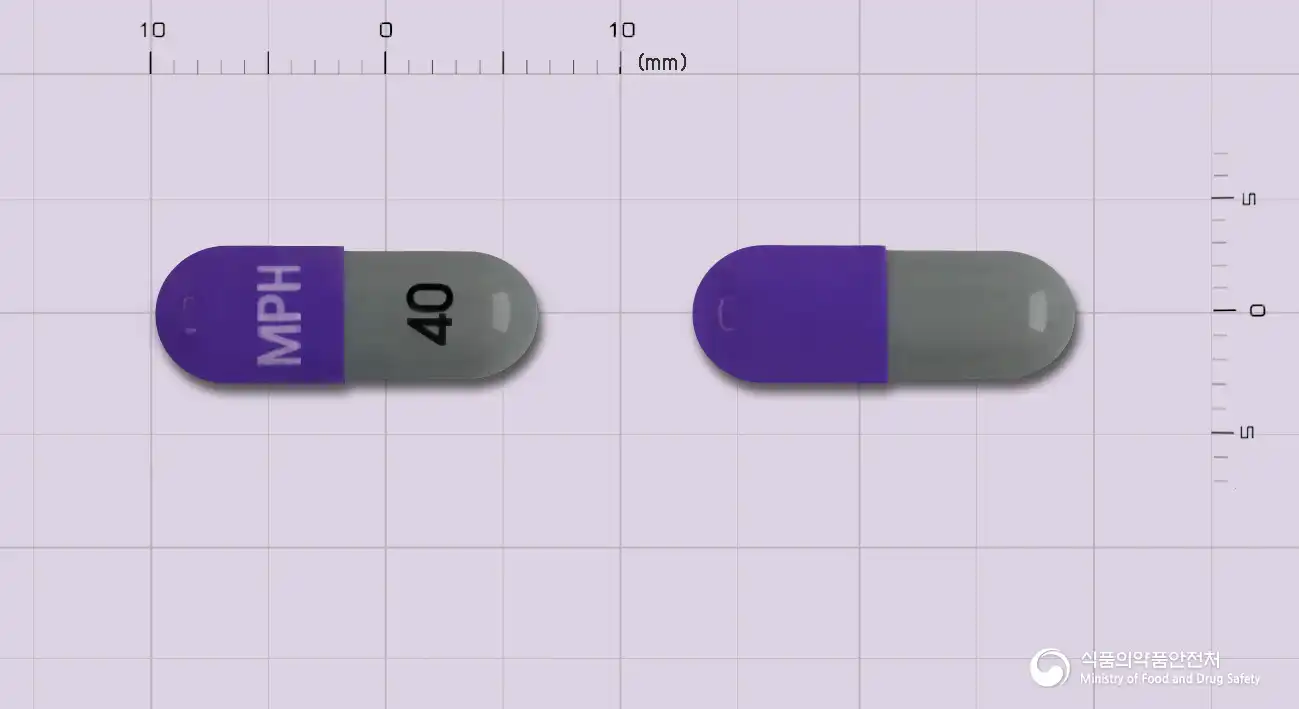
Methylphenidate Hydrochloride 20mg
Hard capsule · Prescription medication
Myungjin Pharmaceutical Co., Ltd.
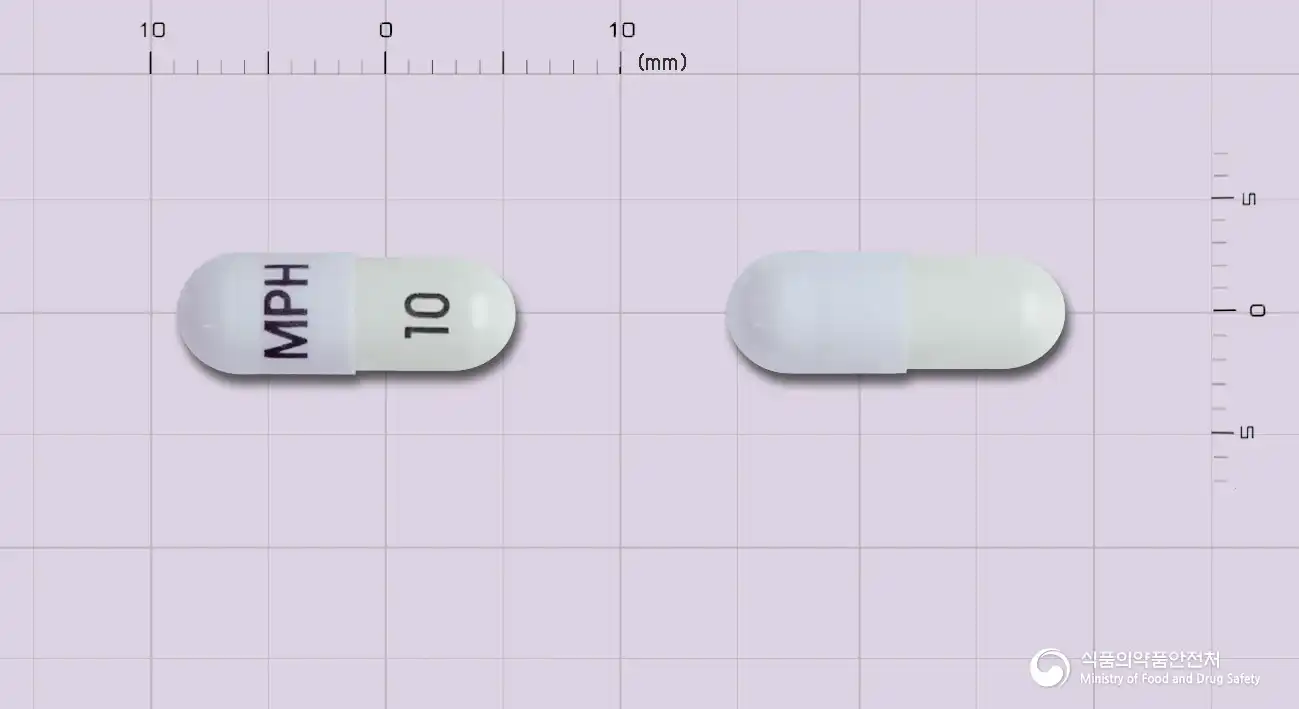
Methylphenidate Hydrochloride 5mg
Hard capsule · Prescription medication
Myeongin Pharmaceutical Co., Ltd.
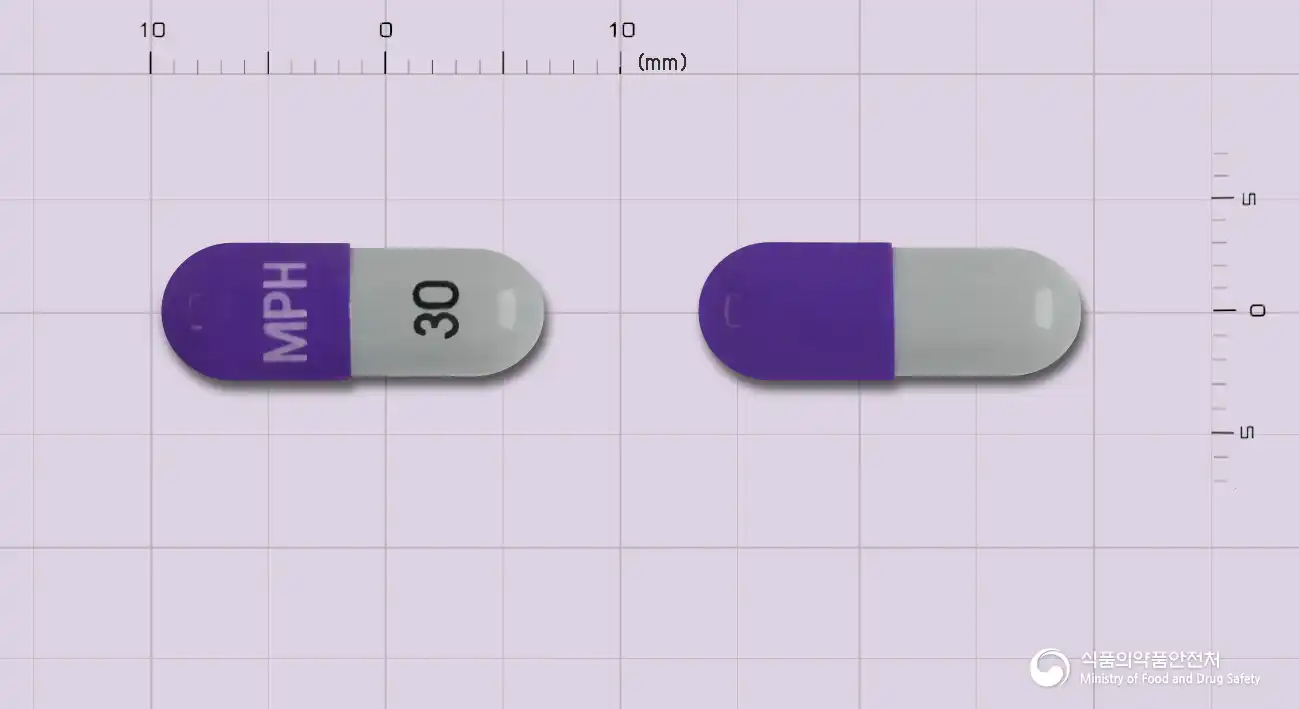
Methylphenidate Hydrochloride 15mg
Hard capsule · Prescription medication
Myungin Pharmaceutical Co., Ltd.
Even with the same ingredient, the dose and directions can differ by strength and dosage form. Talk to a doctor or pharmacist before switching from a medication you are already taking.
No questions yet.
For anything that needs medical judgment, consult a doctor or pharmacist.
This drug information is based on data provided by the Korea Ministry of Food and Drug Safety.
Consult a doctor or pharmacist for accurate dosage, administration, and usage instructions.