
 한국어
한국어 English
 日本語
日本語 中文(简体)
 Viewing now
Liqaval Capsule 75 mg (Pregabalin)
Pregabalin 75mg
Hard capsule · Prescription medication
Shinpoong Pharmaceutical Co., Ltd.
MFDS item code 201109226 · Approved 2011.10.27 · Insurance code 648506670
Treatment of peripheral and central neuropathic pain, adjunctive effect for partial seizures in epilepsy, improvement of fibromyalgia.
This medication is used to treat peripheral and central neuropathic pain in adults. It is also used as an adjunct treatment for patients with epilepsy who have either secondary generalized symptoms or not. Additionally, it helps in improving symptoms of fibromyalgia. It is beneficial for treating a diverse range of neurological disorders.
This medication is administered orally without regard to food, splitting the total daily dose into two doses per day. 1. Neuropathic Pain (1) Peripheral Neuropathic Pain: The starting dose is 150 mg per day, which can be increased up to 300 mg per day within 3 to 7 days. If necessary, it can be further increased to a maximum of 600 mg per day at 7-day intervals. (2) Central Neuropathic Pain: Starting dose is 15 mg per day.
The safety and efficacy data are insufficient for children under 12 years of age and adolescents aged 12 to 17, hence the use is not recommended.
This medication may increase the risk of suicidal thoughts or behaviors, so mood or behavioral changes should be carefully monitored during use. Patients with allergies to any ingredients in this medication, or those with certain genetic conditions such as lactose intolerance, should not take this medication. Diabetic patients may experience weight gain after taking this medication, which may require adjustments to their blood sugar-controlling medications. If allergic reactions such as angioedema occur, discontinue the use of this medication immediately and consult a healthcare provider. Elderly patients may experience dizziness or drowsiness when taking this medication, so caution is needed when starting treatment to reduce the risk of falls. Vision may become blurred or changes may occur, so if these symptoms appear, the healthcare provider should be informed. Suddenly stopping this medication can result in withdrawal symptoms such as insomnia, headache, and anxiety, so it should be reduced gradually as directed by a physician. Patients with a history of substance misuse may be at risk for misuse or dependence on this medication, so they should consult a healthcare provider before taking it. Patients with heart disease or those with heart failure require caution while taking this medication, and if symptoms worsen, they should consult a healthcare provider immediately. Care should be taken when taking this medication with opioid analgesics as central nervous system depressive effects may be intensified. In early pregnancy, there is a risk for congenital malformations in the fetus; therefore, women who are pregnant or planning to become pregnant should consult a physician before taking this medication. This medication may pass into breast milk, so nursing mothers should discuss whether to breastfeed or take the medication with their healthcare provider. Before driving or operating dangerous machinery, it should be verified whether this medication can cause drowsiness or dizziness, and activities should only be undertaken after confirming symptoms. Overdose may lead to symptoms such as confusion, drowsiness, and seizures which require immediate emergency action, and hemodialysis may be performed if necessary. This medication should be stored out of reach of children, and care should be taken, as transferring it to another container may affect its quality.
Hives, severe swelling (edema), angioedema, facial swelling, swelling around the mouth and upper respiratory tract, chest tightness, difficulty breathing, cold sweats, pallor, severe rash with high fever, blisters, peeling skin, pain in oral/ocular mucosa, Stevens-Johnson syndrome, toxic epidermal necrolysis, mucocutaneous syndrome, severe skin adverse reactions, pulmonary edema, shortness of breath or difficulty breathing, asthma attacks, breathing abnormalities accompanied by cough and fever
Not everyone experiences these, and they can vary from person to person.
This medication may be sensitive to air and moisture, so it must be stored in a tightly sealed container. It is best to maintain storage temperatures between 15 and 30 degrees Celsius.
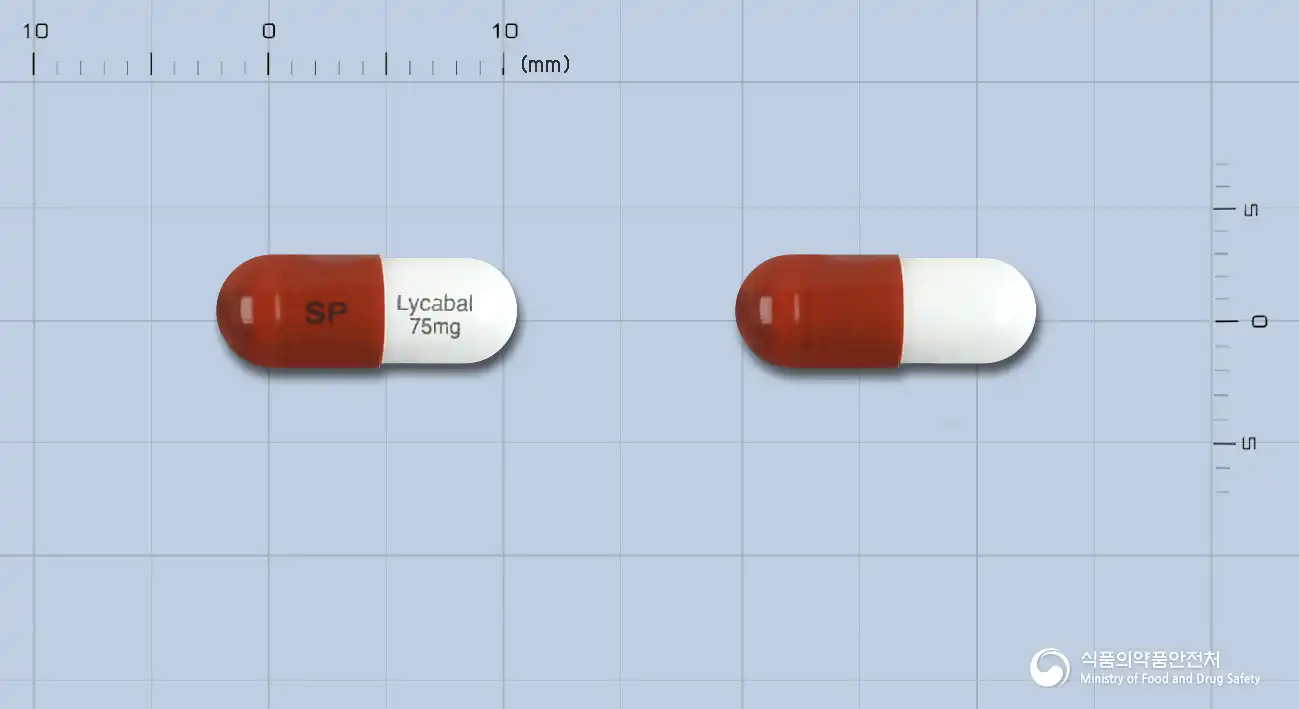
A hard capsule with a reddish-brown upper part and white lower part containing a white powder that is white or light yellow.
30 capsules/bottle, 60 capsules/bottle
Even with the same ingredient, strength, dosage form and how it is taken can differ.
Viewing nowPregabalin 75mg
Hard capsule · Prescription medication
Shinpoong Pharmaceutical Co., Ltd.
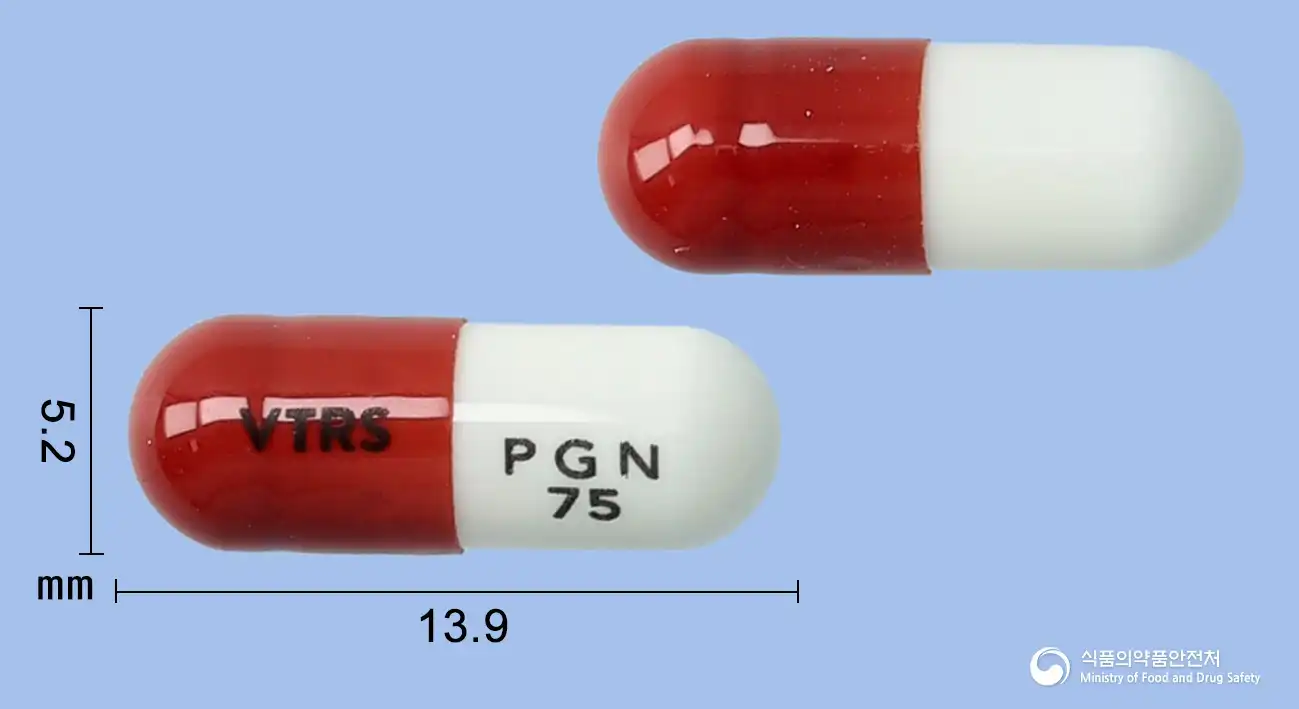
Pregabalin 75mg
Hard capsule · Prescription medication
Viatris Korea Co., Ltd.
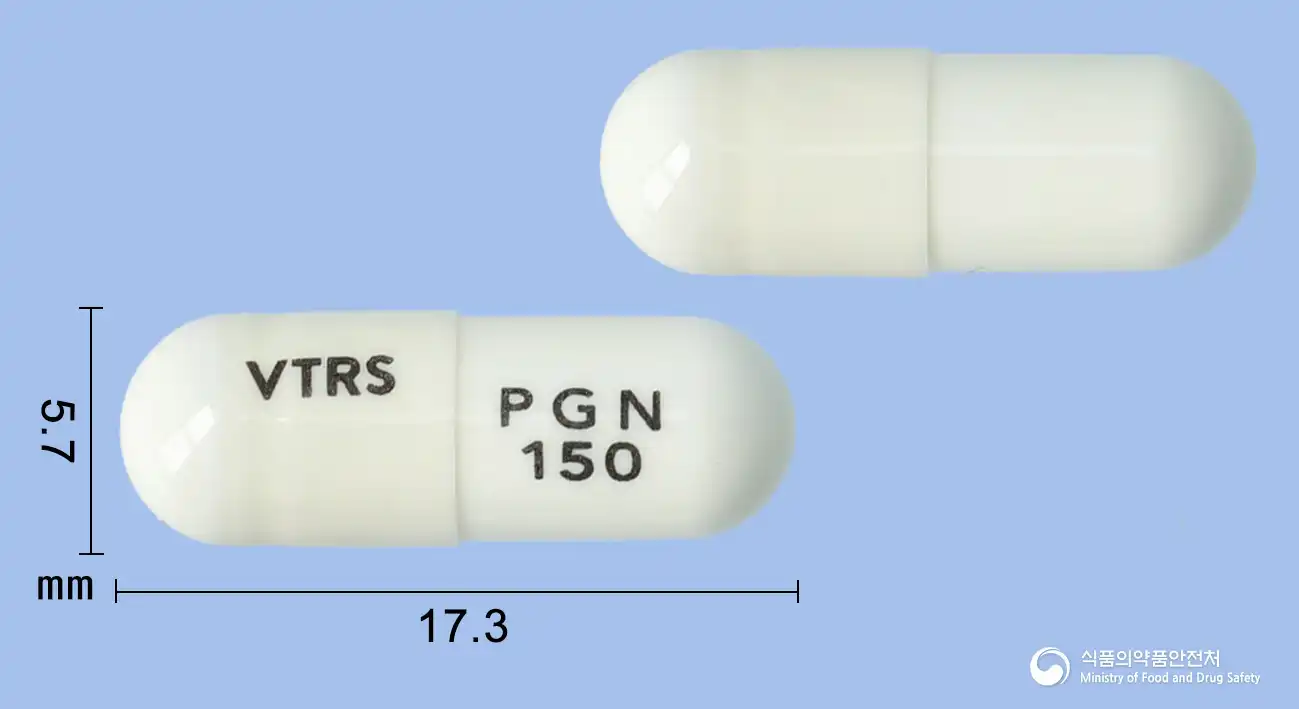
Pregabalin 150mg
Hard capsule · Prescription medication
Viatris Korea Co., Ltd.
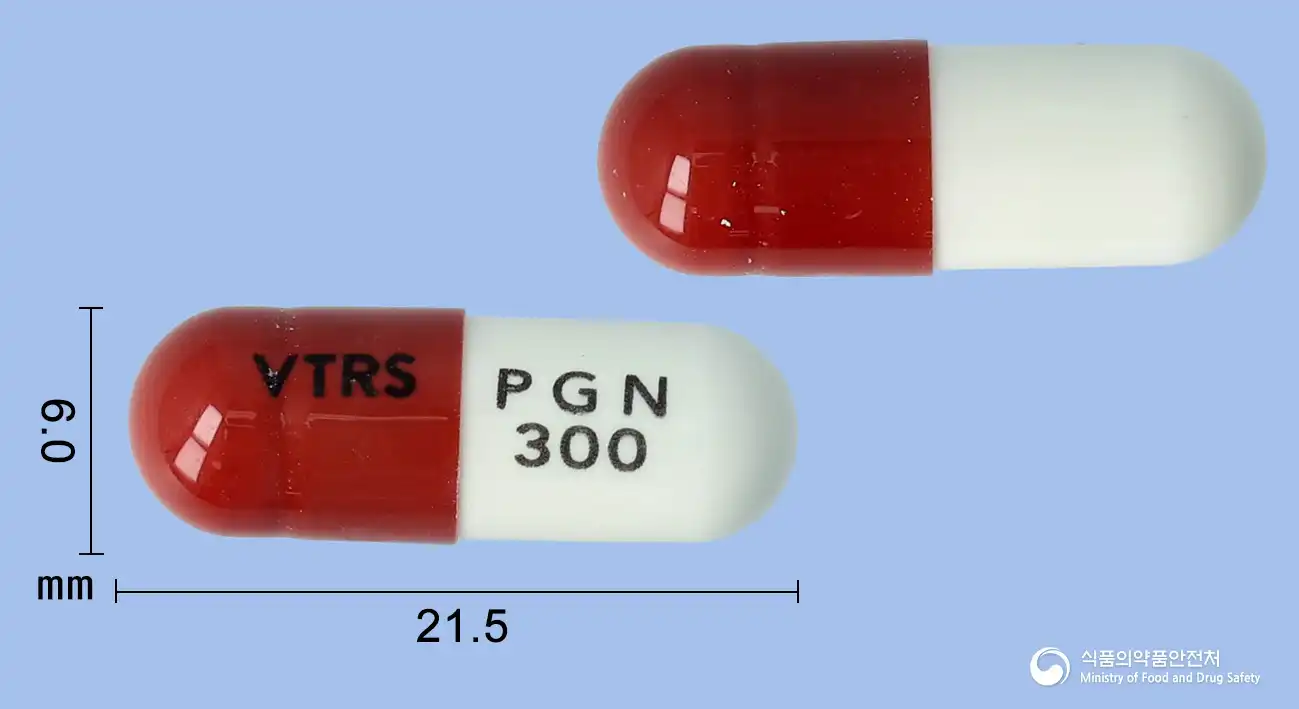
Pregabalin 300mg
Hard capsule · Prescription medication
Viatris Korea Co., Ltd.
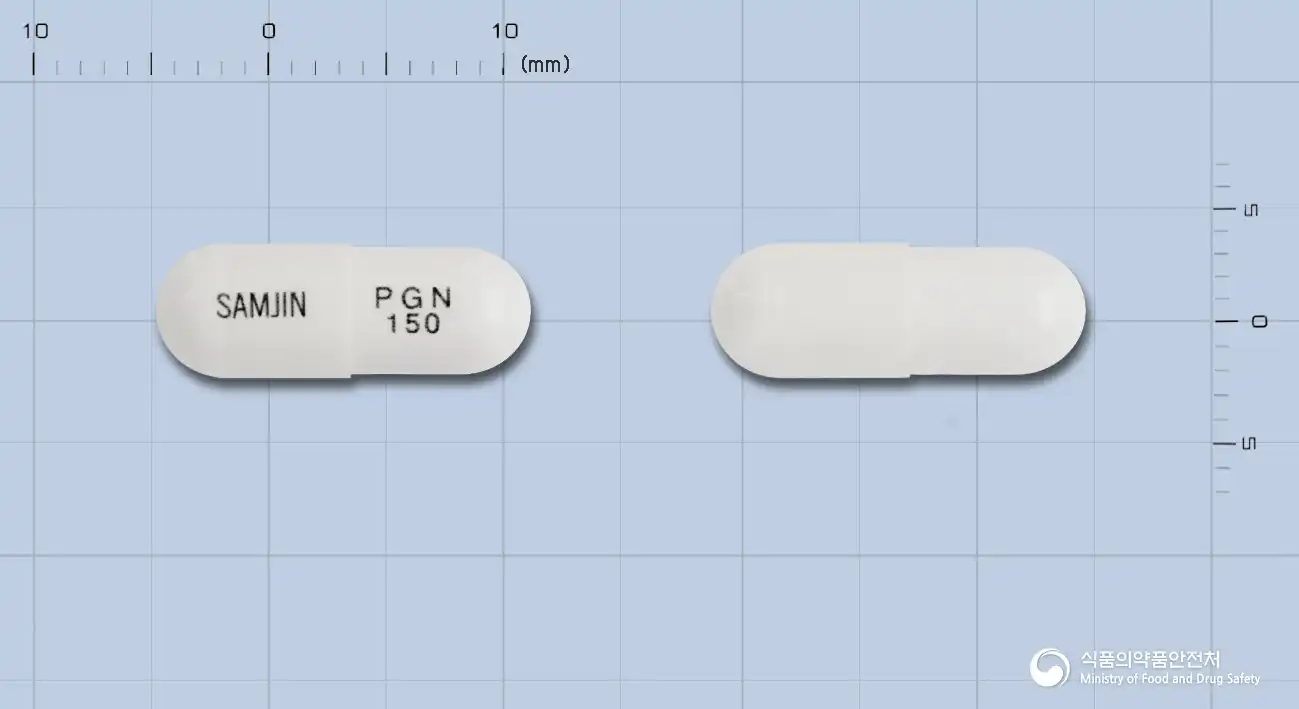
Pregabalin 150mg
Hard capsule · Prescription medication
Samjin Pharmaceutical Co., Ltd.
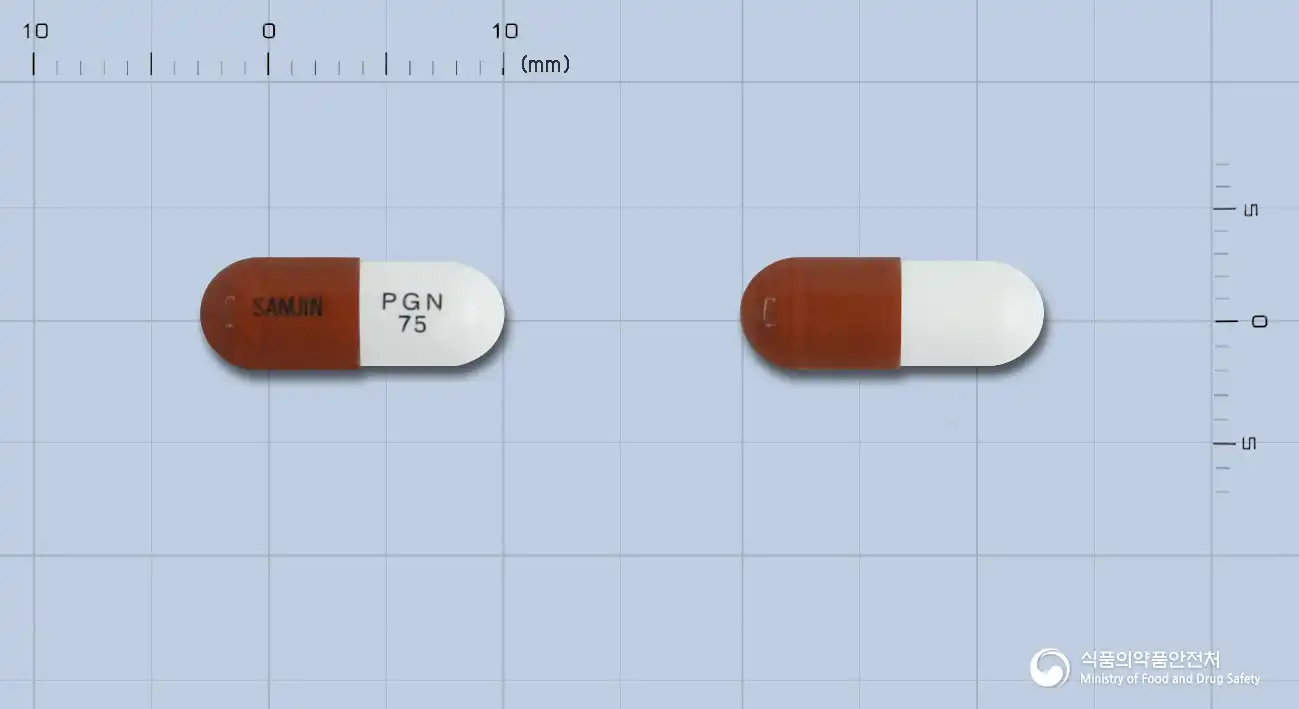
Pregabalin 75mg
Hard capsule · Prescription medication
Samjin Pharmaceutical Co., Ltd.
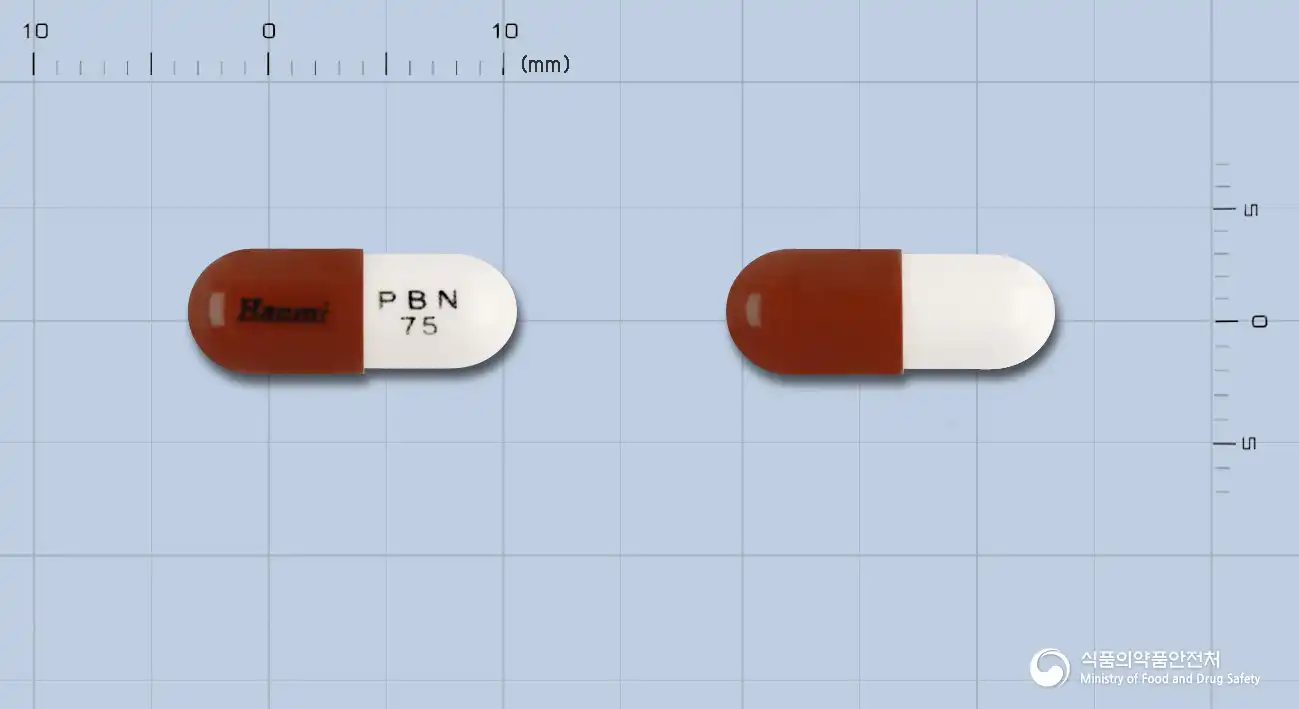
Pregabalin 75mg
Hard capsule · Prescription medication
Hanmi Pharm. Co., Ltd.
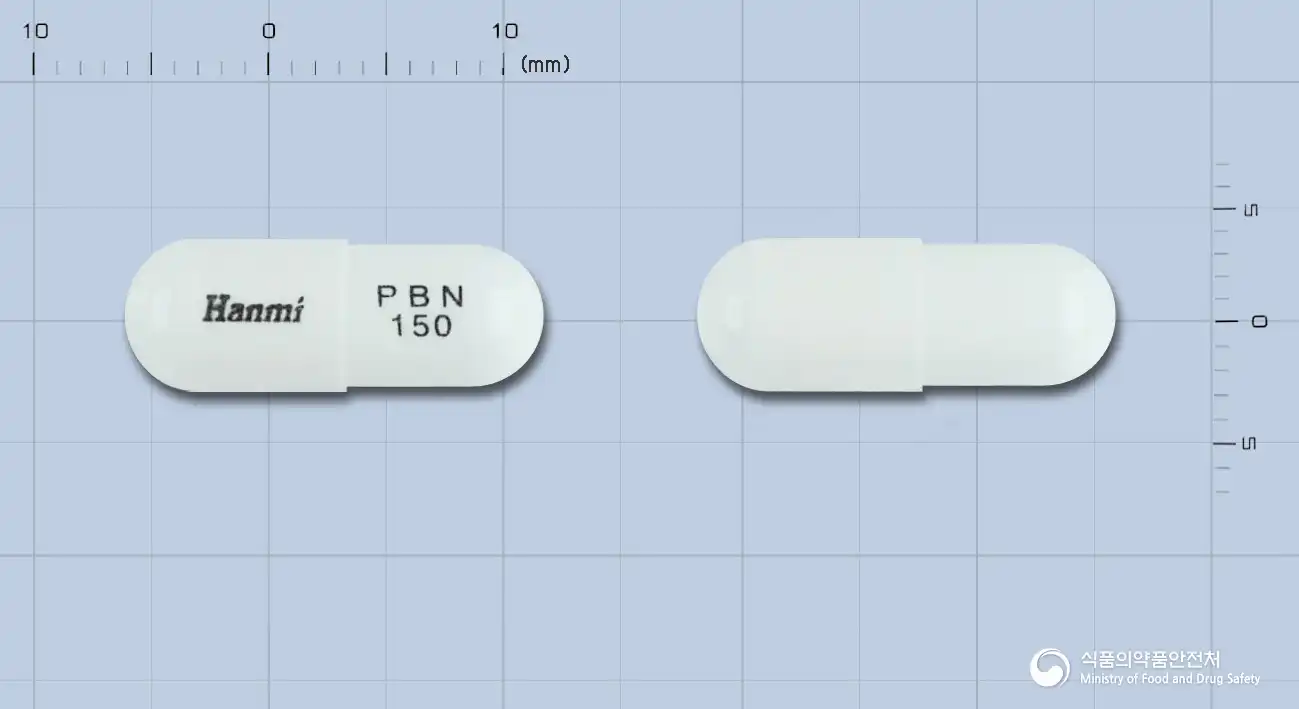
Pregabalin 150mg
Hard capsule · Prescription medication
Hanmi Pharmaceutical Co., Ltd.
Even with the same ingredient, the dose and directions can differ by strength and dosage form. Talk to a doctor or pharmacist before switching from a medication you are already taking.
No questions yet.
For anything that needs medical judgment, consult a doctor or pharmacist.
This drug information is based on data provided by the Korea Ministry of Food and Drug Safety.
Consult a doctor or pharmacist for accurate dosage, administration, and usage instructions.