
 한국어
 English
 日本語
 中文(简体)
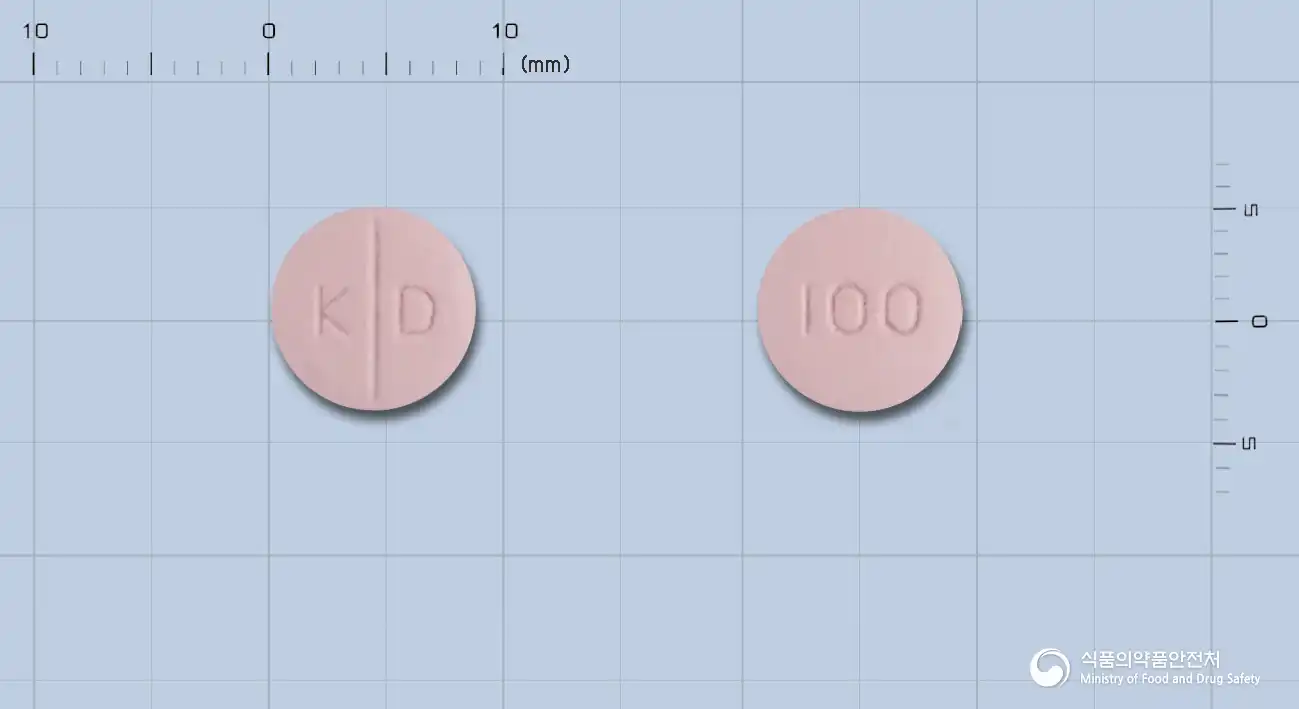 Viewing now
Cephfibojung 100 mg (Cefcapene Pivoxil Hydrochloride)
Cefcapene Pivoxil Hydrochloride Hydrate 100mg
Tablet · Prescription medication
Kyungdong Pharm Co., Ltd.
MFDS item code 201107522 · Approved 2011.09.29
Treatment of respiratory, otorhinolaryngologic, skin and soft tissue, genitourinary, biliary tract, ocular, and dental infections
This drug is effective for various infectious diseases of the skin and soft tissues, such as folliculitis, impetigo, furunculosis, and superficial secondary infections. It is also utilized for respiratory infections, including pharyngitis, tonsillitis, acute and chronic bronchitis, and pneumonia. It assists in the appropriate treatment of genitourinary infections such as pyelonephritis, cystitis, gonococcal urethritis, and infections of the uterus and its appendages. Additionally, it is applicable for inflammatory conditions of the ear and sinuses, such as otitis externa, otitis media, and sinusitis, as well as dental-related infections like periodontitis and maxillitis. It effectively targets major bacterial pathogens, allowing safe and effective treatment of infections in various locations. Overall, this medication treats bacterial infections of the skin, respiratory system, genitourinary tract, dental areas, and other soft tissues.
Administer orally after meals as cefcapene 100 mg (potency) per dose, 3 times daily. Adjust the dose as appropriate according to symptoms. For refractory cases or when the effect is considered insufficient, administer this drug orally after meals as 150 mg (potency) per dose, 3 times daily.
This drug should not be administered to patients who have previously experienced shock from its components. Care should be taken when prescribing to patients with hypersensitivity to any ingredient of this drug or cephalosporin antibiotics, those with a history of hypersensitivity to penicillin antibiotics, or those with a family history of allergic conditions. Patients with severely impaired kidney function may have increased serum drug concentrations, so dosage may need to be reduced or administration intervals extended. Patients who have difficulty taking oral medications or are in poor general condition should be carefully monitored as they may exhibit symptoms of vitamin K deficiency. Elderly patients may have decreased bodily functions, so dosages and intervals of administration should be adjusted and their condition closely monitored. During administration, serious adverse reactions such as shock, anaphylaxis, acute renal failure, blood abnormalities, severe colitis, skin rashes, liver dysfunction, or muscle damage can occur. If symptoms arise, administration must be stopped immediately and appropriate treatment should be initiated. Some patients may experience side effects such as diarrhea, vomiting, nausea, headache, or loss of appetite; if unusual symptoms occur, consultation with healthcare professionals is recommended. To prevent the development of resistant bacteria, it is essential to confirm susceptibility and administer this drug for the minimal required duration. Care should be taken when administering this drug for prolonged periods in infants, as it may cause carnitine deficiency and hypoglycemia. Pregnant women or those who may become pregnant should only be treated if the benefits outweigh the risks. Safety in children, particularly underweight newborns, has not been established, so caution is advised during use. This drug may affect some clinical test results, so patients should inform their healthcare provider when undergoing tests. When taking this medication, it is advisable to follow the prescribed method for administration and particularly avoid crushing or dissolving granules to prevent a bitter taste; it should be taken quickly with water. If symptoms such as myalgia or muscle weakness occur during administration, the healthcare provider should be informed immediately.
Not everyone experiences these, and they can vary from person to person.
This drug is sensitive to light, so it should be stored in a container that does not allow light to enter. Also, it is best to store it at room temperature, between 1°C and 30°C, avoiding excessively hot or cold conditions.
Pale red circular film-coated tablet
100 tablets (10 tablets/PTP X 10)
Even with the same ingredient, strength, dosage form and how it is taken can differ.
Viewing nowCefcapene Pivoxil Hydrochloride Hydrate 100mg
Tablet · Prescription medication
Kyungdong Pharm Co., Ltd.
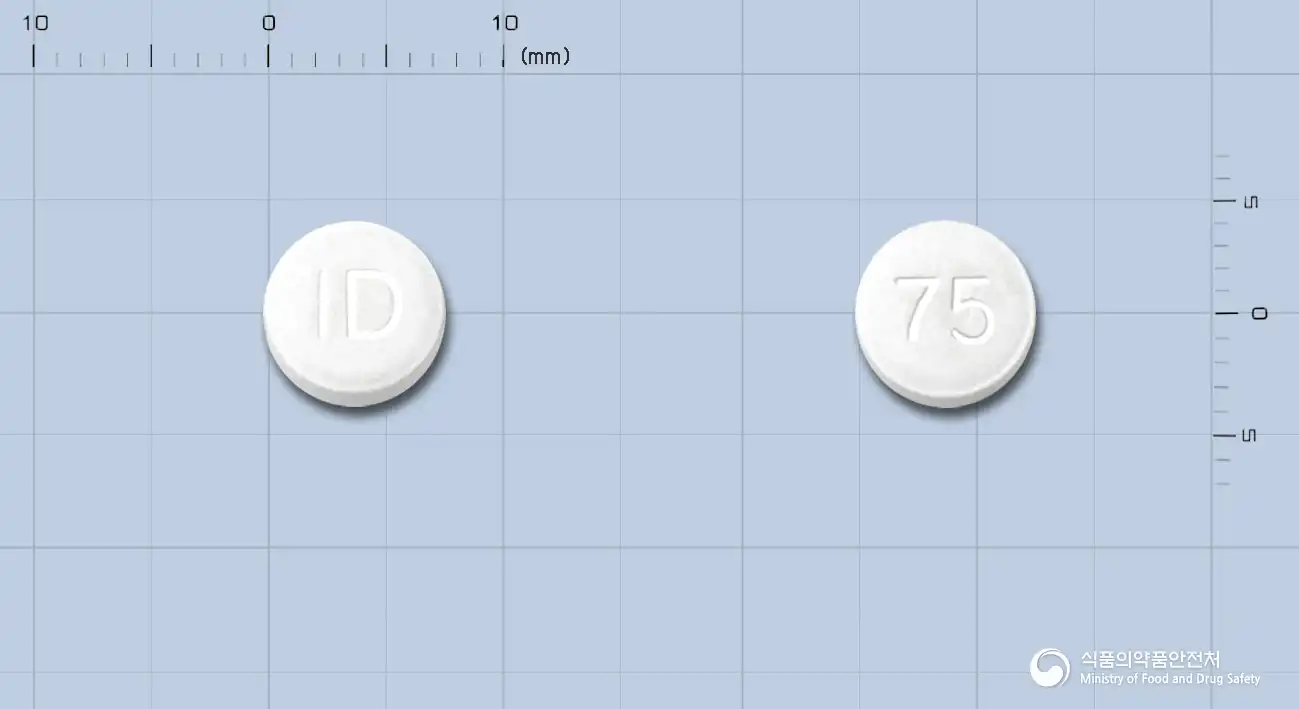
Cefcapene Pivoxil Hydrochloride Hydrate 75mg
Tablet · Prescription medication
Ildong Pharmaceutical Co., Ltd.
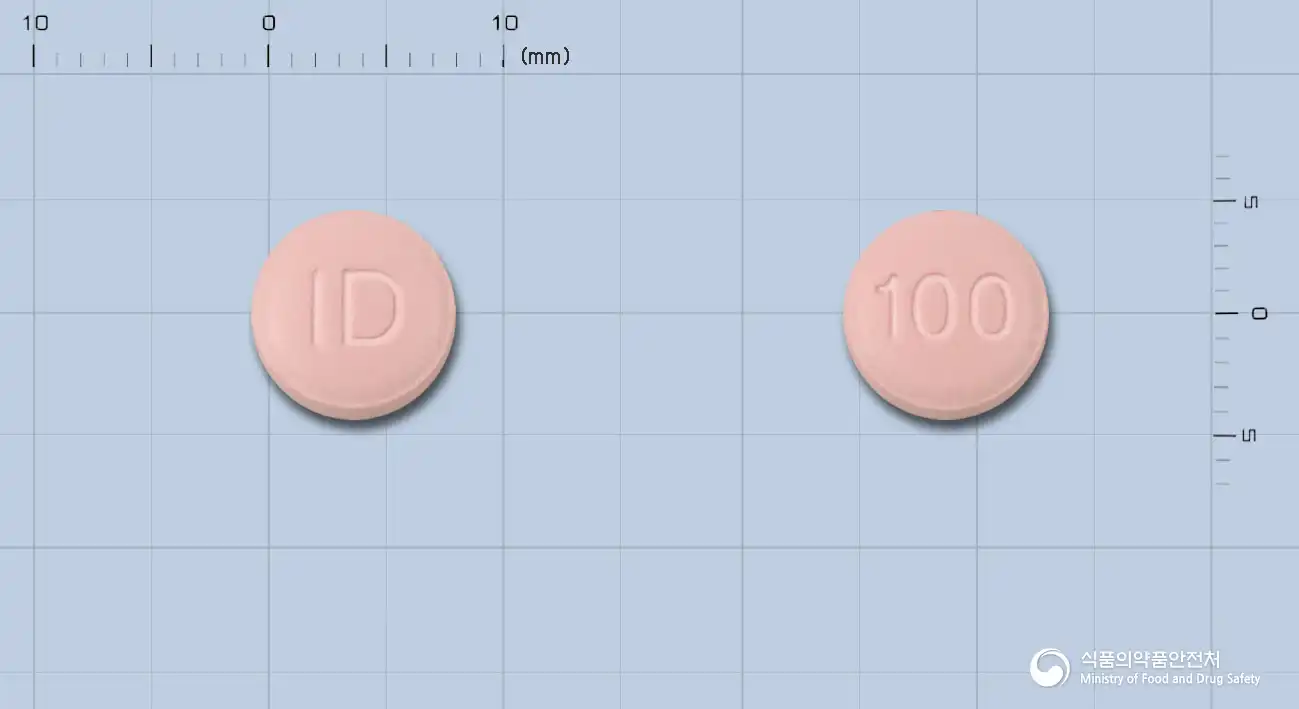
Cefcapene Pivoxil Hydrochloride Hydrate 100mg
Tablet · Prescription medication
Ildong Pharmaceutical Co., Ltd.
Cefcapene Pivoxil Hydrochloride Hydrate 100mg
Prescription medication
Ildong Pharmaceutical Co., Ltd.
Cefcapene Pivoxil Hydrochloride Hydrate
Prescription medication
Kolon Pharmaceuticals Co., Ltd.
Cefcapene Pivoxil Hydrochloride Hydrate
Prescription medication
Sama Pharmaceutical Co., Ltd.
Cefcapene Pivoxil Hydrochloride Hydrate
Prescription medication
Shinpoong Pharmaceutical Co., Ltd.
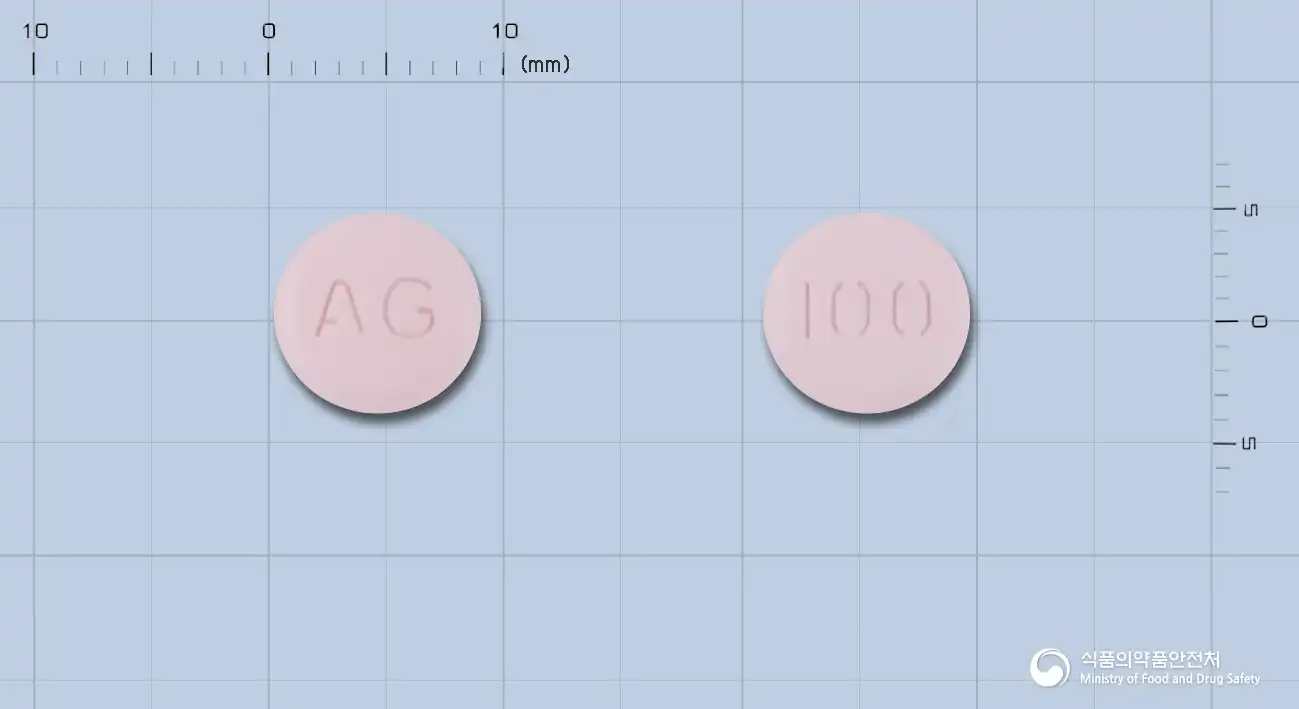
Cefcapene Pivoxil Hydrochloride Hydrate 100mg
Tablet · Prescription medication
Ahn-Guk Pharmaceutical Co., Ltd.
Even with the same ingredient, the dose and directions can differ by strength and dosage form. Talk to a doctor or pharmacist before switching from a medication you are already taking.
No questions yet.
For anything that needs medical judgment, consult a doctor or pharmacist.
This drug information is based on data provided by the Korea Ministry of Food and Drug Safety.
Consult a doctor or pharmacist for accurate dosage, administration, and usage instructions.