
 한국어
한국어 English
 日本語
日本語 中文(简体)
Dosage form image
Viewing nowSysten Injection (Acetylcysteine)
Acetylcysteine 100mg
Injections · Prescription medication
Jeil Pharmaceutical Co., Ltd.
MFDS item code 201100167 · Notified 2011.01.12
Relief of difficulty in sputum discharge in bronchial diseases (acute and chronic bronchitis, asthma, etc.) and detoxification effect in paracetamol poisoning
First, it is used to improve symptoms of difficulty in sputum discharge accompanied by thick, viscous phlegm in bronchial diseases, such as acute and chronic bronchitis, bronchiectasis, asthmatic bronchitis, bronchial asthma, pharyngitis, sinusitis, cystic fibrosis, and postoperative pulmonary complications. Second, it is used as an antidote in cases of poisoning caused by overdose of paracetamol (acetaminophen) to treat poisoning symptoms.
Mucolytic: Inject acetylcysteine 600–900mg once, 2–3 times a day. Antidote for paracetamol poisoning: Initially, intravenous infusion of 150mg/kg diluted in 200mL of 5% glucose solution over 15 minutes, followed by 50mg/kg diluted in 500mL of 5% glucose solution over 4 hours. Finally, inject 100mg/kg diluted in 1000mL of 5% glucose solution over 16 hours.
Mucolytic: Inject acetylcysteine 300–450mg once, 2–3 times a day. Antidote for paracetamol poisoning: Inject 150mg intramuscularly once, 1–2 times a day.
This medication may contain glass particles when using ampoule injections, so caution is required when cutting the container. Extra caution is necessary when this medication is used by children or elderly patients. Those who have had allergic reactions to this drug should not use it. Patients with bronchial asthma or poor respiratory function should exercise caution, as this medication may induce bronchospasm; it should only be administered after careful consideration, and if adverse reactions occur, use should be immediately discontinued, and appropriate treatment sought. It is advisable not to administer this drug to newborns unless they are severely ill. Occasionally, gastrointestinal symptoms such as nausea, vomiting, loss of appetite, and diarrhea may occur with this medication. Rarely, hives, itching, rashes, headaches, tinnitus, bronchospasm, etc. may develop, warranting caution. Very rarely, rapid heart rate or high blood pressure may occur, and severe allergic reactions such as anaphylaxis may manifest. Care must be taken when administering large amounts intravenously as an antidote, as symptoms similar to hypersensitivity reactions or severe hypertension may occur, and its administration should be stopped immediately if abnormal symptoms arise. Symptoms such as respiratory distress or vascular swelling have been reported during the use of this medication; therefore, medical personnel should be informed immediately if any unusual symptoms arise. Increased bronchial secretions may occur; thus, patient status should be closely monitored, and if phlegm does not come out naturally, appropriate measures such as mechanical suction or position changes should be taken. When administering an intramuscular injection, it should be deep. When used for detoxification treatment, it is preferable to administer it as soon as possible after poisoning, usually within 10 hours. This drug may interact physically and chemically with certain local anesthetics, bronchodilators, some antibiotics, sympathomimetics, and hormones, so caution should be taken when administering them together. Pregnant women should use this medication only when necessary as its safety has not been sufficiently proven. Nursing women should also be cautious as it is not known whether this drug passes into breast milk. The elderly may have diminished physical function, so care should be taken to observe their condition.
Not everyone experiences these, and they can vary from person to person.
This drug may be light-sensitive, so it should be stored in a dark container that does not allow light to enter. Additionally, it is important to store it at room temperature between 1 and 30 degrees Celsius to maintain its effectiveness.
Brown transparent ampoule injection filled with a colorless transparent liquid
1 ampoule (3mL) x company packaging unit
Even with the same ingredient, strength, dosage form and how it is taken can differ.
Acetylcysteine 100mg
Injections · Prescription medication
Jeil Pharmaceutical Co., Ltd.
Acetylcysteine 200mg
Solution · OTC medication
(Co., Ltd.) Celltrion Pharm
Acetylcysteine 20g
OTC medication
Boryeong Co., Ltd.
Acetylcysteine 200mg
OTC medication
Hanwha Pharmaceutical Co., Ltd.
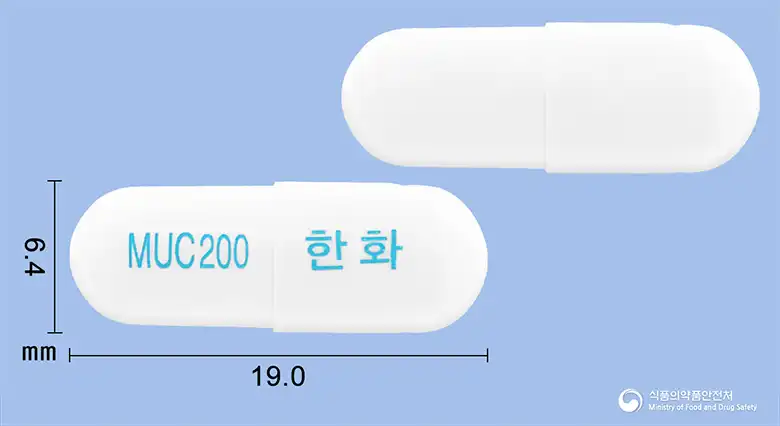
Acetylcysteine 200mg
Hard capsule · OTC medication
Hanwha Pharmaceutical Co., Ltd.
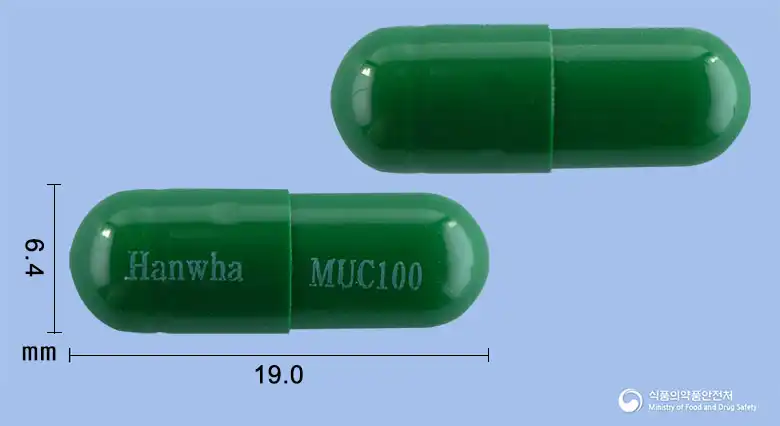
Acetylcysteine 100mg
Hard capsule · OTC medication
Hanwha Pharmaceutical Co., Ltd.
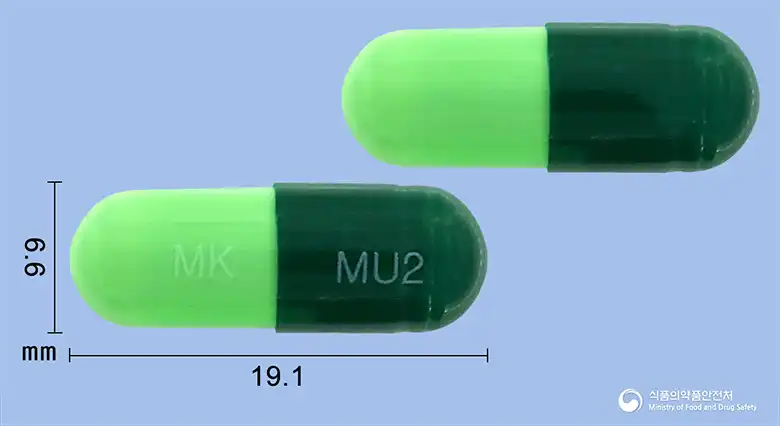
Acetylcysteine 200mg
Hard capsule · OTC medication
(Medica Korea Co., Ltd.)
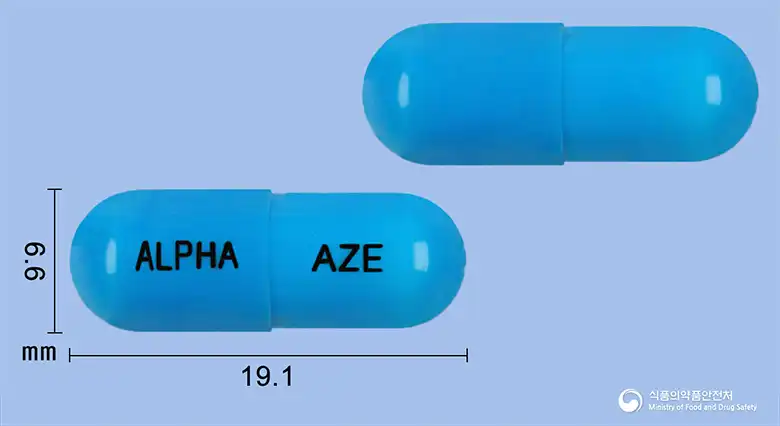
Acetylcysteine 200mg
Hard capsule · OTC medication
Alpha Pharmaceutical Co., Ltd.
Even with the same ingredient, the dose and directions can differ by strength and dosage form. Talk to a doctor or pharmacist before switching from a medication you are already taking.
No questions yet.
For anything that needs medical judgment, consult a doctor or pharmacist.
This drug information is based on data provided by the Korea Ministry of Food and Drug Safety.
Consult a doctor or pharmacist for accurate dosage, administration, and usage instructions.