Medication info
Tasigna Capsule 150 mg (Nilotinib Hydrochloride Monohydrate)

Tasigna Capsule 150 mg (Nilotinib Hydrochloride Monohydrate)

Prescription medicationHard capsuleOral
Ingredient · strength
Nilotinib Hydrochrloride Monohydrate›165.45mg / 1 capsule
Manufacturer / importer
Novartis Korea Ltd.
Appearance
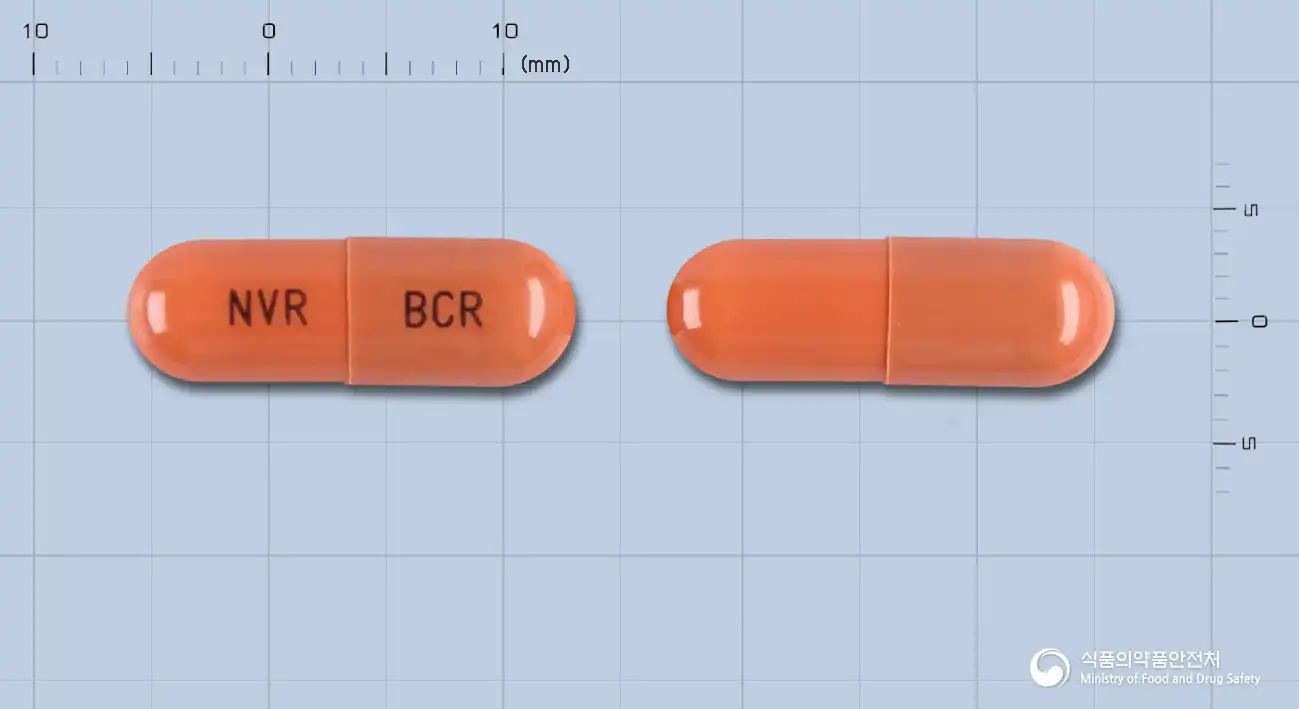
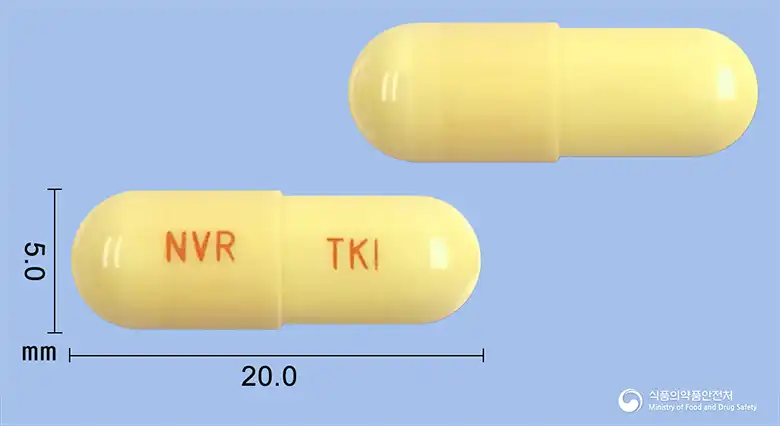
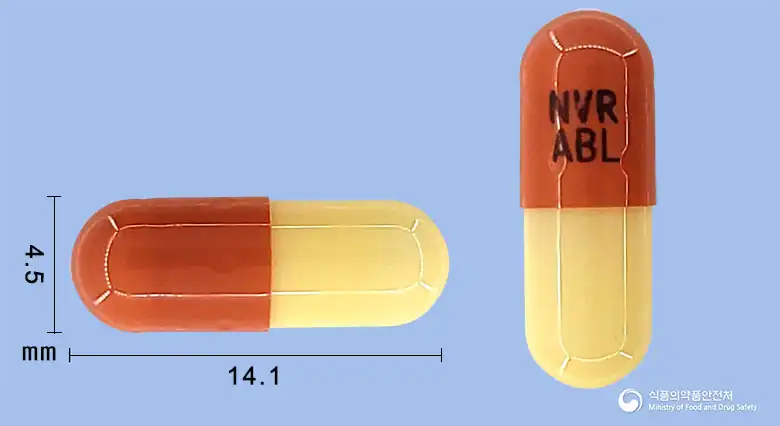
An opaque hard capsule with red upper and lower parts containing a white or yellowish powder
Packaging
40 capsules (8 capsules/PTP packaging x 5)
Approval status
Active

MFDS item code 201007692 · Approved 2010.12.24 · Insurance code 653602160

Summary

Main use
Treatment of Philadelphia chromosome-positive chronic myeloid leukemia
Who takes it
Adults · Children
Adult dose
Treatment of adult patients with newly diagnosed chronic-phase Philadelphia chromosome-positive chronic myeloid leukemia (Ph+CML): 300mg twice daily Treatment of adult patients with chronic- or accelerated-phase Philadelphia chromosome-positive chronic myeloid leukemia (Ph+CML) who are resistant or intolerant to prior therapy including imatinib: 400mg twice daily This medicine should be taken approximately 12 hours apart and should not be taken with food. Do not eat for at least 2 hours before taking this medicine and for at least 1 hour after taking it. Swallow the capsule whole with water. For patients who have difficulty swallowing capsules, open the capsule, sprinkle the contents onto 1 teaspoon of applesauce (mashed apple), and take immediately. Do not use more than 1 teaspoon of applesauce or any food other than applesauce (mashed apple). QTc interval >480 msec: Discontinue this medicine and measure serum potassium and magnesium levels. If either is below the lower limit of normal, treat to bring the level into the normal range. Monitor concomitant medications. If the measured QTcF returns to <450 msec and within 20 msec of baseline, resume the previous dose within 2 weeks. If QTcF remains between 450 msec and 480 msec after 2 weeks, consider reducing the dose to 400mg once daily in adult patients. If the measured QTcF exceeds 480 msec after dose reduction, discontinue this medicine. If the dose is adjusted, repeat ECG 7 days after the adjustment. Adult patients: ANC <1 × 10⁹/L and/or platelet count <50 × 109/L. Discontinue this medicine and monitor blood cell counts. If ANC >1 × 10⁹/L and/or platelet count >50 × 109/L is restored within 2 weeks, resume treatment at the previous dose. If blood cell counts remain low, consider reducing the dose to 400mg once daily. Newly diagnosed adult patients with CML-CP whose previous dose was 300mg twice daily, and adult patients with resistant or intolerant CML-CP and CML-AP whose previous dose was 400mg twice daily, may resume treatment at 400mg once daily after these toxicities resolve. Adult patients whose previous dose was 400mg once daily should discontinue treatment. If considered clinically appropriate, attempt to increase the dose to the recommended dose (300mg twice daily for adult patients with newly diagnosed chronic-phase Ph+CML; 400mg twice daily for adult patients with resistant or intolerant chronic- or accelerated-phase Ph+CML). If serum lipase levels increase to Grade 3-4, adult patients should be considered for dose reduction to 400mg once daily or treatment interruption. Serum lipase levels should be tested every 1 month or when clinically indicated. If bilirubin levels increase to Grade 3-4 in adult patients, dose reduction to 400mg once daily or treatment interruption should be considered. Bilirubin and hepatic transaminase levels should be tested every 1 month or when clinically indicated. If a dose of this medicine is missed, do not take an additional dose; take the next dose as usual. No clinical studies have been conducted in patients with renal impairment. Patients with serum creatinine levels >1.5 times the upper limit of the normal range were excluded from clinical studies. Nilotinib and its metabolites are not excreted by the kidneys; therefore, a decrease in total body clearance is not expected in patients with renal impairment. Accordingly, no dose adjustment is required in patients with renal impairment. Patients with hepatic impairment: Newly diagnosed chronic-phase Ph+CML - 300mg twice daily. Mild, moderate, severe: Administer an initial dose of 200mg twice daily and consider increasing the dose to 300mg twice daily according to the patient's tolerability. Resistant or intolerant chronic- or accelerated-phase Ph+CML - 400mg twice daily. Mild, moderate: Administer an initial dose of 300mg twice daily and consider increasing the dose to 400mg twice daily according to the patient's tolerability. Severe: Administer an initial dose of 200mg twice daily and, according to the patient's tolerability, consider sequentially increasing to 300mg twice daily and then to 400mg twice daily. * Mild: mild hepatic impairment (Child-Pugh Class A), moderate: moderate hepatic impairment (Child-Pugh Class B), severe: severe hepatic impairment (Child-Pugh Class C)
Child dose
Treatment of pediatric patients aged 2 years and older with newly diagnosed chronic-phase Philadelphia chromosome-positive chronic myeloid leukemia (Ph+CML), and pediatric patients with chronic-phase Philadelphia chromosome-positive chronic myeloid leukemia (Ph+CML) who are resistant or intolerant to prior therapy, including imatinib: 230mg/m2 per dose twice daily, rounded to the nearest multiple of 50mg according to <Table 1> below (maximum dose 400mg per dose). Capsules of different strengths may be combined to achieve the desired dose. ≤0.32 m2: 50 mg per dose (twice daily) 0.33 – 0.54 m2: 100 mg per dose (twice daily) 0.55 – 0.76 m2: 150 mg per dose (twice daily) 0.77 – 0.97 m2: 200 mg per dose (twice daily) 0.98 – 1.19 m2: 250 mg per dose (twice daily) 1.20 – 1.41 m2: 300 mg per dose (twice daily) 1.42 – 1.63 m2: 350 mg per dose (twice daily) ≥1.64 m2: 400 mg per dose (twice daily) Data are limited for pediatric patients under 6 years of age. QTc interval >480 msec: If QTcF remains between 450 msec and 480 msec after 2 weeks, dose reduction to 230 mg/m2 once daily should be considered in pediatric patients. Pediatric patients: ANC <1 × 10⁹/L and/or platelet count <50 × 109/L. Interrupt treatment with this medicine and monitor blood counts. If ANC >1.5 × 10⁹/L and/or platelet count >75 × 109/L is reached within 2 weeks, resume treatment at the previous dose. If blood counts remain low, consider reducing the dose to 230mg/m2 once daily. If neutrophil and platelet counts remain low even after dose reduction, consider discontinuing this medicine. Pediatric patients whose previous dose was 230mg/m2 twice daily may resume treatment at 230mg/m2 once daily after these toxicities resolve. Pediatric patients whose previous dose was 230mg/m2 once daily should discontinue treatment. If considered clinically appropriate, attempt to increase the dose to the recommended dose (pediatric patients: 230mg/m2 per dose twice daily). In pediatric patients, interrupt treatment until serum lipase levels recover to Grade 1 or lower. Thereafter, pediatric patients whose previous dose was 230mg/m2 twice daily may resume treatment at 230mg/m2 once daily, while pediatric patients whose previous dose was 230mg/m2 once daily should discontinue treatment. In pediatric patients with a bilirubin increase of Grade 2 or higher or a hepatic transaminase increase of Grade 3 or higher, interrupt treatment until the levels recover to Grade 1 or lower. Thereafter, pediatric patients whose previous dose was 230mg/m2 twice daily may resume treatment at 230mg/m2 once daily, while pediatric patients whose previous dose was 230mg/m2 once daily should discontinue this medicine until recovery to Grade 1 or lower has been maintained for more than 28 days.

Ingredients

Importer
Novartis Korea Ltd.

Efficacy & effects

Treatment of Philadelphia chromosome-positive chronic myeloid leukemia

  • Philadelphia Chromosome-positive Chronic Myeloid Leukemia
  • Chronic Phase Philadelphia Chromosome-positive Chronic Myeloid Leukemia
  • Accelerated Phase Philadelphia Chromosome-positive Chronic Myeloid Leukemia
View approved original text

This drug is used for the treatment of patients with Philadelphia Chromosome-positive Chronic Myeloid Leukemia (Ph+CML). It is effective in newly diagnosed adults and children over 2 years of age in the chronic phase, and is applicable for patients in the chronic or accelerated phase who show resistance or intolerance to previous treatments. Based on major molecular, cytogenetic response rates and hematologic response rates, the therapeutic effects for patients can be expected. That is, this drug is used for the treatment of Ph+CML across various age groups and phases.

How to take

Adult dose

Treatment of adult patients with newly diagnosed chronic-phase Philadelphia chromosome-positive chronic myeloid leukemia (Ph+CML): 300mg twice daily Treatment of adult patients with chronic- or accelerated-phase Philadelphia chromosome-positive chronic myeloid leukemia (Ph+CML) who are resistant or intolerant to prior therapy including imatinib: 400mg twice daily This medicine should be taken approximately 12 hours apart and should not be taken with food. Do not eat for at least 2 hours before taking this medicine and for at least 1 hour after taking it. Swallow the capsule whole with water. For patients who have difficulty swallowing capsules, open the capsule, sprinkle the contents onto 1 teaspoon of applesauce (mashed apple), and take immediately. Do not use more than 1 teaspoon of applesauce or any food other than applesauce (mashed apple). QTc interval >480 msec: Discontinue this medicine and measure serum potassium and magnesium levels. If either is below the lower limit of normal, treat to bring the level into the normal range. Monitor concomitant medications. If the measured QTcF returns to <450 msec and within 20 msec of baseline, resume the previous dose within 2 weeks. If QTcF remains between 450 msec and 480 msec after 2 weeks, consider reducing the dose to 400mg once daily in adult patients. If the measured QTcF exceeds 480 msec after dose reduction, discontinue this medicine. If the dose is adjusted, repeat ECG 7 days after the adjustment. Adult patients: ANC <1 × 10⁹/L and/or platelet count <50 × 109/L. Discontinue this medicine and monitor blood cell counts. If ANC >1 × 10⁹/L and/or platelet count >50 × 109/L is restored within 2 weeks, resume treatment at the previous dose. If blood cell counts remain low, consider reducing the dose to 400mg once daily. Newly diagnosed adult patients with CML-CP whose previous dose was 300mg twice daily, and adult patients with resistant or intolerant CML-CP and CML-AP whose previous dose was 400mg twice daily, may resume treatment at 400mg once daily after these toxicities resolve. Adult patients whose previous dose was 400mg once daily should discontinue treatment. If considered clinically appropriate, attempt to increase the dose to the recommended dose (300mg twice daily for adult patients with newly diagnosed chronic-phase Ph+CML; 400mg twice daily for adult patients with resistant or intolerant chronic- or accelerated-phase Ph+CML). If serum lipase levels increase to Grade 3-4, adult patients should be considered for dose reduction to 400mg once daily or treatment interruption. Serum lipase levels should be tested every 1 month or when clinically indicated. If bilirubin levels increase to Grade 3-4 in adult patients, dose reduction to 400mg once daily or treatment interruption should be considered. Bilirubin and hepatic transaminase levels should be tested every 1 month or when clinically indicated. If a dose of this medicine is missed, do not take an additional dose; take the next dose as usual. No clinical studies have been conducted in patients with renal impairment. Patients with serum creatinine levels >1.5 times the upper limit of the normal range were excluded from clinical studies. Nilotinib and its metabolites are not excreted by the kidneys; therefore, a decrease in total body clearance is not expected in patients with renal impairment. Accordingly, no dose adjustment is required in patients with renal impairment. Patients with hepatic impairment: Newly diagnosed chronic-phase Ph+CML - 300mg twice daily. Mild, moderate, severe: Administer an initial dose of 200mg twice daily and consider increasing the dose to 300mg twice daily according to the patient's tolerability. Resistant or intolerant chronic- or accelerated-phase Ph+CML - 400mg twice daily. Mild, moderate: Administer an initial dose of 300mg twice daily and consider increasing the dose to 400mg twice daily according to the patient's tolerability. Severe: Administer an initial dose of 200mg twice daily and, according to the patient's tolerability, consider sequentially increasing to 300mg twice daily and then to 400mg twice daily. * Mild: mild hepatic impairment (Child-Pugh Class A), moderate: moderate hepatic impairment (Child-Pugh Class B), severe: severe hepatic impairment (Child-Pugh Class C)

Child dose

Treatment of pediatric patients aged 2 years and older with newly diagnosed chronic-phase Philadelphia chromosome-positive chronic myeloid leukemia (Ph+CML), and pediatric patients with chronic-phase Philadelphia chromosome-positive chronic myeloid leukemia (Ph+CML) who are resistant or intolerant to prior therapy, including imatinib: 230mg/m2 per dose twice daily, rounded to the nearest multiple of 50mg according to <Table 1> below (maximum dose 400mg per dose). Capsules of different strengths may be combined to achieve the desired dose. ≤0.32 m2: 50 mg per dose (twice daily) 0.33 – 0.54 m2: 100 mg per dose (twice daily) 0.55 – 0.76 m2: 150 mg per dose (twice daily) 0.77 – 0.97 m2: 200 mg per dose (twice daily) 0.98 – 1.19 m2: 250 mg per dose (twice daily) 1.20 – 1.41 m2: 300 mg per dose (twice daily) 1.42 – 1.63 m2: 350 mg per dose (twice daily) ≥1.64 m2: 400 mg per dose (twice daily) Data are limited for pediatric patients under 6 years of age. QTc interval >480 msec: If QTcF remains between 450 msec and 480 msec after 2 weeks, dose reduction to 230 mg/m2 once daily should be considered in pediatric patients. Pediatric patients: ANC <1 × 10⁹/L and/or platelet count <50 × 109/L. Interrupt treatment with this medicine and monitor blood counts. If ANC >1.5 × 10⁹/L and/or platelet count >75 × 109/L is reached within 2 weeks, resume treatment at the previous dose. If blood counts remain low, consider reducing the dose to 230mg/m2 once daily. If neutrophil and platelet counts remain low even after dose reduction, consider discontinuing this medicine. Pediatric patients whose previous dose was 230mg/m2 twice daily may resume treatment at 230mg/m2 once daily after these toxicities resolve. Pediatric patients whose previous dose was 230mg/m2 once daily should discontinue treatment. If considered clinically appropriate, attempt to increase the dose to the recommended dose (pediatric patients: 230mg/m2 per dose twice daily). In pediatric patients, interrupt treatment until serum lipase levels recover to Grade 1 or lower. Thereafter, pediatric patients whose previous dose was 230mg/m2 twice daily may resume treatment at 230mg/m2 once daily, while pediatric patients whose previous dose was 230mg/m2 once daily should discontinue treatment. In pediatric patients with a bilirubin increase of Grade 2 or higher or a hepatic transaminase increase of Grade 3 or higher, interrupt treatment until the levels recover to Grade 1 or lower. Thereafter, pediatric patients whose previous dose was 230mg/m2 twice daily may resume treatment at 230mg/m2 once daily, while pediatric patients whose previous dose was 230mg/m2 once daily should discontinue this medicine until recovery to Grade 1 or lower has been maintained for more than 28 days.

Precautions

This drug should not be used in patients with allergies to the active ingredient or other ingredients. Additionally, this drug contains lactose, so patients with genetic conditions such as galactose intolerance, Lapp lactase deficiency, or glucose-galactose malabsorption should not be administered this drug. It is also safe not to administer this drug to patients with hypokalemia, hypomagnesemia, or QT syndrome related to heart rhythms. Due to the risk of prolonging the QT interval, patients with heart disease or those taking related medications should use this drug with caution. In particular, co-administration of this drug with food or strong CYP3A4 inhibitors or drugs that may prolong the QT interval should be avoided, and regular blood tests should monitor potassium and magnesium levels in the event of electrolyte abnormalities. Patients with impaired liver function may have increased blood concentrations of this drug, so frequent liver function tests along with dosage adjustment are necessary. Patients with a history of pancreatitis should meticulously observe serum lipase levels and check for pancreatitis if abdominal pain occurs. Patients who have undergone total gastrectomy may experience reduced absorption of this drug and need to be monitored more frequently. Due to the risk of tumor lysis syndrome, it is essential to correct dehydration or hyperuricemia before starting treatment. Blood lipid and blood sugar levels may increase, so regular testing and management before and during treatment is necessary. Due to the risk of cardiovascular events, symptoms of cardiovascular issues should be reported to healthcare professionals immediately, and ongoing evaluation of cardiovascular status and management of risk factors during treatment is essential. Symptoms of fluid retention (e.g., pleural effusion, pulmonary edema) may occur, so if there is a sudden increase in body weight or difficulty breathing, immediate consultation with a healthcare provider is required. Patients who are carriers of the Hepatitis B virus should closely monitor for activation of the infection before and during administration of this drug and consult a specialist if necessary. This drug should not be used during pregnancy as it may harm the fetus, and women of childbearing age should use effective contraception during treatment and for 2 weeks after the last dose. This drug should not be taken while breastfeeding, and nursing should be discontinued for 2 weeks after taking this drug. When administering this drug to pediatric patients, growth and development should be carefully observed, and regular liver function tests and bilirubin level tests are necessary. In the case of overdose, symptoms should be carefully monitored, and supportive treatment should be initiated as needed. When handling the capsules, hands should be thoroughly washed, and care should be taken to avoid contact with the contents if the capsule is damaged; if contact occurs, wash immediately. This drug should be stored in its original packaging at room temperature below 30 degrees Celsius, kept away from children's reach. This drug should be used under the supervision of a physician experienced in the treatment of chronic myeloid leukemia, and routine blood tests and cardiac examinations should be performed during treatment to ensure safety. Caution is required during driving or operating machinery as side effects such as dizziness or nausea may arise.

Side effects

  • Rash
  • itching
  • headache
  • nausea
  • fatigue
  • hair loss
  • myalgia
  • upper abdominal pain
  • constipation
  • diarrhea
Show 265 more
  • dry skin
  • muscle cramps
  • joint pain
  • abdominal pain
  • peripheral edema
  • vomiting
  • asthenia
  • pleural effusion
  • pericardial effusion
  • gastrointestinal bleeding
  • thrombocytopenia
  • neutropenia
  • anemia
  • increased alanine aminotransferase
  • hyperbilirubinemia
  • increased aspartate aminotransferase
  • increased lipase
  • increased serum bilirubin
  • hyperglycemia
  • hypercholesterolemia
  • hypertriglyceridemia
  • decreased appetite
  • decreased appetite
  • headache
  • constipation
  • diarrhea
  • vomiting
  • myalgia
  • hair loss
  • muscle cramps
  • decreased appetite
  • joint pain
  • bone pain
  • abdominal pain
  • peripheral edema
  • asthenia
  • pleural effusion
  • pericardial effusion
  • fluid retention
  • heart failure
  • gastrointestinal bleeding
  • central nervous system hemorrhage
  • leukopenia
  • febrile neutropenia
  • pancytopenia
  • lymphopenia
  • depression
  • insomnia
  • anxiety
  • dizziness
  • peripheral neuropathy
  • sensory loss
  • paresthesia
  • eye bleeding
  • periorbital edema
  • eye itching
  • conjunctivitis
  • dry eyes
  • dizziness
  • angina
  • arrhythmia
  • palpitations
  • QT prolongation
  • heart failure
  • myocardial infarction
  • coronary artery disease
  • heart murmur
  • pericardial effusion
  • cyanosis
  • hypertension
  • flushing
  • dyspnea
  • exercise-induced dyspnea
  • epistaxis
  • cough
  • dysphonia
  • pulmonary edema
  • pleural effusion
  • interstitial lung disease
  • chest pain
  • pleuritis
  • pharyngodynia
  • throat irritation
  • pancreatitis
  • abdominal discomfort
  • abdominal distension
  • dyspepsia
  • dysgeusia
  • gastric gas
  • gastrointestinal bleeding
  • hematochezia
  • oral ulcer
  • gastroesophageal reflux
  • stomatitis
  • esophageal pain
  • dry mouth
  • gastritis
  • dental hypersensitivity
  • impaired liver function
  • hepatic toxicity
  • toxic hepatitis
  • jaundice
  • night sweats
  • eczema
  • urticaria
  • hyperhidrosis
  • contusion
  • acne
  • dermatitis
  • exfoliative rash
  • drug rash
  • skin pain
  • petechiae
  • facial swelling
  • musculoskeletal chest pain
  • musculoskeletal pain
  • low back pain
  • neck pain
  • lateral abdominal pain
  • muscle weakness
  • musculoskeletal stiffness
  • joint swelling
  • polyuria
  • mastalgia
  • gynecomastia
  • erectile dysfunction
  • fever
  • chest pain
  • pain
  • chest discomfort
  • malaise
  • facial swelling
  • pulmonary edema
  • influenza-like symptoms
  • chills
  • temperature changes
  • increased alanine aminotransferase
  • increased aspartate aminotransferase
  • increased lipase
  • increased lipoprotein cholesterol
  • increased total cholesterol
  • increased serum triglycerides
  • decreased hemoglobin
  • increased serum amylase
  • increased gamma-glutamyl transferase
  • increased serum creatine phosphokinase
  • increased serum alkaline phosphatase
  • increased serum insulin
  • weight loss
  • weight gain
  • decreased globulin
  • increased serum lactate dehydrogenase
  • increased serum urea
  • hyperthyroidism
  • hypothyroidism
  • hypophosphatemia
  • electrolyte imbalance
  • diabetes
  • hyperglycemia
  • hypercholesterolemia
  • hyperlipidemia
  • hypertriglyceridemia
  • gout
  • dehydration
  • increased appetite
  • dyslipidemia
  • depression
  • insomnia
  • anxiety
  • dizziness
  • peripheral neuropathy
  • sensory loss
  • paresthesia
  • intracranial hemorrhage
  • ischemic stroke
  • transient ischemic attack
  • cerebral infarction
  • migraine
  • loss of consciousness
  • tremor
  • attention deficit
  • hypersensitivity
  • eyelid dysfunction
  • increased tearing
  • retinal pigmentation
  • night blindness
  • nuclear cataract
  • dizziness
  • angina
  • arrhythmia
  • palpitations
  • QT prolongation
  • heart failure
  • myocardial infarction
  • coronary artery disease
  • heart murmur
  • pericardial effusion
  • cyanosis
  • hypertension
  • flushing
  • dyspnea
  • exercise-induced dyspnea
  • epistaxis
  • cough
  • dysphonia
  • pulmonary edema
  • pleural effusion
  • interstitial lung disease
  • chest pain
  • pleuritis
  • pharyngodynia
  • throat irritation
  • pancreatitis
  • abdominal discomfort
  • abdominal distension
  • dyspepsia
  • dysgeusia
  • gastric gas
  • gastrointestinal bleeding
  • hematochezia
  • oral ulcer
  • gastroesophageal reflux
  • stomatitis
  • esophageal pain
  • dry mouth
  • gastritis
  • dental hypersensitivity
  • impaired liver function
  • hepatic toxicity
  • toxic hepatitis
  • jaundice
  • night sweats
  • eczema
  • urticaria
  • hyperhidrosis
  • contusion
  • acne
  • dermatitis
  • exfoliative rash
  • drug rash
  • skin pain
  • petechiae
  • facial swelling
  • musculoskeletal chest pain
  • musculoskeletal pain
  • low back pain
  • neck pain
  • lateral abdominal pain
  • muscle weakness
  • musculoskeletal stiffness
  • joint swelling
  • polyuria
  • mastalgia
  • gynecomastia
  • erectile dysfunction
  • fever
  • chest pain
  • pain
  • chest discomfort
  • malaise
  • facial swelling
  • pulmonary edema
  • influenza-like symptoms
  • chills
  • temperature changes

Not everyone experiences these, and they can vary from person to person.

Storage

This drug should be stored in a sealed container to prevent exposure to air or moisture, and it is important to maintain a storage temperature between 1 and 30 degrees Celsius. Storing it this way can help preserve the effectiveness of the medication for a longer time.

Appearance and packaging

Appearance

An opaque hard capsule with red upper and lower parts containing a white or yellowish powder

Package unit

40 capsules (8 capsules/PTP packaging x 5)

Same-ingredient medicines

Even with the same ingredient, strength, dosage form and how it is taken can differ.

Even with the same ingredient, the dose and directions can differ by strength and dosage form. Talk to a doctor or pharmacist before switching from a medication you are already taking.

Questions about this medicine

No questions yet.

For anything that needs medical judgment, consult a doctor or pharmacist.

Related searches

Search tags

Suggested searches

This drug information is based on data provided by the Korea Ministry of Food and Drug Safety.
Consult a doctor or pharmacist for accurate dosage, administration, and usage instructions.