
 한국어
 English
 日本語
 中文(简体)
 Viewing now
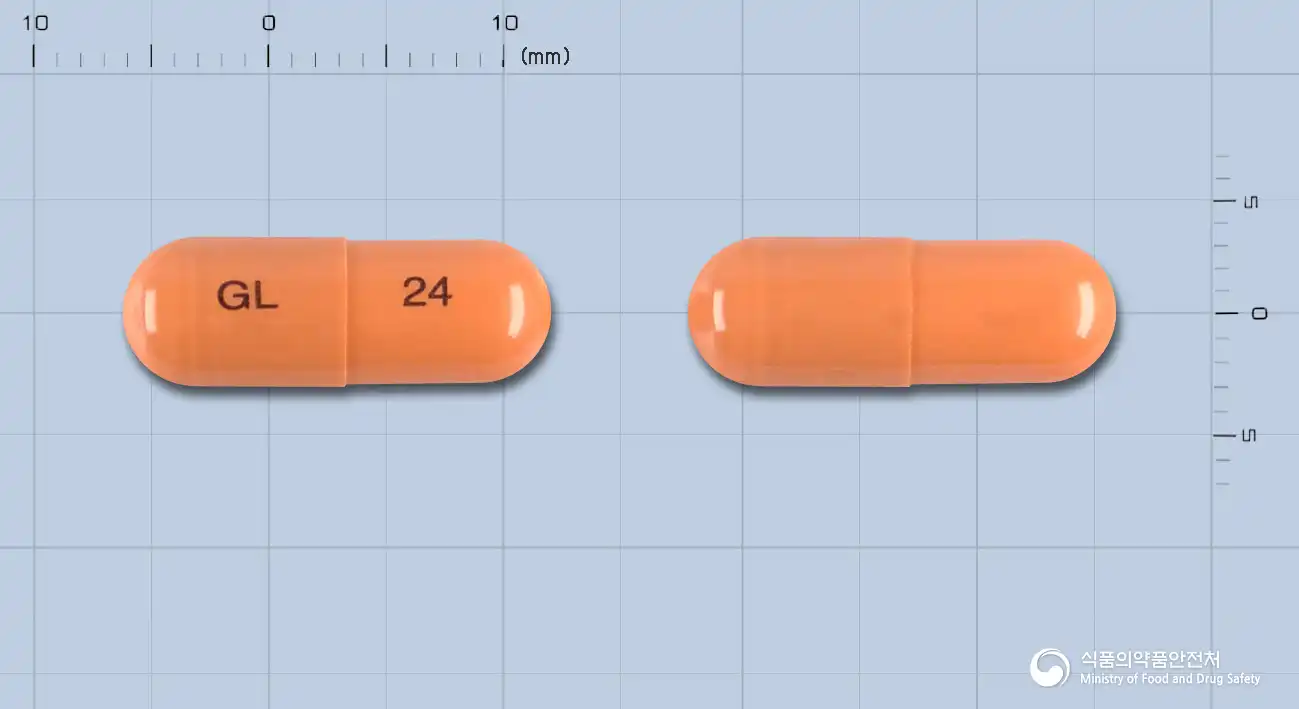
Myungin Galantamine Extended-Release Capsules 24 mg (Galantamine Bromide)
Galantamine Hydrobromide 30.76mg
Hard capsule · Prescription medication
Myungin Pharmaceutical Co., Ltd.
MFDS item code 201007258 · Approved 2010.11.29 · Insurance code 651903340
Treatment of symptoms of mild to moderate Alzheimer-type dementia
Used to treat symptoms of mild to moderate dementia of the Alzheimer's type.
(Adults) Administer once daily in the morning. It is preferable to administer immediately after breakfast. Swallow this medicine whole with an appropriate amount of water; do not chew or crush it. Maintain adequate fluid intake during treatment with this medicine. Initial dose: 8mg once daily is recommended for the first 4 weeks. Maintenance dose: - After administration of the initial dose, administer 16mg once daily for at least 4 weeks. - Thereafter, based on assessment of clinical benefit and tolerability, the dose may be increased to a maximum of 24mg daily. - For patients who do not tolerate 24mg daily well or whose response does not improve, consider reducing the dose to 16mg daily. - This medicine may be continued for as long as the patient benefits from treatment. Regularly assess the clinical benefit of this medicine, and consider discontinuing treatment if it is ineffective. - No rebound phenomenon occurs after discontinuation of treatment (e.g., in preparation for surgery). (Patients with Renal or Hepatic Impairment) Galantamine blood concentrations may increase in patients with moderate to severe renal or hepatic impairment. Based on pharmacokinetic modeling, patients with moderate hepatic impairment should receive 8mg every other day for at least 1 week, preferably in the morning. Thereafter, administer 8mg once daily for at least 4 weeks. Do not exceed 16mg daily. This medicine is contraindicated in patients with severe hepatic impairment (Child-Pugh score >9). No dose adjustment is necessary in patients with mild hepatic impairment. No dose adjustment is necessary in patients with a creatinine clearance of 9mL/min or higher. This medicine is contraindicated in patients with severe renal impairment (creatinine clearance < 9mL/min). (Concomitant Therapy) Consider reducing the dose of this medicine in patients receiving CYP 2D6 or CYP 3A4 inhibitors (e.g., ketoconazole).
Use in pediatric patients is not recommended.
This medicine should not be administered to patients who are allergic to its components or who have severely impaired liver and kidney functions. While taking this medication, side effects such as nausea, vomiting, diarrhea, dizziness, headache, and drowsiness may occur, so caution should be exercised if these symptoms arise. Severe rashes or itching may occur on the skin, and rarely, serious skin reactions, so if any skin abnormalities occur, the medication should be stopped immediately and consult a hospital. This medication can slow the heart rate or cause arrhythmias, so patients with heart disease should consult their doctor before use. Patients with a history of gastrointestinal ulcers or gastrointestinal diseases should carefully monitor their symptoms while taking this medication, and it is not recommended for patients recovering from gastrointestinal surgery. This medication can occasionally trigger seizures; therefore, caution is necessary for patients with neurological disorders. Patients with asthma or lung diseases must consult their doctor before use. Patients recovering from bladder surgery or those with urination disorders should also avoid using this medication. This medication should not be used in conjunction with other cholinergic medications, and combining it with heart rate-lowering medications may increase side effects. Pregnant or breastfeeding women should consult their doctor before taking this medication, and it is not administered to breastfeeding mothers. During the first week of taking this medication, dizziness or drowsiness may occur; therefore, caution is advised when driving or operating machinery. In case of an overdose, serious symptoms such as vomiting, bradycardia, and seizures may occur, so the dosage should be strictly adhered to, and immediate medical attention should be sought in case of overdose. This medication should be kept out of the reach of children and should not be transferred to other containers for safety.
Not everyone experiences these, and they can vary from person to person.
This medication should be stored in a tightly sealed container to prevent air from entering, ideally at room temperature between 1°C and 30°C. Proper storage helps maintain the effectiveness of the medicine.
An opaque brownish yellow hard capsule containing white to almost white extended-release pellets.
100 capsules/box [(10 capsules/PTP x 10)], 30 capsules/bottle, 100 capsules/bottle
Even with the same ingredient, strength, dosage form and how it is taken can differ.
Viewing nowGalantamine Hydrobromide 30.76mg
Hard capsule · Prescription medication
Myungin Pharmaceutical Co., Ltd.
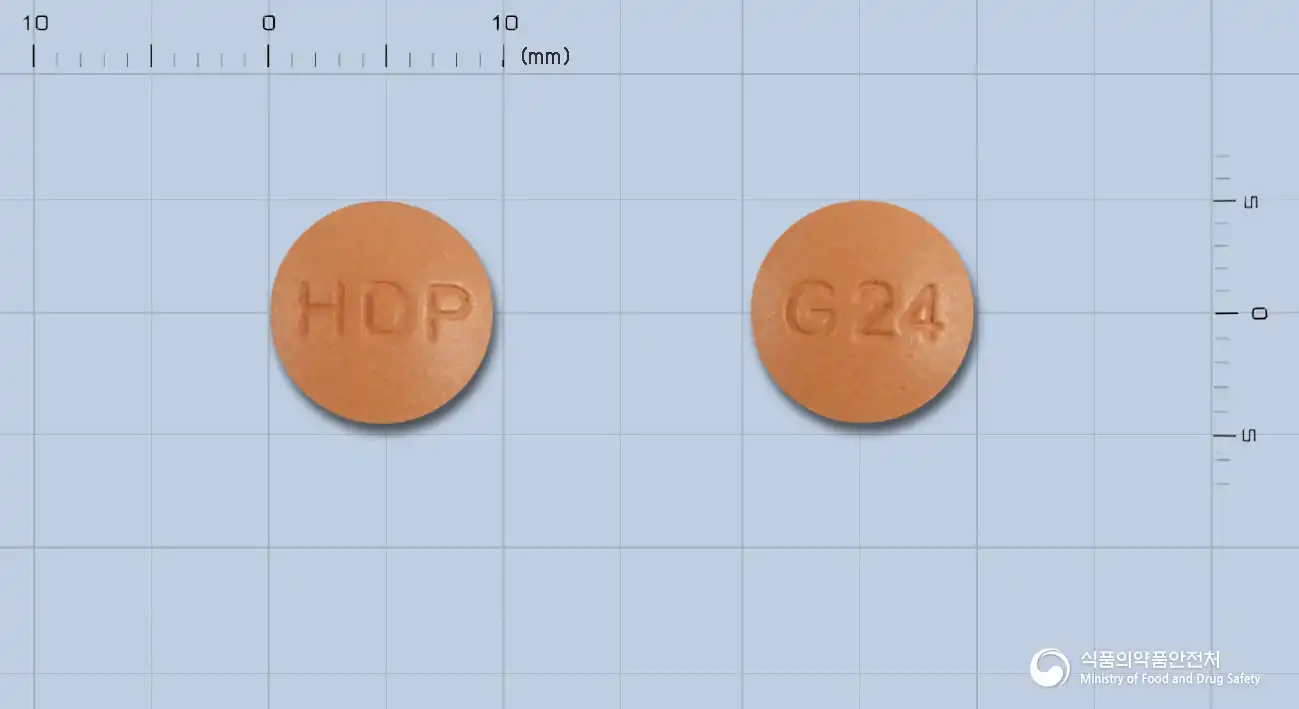
Galantamine Hydrobromide 30.76mg
Tablet · Prescription medication
Hyundai Pharmaceutical Co., Ltd.
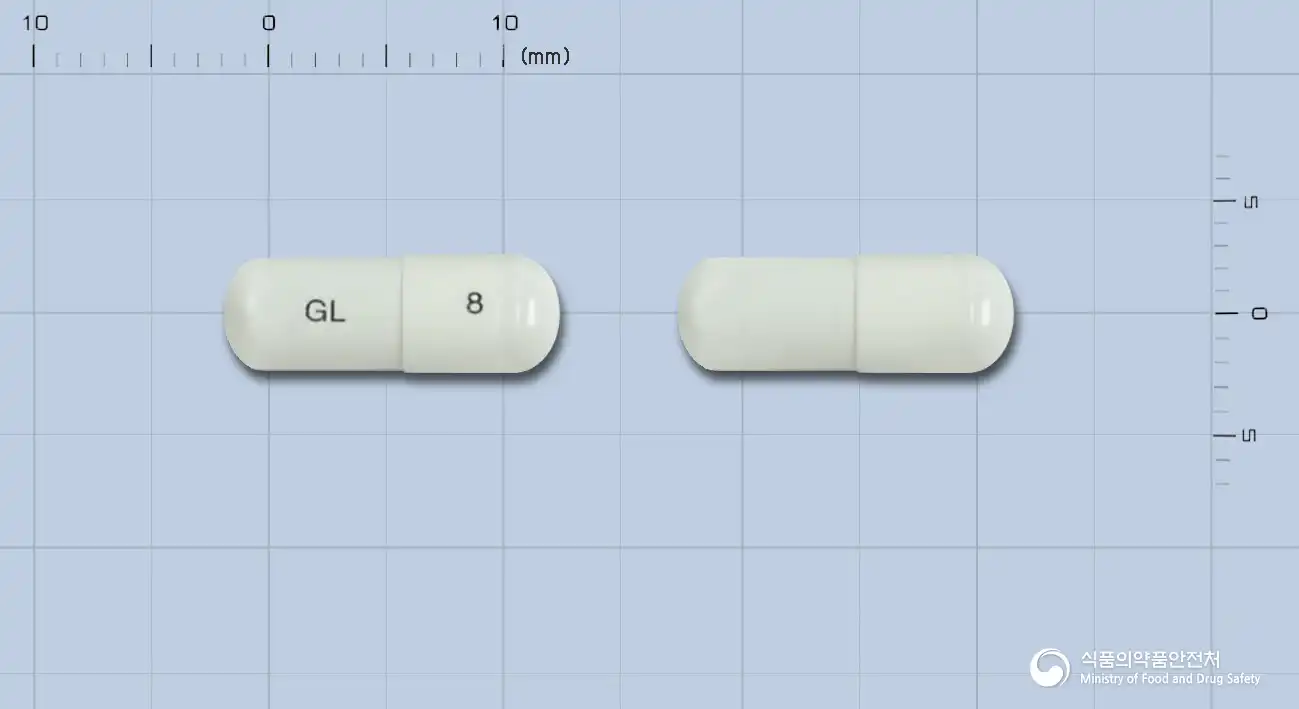
Galantamine Hydrobromide 10.25mg
Hard capsule · Prescription medication
Myeongin Pharmaceutical Co., Ltd.
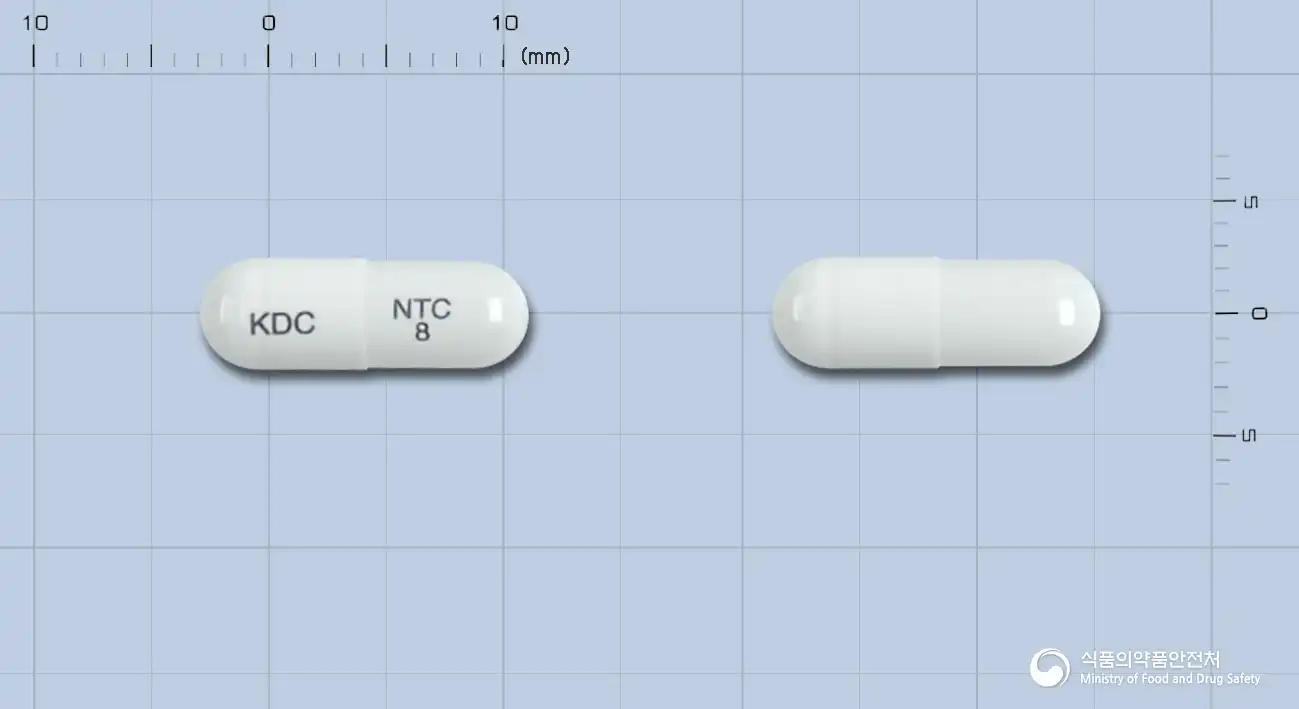
Galantamine Hydrobromide 10.25mg
Hard capsule · Prescription medication
Korea Pharmaceutical Co., Ltd.
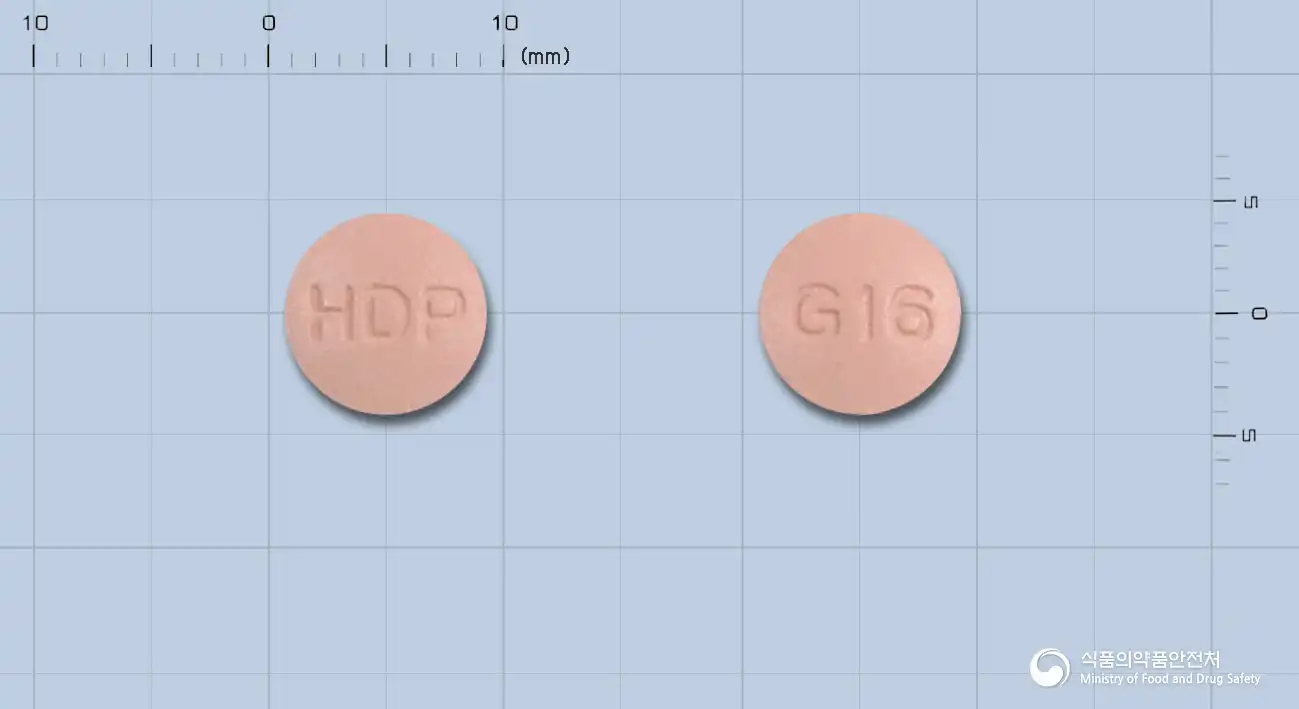
Galantamine Hydrobromide 20.51mg
Tablet · Prescription medication
Hyundai Pharmaceutical Co., Ltd.
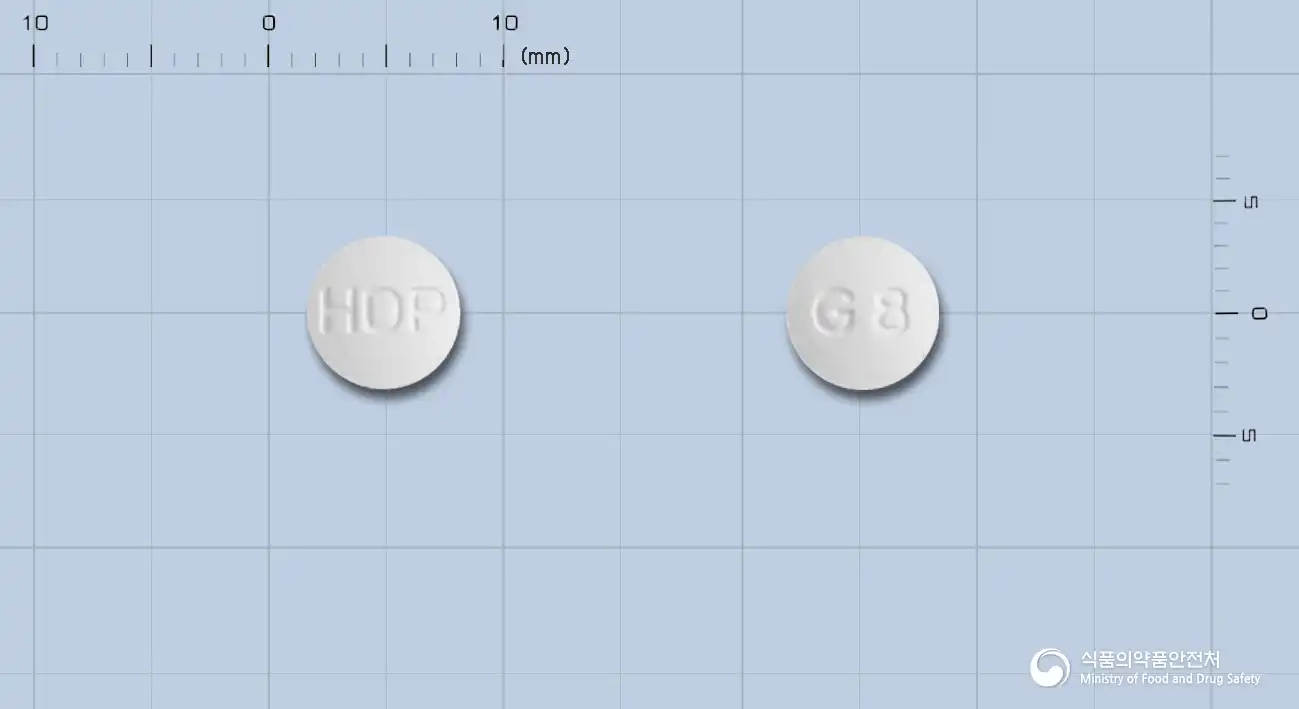
Galantamine Hydrobromide 10.25mg
Tablet · Prescription medication
Hyundai Pharmaceutical Co., Ltd.
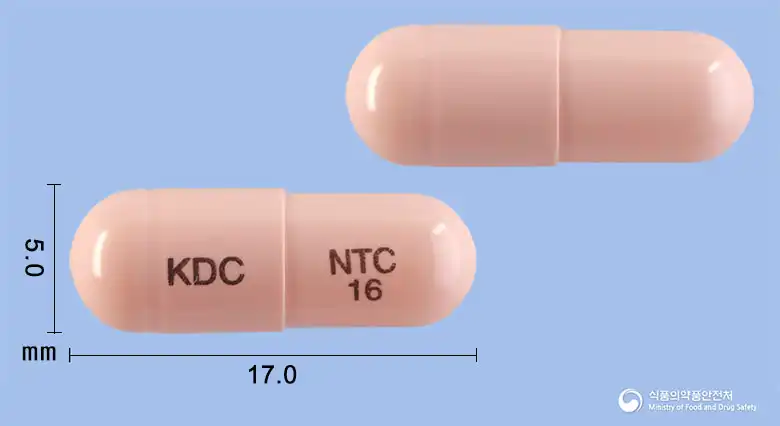
Galantamine Hydrobromide 20.51mg
Hard capsule · Prescription medication
Korea Pharmaceutical Co., Ltd.
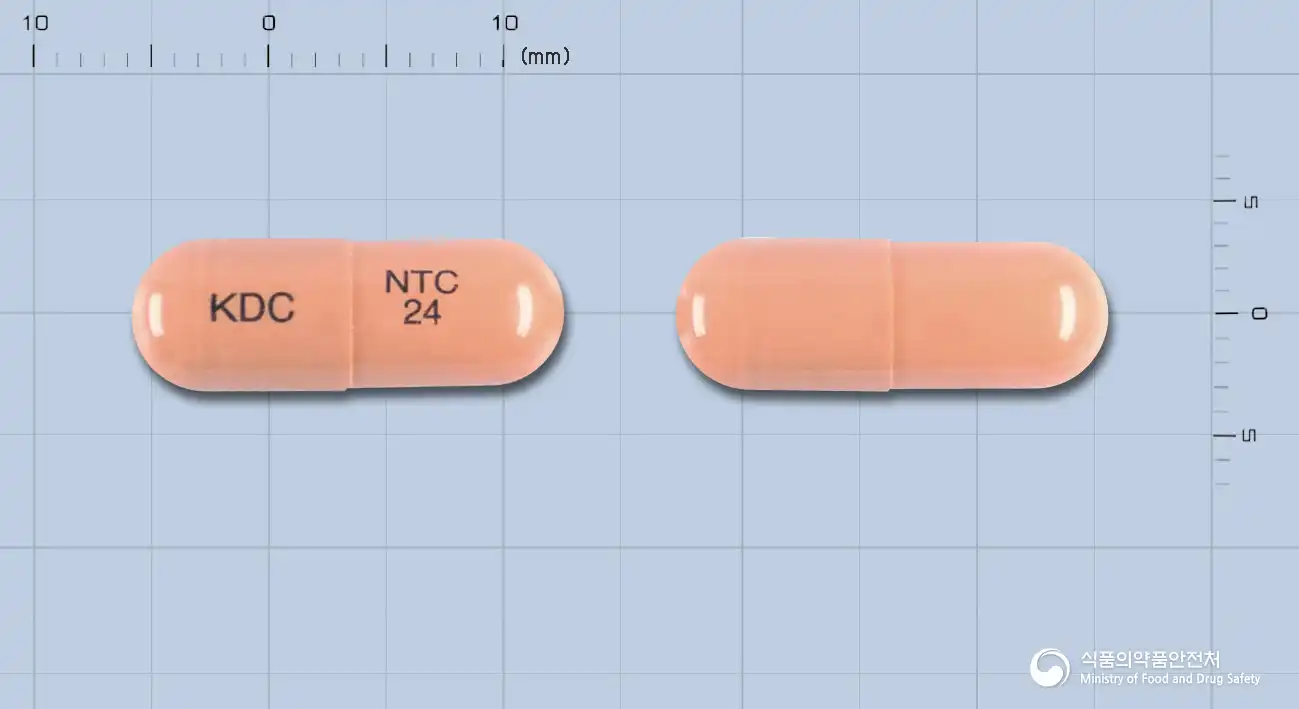
Galantamine Hydrobromide 30.76mg
Hard capsule · Prescription medication
Korea Pharmaceutical Co., Ltd.
Even with the same ingredient, the dose and directions can differ by strength and dosage form. Talk to a doctor or pharmacist before switching from a medication you are already taking.
No questions yet.
For anything that needs medical judgment, consult a doctor or pharmacist.
This drug information is based on data provided by the Korea Ministry of Food and Drug Safety.
Consult a doctor or pharmacist for accurate dosage, administration, and usage instructions.