
 한국어
 English
 日本語
 中文(简体)
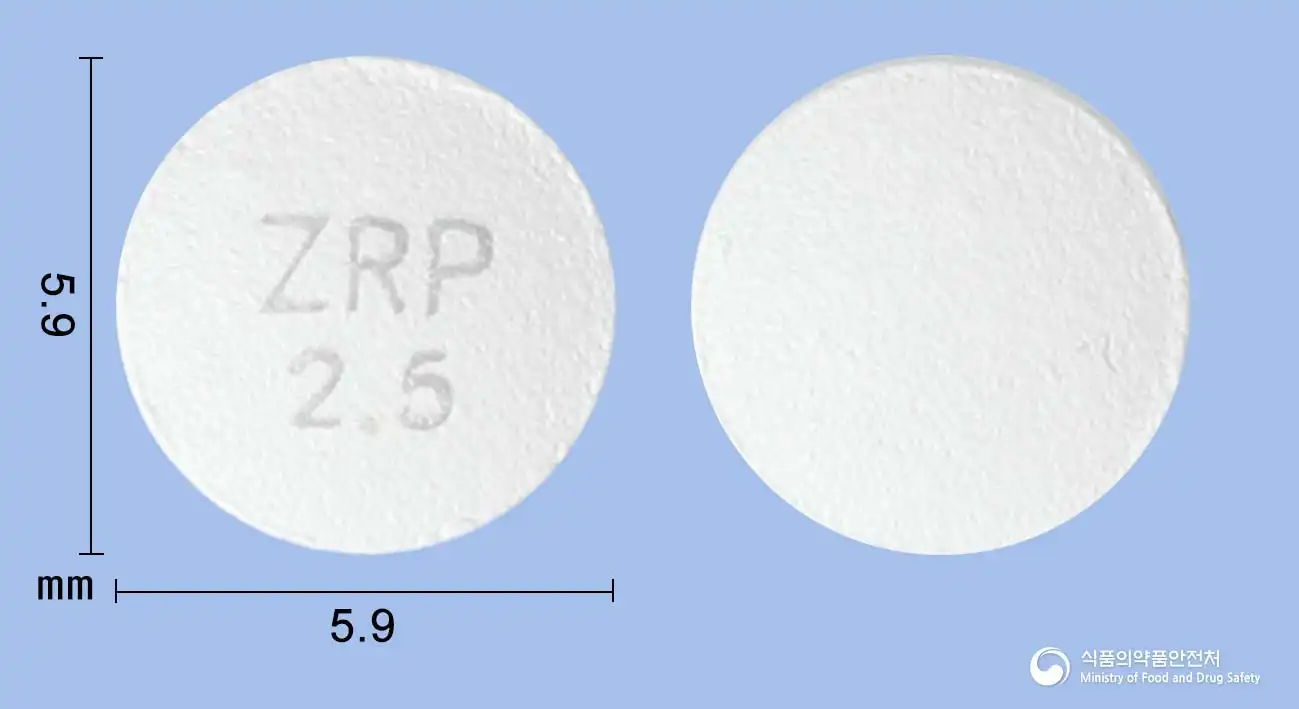 Viewing now
Zairepin Tablet 2.5 mg (Olanzapine)
Olanzapine 2.5mg
Tablet · Prescription medication
Hwanin Pharmaceutical Co., Ltd.
MFDS item code 201007234 · Approved 2010.11.29 · Insurance code 657202200
Treatment and prevention of recurrence of bipolar disorder (manic and depressive episodes, etc.); treatment of schizophrenia
This medication is effective for the treatment of schizophrenia, and is also used for the treatment of mania and mixed episodes related to bipolar disorder type 1. It helps prevent relapse in patients who have responded to olanzapine. Additionally, it is utilized for the acute treatment of depressive episodes, improving overall mood disorder symptoms.
The therapeutic dose of this medicine should be adjusted according to the patient's clinical condition. Increases above the generally recommended daily dose of 10 mg are recommended only after an appropriate clinical evaluation. 1. Adults 1) Schizophrenia (1) The recommended initial dose is 5∼10 mg of olanzapine once daily. (2) Maintenance treatment: Although it is difficult to give a definitive answer as to how long treatment with this medicine should continue, its efficacy was demonstrated in a placebo-controlled study in which patients with schizophrenia whose symptoms had stabilized after taking this medicine for approximately 8 weeks received maintenance treatment at a dose of 10∼20 mg daily for 8 months. The need for maintenance treatment at an appropriate dose should be assessed periodically. 2) Bipolar disorder (1) Treatment of manic and mixed episodes associated with bipolar I disorder The initial dose is 15 mg of this medicine once daily as monotherapy, or 10 mg once daily as adjunctive therapy with lithium or valproate. (2) Prevention of recurrence in bipolar disorder The recommended initial dose is 10 mg once daily. Patients who have been receiving this medicine to treat mania should continue the same dose to prevent recurrence. If a new manic, mixed, or depressive episode occurs, treatment with this medicine should continue, together with adjunctive therapy to treat mood symptoms as clinically indicated (optimizing the required doses). 3) For the treatment of schizophrenia and manic and mixed episodes associated with bipolar I disorder, and for prevention of recurrence in bipolar disorder, the daily dose may be adjusted within the range of 5 mg to 20 mg daily based on clinical condition. Increases above the recommended initial dose are recommended only after an appropriate clinical evaluation, and dose increases should generally be made at intervals of 24 hours or longer. If treatment with this medicine is discontinued, the dose should be gradually reduced with caution. 4) Acute treatment of depressive episodes associated with bipolar I disorder Start treatment with 5mg of olanzapine once daily, then increase to 10mg once daily. Administer this medicine at bedtime and adjust the dose as appropriate according to age and symptoms; do not exceed a daily dose of 20mg. Food does not affect drug absorption; therefore, this medicine may be taken with or without food. 2. Administration in special populations 1) Older adults Starting at a dose of 5 mg or less daily may be considered when supported by sufficient clinical factors. 2) Patients with renal or hepatic impairment A low initial dose (5 mg) should be considered. In moderate hepatic impairment (cirrhosis, Child-Pugh class A or B), the initial dose is 5 mg and should be increased cautiously. 3) Patients with multiple factors that delay the metabolism of this medicine (female sex, older age, and nonsmoking status) may also start at a lower dose. 3. Precautions (for orally disintegrating tablets only) This medicine is fragile. Remove it from the outer packaging and open the blister by peeling off the metal foil on the back. Do not press the tablet through the metal foil when opening. Immediately after opening the blister, remove the tablet with dry hands and place it directly in the mouth. The tablet dissolves rapidly in saliva and may be swallowed with or without a drink.
This medication may result in a life-threatening serious side effect known as Neuroleptic Malignant Syndrome; therefore, if symptoms such as high fever, muscle rigidity, or changes in mental state occur, use should be immediately discontinued. It is not approved for the treatment of psychosis or behavioral disturbances related to dementia, and is particularly not recommended for elderly patients due to an increased risk of death and cerebrovascular events. Long-term use may result in a movement disorder known as tardive dyskinesia, so if abnormal symptoms appear, dose adjustment or discontinuation should be considered. Diabetes or hyperglycemia may develop or worsen, so regular monitoring of blood sugar and weight is necessary, and immediate medical attention should be sought in case of related symptoms. Abrupt discontinuation of this medication may lead to insomnia, tremors, anxiety, and nausea; thus, dosage should be gradually reduced. Patients with heart disease or cardiovascular risk factors may experience arrhythmias or hypotension when taking this medication, requiring caution. Pregnant or nursing women should consult a doctor as it may affect the fetus or newborn; nursing should be suspended during treatment. There may be drug interactions, particularly with medications metabolized by the liver or cardiovascular drugs, so inform the doctor in such cases. The safety of this medication in children and adolescents has not been adequately established, thus careful monitoring is necessary if used in this age group. In case of overdose, severe sedation, altered consciousness, or cardiac issues may occur, necessitating immediate medical attention. This medication may cause drowsiness and dizziness, so caution is advised when driving or operating hazardous machinery. Store this medication in a sealed container to prevent air or moisture ingress, and keep it at a temperature between 15 to 30 degrees Celsius, avoiding direct sunlight and humidity.
Hyperthermia, muscle rigidity, changes in mental state, irregular pulse, changes in blood pressure, tachycardia, sweating, cardiac arrhythmia, elevated creatine phosphokinase, myoglobinuria, acute renal failure, increased mortality rate, cerebrovascular adverse reactions, stroke, transient ischemic attack, tardive dyskinesia, drowsiness, weight gain, eosinophilia, elevated prolactin, elevated cholesterol, elevated blood sugar, elevated triglycerides, diabetes, increased appetite, akathisia, Parkinson's disease, leukopenia, neutropenia, dyskinesia, orthostatic hypotension, anticholinergic effects, elevated liver transaminases, rash, weakness, fatigue, fever, arthralgia, increased alkaline phosphatase, elevated gamma-glutamyl transferase, elevated uric acid, increased creatine phosphokinase, edema, elevated blood glucose levels, increased triglycerides, petechial hemorrhage, anemia, cyanosis, leukocytosis, lymphadenopathy, neutropenia, hypersensitivity reactions, acidosis, increased alkaline phosphatase, hyperbilirubinemia, dehydration, hypercholesterolemia, hyperglycemia, hyperlipidemia, hyperuricemia, hypoglycemia, hypokalemia, hyponatremia, lower limb edema, upper limb edema, hyperkalemia, ketoacidosis, coma, gout, hypernatremia, hypoproteinemia, ketosis, water intoxication, hypothermia, dizziness, abnormal gait in Alzheimer's disease, insomnia, depression, vertigo, personality disorders, tremor, muscle hypertonicity, speech disorder, paresthesia, apathy, confusion, euphoric state, coordination disturbance, unusual dreams, delusions, emotional instability, manic reactions, schizophrenia reactions, inability to move, alcohol abuse, antisocial reactions, inability to perform coordinated movements, CNS stimulation, cogwheel rigidity, nonsense speech, dementia, depersonalization, stuttering, facial paralysis, sensory loss, decreased motor activity, reduced muscle tone, decreased libido, increased libido, compulsive symptoms, phobias, somatization, stimulant abuse, confusion, tardive dyskinesia, dizziness, withdrawal syndrome, suicide attempts, amnesia, seizures, muscular hypertonia, restless legs syndrome, orofacial paralysis, coma, encephalopathy, neuralgia, neuropathy, nystagmus, paralysis, subarachnoid hemorrhage, tobacco abuse, neuroleptic malignant syndrome, withdrawal symptoms, orthostatic hypotension, tachycardia, hypertension, hypotension, syncope, bradycardia, atrial fibrillation, cerebrovascular accident, congestive heart failure, cardiac arrest, bleeding, migraine, pallor, palpitations, vasodilation, premature ventricular contractions, prolonged QTc interval, thromboembolism, arteritis, heart failure, pulmonary embolism, ventricular fibrillation, sudden death, diabetes, diabetic acidosis, goiter, constipation, thirst, dyspepsia, vomiting, increased salivation, dysphagia, esophagitis, fecal incontinence, gastritis, gastroenteritis, gingivitis, melena, oral ulcer, nausea, oral candidiasis, periodontal abscess, rectal bleeding, stomatitis, tongue swelling, dental caries, diarrhea, abdominal distension, excessive salivation, aphthous stomatitis, enteritis, belching, esophageal ulcer, glossitis, intestinal obstruction, bowel obstruction, discoloration of the tongue, pancreatitis, rhinitis, increased cough, pharyngitis, dyspnea, apnea, asthma, nosebleeds, hemoptysis, hyperventilation, hypoxemia, laryngitis, voice changes, atelectasis, hiccups, decreased respiratory function, pulmonary edema, wheezing, hepatic steatosis, hepatitis, jaundice, sweating, photosensitivity reactions, acne, dry skin, alopecia, contact dermatitis, eczema, papular rash, itching, seborrhea, skin pigmentation changes, skin ulcers, hives, vesicular rash, hirsutism, pustular rash, drug reaction (DRESS), lower back pain, chest pain, toothache, flu-like syndrome, injection site pain, abdominal enlargement, chills, facial swelling, self-harm, malaise, candidiasis, neck pain, neck stiffness, pelvic pain, hangover, sudden death, joint stiffness, single contraction, arthritis, arthropathy, leg cramps, myasthenia gravis, arthralgia, bone pain, bursitis, myopathy, osteoporosis, rheumatoid arthritis, rhabdomyolysis, amblyopia, visual disturbances, conjunctivitis, abnormal accommodation, blepharitis, cataract, hearing loss, diplopia, dry eyes, ear pain, ocular hemorrhage, ocular inflammation, eye pain, abnormal ocular muscle, taste disturbances, tinnitus, corneal lesions, glaucoma, keratoconjunctivitis, macular pigmentation degeneration, miosis, mydriasis, lenticular pigmentation, urinary incontinence, urinary tract infection, dysmenorrhea, vaginitis, abnormal ejaculation, amenorrhea, mastalgia, cystitis, decreased menstruation, urination disorders, galactorrhea, gynecomastia, hematuria, erectile dysfunction, increased menstruation, menorrhagia, uterine bleeding, polyuria, premenstrual syndrome, pyuria, frequent urination, urinary retention, anuria, uterine fibroid hypertrophy, vaginal bleeding, urine delay, albuminuria, breast hypertrophy, mastitis, oliguria, male erectile dysfunction, benign decreased libido, female amenorrhea, excessive milk secretion, breast enlargement, persistent erection, elevated plasma prolactin levels, increased alkaline phosphatase, elevated creatine phosphokinase, elevated gamma-glutamyl transferase, elevated uric acid, increased total bilirubin, neonatal withdrawal symptoms, ocular muscle seizures, confusion, myotonic spasms, ocular motor nerve paralysis, headache, abdominal pain, pain, weight loss, hematochezia, convulsions, hypomania, sexual discomfort, neuroexcitability reactions, auditory hallucinations, liver failure, decreased appetite, urinary retention, pyelonephritis, abnormal ECG, pupil atony, torticollis, tachycardia, agitation, aggression, stuttering, various extrapyramidal symptoms, decreased consciousness levels, nonsense speech, convulsions, respiratory function inhibition, aspiration, hypertension, hypotension, arrhythmia, cardiac arrest
Not everyone experiences these, and they can vary from person to person.
This medication should be stored in a sealed container to prevent air or moisture from entering, and it is recommended to keep it at room temperature, between 15 and 30 degrees Celsius. Proper storage will maintain the efficacy of the medication and prevent degradation.
White or light gray round film-coated tablets
28 tablets (7 tablets/PTP×4), 100 tablets/bottle
Even with the same ingredient, strength, dosage form and how it is taken can differ.
Viewing nowOlanzapine 2.5mg
Tablet · Prescription medication
Hwanin Pharmaceutical Co., Ltd.
Olanzapine 5mg
Tablet · Prescription medication
Boryung Pharmaceutical Co., Ltd.
Olanzapine 10mg
Tablet · Prescription medication
Boryung Co., Ltd.
Olanzapine 2.5mg
Tablet · Prescription medication
Boryung Pharmaceutical Co., Ltd.
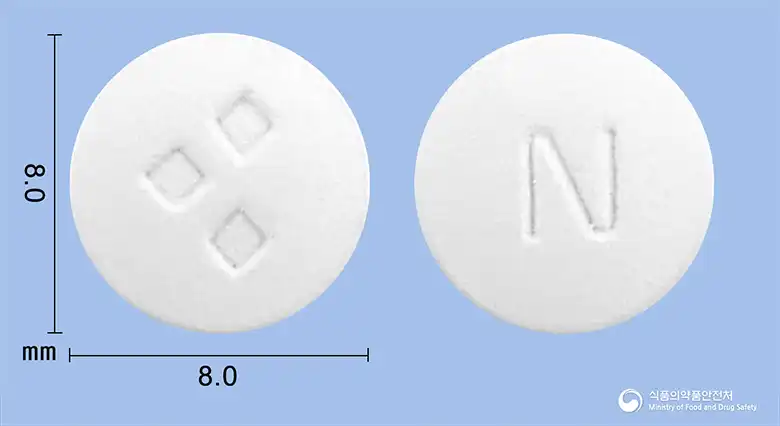
Olanzapine 5mg
Tablet · Prescription medication
Myongin Pharmaceutical Co., Ltd.
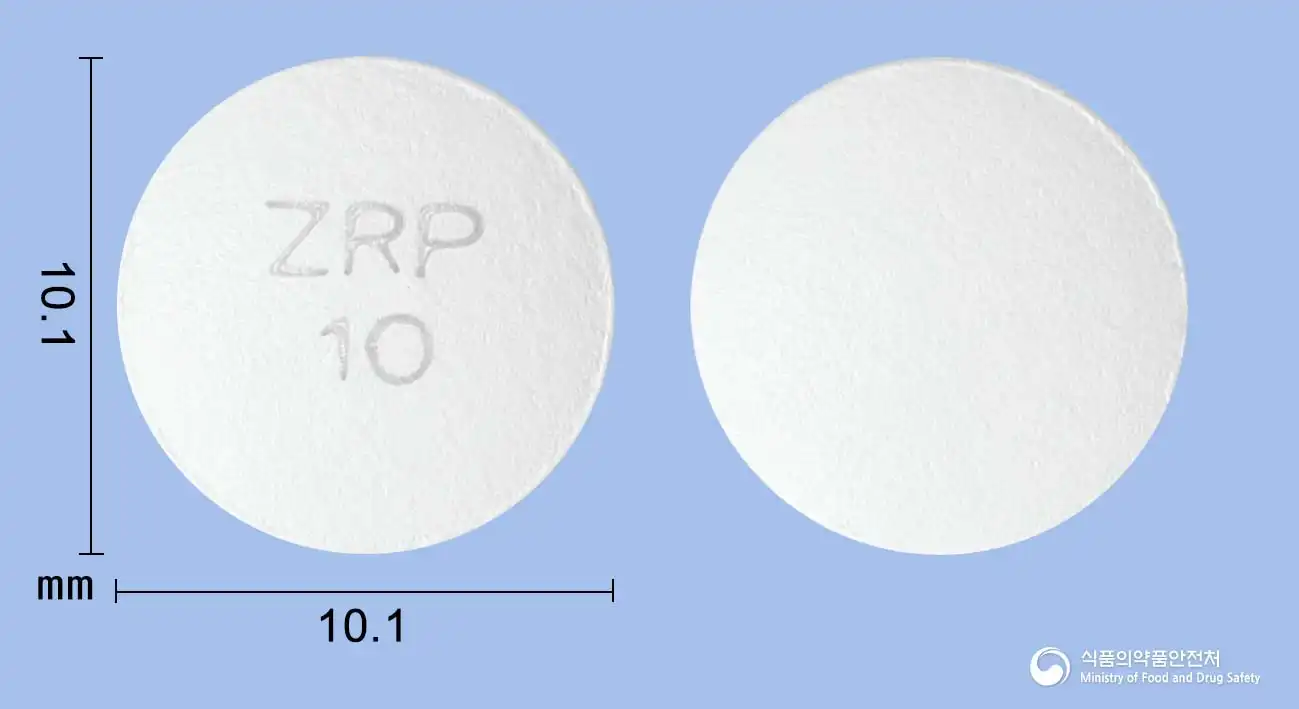
Olanzapine 10mg
Tablet · Prescription medication
Hanin Pharmaceutical Co., Ltd.
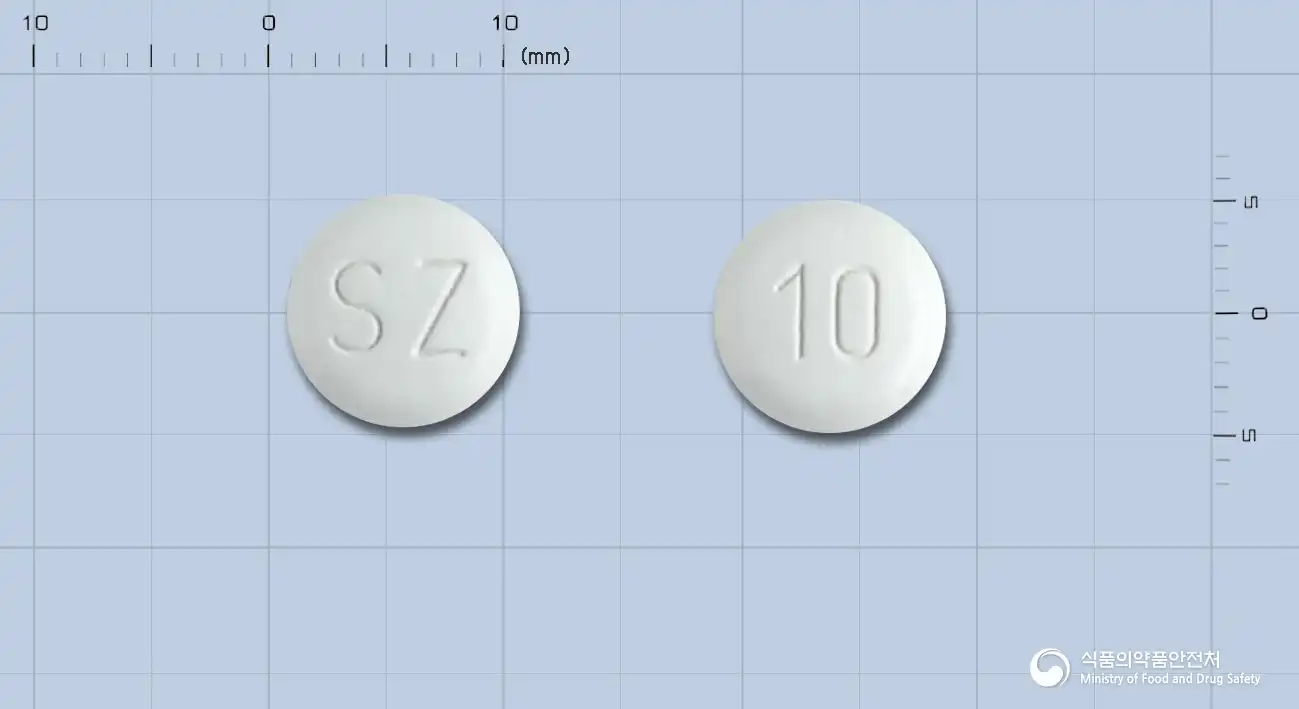
Olanzapine 10mg
Tablet · Prescription medication
Samil Pharmaceutical Co., Ltd.
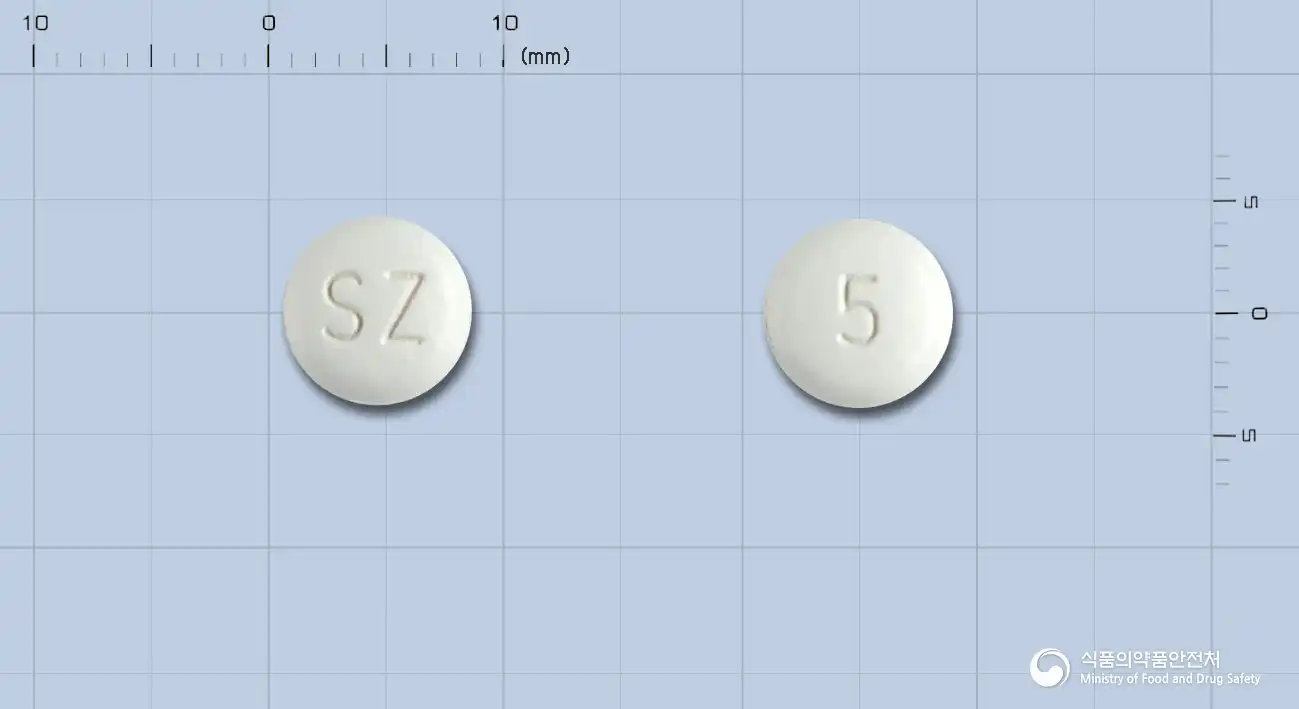
Olanzapine 5mg
Tablet · Prescription medication
Samil Pharmaceutical Co., Ltd.
Even with the same ingredient, the dose and directions can differ by strength and dosage form. Talk to a doctor or pharmacist before switching from a medication you are already taking.
No questions yet.
For anything that needs medical judgment, consult a doctor or pharmacist.
This drug information is based on data provided by the Korea Ministry of Food and Drug Safety.
Consult a doctor or pharmacist for accurate dosage, administration, and usage instructions.