
 한국어
 English
 日本語
 中文(简体)
Dosage form image
Viewing nowTalodacapsule 50 mg (Thalidomide)
Thalidomide
Prescription medication
JNP Korea Co., Ltd.
MFDS item code 201002769 · Approved 2010.04.16
This product's status changed to Expired on 2023.07.01. It may no longer be sold, so consult a doctor or pharmacist before taking it.
Combination treatment of multiple myeloma; treatment of skin lesions of erythema nodosum leprosum; prevention and suppression of recurrence
This medication is used for the acute treatment of moderate to severe Erythema Nodosum Leprosum (ENL) skin lesions. Thalidomide is not used as monotherapy for ENL patients with moderate to severe neuropathy, and is used as maintenance therapy for prevention and suppression of skin lesions upon recurrence of ENL. Additionally, it is used in combination with dexamethasone to enhance effectiveness in the treatment of newly diagnosed multiple myeloma patients. Thus, this medication is helpful in treating skin inflammation and certain blood cancers.
Thalidomide must be administered only to patients who agree to comply with the requirements specified in the risk management program (see “5. General precautions” under Precautions for use). This medicine may be prescribed only by physicians enrolled in the risk management program and dispensed only by pharmacists enrolled in the program. When prescribing it to women of childbearing potential, negative pregnancy test results must be confirmed continuously according to the schedule specified in the program. 1. Erythema nodosum leprosum (adult dose) At the start of treatment, administer 100mg orally once daily. Increase the dose by 100mg at 1-week intervals according to tolerability and toxicity only if symptoms do not improve. The maximum recommended dose is 400mg daily. A maintenance dose lower than the dose used to control the ongoing reaction may be used, based on monitoring of tolerability and toxicity. In patients with moderate-to-severe neuritis (due to leprosy) or other serious complications (e.g., uveitis), corticosteroids and other appropriate treatments may be initiated at the same time and gradually reduced or discontinued once neuritis and other symptoms improve. There is no information on a recommended maintenance dose for maintenance therapy to prevent recurrence of ENL. However, if there are risks associated with thalidomide treatment, gradual dose reduction (with the aim of discontinuing treatment) is suggested, reducing the dose by 50mg every 2-4 weeks over a 3-6-month period. To reduce central nervous system adverse effects during the day (drowsiness, somnolence, sedation), the dose is usually administered once in the evening. This medicine should be taken at least 1 hour after a meal. 2. Newly diagnosed multiple myeloma Administer in combination with dexamethasone in 28-day cycles. Take 200mg of this medicine once daily with water at bedtime or at least 1 hour after the evening meal. Take dexamethasone orally at a dose of 40mg daily on days 1-4, 9-12, and 17-20 of each 28-day cycle. 3. Dose adjustment according to adverse drug reactions In patients who experience adverse drug reactions such as constipation, somnolence, or peripheral neuritis, consider temporarily discontinuing treatment and restarting at a lower dose. In patients who experience grade 3-4 adverse drug reactions according to the National Cancer Institute Common Toxicity Criteria, consider dose reduction, delayed administration, or discontinuation based on clinical judgment. Allergic reactions and severe skin reactions For grade 2-3 skin rash, consider temporarily withholding or discontinuing this medicine. Permanently discontinue this medicine if angioedema, an anaphylactic reaction, a grade 4 rash, exfoliative or bullous rash, Stevens-Johnson syndrome, toxic epidermal necrolysis, or drug rash with eosinophilia and systemic symptoms is suspected.
This medication can cause serious congenital malformations or miscarriage if taken during pregnancy, hence it must not be taken by pregnant women or women who could become pregnant. The risk to the fetus is very high, and physicians and pharmacists prescribing and dispensing this medication must be registered in a risk management program, with patients needing to comply thoroughly with this program. At least two effective contraceptive methods must be used starting 4 weeks before, during treatment, and for 4 weeks after treatment, and avoidance of heterosexual intercourse or taking appropriate contraceptive measures is necessary. Due to the risk of cardiovascular diseases, patients with risk factors for myocardial infarction or thrombosis should be closely monitored and measures taken to minimize risk factors. This medication may cause drowsiness, lethargy, or sedation, so driving or operating hazardous machinery should be avoided, and it should not be taken with alcohol or other sedatives. Peripheral neuropathy may occur frequently, so if symptoms like numbness, tingling, or pain in the hands and feet arise, immediate reporting is required, and regular neurological function tests are necessary with prolonged use. Dizziness and orthostatic hypotension may occur, so movements should be slow when rising. Neutropenia may appear, requiring regular blood tests to monitor leukocyte counts, and in severe cases, treatment may need to be halted. HIV-positive patients may experience an increase in viral load, thus regular monitoring is necessary. Women of childbearing potential must have regular pregnancy tests before, during, and after taking this medication, and if pregnancy is confirmed, it should be stopped immediately. Care should also be taken when in contact with the drug, and if the powder comes into contact with skin, it should be washed off immediately with soap and water, and pregnant or potentially pregnant women must not handle this medication. There could be interactions with other sedatives or medications, so any concurrent medications should be reported to a doctor or pharmacist. This medication should not be administered to breastfeeding women, and safety and efficacy in children under 12 years have not been established. In case of overdose, vital signs should be monitored at a hospital, and appropriate treatment should be administered. Drowsiness, lethargy, dizziness, and similar symptoms should be avoided during or after taking this drug, and caution should be exercised while driving or operating hazardous tasks. The medication must be kept out of reach of children, and expired drugs should not be taken.
Congenital malformations, miscarriage, limb deficiencies, syndactyly, bone hypoplasia, abnormalities of the outer ear, facial paralysis, eye abnormalities, congenital heart defects, gastrointestinal malformations, urinary tract malformations, genital malformations, increased mortality rate, myocardial infarction, thrombosis, venous thromboembolism, pulmonary embolism, cerebrovascular disease, drowsiness, hypersomnia, sedation, altered consciousness, peripheral neuropathy, dizziness, orthostatic hypotension, neutropenia, increased HIV virus load, constipation, asthenia, sensory peripheral neuropathy, Stevens-Johnson syndrome, toxic epidermal necrolysis, headache, rash, eosinophilia, peripheral edema, dyspnea, hypotension, bradycardia, secondary hypothyroidism, increased platelet count, decreased platelet count, anemia, fatigue, hypocalcemia, edema, leukopenia, fever, weight loss, weight gain, confusion, anxiety, tremors, motor neuropathy, decreased level of consciousness, anorexia, nausea, dry mouth, thrombosis/embolism, pain, myalgia, arthralgia, pneumonia, rash/desquamation, dry skin, increased bilirubin, muscle weakness, pulmonary embolism, syncope, atrial fibrillation, myocardial ischemia, hyperglycemia, deep vein thrombosis, insomnia, neuroirritability, vertigo, pharyngitis, rhinitis, sinusitis, acne, fungal dermatitis, nail disorders, pruritus, sweating, albuminuria, hematuria, erectile dysfunction, abdominal pain, trauma-related injuries, chills, facial edema, fatigue, neck pain, neck stiffness, diarrhea, oral candidiasis, toothache, anemia, leukopenia, lymphadenopathy, hyperlipidemia, elevated SGOT, restlessness, perceptual disturbances, pharyngitis, angioedema, anaphylactic reaction, vasodilation, cholangitis, cholestatic jaundice, colitis, dysphagia, esophagitis, gastroenteritis, gastrointestinal disorder, gastrointestinal bleeding, gingival disorders, hepatitis, pancreatitis, parotid hypertrophy, periodontitis, stomatitis, tongue discoloration, dental anomalies, aplastic anemia, megaloblastic anemia, macrocytic anemia, microcytic anemia, vitamin deficiency, dehydration, hypercholesterolemia, hypoglycemia, increased alkaline phosphatase, increased lipase, elevated serum creatinine, cyanosis, diabetes mellitus, edema, electrolyte imbalance, hyperkalemia, hyperuricemia, hypoproteinemia, increased LDH, decreased phosphorus level, increased SGPT, arthritis, bone pain, hypertonia, joint disorders, leg cramps, myalgias, muscle weakness, periosteal disorders, abnormal thinking, depression, paranoia, psychosis, cough, emphysema, epistaxis, pulmonary embolism, crackles, upper respiratory tract infection, degeneration, eczematous rash, exfoliative dermatitis, ichthyosis, perivascular thickening, skin necrosis, seborrhea, urticaria, vesicular rash, amblyopia, hearing loss, dry eyes, eye pain, tinnitus, decreased creatinine clearance, orchitis, proteinuria, pyuria, frequency of urination, diplopia, paresthesia, nocturia, erythema nodosum, erythrocytosis, foot drop, gynecomastia, hangover effects, hypomagnesemia, hypothyroidism, lymphedema, lymphocytopenia, uterine bleeding, migraine, mucinous edema, nodular sclerosing Hodgkin's lymphoma, nystagmus, oliguria, panleukopenia, petechiae, purpura, Raynaud's syndrome, gastric ulcer, suicide attempt, interstitial lung disease, severe infections, acute renal failure, amenorrhea, aphthous stomatitis, cholestasis, carpal tunnel syndrome, chronic myeloid leukemia, angioedema, benign skin neoplasm, eczema, herpes simplex, incomplete Stevens-Johnson syndrome, pruritus, psoriasis, skin pigmentation, skin abnormalities, conjunctivitis, eye disorders, urethral disorders, retinitis, taste distortion, sleep apnea, bronchitis, pulmonary disorder, pulmonary edema, pneumonia, vasodilation, angina pectoris, arrhythmia, congestive heart failure, deep venous thrombotic embolism, heart attack, heart failure, auscultatory noises, palpitations, pericarditis, postural hypotension, tachycardia, thrombophlebitis, thrombosis, cholangitis, cholestatic jaundice, colitis, dysphagia, esophagitis, gastroenteritis, gastrointestinal disorder, gastrointestinal bleeding, gingival disorders, hepatitis, pancreatitis, parotid hypertrophy, periodontitis, stomatitis, tongue discoloration, dental anomalies, aplastic anemia, megaloblastic anemia, macrocytic anemia, microcytic anemia, vitamin deficiency, bilirubinemia, dehydration, hypercholesterolemia, hypoglycemia, increased alkaline phosphatase, increased lipase, elevated serum creatinine, peripheral edema, myasthenia, abnormal gait, ataxia, decreased libido, decreased reflexes, dementia, paresthesia, movement disorders, emotional instability, hostility, hypoalgesia, hyperactivity, cooperative ataxia, meningitis, neurological disorders, amenorrhea, exacerbation of Parkinson's disease, pulmonary hypertension, leukopenic vasculitis, anaphylactic reaction, progressive multifocal leukoencephalopathy
Not everyone experiences these, and they can vary from person to person.
This medication is sensitive to light, so it should be stored in a dark container away from light. It is also important to store at a cool temperature below 25 degrees Celsius to maintain the efficacy of the drug.
Hard capsule in a reddish-brown color containing white to grayish-white powder.
Manufacturer packaging unit
Even with the same ingredient, strength, dosage form and how it is taken can differ.
Thalidomide
Prescription medication
JNP Korea Co., Ltd.
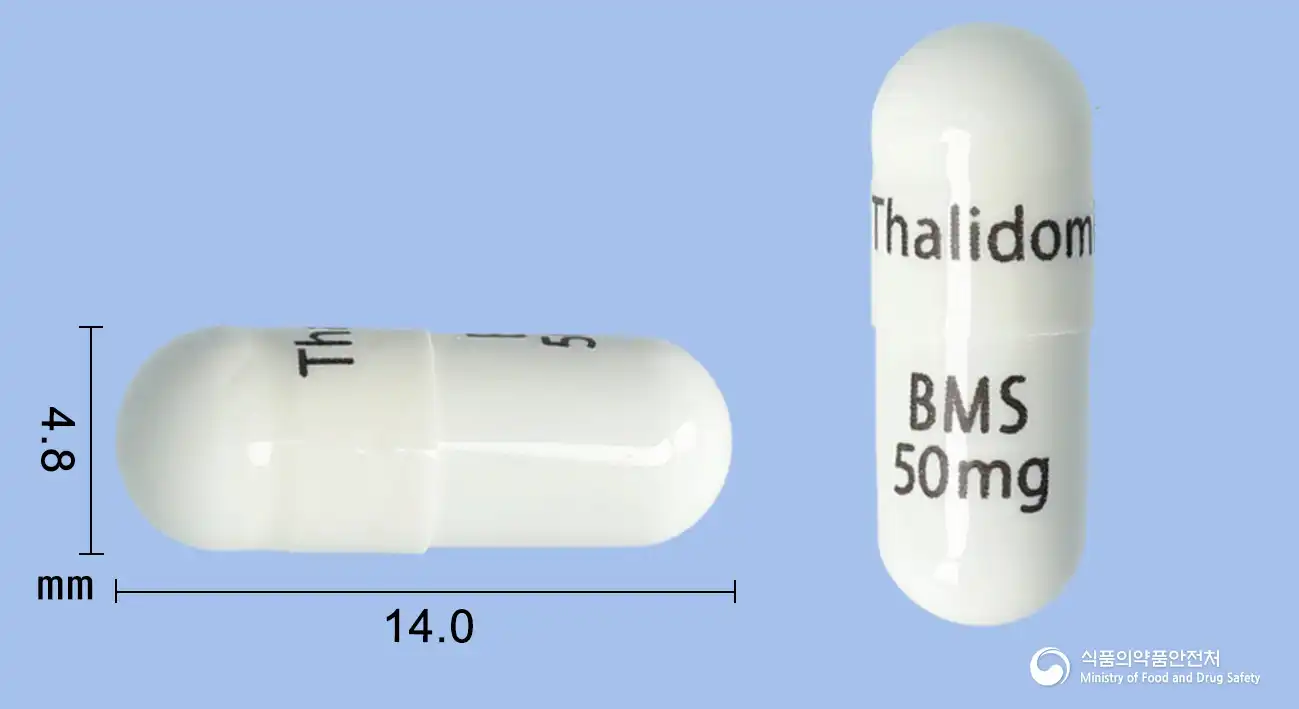
Thalidomide 50mg
Hard capsule · Prescription medication
(Yoo) HanKook BMS Pharmaceutical Co., Ltd.
Thalidomide
Prescription medication
JNP Korea Co., Ltd.
Thalidomide 50mg
Hard capsule · Prescription medication
Aging Life Science Co., Ltd.
Thalidomide 100mg
Hard capsule · Prescription medication
Aging Life Sciences Co., Ltd.
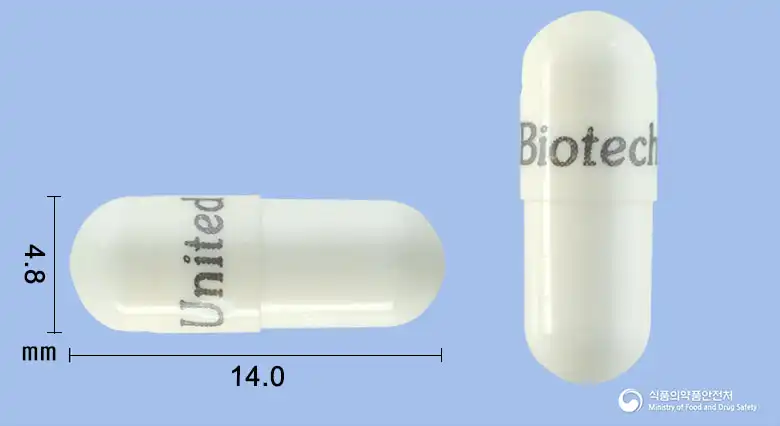
Thalidomide 50mg
Hard capsule · Prescription medication
J-Tech Biopharm Co., Ltd.
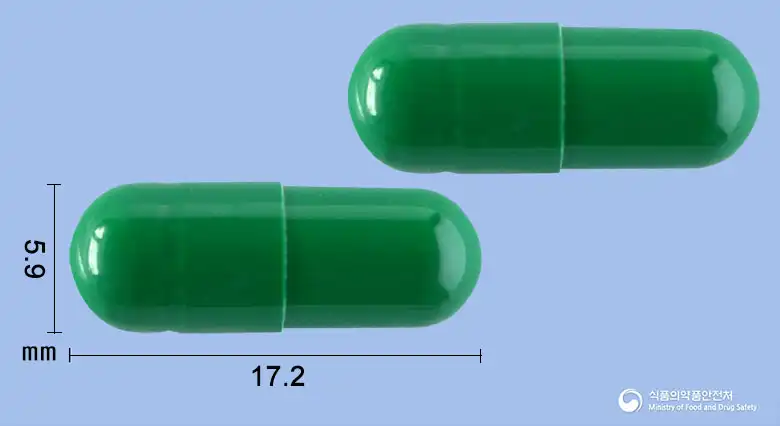
Thalidomide 100mg
Hard capsule · Prescription medication
J-Tech Biopharm Co., Ltd.
Even with the same ingredient, the dose and directions can differ by strength and dosage form. Talk to a doctor or pharmacist before switching from a medication you are already taking.
No questions yet.
For anything that needs medical judgment, consult a doctor or pharmacist.
This drug information is based on data provided by the Korea Ministry of Food and Drug Safety.
Consult a doctor or pharmacist for accurate dosage, administration, and usage instructions.