
 한국어
 English
 日本語
 中文(简体)
Summary
- Main use
- Reduction of hospitalization risk in patients with atrial fibrillation and normal sinus rhythm
- Who takes it
- Adults · Children
- Adult dose
- The recommended dose of this medicine is 1 tablet (400 milligrams of dronedarone) twice daily for adults only, taken with the morning and evening meals. Before starting this medicine, treatment with Class I or III antiarrhythmic agents (e.g., amiodarone, flecainide, propafenone, quinidine, disopyramide, dofetilide, sotalol) or potent CYP3A inhibitors (e.g., ketoconazole) should be discontinued. Patients with renal impairment No dose adjustment is necessary in patients with renal impairment. (Renal excretion of dronedarone is very low.) Patients with hepatic impairment No dose adjustment is necessary in patients with mild or moderate hepatic impairment; however, clinical experience in patients with moderate hepatic impairment is limited. This medicine should not be administered to patients with severe hepatic impairment because there is no experience of use in this group. (Dronedarone is extensively metabolized in the liver.) Older adults No dose adjustment is necessary.
- Child dose
- Use of this medicine is not recommended in pediatric and adolescent patients under 19 years of age because its safety and efficacy have not been established.
Ingredients
- Importer
- SANOFI-AVENTIS KOREA CO., LTD.
Efficacy & effects
Reduction of hospitalization risk in patients with atrial fibrillation and normal sinus rhythm
View approved original textHide original text
This medication is used for patients with a history of paroxysmal or persistent atrial fibrillation who are currently in normal sinus rhythm. It helps to reduce the risk of hospitalization that may occur due to atrial fibrillation. In other words, it prevents the worsening of atrial fibrillation and aids in maintaining the patient's health status stably. This treatment helps patients to safely carry out their daily lives. Therefore, it is used to reduce the risk of hospitalization due to atrial fibrillation.
How to take
Adult dose
The recommended dose of this medicine is 1 tablet (400 milligrams of dronedarone) twice daily for adults only, taken with the morning and evening meals. Before starting this medicine, treatment with Class I or III antiarrhythmic agents (e.g., amiodarone, flecainide, propafenone, quinidine, disopyramide, dofetilide, sotalol) or potent CYP3A inhibitors (e.g., ketoconazole) should be discontinued. Patients with renal impairment No dose adjustment is necessary in patients with renal impairment. (Renal excretion of dronedarone is very low.) Patients with hepatic impairment No dose adjustment is necessary in patients with mild or moderate hepatic impairment; however, clinical experience in patients with moderate hepatic impairment is limited. This medicine should not be administered to patients with severe hepatic impairment because there is no experience of use in this group. (Dronedarone is extensively metabolized in the liver.) Older adults No dose adjustment is necessary.
Child dose
Use of this medicine is not recommended in pediatric and adolescent patients under 19 years of age because its safety and efficacy have not been established.
Precautions
This medicine is used to control the heart rhythm, but it may be risky for patients with permanent atrial fibrillation, hence regular ECG tests must be conducted during treatment. It should not be used in patients with heart failure or decreased left ventricular function, and if symptoms worsen, consultation with a physician should be made immediately. It may affect liver function, thus regular liver function tests are needed before and during treatment, and if liver damage is suspected, the medication should be discontinued. If blood potassium and magnesium levels are low, the risk of arrhythmias may increase, so electrolyte levels should be kept normal before starting this medication. If respiratory illnesses are present or symptoms such as cough or shortness of breath occur, there may be a risk of pulmonary toxicity, requiring immediate examination; if problems are confirmed, the medication should be stopped. Individuals with allergic reactions, certain heart diseases, severe liver disorders, or women who are pregnant or breastfeeding should not take this medication. While taking this medication, gastrointestinal side effects such as diarrhea, nausea, abdominal pain, and lethargy, as well as adverse reactions such as skin rash and bradycardia may occur. If symptoms are severe, consultation with a physician is advised. There are various medications that may interact with this drug, so if taking other medications, it is essential to inform healthcare professionals, particularly avoiding grapefruit juice. Women who are pregnant or may become pregnant should confirm their pregnancy status before taking this medication and should use effective contraception while taking it. The safety and efficacy in children and adolescents have not been established, so its use in these populations is not recommended. In case of overdose, heart rhythm and blood pressure must be closely monitored and necessary treatment administered, as there is no antidote for this medication. This medication should be kept out of reach of children and must not be transferred to other containers.
Side effects
- Cardiovascular death
- increased stroke
- increased cardiovascular hospitalization
- congestive heart failure
- onset or worsening of heart failure
- left ventricular systolic dysfunction
- hepatocellular liver injury
- loss of appetite
- nausea
- vomiting
Show 139 moreCollapse
- fever
- malaise
- fatigue
- right upper quadrant pain
- jaundice
- melena
- itching
- pneumonia
- pulmonary fibrosis
- interstitial lung disease
- shortness of breath
- dry cough
- diarrhea
- nausea
- abdominal pain
- vomiting
- lethargy
- bradycardia
- rash
- pruritus
- eczema
- dermatitis
- allergic dermatitis
- photosensitivity reaction
- taste disturbances
- elevated serum creatinine levels
- prolonged QTc Bazett interval
- palpitations
- worsening atrial fibrillation
- arrhythmia
- paroxysmal atrial fibrillation
- sick sinus syndrome
- dizziness
- gastritis
- generalized weakness
- pulmonary congestion
- arthritis
- vertebral fracture
- cholangitis
- urinary tract infection
- liver abscess
- sepsis
- nephrosclerosis
- visual disturbances
- cerebral infarction
- hematoma
- pulmonary embolism
- malignant laryngeal neoplasm
- malignant neoplasm
- coronary artery disease
- myocardial infarction
- tachycardia
- increased pulse rate
- headache
- sensory disturbance
- leg cramps
- dementia
- eyelid droop
- gait disturbance
- sensory loss
- movement disorder
- presyncope
- tremor
- irritable bowel syndrome
- abdominal bloating
- unspecified intestinal disease
- gastroenteritis
- gastroesophageal reflux
- chest discomfort
- chest pain
- facial swelling
- leg pain
- syncope
- facial flushing
- edema
- chills
- chest tightness
- warmth
- limb pain
- vasovagal syncope
- hemoptysis
- pleural effusion
- sputum disease
- sore throat
- back pain
- limb weakness
- myalgia
- arthralgia
- flank pain
- neck/shoulder pain
- body aches
- rib fracture
- osteoarthritis
- hypotension
- worsening hypertension
- hypertension
- cardiac hypertrophy
- orthostatic hypotension
- hepatitis
- cold
- bacteriuria
- sinusitis
- upper respiratory tract infection
- hematuria
- dysuria
- proteinuria
- insomnia
- sleep disorders
- drowsiness
- erectile dysfunction
- difficulty concentrating
- urticaria
- hair loss
- psoriasis
- skin disorders
- increased sweating
- bruise
- gum bleeding
- petechiae
- flushing
- conjunctival hemorrhage
- ocular pain
- keratitis
- hyperkalemia
- hyperuricemia
- hyperlipidemia
- decreased serum potassium
- anemia
- unspecified abrasion
- food poisoning
- soft tissue infection
- medical device pain
- increased thyroid-stimulating hormone
- thyroid toxicity
- hearing loss
- tinnitus
- breast pain
- menopausal symptoms
- benign prostatic hyperplasia
Not everyone experiences these, and they can vary from person to person.
Storage
This medication may be sensitive to air and moisture, so it should be stored in a tightly closed container. Also, avoid excessively hot or cold places, and it is advisable to store it at room temperature between 1°C and 30°C.
Appearance and packaging
Appearance
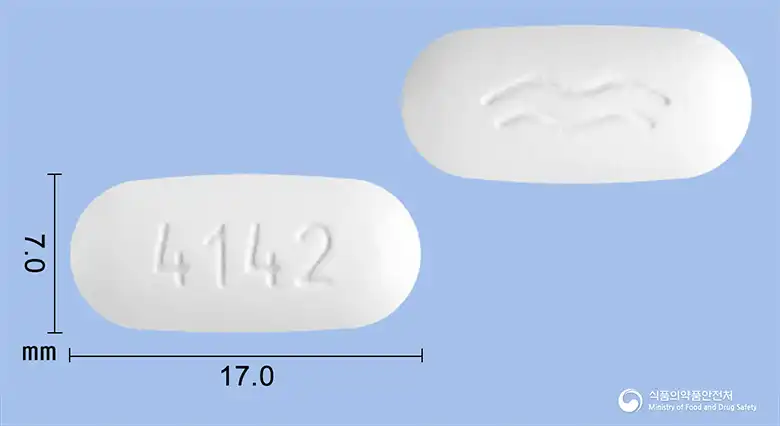
White, film-coated rectangular tablet imprinted with the number '4142' on one side and a double wave pattern on the other side.
Package unit
60 tablets [10 tablets/blister x 6] / box
Questions about this medicine
No questions yet.
For anything that needs medical judgment, consult a doctor or pharmacist.