
 한국어
한국어 English
 日本語
日本語 中文(简体)
 Viewing now
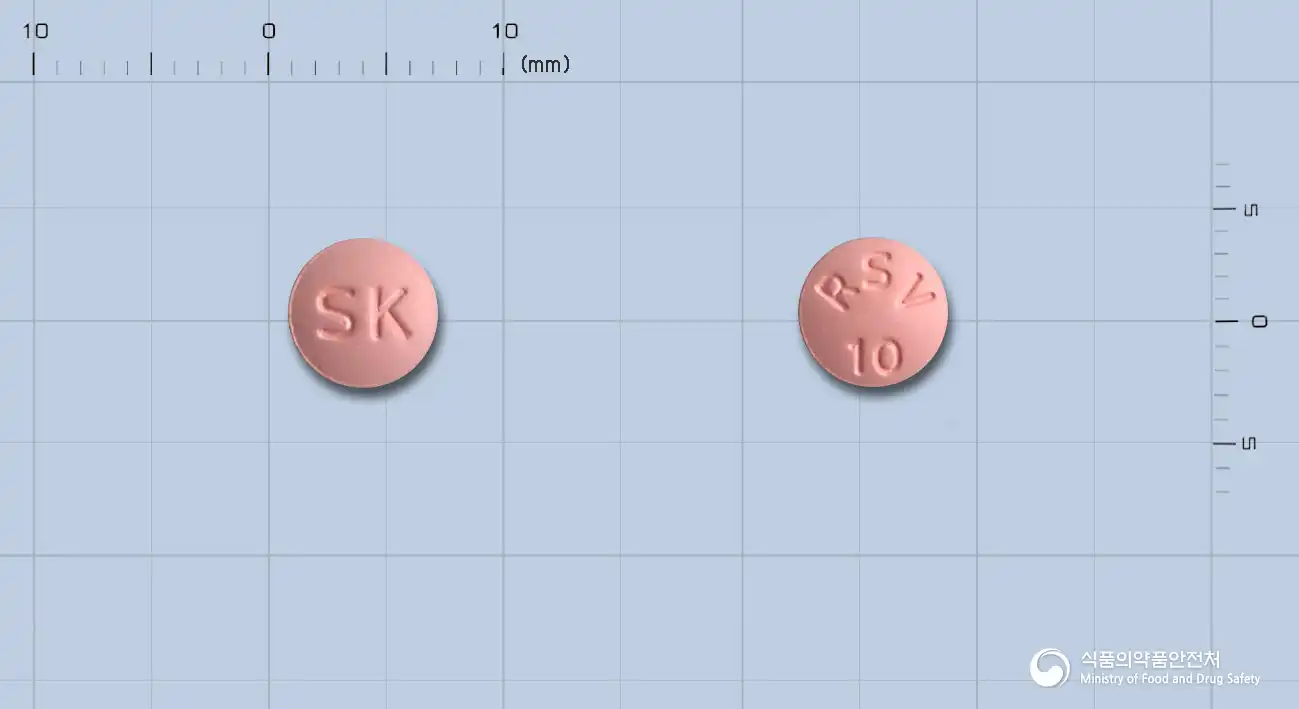
Astroten 10 mg (Rosuvastatin Calcium)
Rosuvastatin Calcium 10.4mg
Tablet · Prescription medication
SK Chemicals Co., Ltd.
MFDS item code 201001029 · Approved 2010.01.29 · Insurance code 644703330
Treatment of hypercholesterolemia and dyslipidemia (primary, familial) and reduction of cardiovascular disease risk
This medication is primarily used as an adjunct in patients with primary hypercholesterolemia, mixed hyperlipidemia, and specific familial hypercholesterolemia who are not adequately controlled by diet and exercise. In pediatric patients, it is also used as an adjunct to diet in cases of elevated LDL cholesterol levels and risk factors for early cardiovascular disease. Additionally, this drug helps lower total cholesterol and LDL cholesterol in patients with hypercholesterolemia, thereby delaying the progression of atherosclerosis. It is also used as an adjunct to diet in patients with primary dysbetalipoproteinemia. Moreover, it contributes to reducing the risk of stroke, myocardial infarction, and vascular revascularization in men aged 50 and older and women aged 60 and older who have certain cardiovascular risk factors. It is an effective medication for improving various dyslipidemias and cardiovascular disease risks.
This medication can be taken at any time of the day, with or without food. The initial dosage is 5 mg once daily, which can be adjusted to a maintenance dose of up to 10 mg once daily if needed. The maintenance dose should be appropriately adjusted based on LDL cholesterol levels, treatment goals, and the patient’s response, with a maximum daily dose of 20 mg possible after 4 weeks or longer intervals.
For pediatric patients with heterozygous familial hypercholesterolemia (aged 10 to 17 years), the usual dosage range is once daily 5 mg to 20 mg. The dosage should be adjusted according to individual treatment goals.
This medication should not be used in certain patients. For example, it is contraindicated in patients who are allergic to any of the components of this medication, have severe hepatic impairment, or have muscle disorders. It should also be avoided in patients with significantly impaired renal function, pregnant or breastfeeding women, and women of childbearing age who do not use appropriate contraceptive methods. Because this medication can affect liver function and muscles, it is important for patients with a history of hepatic disease or high alcohol consumption to have multiple liver function tests before administration. If symptoms of muscle pain or weakness occur, it is crucial to consult a doctor immediately, and in severe cases, the medication should be discontinued. This medication contains lactose, so it is not suitable for patients with lactose intolerance or specific genetic diseases. Furthermore, due to numerous interactions with other medications, patients should inform their doctor or pharmacist of any other medications they are currently taking. Particularly, the risk of muscle-related side effects may increase when taken with certain antiviral agents, immunosuppressants, antifungals, and antibiotics. Pregnant or breastfeeding women should not use this medication, and women who may become pregnant should use appropriate contraceptive methods during treatment. In case of overdose, there is no specific antidote, so treatment should be based on symptoms, and liver function as well as muscle enzyme levels should be monitored regularly. Serious side effects, such as interstitial lung disease, severe liver damage, myopathy, kidney problems, etc. can occur rarely, so if any abnormal symptoms appear, immediate consultation with healthcare professionals is necessary. Caution is needed when driving or operating machinery as dizziness may occur. Finally, this medication may exhibit higher concentrations in Asian populations, potentially necessitating dosage adjustments.
Not everyone experiences these, and they can vary from person to person.
This medication should be stored in a tightly sealed container to prevent exposure to air and moisture. It is advisable to maintain a storage temperature between 1 to 30 degrees Celsius at room temperature to preserve the drug's efficacy and safety over time.
Pink round film-coated tablet
30 tablets/bottle
Even with the same ingredient, strength, dosage form and how it is taken can differ.
Viewing nowRosuvastatin Calcium 10.4mg
Tablet · Prescription medication
SK Chemicals Co., Ltd.
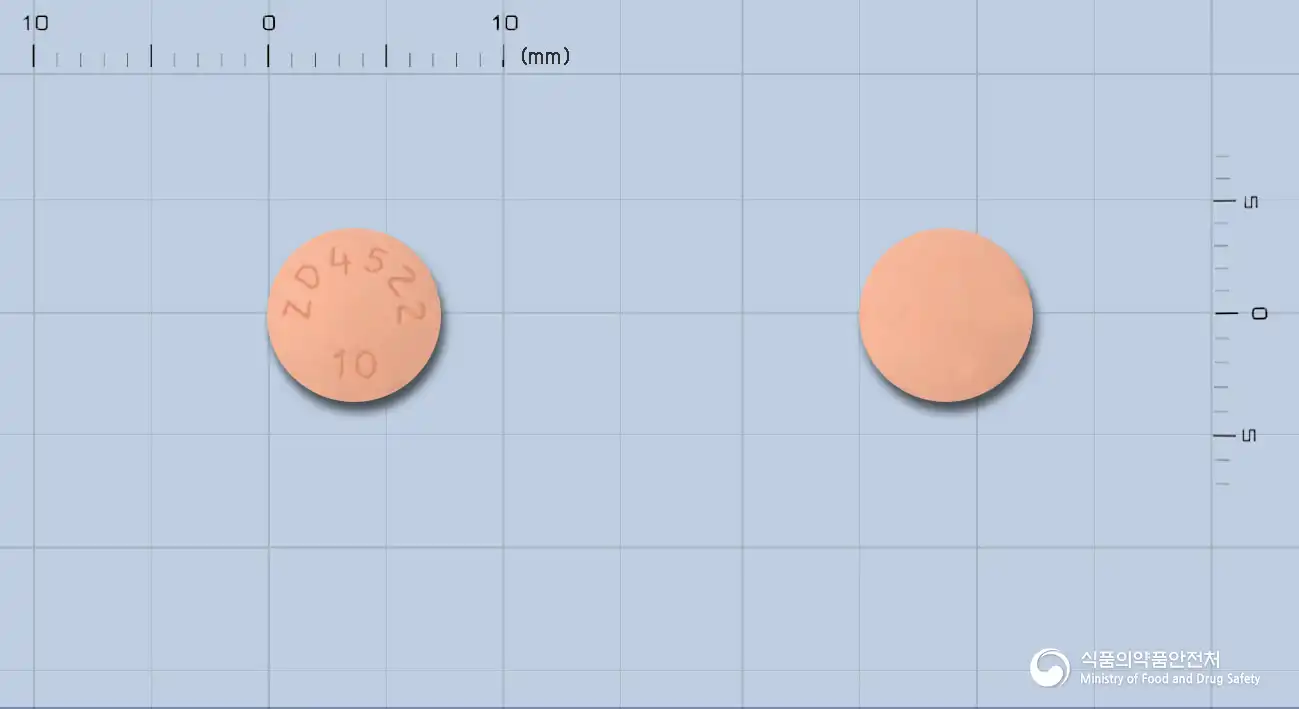
Rosuvastatin Calcium 10.4mg
Tablet · Prescription medication
AstraZeneca Korea Co., Ltd.
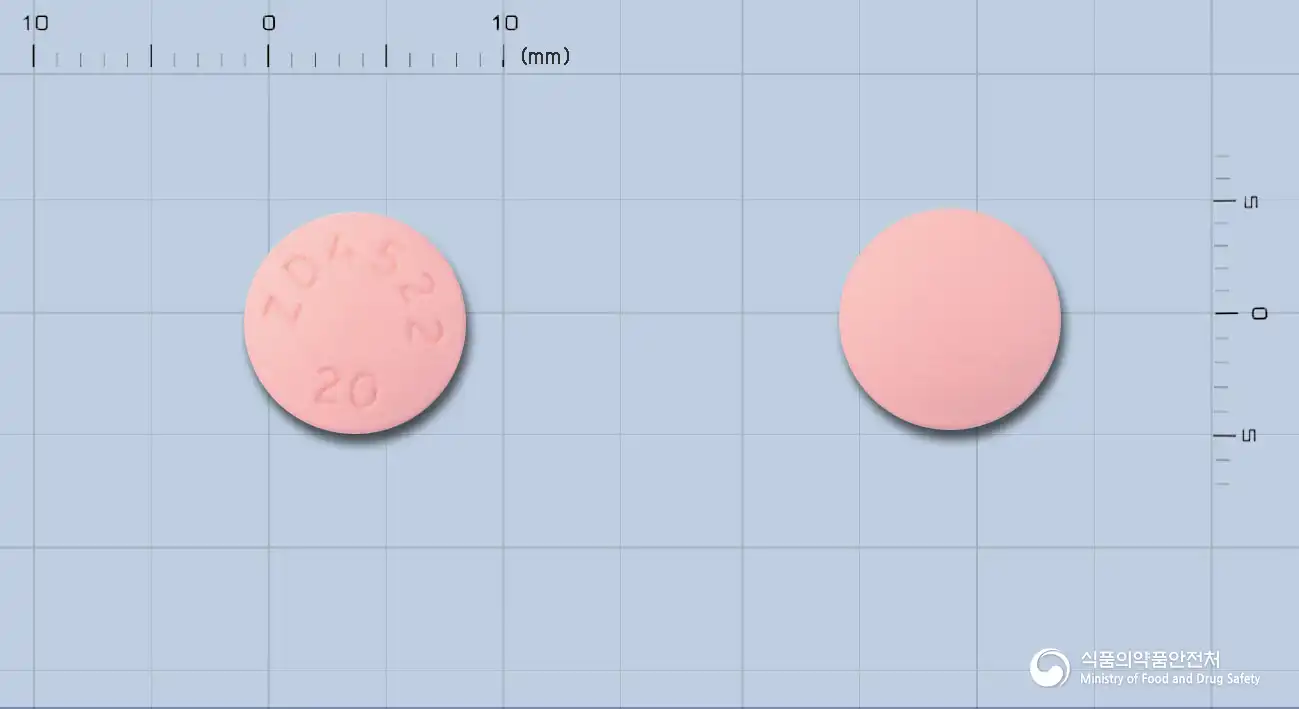
Rosuvastatin Calcium 20.8mg
Tablet · Prescription medication
AstraZeneca Korea Co., Ltd.
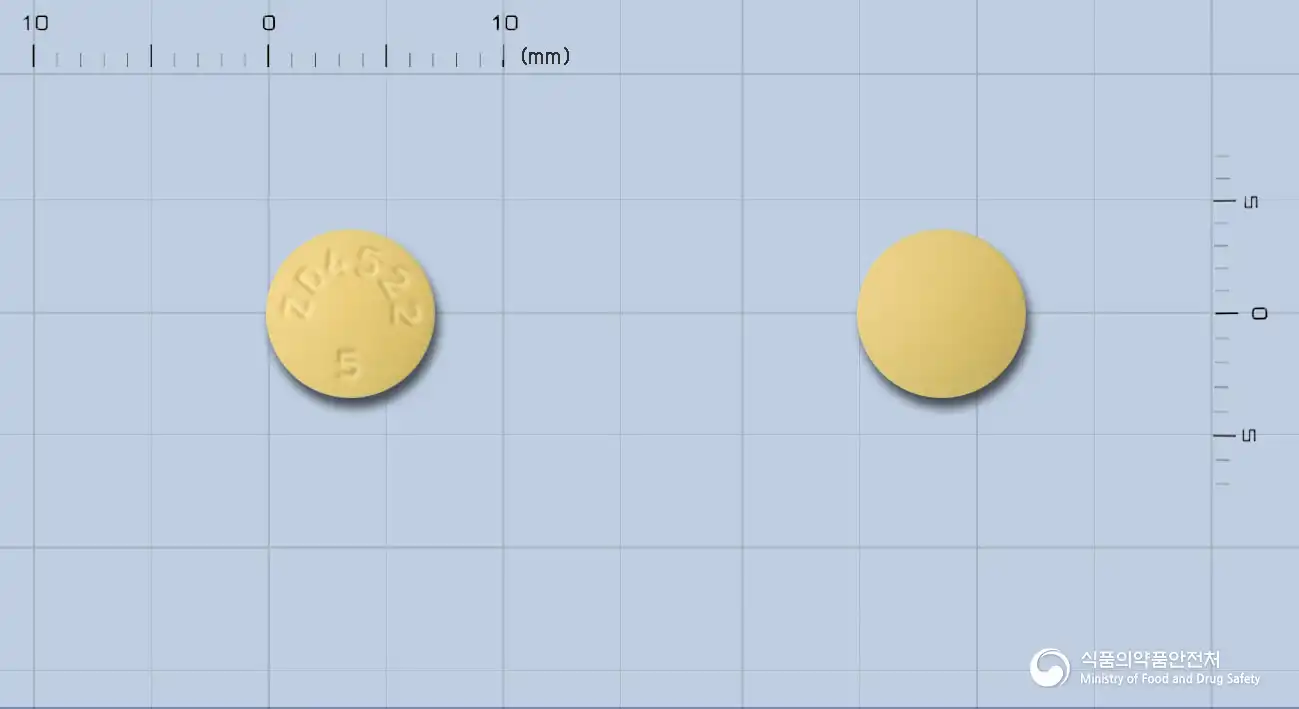
Rosuvastatin Calcium 5.2mg
Tablet · Prescription medication
AstraZeneca Korea Co., Ltd.
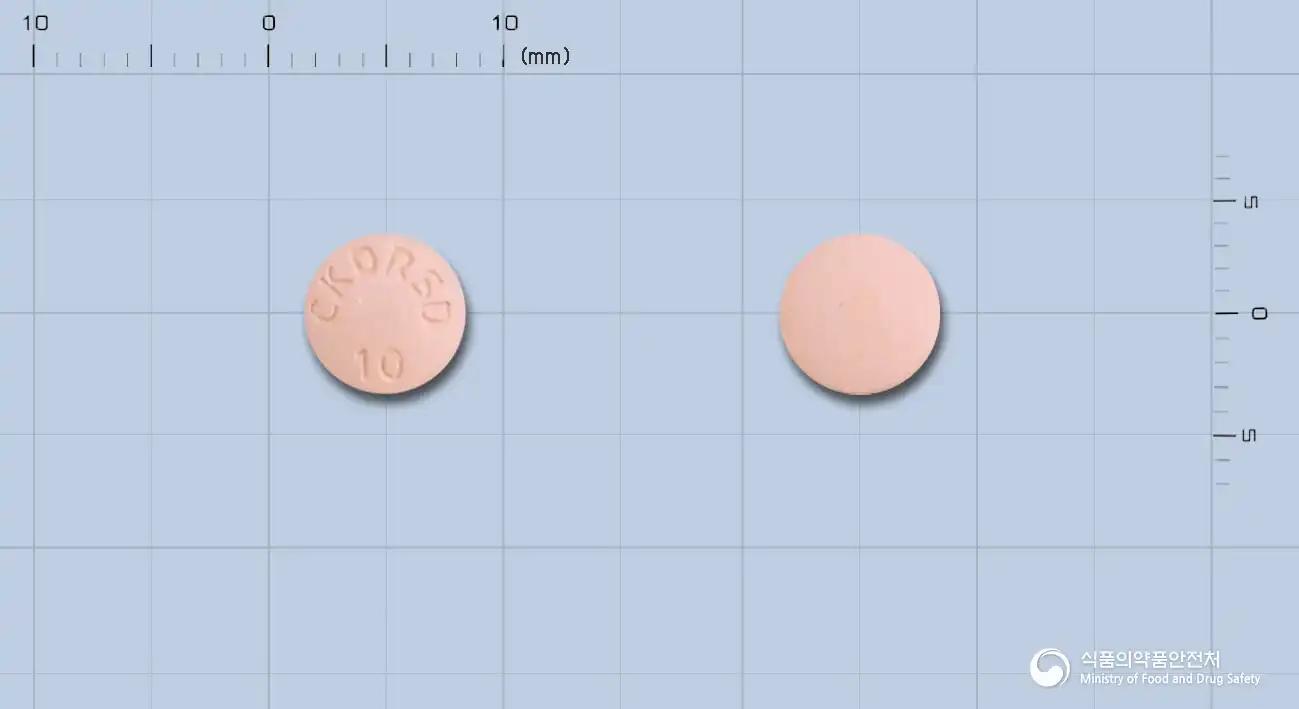
Rosuvastatin Calcium 10.4mg
Tablet · Prescription medication
Chong Kun Dang Pharmaceutical Corp.
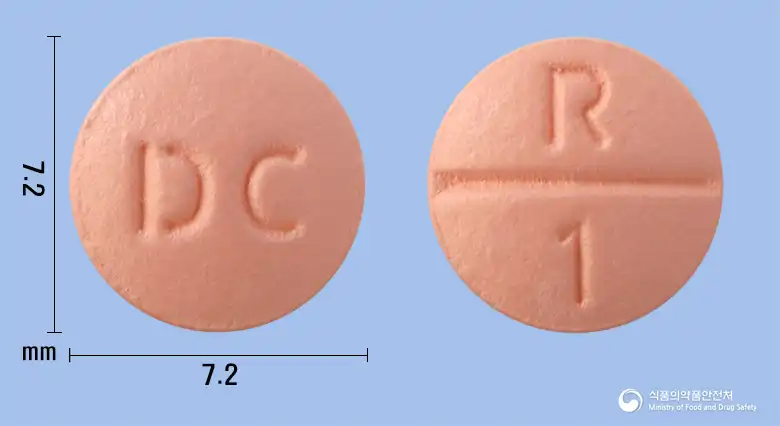
Rosuvastatin Calcium 10.4mg
Tablet · Prescription medication
Dong Gu Bio Pharmaceutical Co., Ltd.
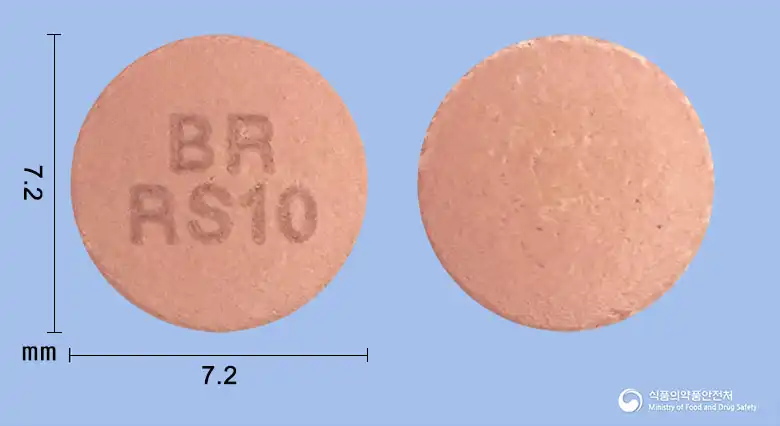
Rosuvastatin Calcium 10.4mg
Tablet · Prescription medication
Boryung Pharmaceutical Co., Ltd.
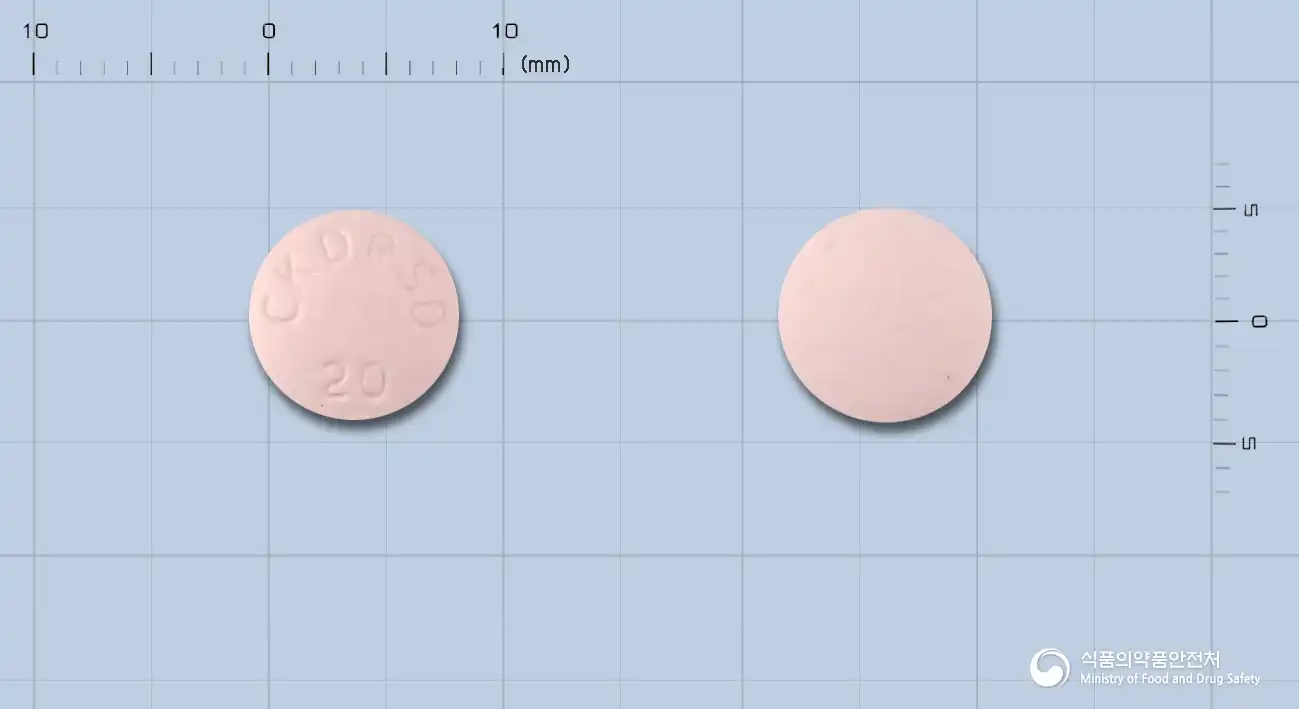
Rosuvastatin Calcium 20.8mg
Tablet · Prescription medication
Jongkundang Co., Ltd.
Even with the same ingredient, the dose and directions can differ by strength and dosage form. Talk to a doctor or pharmacist before switching from a medication you are already taking.
No questions yet.
For anything that needs medical judgment, consult a doctor or pharmacist.
This drug information is based on data provided by the Korea Ministry of Food and Drug Safety.
Consult a doctor or pharmacist for accurate dosage, administration, and usage instructions.