
 한국어
 English
 日本語
 中文(简体)
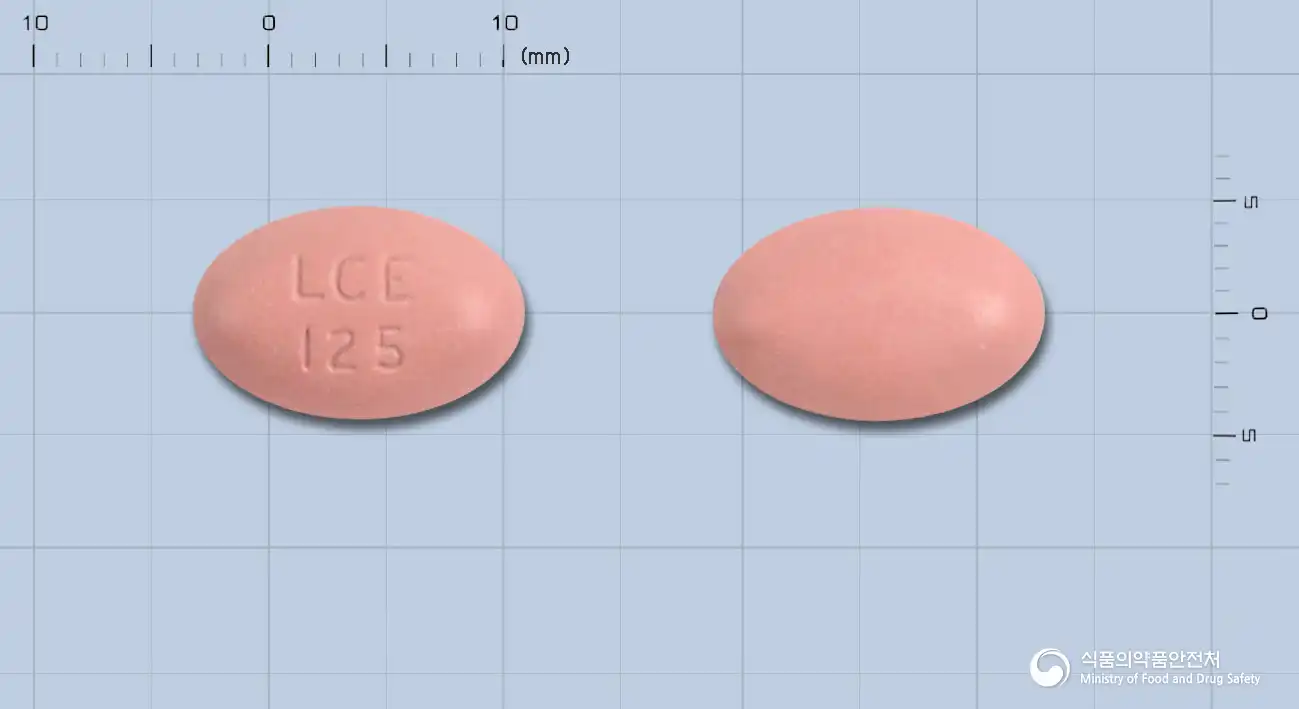 Viewing nowCombination
Stalevo Film-Coated Tablet 125/31.25/200 mg
Entacapone 200mg · Levodopa 125mg +1 more
Tablet · Prescription medication · Combination
Albazen Korea Co., Ltd.
MFDS item code 200908500 · Notified 2009.12.07 · Insurance code 652606900
Treatment of motor fluctuations in Parkinson's disease not improved with existing standard therapy
Levodopa/Carboxylase inhibitors are used to improve motor fluctuation symptoms in Parkinson's disease patients who do not respond to standard treatment. This medication enhances the patient's motor function by increasing the concentration of levodopa in the blood, facilitating dopamine supply to the brain. It particularly alleviates symptoms that occur when the effect of the medication diminishes, thereby improving the quality of daily life. Therefore, it effectively manages the symptoms of motor fluctuations in Parkinson's disease patients.
Stalevo is administered orally as 1 tablet per dose, with or without food. Each tablet is a single dose and should be swallowed whole; do not divide or crush it. The appropriate daily dose for each patient should be determined carefully by adjusting the levodopa dose. It is preferable to select one of the available Stalevo strengths (50/12.5/200mg, 75/18.75/200mg, 100/25/200mg, 125/31.25/200mg, 150/37.5/200mg, or 200/50/200mg of levodopa/carbidopa/entacapone, respectively) and take 1 tablet per dose. Instruct patients to take only 1 tablet per dose. Patients taking 70mg~100mg or less of carbidopa per day are prone to nausea and vomiting. Experience with total daily carbidopa doses of 200mg or more is limited, whereas the maximum recommended daily dose of entacapone is 2000mg and the maximum recommended daily dose of levodopa is 1500mg. Therefore, the maximum recommended daily dose is 10 tablets for Stalevo 50/12.5/200mg, 75/18.75/200mg, 100/25/200mg, 125/31.25/200mg, and 150/37.5/200mg, and 7 tablets for Stalevo 200/50/200mg. In general, Stalevo can be used in patients currently being treated with a standard levodopa/dopa decarboxylase inhibitor formulation at the same strength as Stalevo, together with entacapone. 1. Switching patients currently receiving a standard levodopa/dopa decarboxylase inhibitor (carbidopa or benserazide) and entacapone to Stalevo: 1) Patients currently receiving a standard levodopa/carbidopa formulation and entacapone at strengths corresponding to those in Stalevo may switch directly to Stalevo. For example, a patient taking levodopa/carbidopa 50/12.5mg and entacapone 200mg 4 times daily may instead take 1 tablet of Stalevo 50/12.5/200mg 4 times daily. 2) For patients currently receiving a standard levodopa/carbidopa formulation and entacapone at strengths that do not correspond to those in Stalevo, carefully titrate the dose to achieve optimal clinical effect. The initial Stalevo dose should be set to be as close as possible to the patient's current total daily levodopa dose. 3) When switching patients receiving a standard levodopa/benserazide formulation and entacapone to Stalevo, discontinue levodopa/benserazide on the night before starting treatment and begin Stalevo the following morning. Start treatment with a Stalevo dose corresponding to an amount of levodopa equal to, or slightly (5~10%) greater than, the amount the patient had previously been receiving. 2. Switching patients not currently taking entacapone to Stalevo: For patients with Parkinson's disease whose end-of-dose motor fluctuations are not improved by standard levodopa/dopa decarboxylase inhibitor therapy, Stalevo at a dose equivalent to their current treatment may be considered. However, directly switching from standard levodopa/dopa decarboxylase inhibitor therapy to Stalevo is not recommended in patients with dyskinesia or those taking a daily levodopa dose of 800mg or more. In these patients, before switching to Stalevo, it is preferable to administer entacapone as a separate tablet and adjust (reduce) the levodopa dose if necessary. Entacapone enhances the effects of levodopa. Therefore, particularly in patients with dyskinesia, it may be necessary to reduce the levodopa dose by approximately 10-30% within 1 day to 1 week after starting Stalevo. The daily levodopa dose may be reduced by extending the dosing interval or reducing the levodopa dose per administration, depending on the patient's clinical condition. 3. Dose adjustment during treatment If an increase in levodopa is needed, increase the frequency of Stalevo administration according to the dosage and administration instructions described above, or consider increasing the dose within the recommended range. If a reduction in levodopa is needed, reduce the total daily Stalevo dose by extending the dosing interval and reducing the frequency of administration, or by reducing the Stalevo dose per administration. If other levodopa products are administered concomitantly with Stalevo, follow the maximum recommended dose. - Discontinuation of Stalevo: When Stalevo (levodopa/carbidopa/entacapone) is discontinued and the patient is switched to a levodopa/dopa decarboxylase inhibitor, adjustment of other antiparkinsonian medications, particularly the levodopa dose, is necessary to control Parkinson's disease symptoms. - Older adults: Dose adjustment of Stalevo is not required in older adults. - Patients with hepatic impairment: Stalevo should be administered with caution to patients with mild or moderate hepatic impairment. Dose adjustment (reduction) may be necessary. - Renal impairment: Renal impairment does not affect the pharmacokinetics of entacapone. There are no specific reports on the pharmacokinetics of levodopa and carbidopa in patients with renal impairment. Stalevo should be administered with caution to patients with severe renal impairment, including those receiving dialysis.
Patients aged 18 years and younger: The safety and efficacy of Stalevo in patients aged 18 years and younger have not been evaluated. Therefore, administration of Stalevo is not recommended for patients aged 18 years and younger.
This medication is used to treat Parkinson's disease and helps improve motor symptoms. While taking this medication, severe muscle problems such as rhabdomyolysis or neuroleptic malignant syndrome can rarely occur, so if symptoms such as muscle rigidity, high fever, or changes in mental state appear, medical consultation should be sought immediately. This medication should not be administered to patients with certain diseases or conditions, especially those with severe liver impairment, pregnant or nursing women, glaucoma patients, and those with hypersensitivity. Patients with liver or kidney function issues, cardiovascular diseases, gastrointestinal ulcers, or a history of mental illness should use this medication cautiously, and healthcare providers may adjust the dosage if necessary. This medication can cause side effects related to dopamine such as drowsiness, dizziness, and impulse control disorders (e.g., pathological gambling, binge eating), so it is advisable to avoid driving or operating hazardous machinery while on treatment. Additionally, this medication may interact with various drugs, so if you are taking other medications, you must inform your healthcare provider, especially when used in conjunction with certain antidepressants or antipsychotics, caution is required. If taken for a long period, regular liver function tests, blood tests, and heart and kidney function tests should be conducted, and any abnormal symptoms should be reported immediately. In case of overdose, immediate hospital visit for appropriate treatment is required; self-treatment should be avoided. This medication should not be used during pregnancy or breastfeeding; women should definitely consult their healthcare provider if they plan to become pregnant or are pregnant.
Not everyone experiences these, and they can vary from person to person.
This medication may be sensitive to air or moisture, so it must be stored in a tightly sealed container. The storage temperature should be kept between 1 and 30 degrees Celsius at room temperature. This helps to maintain the medication's effectiveness safely for a long time.
Bright reddish-brown oval film-coated tablet
30 tablets (30 tablets/bottle)
Even with the same ingredient, strength, dosage form and how it is taken can differ.
Viewing nowCombinationEntacapone 200mg · Levodopa 125mg +1 more
Tablet · Prescription medication · Combination
Albazen Korea Co., Ltd.
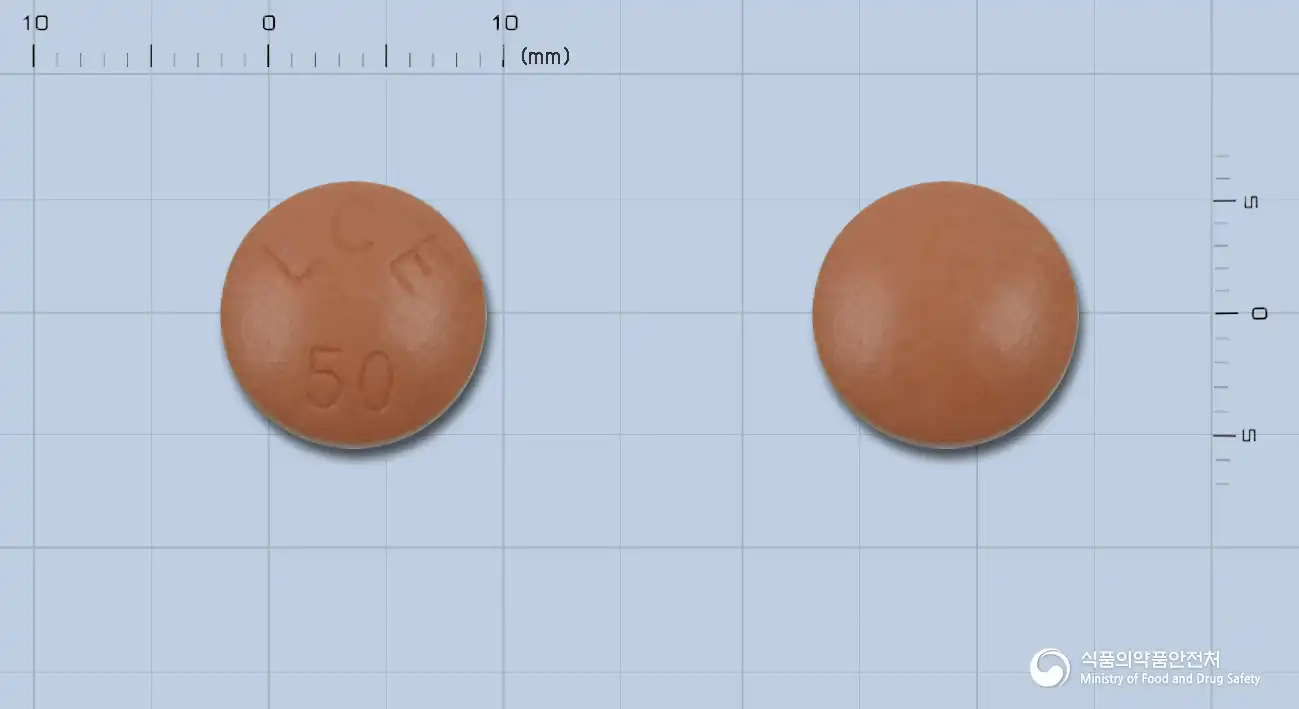 Combination
Entacapone 200mg · Levodopa 50mg +1 more
Tablet · Prescription medication · Combination
Alvogen Korea Co., Ltd.
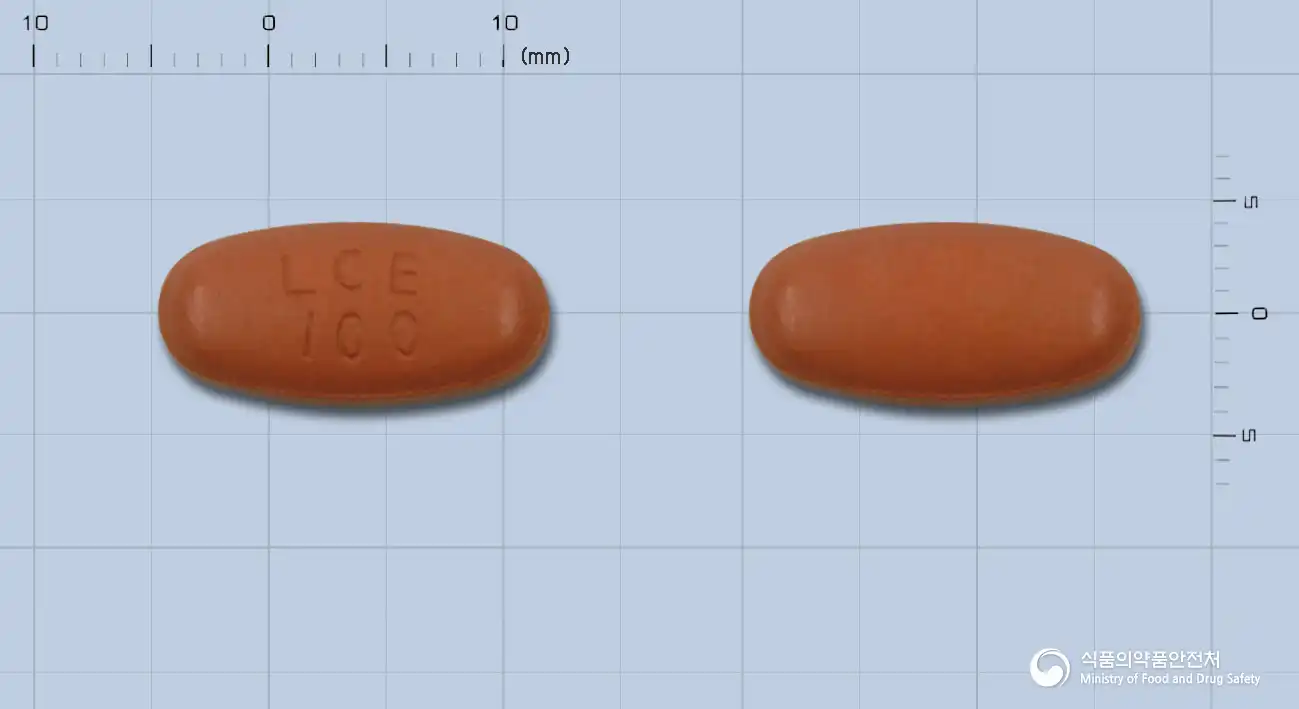 Combination
Entacapone 200mg · Levodopa 100mg +1 more
Tablet · Prescription medication · Combination
Alvogen Korea Co., Ltd.
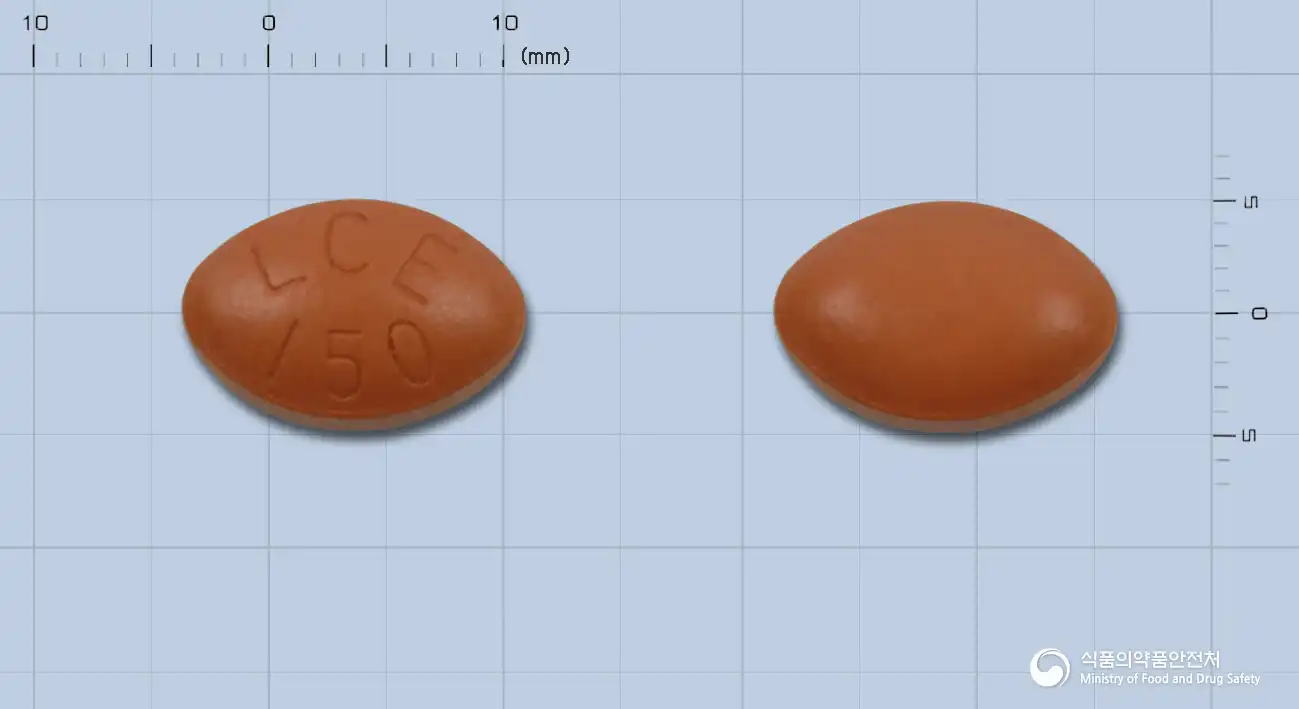 Combination
Entacapone 200mg · Levodopa 150mg +1 more
Tablet · Prescription medication · Combination
AlboGen Korea Co., Ltd.
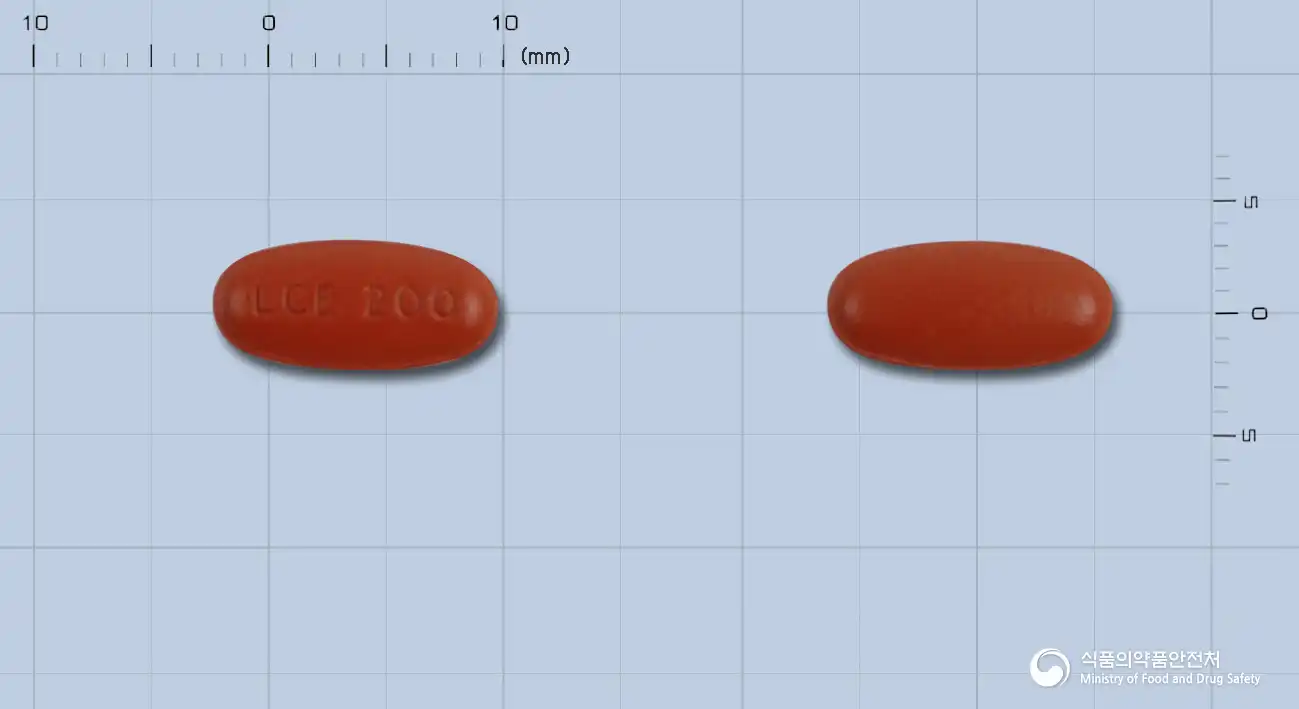 Combination
Entacapone 200mg · Levodopa 200mg +1 more
Tablet · Prescription medication · Combination
Albozen Korea Co., Ltd.
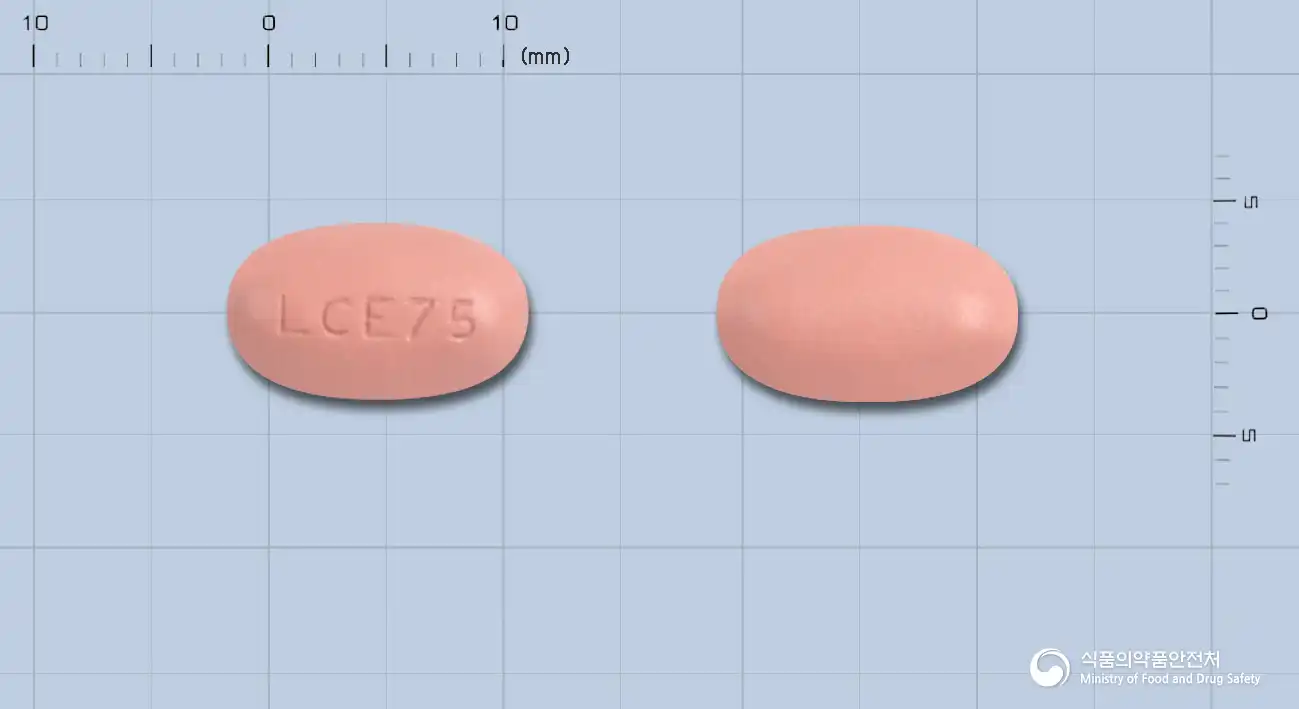 Combination
Entacapone 200mg · Levodopa 75mg +1 more
Tablet · Prescription medication · Combination
Albozen Korea Co., Ltd.
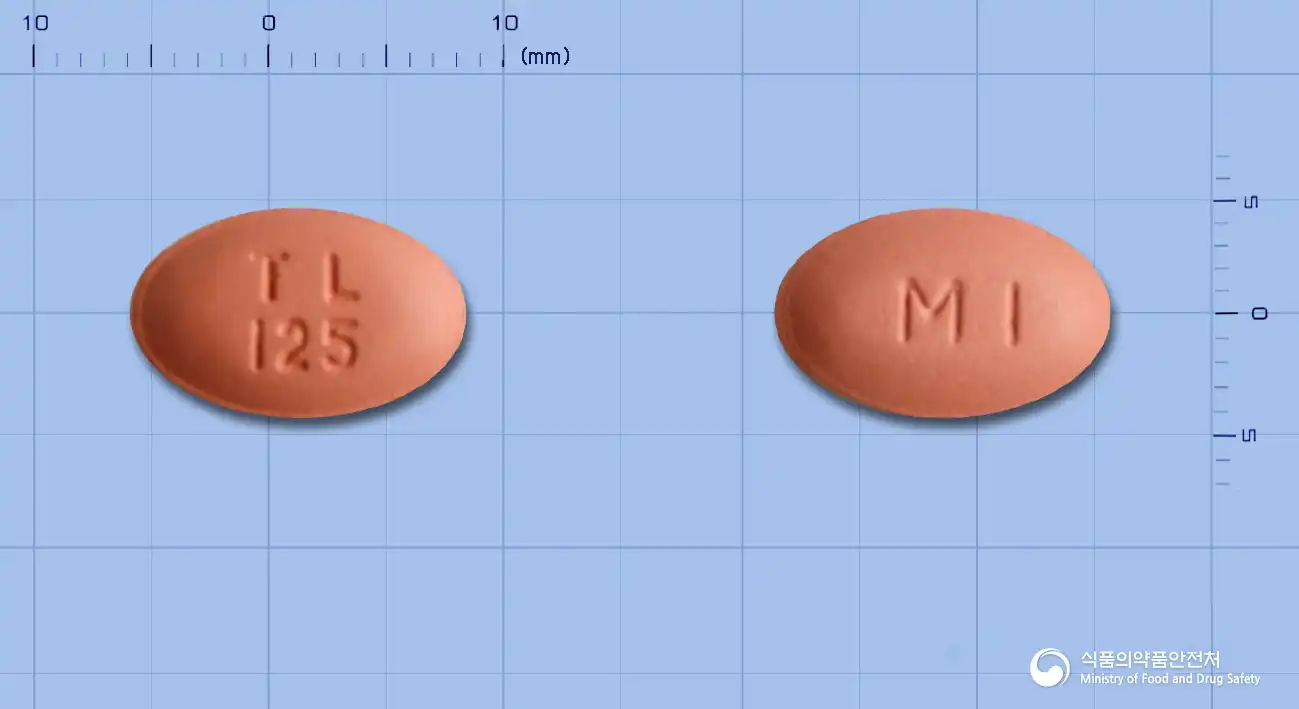 Combination
Levodopa 125mg · Carbidopa Hydrate 33.8mg +1 more
Tablet · Prescription medication · Combination
Myeongjin Pharmaceutical Co., Ltd.
Levodopa 125mg · Carbidopa Hydrate 33.8mg +1 more
Tablet · Prescription medication · Combination
Ilhwa Co., Ltd.
Even with the same ingredient, the dose and directions can differ by strength and dosage form. Talk to a doctor or pharmacist before switching from a medication you are already taking.
No questions yet.
For anything that needs medical judgment, consult a doctor or pharmacist.
This drug information is based on data provided by the Korea Ministry of Food and Drug Safety.
Consult a doctor or pharmacist for accurate dosage, administration, and usage instructions.