
 한국어
한국어 English
 日本語
日本語 中文(简体)
 Viewing nowCombination
Cospan Tablets
Pseudoephedrine Hydrochloride 60mg · Triprolidine Hydrochloride Hydrate 2.5mg
Tablet · OTC medication · Combination
Hanmi Pharmaceutical Co., Ltd.
MFDS item code 200905018 · Notified 2009.07.07
Relief of symptoms of nasal cold and allergies (sneezing, runny nose, etc.)
This medication alleviates sneezing, runny nose, and nasal congestion caused by a nasal cold, allergies, and vasomotor rhinitis. The tablets or syrup also help reduce tearing symptoms for easier breathing. The capsules are primarily used for sneezing, runny nose, and nasal congestion symptoms. Taking this medication can effectively reduce discomfort when these symptoms are present. It is used for relieving nasal-related symptoms.
Tablets: take one tablet three times a day after meals. Capsules: take one capsule three times a day after meals. Syrup: take 10 mL three times a day after meals.
Tablets: for children aged 12 to 14 years, take half a tablet three times a day after meals. Capsules: for children aged 12 to 14 years, take half a capsule three times a day after meals. Syrup: for children over 12 years old
This medication contains the ingredient pseudoephedrine, which can occasionally cause serious skin reactions such as acute generalized exanthematous pustulosis. If symptoms such as fever, redness of the skin, or blisters occur, discontinue use immediately and consult a doctor or pharmacist. This medication is contraindicated for individuals with certain health conditions. For example, those who have an allergy to this medication, or have severely impaired liver or kidney function, or severe heart disease should not take it. Also, individuals who have difficulty urinating, high blood pressure, or coronary artery disease, as well as women who are pregnant or breastfeeding, and infants under 2 years old should not take this medication. Additionally, individuals with certain genetic lactose intolerance problems should also avoid taking this medication. While taking this medication, avoid using blood pressure medications, alcohol, sleeping pills, sedatives, certain depression medications, and drugs acting on the sympathetic nervous system. If you have previously used a monoamine oxidase inhibitor, you should wait at least 15 days before taking this medication. It is advisable to avoid activities that require concentration, such as driving or operating dangerous machinery, while using this medication. Individuals with asthma, glaucoma, heart disease, diabetes, hyperthyroidism, or benign prostatic hyperplasia, as well as children under 12 years old should consult a doctor or pharmacist before taking this medication. If symptoms do not improve within 7 days or if a high fever develops, discontinue use immediately and seek professional advice. Furthermore, if adverse symptoms such as drowsiness, anxiety, hallucinations, muscle spasms, high fever, respiratory difficulties, skin rashes, vomiting, or difficulty urinating occur, discontinue use immediately and consult a doctor. In cases of overdose, symptoms such as hallucinations, seizures, nervous irritability, dizziness, and insomnia may occur, and treatments such as gastric lavage or dialysis may be necessary. Finally, this medication should be stored out of reach of children, away from direct sunlight, and in a cool, dry place, tightly sealed in its original container. Care should be taken not to transfer it to another container as this may decrease quality or lead to misuse.
Acute generalized exanthematous pustulosis (AGEP), severe rash with high fever, multiple small pustules, severe skin adverse reactions, sudden and very severe headaches, thunderclap headaches, seizures, altered consciousness, visual disturbances, ischemic colitis symptoms (sudden abdominal pain, rectal bleeding), symptoms of reversible posterior leukoencephalopathy syndrome and reversible cerebral vasoconstriction syndrome (severe headaches, thunderclap headaches, nausea, vomiting, confusion, seizures, visual impairment)
Sedation, drowsiness, central nervous system depression, central stimulation, anxiety, sweating, slight hypotension, visual disturbances, mydriasis, confusion, hallucinations, agitation, muscle spasms, rigidity, athetosis, hepatic and stiff convulsions, high fever, respiratory failure, coma, circulatory failure, skin reactions, temporary irritation pain, burning sensation, thirst, nausea, vomiting, urinary difficulty, hallucinations and seizures in case of overdose, nervous irritability, dizziness, insomnia
Not everyone experiences these, and they can vary from person to person.
Do not take this medication together with MAO inhibitors, antihypertensives, central nervous system depressants (sleeping pills, sedatives, anxiolytics), sympathomimetics, tricyclic antidepressants, guanethidine, bretylium, beta-noradrenergic agents, debrisoquine, methyldopa, sympathomimetic drugs (decongestants, appetite suppressants, amphetamines), and adrenergic antagonists (inhibitors).
Do not take this medication with alcohol.
This medication is sensitive to light, so it should be stored in a dark place. Additionally, it should be kept in an airtight container to prevent air exposure, and it is best stored at room temperature between 1 degree and 30 degrees Celsius.
White round tablet
10 tablets/box [10 tablets/PTP]
Even with the same ingredient, strength, dosage form and how it is taken can differ.
Viewing nowCombinationPseudoephedrine Hydrochloride 60mg · Triprolidine Hydrochloride Hydrate 2.5mg
Tablet · OTC medication · Combination
Hanmi Pharmaceutical Co., Ltd.
Pseudoephedrine Hydrochloride 600mg · Triprolidine Hydrochloride Hydrate 25mg
Syrup · OTC medication · Combination
Samil Pharmaceutical Co., Ltd.
 Combination
Pseudoephedrine Hydrochloride 60mg · Triprolidine Hydrochloride Hydrate 2.5mg
Tablet · OTC medication · Combination
Samil Pharmaceutical Co., Ltd.
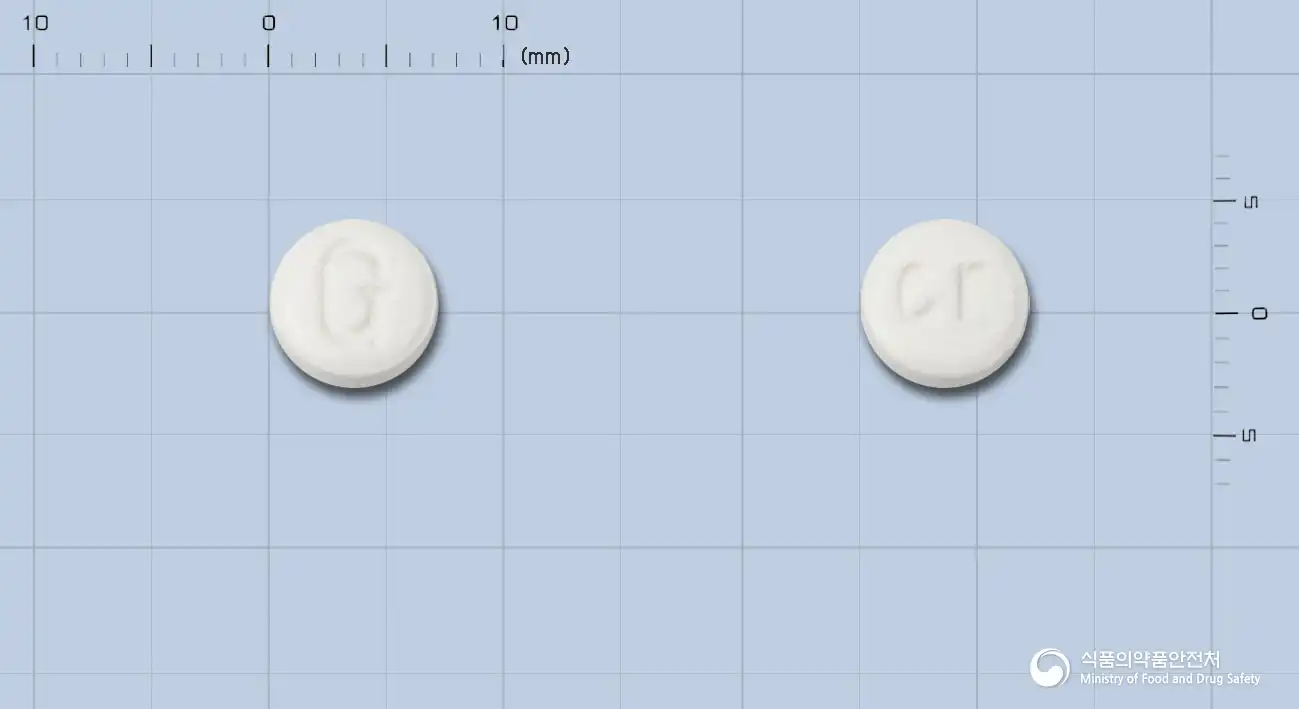 Combination
Triprolidine Hydrochloride Hydrate 2.5mg · Pseudoephedrine Hydrochloride 60mg
Tablet · OTC medication · Combination
GL Pharma Co., Ltd.
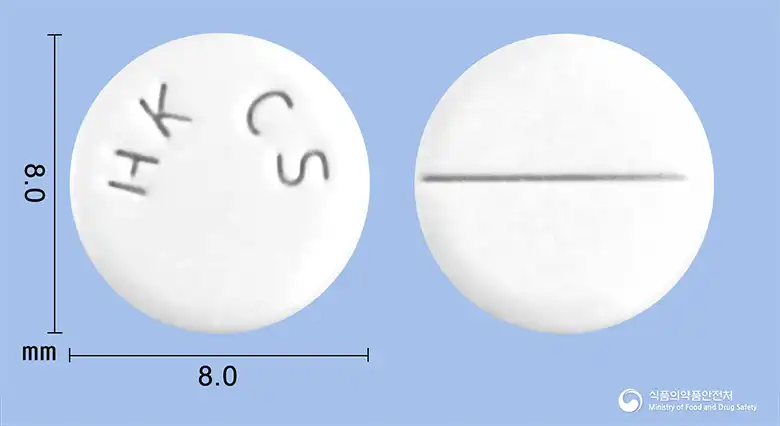 Combination
Triprolidine Hydrochloride 2.5mg · Pseudoephedrine Hydrochloride 60mg
Tablet · OTC medication · Combination
Korea Chorus Co., Ltd.
 Combination
Pseudoephedrine Hydrochloride 60mg · Triprolidine Hydrochloride Hydrate 2.5mg
Tablet · OTC medication · Combination
Aprogen Biologics Inc.
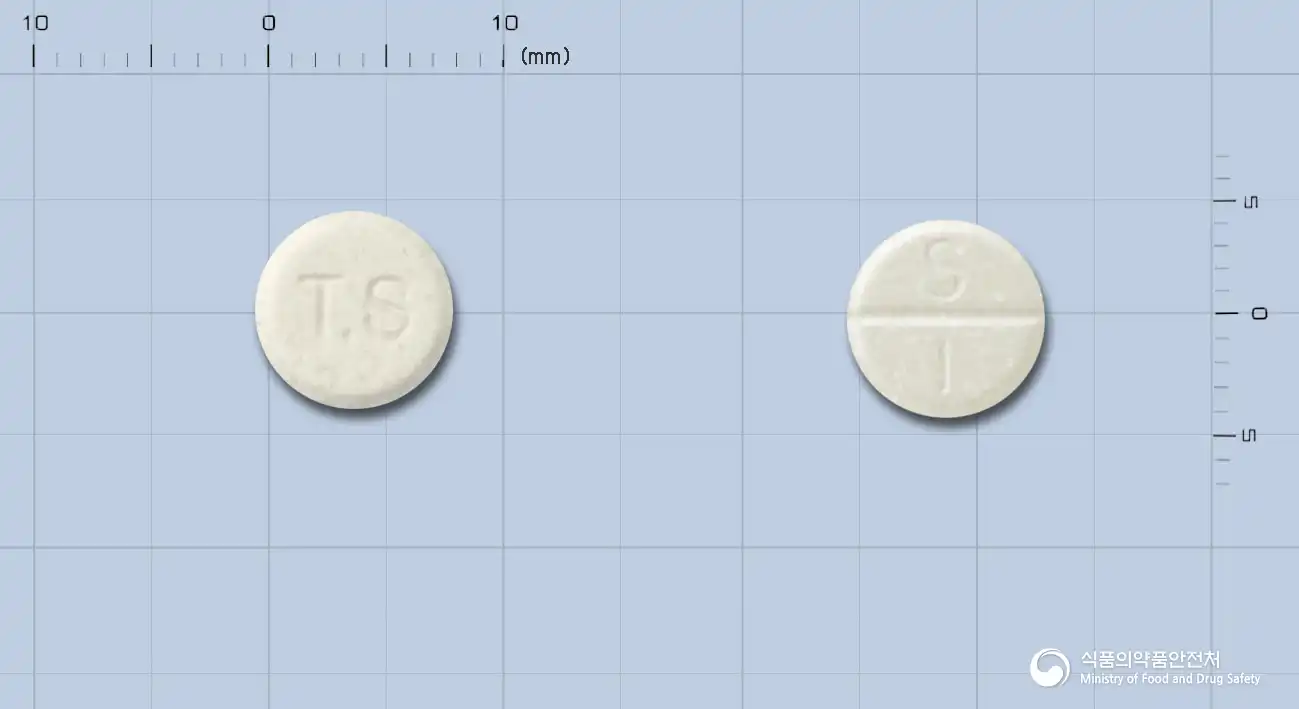 Combination
Triprolidine Hydrochloride Hydrate 2.5mg · Pseudoephedrine Hydrochloride 60mg
Tablet · OTC medication · Combination
Shinil Pharmaceutical Co., Ltd.
Triprolidine Hydrochloride 25mg · Pseudoephedrine Hydrochloride 600mg
Syrup · OTC medication · Combination
Hanmi Pharmaceutical Co., Ltd.
Even with the same ingredient, the dose and directions can differ by strength and dosage form. Talk to a doctor or pharmacist before switching from a medication you are already taking.
No questions yet.
For anything that needs medical judgment, consult a doctor or pharmacist.
This drug information is based on data provided by the Korea Ministry of Food and Drug Safety.
Consult a doctor or pharmacist for accurate dosage, administration, and usage instructions.