
 한국어
 English
 日本語
 中文(简体)
 Viewing now
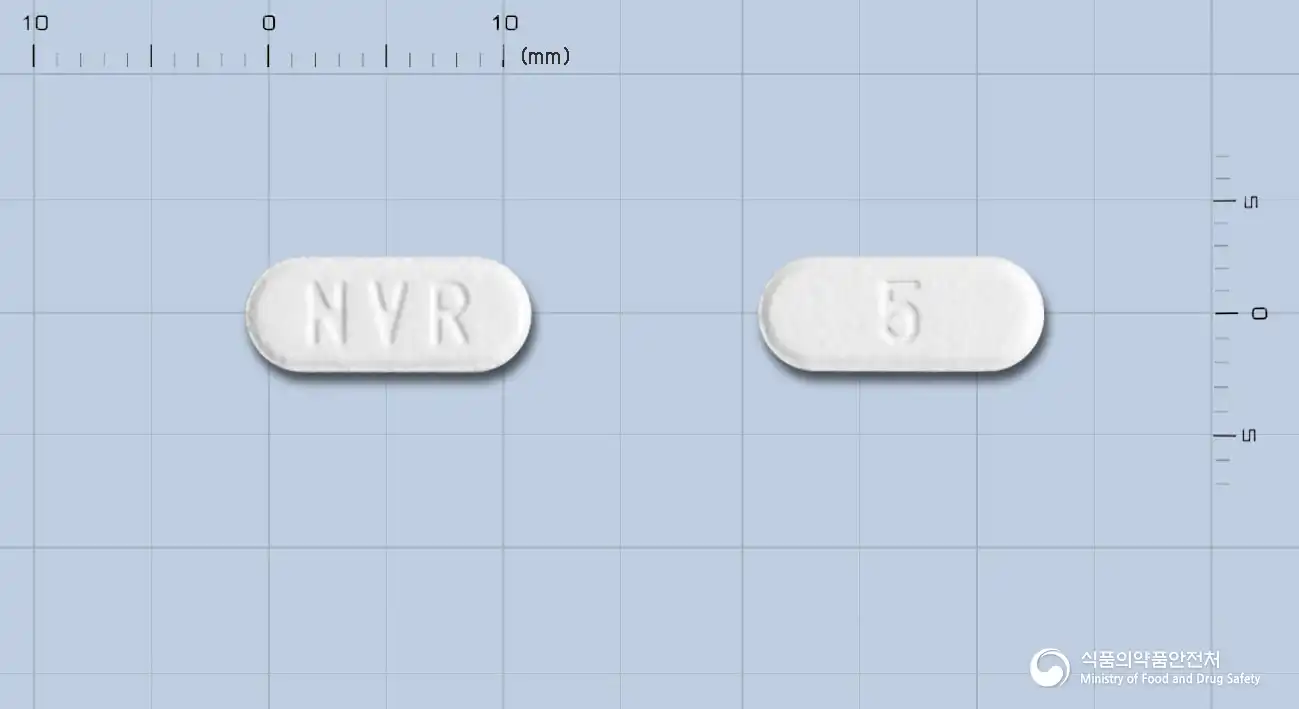
Afinitor Tablet 5 mg (Everolimus)
Everolimus 5mg
Tablet · Prescription medication
Novartis Korea Co., Ltd.
MFDS item code 200904536 · Approved 2009.06.26 · Insurance code 653601520
Treatment of cancer (including breast cancer and neuroendocrine tumors) and tumors associated with tuberous sclerosis
This medication is used in postmenopausal women with estrogen receptor-positive and HER-2 negative locally advanced or metastatic breast cancer, particularly when treatment with non-steroidal aromatase inhibitors is ineffective, in combination with exemestane. It is also effective in treating progressive neuroendocrine tumors originating from the pancreas and well-differentiated, non-functioning neuroendocrine tumors originating from the gastrointestinal tract or lungs. It is suitable for patients who have failed on VEGF-targeted therapy in progressive renal cell carcinoma. This medication is also used to treat subependymal giant cell astrocytoma and renal angiomyolipoma associated with tuberous sclerosis, especially in cases where surgery is difficult. This medication is used for various highly effective tumor treatments.
This medicine should be taken once daily at the same time each day, consistently either with food or on an empty stomach. Swallow this medicine whole with a glass of water; do not chew or crush it. If it is difficult to swallow the medicine, place it in water (approximately 30 mL) and stir well until fully dispersed (approximately 7 minutes), then drink immediately. After drinking, rinse the cup with the same amount of water and drink all of the water to ensure that the entire dose is taken. 1. Breast cancer, neuroendocrine tumors, renal cell carcinoma, and renal angiomyolipoma associated with tuberous sclerosis complex (TSC) Adult patients The recommended dose of this medicine is 10 mg orally once daily. 2. Subependymal giant cell astrocytoma (SEGA) associated with tuberous sclerosis complex (TSC) The dose is individualized based on body surface area (Body Surface Area; BSA, m2) using the DuBois formula. (W; body weight (kg), H; height (cm)) BSA = (W0.425 x H0.725) x 0.007184 Starting dose and trough blood concentration The recommended starting dose of this medicine for the treatment of patients with SEGA associated with TSC is 4.5 mg/m2. (Administer the dose using the nearest dose (n) tablets.) The dose may be achieved by combining this medicine with other strengths of this medicine. The dose should be titrated to achieve a trough blood concentration of 5-15 ng/mL. The dose should be titrated in increments of 2.5 mg to achieve a trough blood concentration for optimal clinical response. When titrating the dose, consider efficacy, safety, concomitant medications, and the current trough blood concentration. Dose titration can be calculated using a simple proportional equation: New everolimus dose = current dose x (target concentration/current concentration) For example, for a patient whose steady-state concentration is 4 ng/mL based on the current BSA and whose dose is 2.5 mg, the new everolimus dose to achieve a trough concentration of 5 ng/mL or higher (e.g., 8 ng/mL) is 5 mg (an increase of 2.5 mg from the current daily dose). The trough blood concentration should be assessed 1-2 weeks after a dose change. If the adjusted dose is not a multiple of 2.5 mg, administer the nearest dose. Dose monitoring The whole-blood concentration of everolimus should be assessed approximately 1-2 weeks after starting treatment or changing the dose. Assess SEGA volume approximately 3 months after starting this medicine, and adjust the dose based on the change in SEGA volume, the corresponding trough blood concentration, and tolerability. Once a stable dose is achieved, monitor the trough blood concentration every 3-6 months in patients whose body surface area has changed, and every 6-12 months in patients whose body surface area is stable. 3. Dose adjustment In the event of severe or intolerable adverse drug reactions, temporary dose reduction or interruption of treatment may be necessary. If dose reduction is required, approximately 50% of the previously administered dose is recommended. If reducing the dose to below the lowest dose of one tablet of this medicine, consider administration every 2 days. Elderly patients (65 years of age and older) No dose adjustment is necessary for elderly patients. Patients with renal impairment No dose adjustment is necessary for patients with renal impairment. Patients with hepatic impairment Breast cancer, neuroendocrine tumors, renal cell carcinoma, and renal angiomyolipoma associated with tuberous sclerosis complex (TSC): Mild hepatic impairment (Child-Pugh A): The recommended dose is 7.5mg once daily. If not tolerated, the dose may be reduced to 5mg. Moderate hepatic impairment (Child-Pugh B): The recommended dose is 5mg once daily. If not tolerated, the dose may be reduced to 2.5mg. Severe hepatic impairment (Child-Pugh C): Administration is not recommended. Administer only if the therapeutic benefit outweighs the risk, and do not exceed 2.5mg once daily. The dose should be adjusted if the patient's hepatic status (Child-Pugh) changes during treatment. Subependymal giant cell astrocytoma (SEGA) associated with tuberous sclerosis complex (TSC) Patients 18 years of age and older Mild hepatic impairment (Child-Pugh A): The recommended dose is 75% of the dose calculated based on BSA. (Administer the nearest dose (1 tablet).) Moderate hepatic impairment (Child-Pugh B): The recommended dose is 50% of the dose calculated based on BSA. (Administer the nearest dose (1 tablet).) Severe hepatic impairment (Child-Pugh C): Administration is not recommended. The whole-blood trough concentration of everolimus should be measured 1 - 2 weeks after starting treatment or after a change in hepatic status (Child-Pugh). The dose should be titrated to achieve a trough concentration of 5-15ng/mL. The dose should be adjusted if the patient's hepatic status (Child-Pugh) changes during treatment.
Breast cancer, neuroendocrine tumors, renal cell carcinoma, and renal angiomyolipoma associated with tuberous sclerosis complex (TSC): The safety and efficacy of this medicine have not been established in pediatric patients under 18 years of age. Subependymal giant cell astrocytoma (SEGA) associated with TSC: The recommended dose of this medicine for pediatric patients 1 year of age and older is the same as that for adult patients. Patients under 1 year of age with TSC-associated SEGA: This medicine is not recommended because it has not been studied. Patients under 18 years of age with TSC-associated SEGA who have hepatic impairment: This medicine is not recommended because it has not been studied. Subependymal giant cell astrocytoma (SEGA) associated with tuberous sclerosis complex (TSC) Patients under 18 years of age This medicine is not recommended for patients under 18 years of age with TSC-associated SEGA who have hepatic impairment.
This medication may cause a lung disease known as non-infectious pneumonia; if symptoms such as dyspnea, cough, or hypoxia appear, notify a doctor immediately. This medication suppresses immune function, making it easier to get infections; check for infections before treatment starts and seek immediate treatment if any infection symptoms arise. Be aware that hypersensitivity reactions can occur while taking this medication; notify a doctor immediately if you experience symptoms such as difficulty breathing, chest pain, or swelling of the face or tongue. Stomatitis, or inflammation or ulcers in the mouth, can commonly occur, so pay attention to oral hygiene and avoid mouthwashes with irritating ingredients. This medication can affect kidney function, so regular kidney function tests are necessary, and caution is needed if kidney function worsens. Blood sugar and lipid levels may rise, so diabetic patients should be especially vigilant with blood sugar control and may require regular blood tests. Blood cell counts may decrease, so regular blood tests are needed to check for anemia or infection risks. This medication interacts with certain enzymes (CYP3A4) and proteins (P-glycoprotein); caution and dose adjustment are needed when taking medications that inhibit or activate these enzymes. Certain fruits, such as grapefruit and grapefruit juice, may affect the efficacy of this medication, so they should be avoided during treatment. This medication is not recommended for patients with severely impaired liver function; caution is also needed for patients with moderately impaired liver function. During treatment, avoid live vaccinations and close contact with individuals who have received live vaccines. It is advisable to avoid using this medication during pregnancy, and women must employ effective contraception during and for some time after treatment. Nursing mothers should not take this medication and should avoid breastfeeding for a certain period after treatment. In case of overdose, there is no specific antidote, and general supportive treatment is required. This medication should be kept out of the reach of children and stored in its original container to prevent misuse or quality deterioration.
Non-infectious pneumonia, hypoxia, pleural effusion, cough, dyspnea, pneumonia, bacterial infection, aspergillosis, candidiasis, Pneumocystis pneumonia, viral infection, reactivation of hepatitis B virus, anaphylaxis, flushing, chest pain, vascular edema, stomatitis, oral ulcer, oral mucositis, acute kidney failure, elevated serum creatinine, proteinuria, hyperglycemia, hypercholesterolemia, hypertriglyceridemia, decreased hemoglobin, lymphocytopenia, neutropenia, thrombocytopenia, anemia, taste disorder, rash, fatigue, diarrhea, nausea, decreased appetite, pneumonia, peripheral edema, asthenia, itching, weight loss, epistaxis, headache, aphthous stomatitis, oral and tongue ulcers, glossitis, glossodynia, dry skin, nail disorders, rash, angioedema, arthralgia, renal failure, menstrual abnormalities, amenorrhea, fever, mucosal inflammation, non-cardiac chest pain, impaired wound healing, increased serum creatinine, pneumonia, pulmonary infiltration, alveolitis, pulmonary hemorrhage, pulmonary toxicity, diarrhea, vomiting, dry mouth, abdominal pain, oral pain, dyspepsia, dysphagia, erythematous rash, erythema, angioedema, rhabdomyolysis, increased daytime urination, acute kidney failure, amenorrhea, menstrual abnormalities, menorrhagia, ovarian cysts, vaginal bleeding, delayed menstruation, fever, fatigue, increased serum lactate dehydrogenase, increased serum luteinizing hormone, increased serum follicle-stimulating hormone, radiation recall phenomenon, lymphedema, phlegm disorders, leg pain, hypercalcemia, hyponatremia, leukocytosis, hypothyroidism, melena, eye hemorrhage, altered mental status, interstitial lung disease, hemoptysis, malignant neoplasm, pneumonia, thrombocytopenia, exertional dyspnea, azotemia, weight loss, peritonsillar abscess, pulmonary tuberculosis, pulmonary edema, urticaria, dizziness, hyperpigmentation of the skin, skin toxicity, hypothyroidism, deterioration of health, seizures, hyperuricemia, myalgia, eyelid edema, paralysis, peripheral neuropathy, epigastric discomfort, decreased glomerular filtration rate, blurred vision, heart failure, facial edema, otitis externa, communication disorders, generalized edema, rhinitis, cracked lips, pulmonary edema, decreased serum sodium, decreased serum albumin, increased serum creatinine, duodenal ulcer hemorrhage, skin ulcer, hematuria, lack of efficacy, decreased serum calcium, decreased serum uric acid, increased serum lactate dehydrogenase, decreased serum calcium, decreased serum albumin, increased serum creatinine
Not everyone experiences these, and they can vary from person to person.
This medication should be stored in a tightly closed container that is well-ventilated, and the temperature should be maintained between 1 to 30 degrees Celsius. Additionally, avoid moisture and store away from direct sunlight.
White to light yellowish rectangular tablet
30 tablets (10 tablets/PTP packaging x 3)
Even with the same ingredient, strength, dosage form and how it is taken can differ.
Viewing nowEverolimus 5mg
Tablet · Prescription medication
Novartis Korea Co., Ltd.
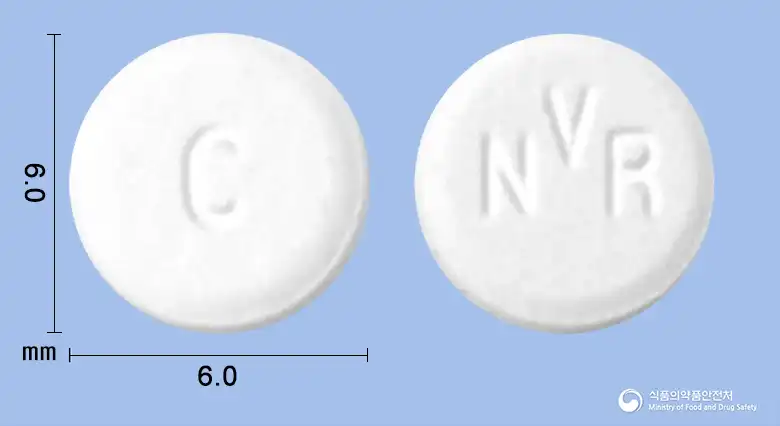
Everolimus 0.25mg
Tablet · Prescription medication
Korea Novartis Co., Ltd.
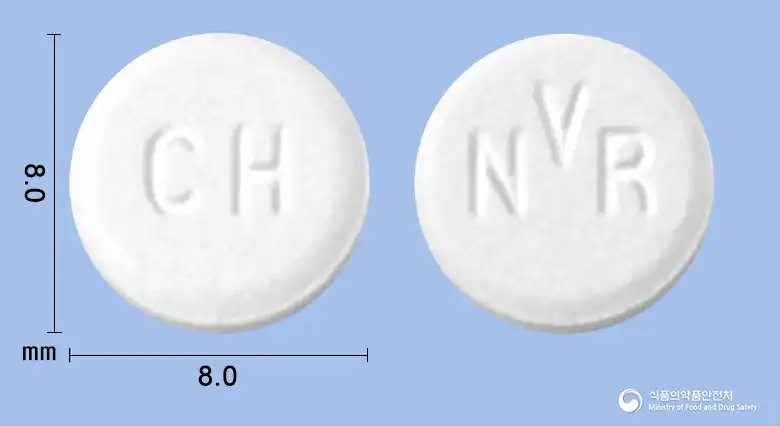
Everolimus 0.5mg
Tablet · Prescription medication
Korea Novartis Co., Ltd.
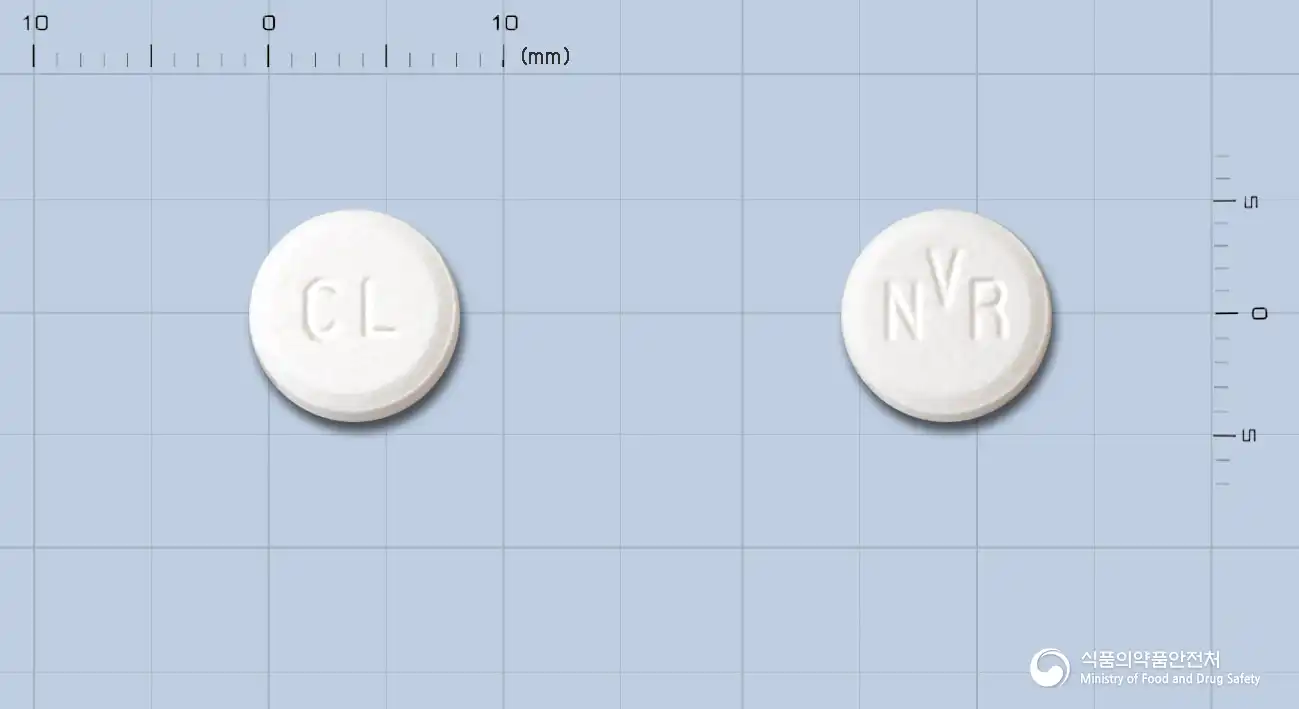
Everolimus 0.75mg
Tablet · Prescription medication
Novartis Korea Co., Ltd.
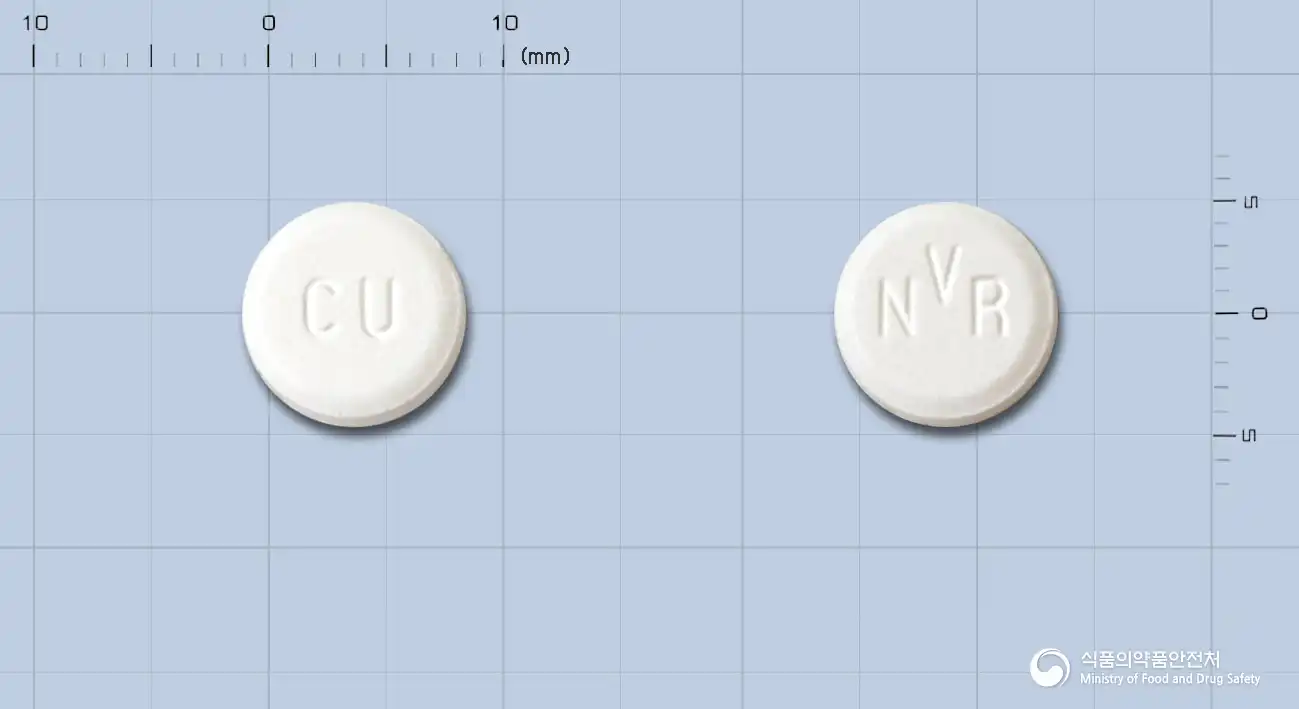
Everolimus 1mg
Tablet · Prescription medication
Novartis Korea Co., Ltd.
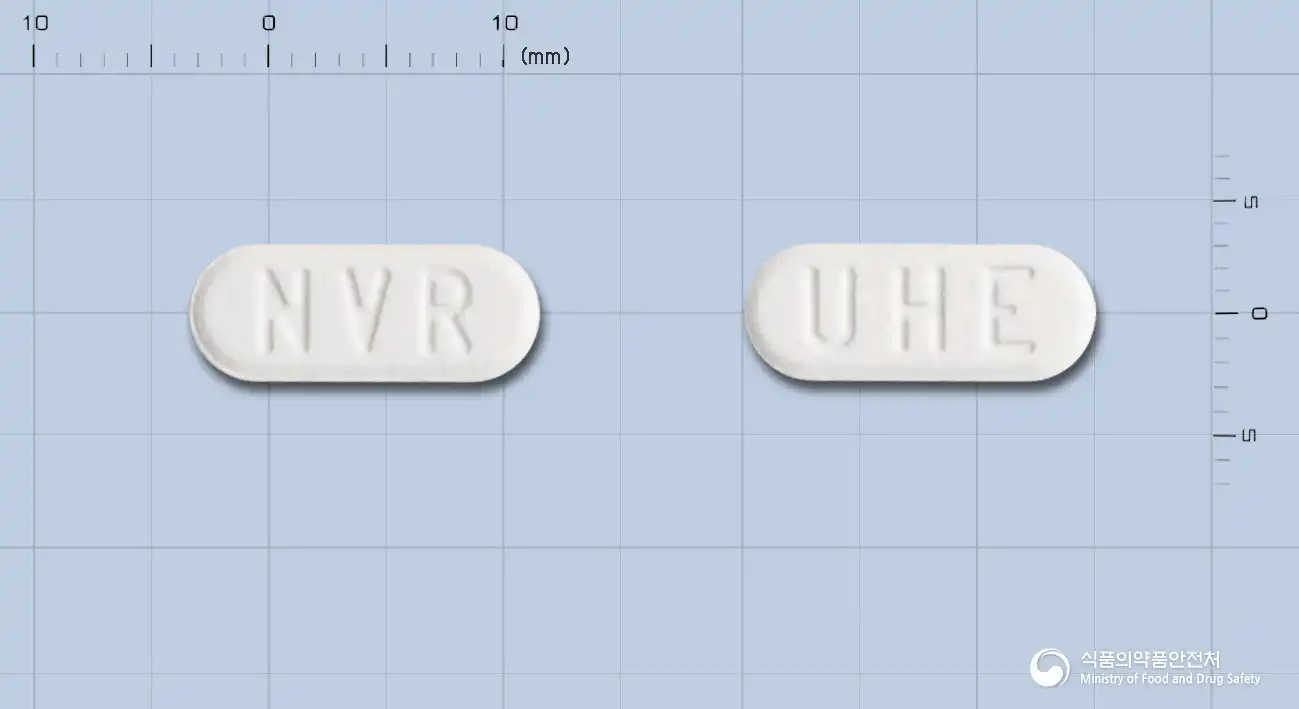
Everolimus 10mg
Tablet · Prescription medication
Novartis Korea Co., Ltd.
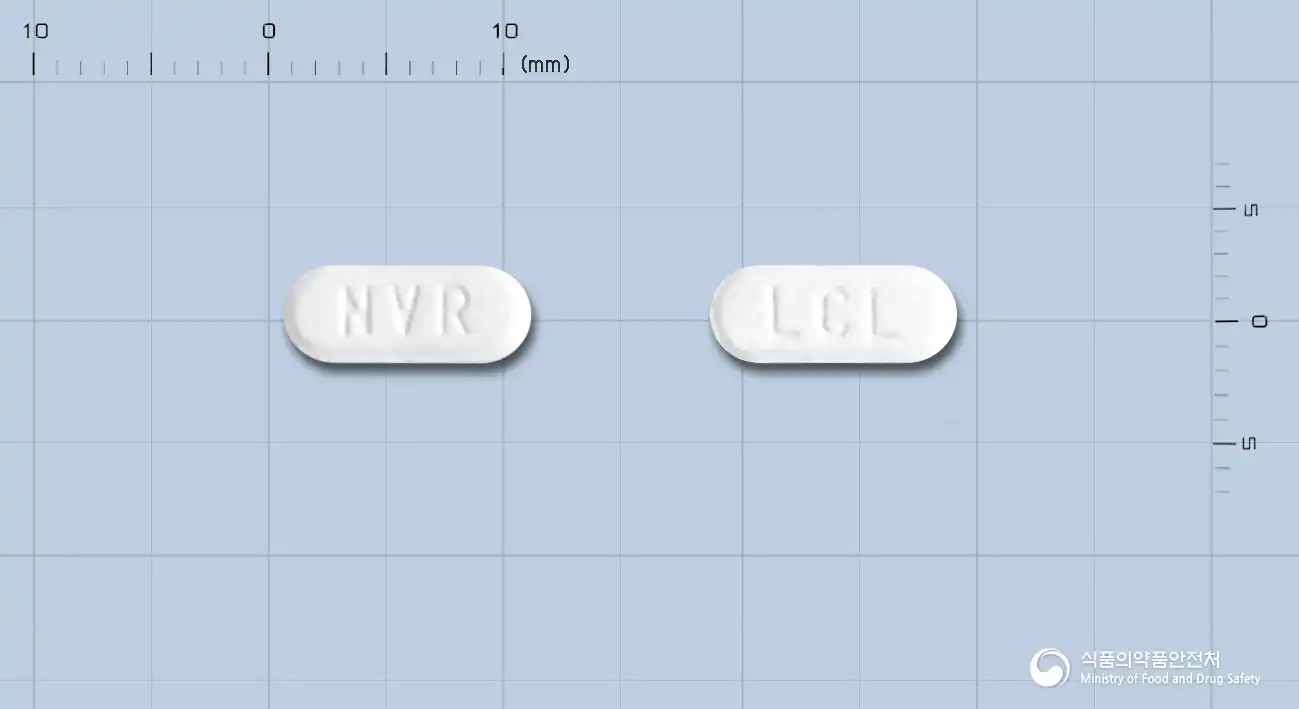
Everolimus 2.5mg
Tablet · Prescription medication
Novartis Korea Co., Ltd.
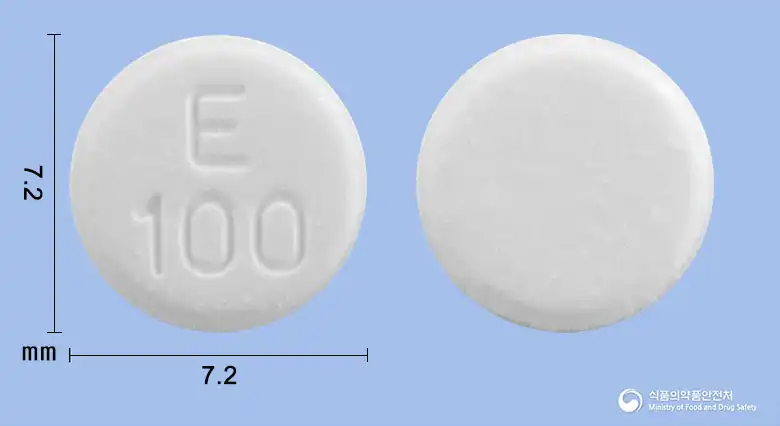
Everolimus 1mg
Tablet · Prescription medication
Jongkundang Co., Ltd.
Even with the same ingredient, the dose and directions can differ by strength and dosage form. Talk to a doctor or pharmacist before switching from a medication you are already taking.
No questions yet.
For anything that needs medical judgment, consult a doctor or pharmacist.
This drug information is based on data provided by the Korea Ministry of Food and Drug Safety.
Consult a doctor or pharmacist for accurate dosage, administration, and usage instructions.