
 한국어
 English
 日本語
 中文(简体)
 Viewing now
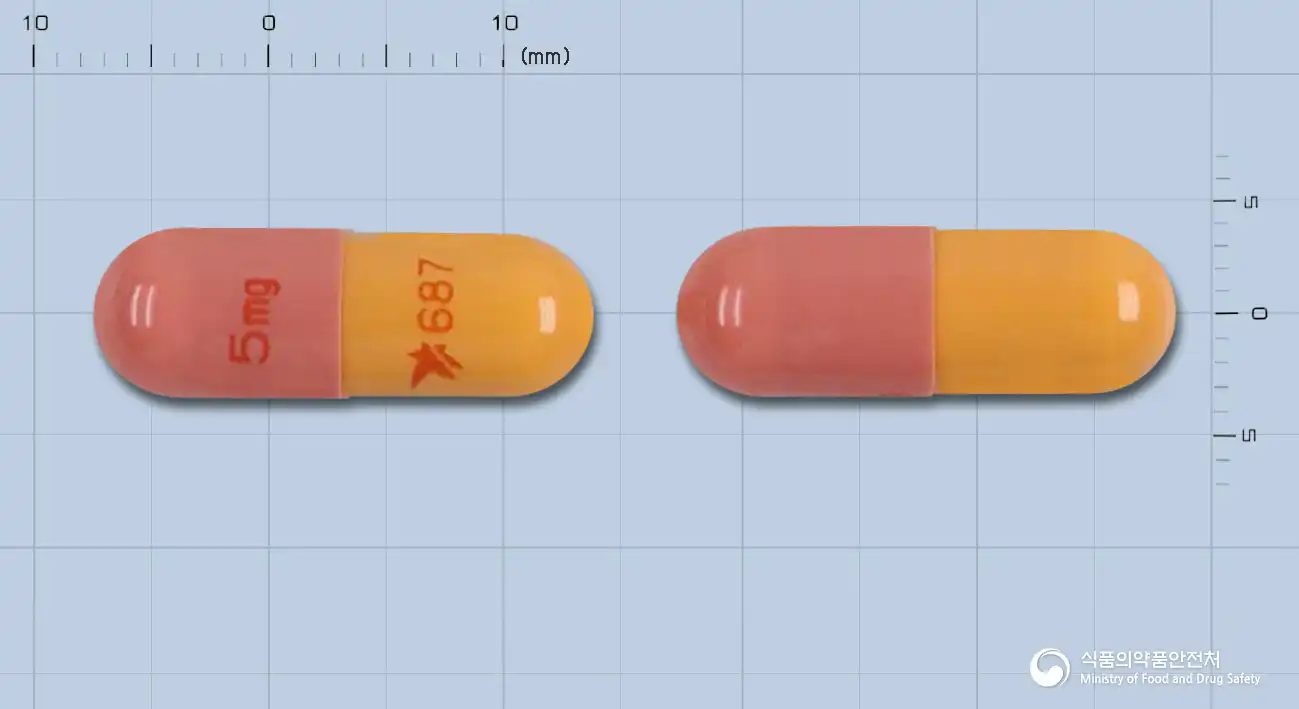
Advagraf Extended-Release Capsules 5 mg (Tacrolimus Hydrate)
Tacrolimus Hydrate 5.1mg
Hard capsule · Prescription medication
Astellas Pharma Korea Co., Ltd.
MFDS item code 200900699 · Approved 2009.01.19 · Insurance code 677200200
Prevention of rejection after kidney or liver transplantation
This medication is used to prevent the immune system from rejecting a new organ in kidney or liver transplant patients. It helps reduce the risk of rejection that may occur after allogeneic transplantation, allowing the transplanted organ to function properly. This improves the success rate of transplants and enhances organ survival. It is used in both kidney and liver transplants, and it is important to take it continuously for optimal treatment effects.
1. Kidney transplantation Adults: The usual initial dose is 0.20 ∼ 0.30 mg/kg of body weight of tacrolimus, administered orally once daily in the morning, followed by gradual dose reduction. The maintenance dose should be adjusted as appropriate according to symptoms, with reference to the ‘recommended target trough blood concentration.’ 2. Liver transplantation Adults: The usual initial dose is 0.10 ∼ 0.20 mg/kg of body weight of tacrolimus, administered orally once daily in the morning, followed by gradual dose reduction. The maintenance dose should be adjusted as appropriate according to symptoms, with reference to the ‘recommended target trough blood concentration.’ General considerations for kidney and liver transplantation The initial doses presented above are intended only as guidelines. Administration of this drug should be based on clinical evaluation of rejection and tolerability, together with measurement of blood concentrations in each patient (see ‘Recommended target trough blood concentrations’ below). If clinical signs of rejection are evident, a change in the immunosuppressive regimen should be considered. Method of administration It is recommended that this drug be administered once daily in the morning. This drug should be taken immediately after removal from the blister. Instruct patients not to swallow the desiccant. The capsules should be swallowed with liquid (preferably water). This drug should generally be administered on an empty stomach, either 1 hour before a meal or 2 ∼ 3 hours after a meal, to achieve maximum absorption. If the morning dose is missed, take it as soon as possible on the same day. Do not take a double dose the next morning. Recommended dose—Conversion from immediate-release tacrolimus formulations to this drug When a transplant patient who has been taking an immediate-release tacrolimus formulation (Prograf capsules) twice daily is switched to this drug, which is taken once daily, the total daily dose should be converted at a ratio of 1 : 1 (mg : mg). This drug should be administered in the morning. Tacrolimus trough blood concentrations should be measured for 2 weeks after conversion, and the dose adjusted if necessary to maintain similar systemic exposure. Dose adjustment in specific patient populations 1) Patients with hepatic impairment The dose may be reduced in patients with severe hepatic impairment in order to maintain trough blood concentrations within the recommended target range. 2) Patients with renal impairment Dose adjustment is not necessary because the pharmacokinetics of tacrolimus are not affected by renal function. However, careful monitoring of renal function is recommended because of the potential nephrotoxicity of tacrolimus (including serial serum creatinine measurements, calculation of creatinine clearance, and monitoring of urine output). 3) Sex There is no evidence that different doses are required for men and women to achieve similar trough blood concentrations. 4) Older patients There is no evidence that dose adjustment is necessary in older patients. Recommended tacrolimus trough blood concentrations (whole blood trough level) in kidney and liver transplantation Several immunoassay methods are available for monitoring tacrolimus whole blood concentrations (whole blood level) to optimize the dose. Comparisons between blood concentrations reported in the literature and those measured in actual clinical practice must be made with detailed knowledge of the assay method used. Immunoassay methods are currently used in clinical practice to monitor whole blood concentrations. The relationship between the tacrolimus trough blood concentration (C24) and systemic exposure (AUC0-24) is similar for this drug and the immediate-release tacrolimus formulation. Tacrolimus trough blood concentrations should be monitored continuously. The trough blood concentration of this drug should be measured immediately before the next dose (approximately 24 hours after the previous dose). Frequent measurement of trough blood concentrations is recommended during the first 2 weeks after transplantation, followed by regular monitoring during the maintenance period. Trough blood concentrations should be monitored when switching from an immediate-release tacrolimus formulation to this drug, adjusting the dose, changing immunosuppressive therapy, or concomitantly administering drugs that may affect tacrolimus whole blood concentrations (see ‘Interactions’). The frequency of blood concentration measurements should be based on clinical need. Because tacrolimus has low clearance, changes in blood concentrations may take several days to become apparent after dose adjustment. According to analyses of clinical trial results, successful outcomes were obtained in most patients when tacrolimus trough blood concentrations were maintained below 20 ng/mL. The patient's clinical condition should be considered when interpreting blood concentrations. In general, early post-transplant trough blood concentrations in clinical practice were 5 ∼ 20 ng/mL in liver transplant patients and 10 ∼ 20 ng/mL in kidney and heart transplant patients. During the subsequent maintenance period, trough blood concentrations were 5 ∼ 15 ng/mL in liver, kidney, and heart transplant patients.
This drug suppresses the immune system, which may increase the risk of infections. Therefore, it should be prescribed by a physician experienced in immunosuppressive therapy, and continuous monitoring by healthcare professionals is necessary for patients. This drug may affect kidney function and can cause kidney damage, so frequent kidney function tests are required, and dose adjustment or discontinuation may be necessary if kidney function worsens. There is a risk of increased blood potassium levels, so potassium levels should be tested frequently, and it should not be taken with potassium-sparing diuretics. This medication can affect the nervous system, potentially causing headaches, tremors, changes in mental status, and seizures; patients should consult a doctor immediately if any unusual symptoms arise. Due to its immunosuppressive effects, there may be an increased risk of malignancies such as lymphoma or skin cancer, so regular check-ups are necessary. While taking this medication, patients may become susceptible to opportunistic infections such as viral infections, so prompt treatment is necessary if infection symptoms appear. Interactions may occur when this drug is taken in combination with other immunosuppressants or specific medications, so patients should inform their doctor of all medications they are taking and regular blood concentration testing is needed. During pregnancy, this drug may affect the fetus, so women who are pregnant or may become pregnant must consult a doctor, and it is recommended not to take this medication while breastfeeding. This medication should be administered cautiously to elderly patients or patients with impaired liver or kidney function, and blood pressure and blood glucose levels should be monitored frequently. It is recommended to take this medication on an empty stomach, either 1 hour before meals or 2-3 hours after meals, with water. Caution is required when driving or operating machinery while taking this medication, and if unusual symptoms occur during treatment, the healthcare provider should be consulted immediately.
Increased sensitivity to infection, possible occurrence of lymphoma, nephrotoxicity, acute kidney injury, increased serum creatinine, hyperkalemia, decreased urea excretion, hyperuricemia, chronic kidney disease, tremors, headache, changes in motor function, changes in mental state, changes in sensory function, seizures, coma, delirium, reversible posterior leukoencephalopathy syndrome (PRES), convulsions, visual disturbances, hypertension, lymphoma, malignant tumors, BK virus-associated nephropathy, JC virus-associated PML, CMV infection, insulin-dependent post-transplant diabetes, hyperglycemia, pure red cell aplasia, myocardial disorders, heart failure, ventricular and supraventricular arrhythmias, myocardial infarction, angina, pericardial effusion, QT interval prolongation, Torsades de pointes, acute renal failure, nephrotic syndrome, thrombotic microangiopathy, pancytopenia, thrombocytopenic purpura, agranulocytosis, hemolytic anemia, bowel obstruction, bacterial infection, viral infection, fungal infection, parasitic infection, Epstein-Barr virus-associated lymphoproliferative disorders, generalized convulsions, altered consciousness, confusion, language impairment, hemiplegia, cerebral infarction, cerebral hemorrhage, pneumonitis, worsening of diabetes, pancreatitis, skin and mucous membrane syndrome, Stevens-Johnson syndrome, dyspnea, acute respiratory distress syndrome, decreased urine output, polyuria, urinary frequency, post-void residual, glucosuria, hypomagnesemia, acidosis, hypercholesterolemia, hyperphosphatemia, hypophosphatemia, hypertriglyceridemia, hyperchloremia, hypercalcemia, hypocalcemia, hyponatremia, hypokalemia, anemia, increase or decrease in platelet count, leukopenia, leukocytosis, pruritus, alopecia, erythema, rash, tubular necrosis, hypertrophic cardiomyopathy, gynecomastia, vasodilation, pleural effusion, ascites, asthma, fever, weight loss, flushing, generalized malaise, menorrhagia, myalgia, arthralgia, dysgeusia, aplastic anemia, cerebral infarction, colitis, toxic epidermal necrolysis, glaucoma, ketosis, nystagmus, mania, meningitis, gastroparesis, thrombotic venous inflammation, thrombosis, vasculitis, sensation of a foreign body in the throat, pain, ocular pain, erythema, hyperhidrosis, thirst, temperature changes, optic neuropathy, febrile neutropenia, tremors, insomnia, paresthesia, anxiety, delirium, numbness, eye twitching, limb rigidity, paralysis, drowsiness, stupor, altered consciousness, loss of local sensation, incoherence, depression, agitation, chest pain, abdominal distension, bowel motility disorders, anorexia, diarrhea, abdominal pain, gastric ulcer, duodenal ulcer, colitis, stomatitis, nausea, vomiting, melena, hemorrhage, gastrointestinal perforation, increased amylase, liver dysfunction, jaundice, elevated blood pressure, edema, tachycardia, palpitations, hypotension, bradycardia, ataxia, hallucinations, insomnia, drowsiness, confusion, depression, hyperesthesia, hyperexcitability, abnormal thoughts, loss of reflexes, emotional instability, excessive tension, disharmony, neurogenic cramps, neurological disorders, psychosis, inability to think, amnesia, dizziness, encephalopathy, hemorrhagic stroke, distal paralysis, nerve compression, irritability, neuralgia, flaccid paralysis, incomplete paralysis of limbs, sensorimotor disorders, aphasia, visual impairment, amblyopia, tinnitus, cataracts, photophobia, hearing loss, ear pain, otitis media, cholangitis, cholestatic jaundice, dyspepsia, flatulence, gastrointestinal bleeding, hepatitis, increased appetite, liver damage, oral candidiasis, dysphagia, esophagitis, gastritis, bowel obstruction, abnormal liver function tests, rectal disorders, duodenitis, pneumatosis intestinalis, gastroesophageal reflux, gastrointestinal disorders, granulomatous hepatitis, ulcerative esophagitis, pancreatic pseudocyst, chest pain, abnormal ECG, bleeding, hypotension, angina, severe vascular inflammation, orthostatic hypotension, peripheral vascular disorders, arrhythmias, atrial fibrillation, bradycardia, cardiac tremor, cardiopulmonary failure, increased heart rate, syncope, thrombosis, vasodilation, hematuria, renal failure, cystitis, dysuria, hydronephrosis, pyuria, toxic kidney disease, acute renal failure, proteinuria, BK nephropathy, bladder spasms, decreased urination, urge incontinence, frequent urination, urinary incontinence, urinary retention, vaginitis, acidosis, increased alkaline phosphatase, alkalosis, hyperbilirubinemia, impaired healing, hyperlipidemia, hyperphosphatemia, hyperuricemia, hypocalcemia, hyponatremia, hypoproteinemia, increased AST, increased ALT, decreased bicarbonate, dehydration, hyperglycemia, hypoglycemia, increased lactate dehydrogenase, weight gain, edema, gout, hypercalcemia, hypercholesterolemia, peripheral edema, diabetes mellitus, Cushing's syndrome, coagulopathy, petechial hemorrhage, hypochromic anemia, leukopenia, thrombocytopenia, erythrocytosis, decreased prothrombin, decreased plasma iron, increased hematocrit, abnormal hemoglobin, leukocytosis, arthralgia, generalized convulsions, limb spasms, myalgia, myasthenia gravis, osteoporosis, joint diseases, painful muscle cramps, reduced mobility, asthma, bronchitis, increased cough, lung disease, pulmonary edema, pharyngitis, pneumonia, respiratory distress, rhinitis, sinusitis, voice changes, pneumothorax, hiccups, reduced lung function, alopecia, herpes simplex, hypertrichosis, skin diseases, sweating, acne, fungal dermatitis, skin discoloration, skin ulcers, exfoliative dermatitis, herpes zoster, benign skin tumors, abdominal enlargement, abscess, chills, hernia, peritonitis, photoreactive reactions, allergic reactions, cellulitis, influenza-like syndrome, sepsis, incidental injury, asthenia, back pain, soft tissue infection, falling, sensory abnormalities, intolerance to temperature, ulcers, liver failure due to reactivation of hepatitis B, leg pain, gastroesophageal reflux
Not everyone experiences these, and they can vary from person to person.
This medication should be stored in a tightly closed container that does not allow light in and should avoid humid conditions. The recommended storage temperature is room temperature between 1 and 30 degrees Celsius.
A hard capsule with a reddish-brown upper half and an orange lower half containing white powder.
50 capsules (10 capsules/PTP x 5) / box
Even with the same ingredient, strength, dosage form and how it is taken can differ.
Viewing nowTacrolimus Hydrate 5.1mg
Hard capsule · Prescription medication
Astellas Pharma Korea Co., Ltd.
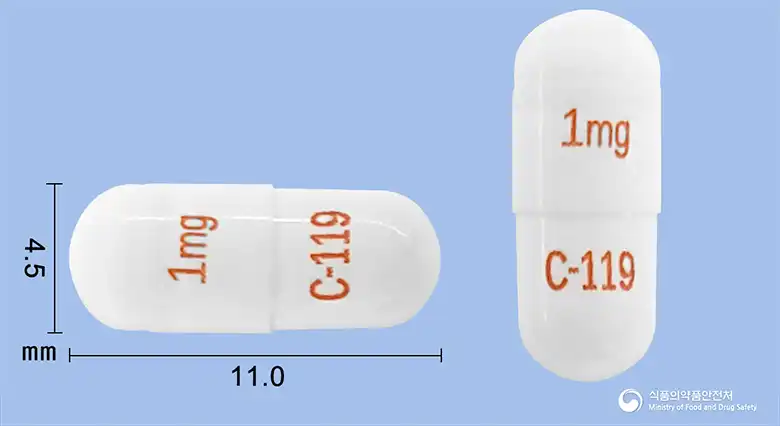
Tacrolimus Hydrate 1.02mg
Hard capsule · Prescription medication
Chongkundang Corporation
 Combination
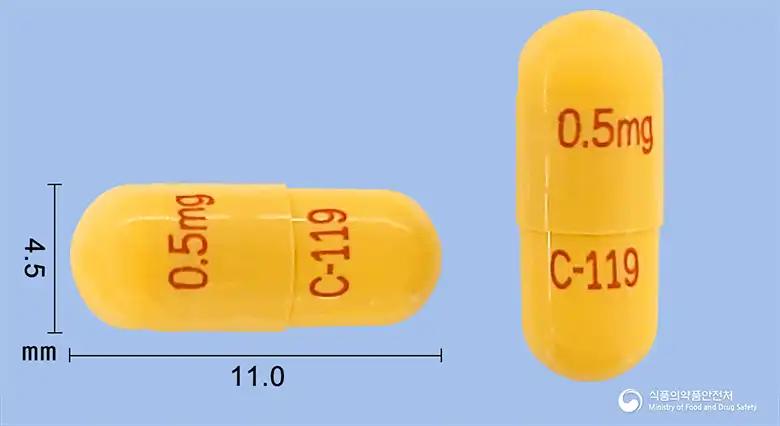
Tacrolimus Hydrate 0.51mg · Tacrolimus Hydrate 0.51mg
Hard capsule · Prescription medication · Combination
Chongkundang Corporation
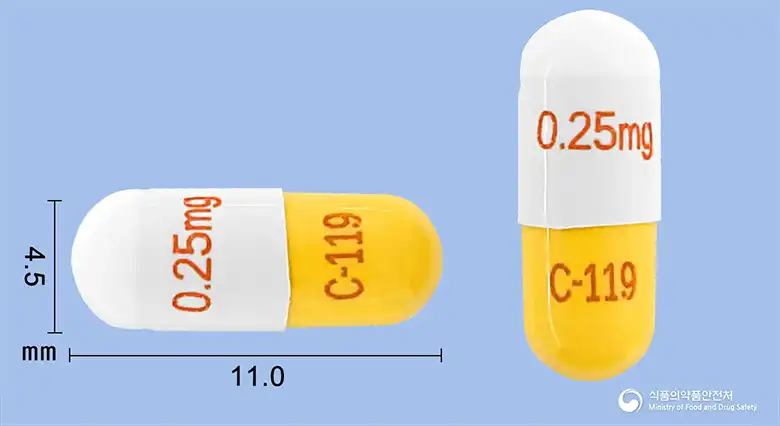
Tacrolimus Hydrate 0.255mg
Hard capsule · Prescription medication
Chongkundang Corporation
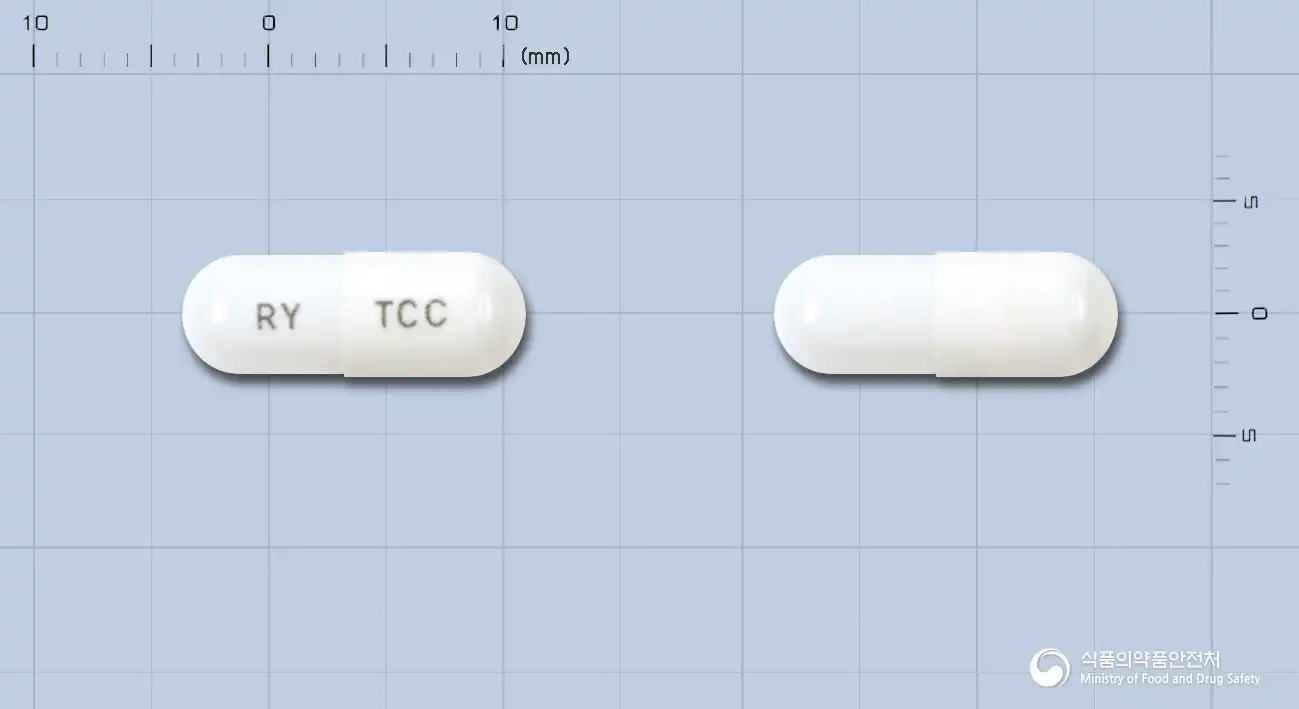
Tacrolimus Hydrate 1.02mg
Hard capsule · Prescription medication
Ilyun Pharmaceutical Co., Ltd.
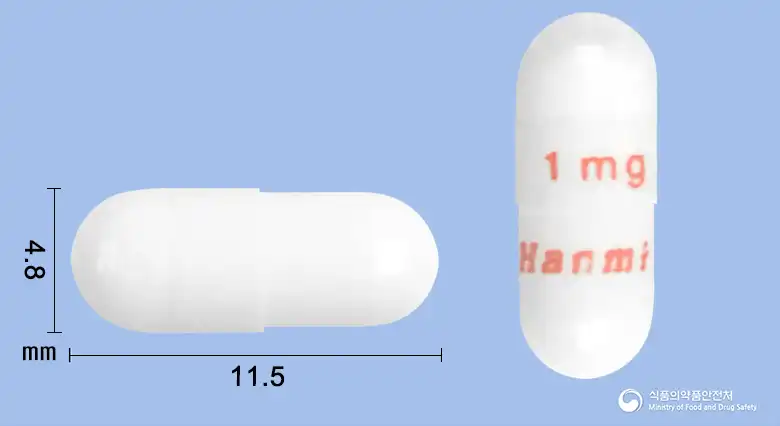
Tacrolimus Hydrate 1.02mg
Hard capsule · Prescription medication
Hanmi Pharmaceutical Co., Ltd.
Tacrolimus Hydrate 5.1mg
Prescription medication
Korea Astellas Pharma Co., Ltd.
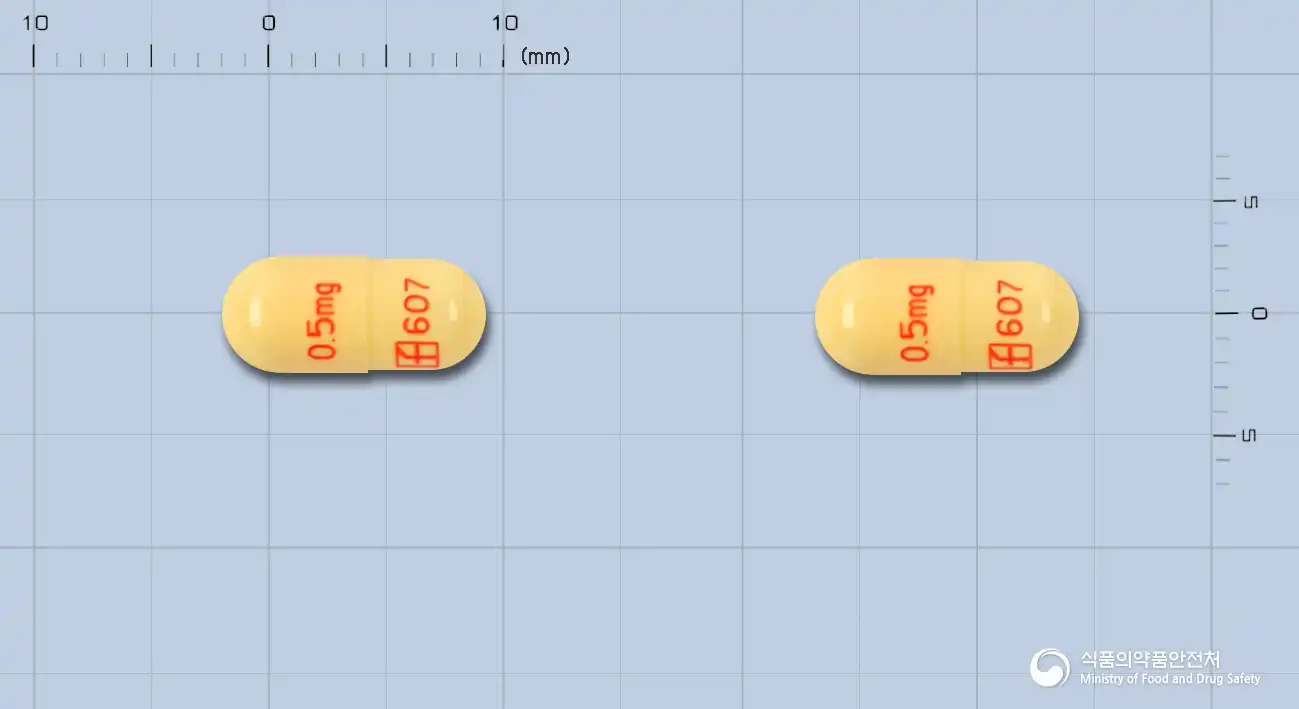
Tacrolimus Hydrate 0.51mg
Hard capsule · Prescription medication
Korea Astellas Pharma Co., Ltd.
Even with the same ingredient, the dose and directions can differ by strength and dosage form. Talk to a doctor or pharmacist before switching from a medication you are already taking.
No questions yet.
For anything that needs medical judgment, consult a doctor or pharmacist.
This drug information is based on data provided by the Korea Ministry of Food and Drug Safety.
Consult a doctor or pharmacist for accurate dosage, administration, and usage instructions.