
 한국어
 English
 日本語
 中文(简体)
 Viewing now
Ropimax 0.25 mg Tablets (Ropinirole Hydrochloride)
Ropinirole Hydrochloride 0.285mg
Tablet · Prescription medication
Korea Pharma Co., Ltd.
MFDS item code 200808560 · Notified 2008.08.08 · Insurance code 642801880
Treatment of idiopathic Parkinson's disease and moderate to severe primary restless legs syndrome
This medication can be used alone for the treatment of idiopathic Parkinson's disease, and when used with Levodopa, it can reduce the on-off phenomenon, a side effect of the drug, and lower the dosage of Levodopa. It is also effectively used for the treatment of moderate to severe primary Restless Legs Syndrome.
1. An appropriate dose should be determined individually, taking efficacy and tolerability into consideration. (1) Idiopathic Parkinson's disease It is preferable to take the medicine with food 3 times daily to improve gastrointestinal tolerability. Initial treatment: Take 0.25mg 3 times daily. The treatment regimen for the first 4 weeks is as follows: Week 1 2 3 4 Dose per administration (mg) Daily dose (mg) 0.25 0.75 0.5 1.5 0.75 2.25 1.0 3.0 Maintenance treatment: After the initial treatment, the dose may be increased at 1-week intervals up to 3mg per day. Therapeutic effects are seen at doses of 3-9mg per day. If symptoms are not adequately controlled or symptom control cannot be maintained, the ropinirole dose may be increased until a clear therapeutic effect is achieved, but it should not exceed 24mg per day. ① When administered as adjunctive therapy to levodopa, the levodopa dose may be gradually reduced by up to approximately 20% of the total dose. ② When switching from another dopamine agonist to ropinirole, follow the manufacturer's guidelines for discontinuing the other medicine before starting ropinirole. ③ As with other dopamine agonists, ropinirole should be discontinued gradually by reducing the number of daily doses over the course of 1 week. (2) Primary restless legs syndrome Ropinirole should be taken once daily before bedtime, 1-3 hours before going to bed. Initial treatment (week 1): The initial recommended dose is 0.25mg once daily for 2 days, taken 1-3 hours before bedtime. If this dose is well tolerated, it may be increased to 0.5mg once daily from day 3 through the last day of the first week of treatment (day 7). Maintenance treatment (from week 2): After the initial treatment, the daily dose may be increased according to the following schedule until an optimal therapeutic response is achieved. Week 2 3 4 5 6 7 Dose per administration (mg) 1 1.5 2 2.5 3 4 The safety and efficacy of doses above 4mg/day have not been established in patients with restless legs syndrome. As with other dopamine agonists, treatment with this medicine should be discontinued gradually by reducing the daily dose. If treatment with this medicine has been interrupted substantially, it is recommended that treatment be restarted using the dose adjustment schedule described above. 2. Patients with renal impairment: Since ropinirole clearance is unchanged in patients with mild or moderate renal impairment (creatinine clearance 30-50mL /min), dose adjustment is not necessary. Use of this medicine has not been studied in patients with severe renal impairment (creatinine clearance <30mL/min); therefore, ropinirole is not recommended in these patients. 3. Patients with hepatic impairment: Use of this medicine has not been studied in patients with hepatic impairment; therefore, ropinirole is not recommended in these patients. 4. Use in older adults: Ropinirole clearance is reduced in patients 65 years of age and older, but the dose for older patients may be adjusted in the usual manner according to the patient's clinical response.
④ Use in children: Parkinson's disease does not occur in children. Therefore, no studies on the use of ropinirole in this population have been reported, and it should not be administered to children.
This drug should be used with caution in patients with severe cardiovascular diseases. Care should be taken when this medicine is taken with antihypertensive or antiarrhythmic agents as it may cause hypotension, bradycardia, or arrhythmia. Severely mentally ill patients should only use this drug when its therapeutic effect outweighs the risks. Drowsiness or sudden sleep can occur with this medication; caution should be taken when driving or operating machinery. This drug should not be used in patients with hypersensitivity, or in pregnant or breastfeeding women, or in patients with genetic issues such as lactose intolerance. During the treatment period, side effects like nausea, vomiting, drowsiness, dizziness, orthostatic hypotension, and peripheral edema may occur; if symptoms are severe, consult a doctor. Particularly in Parkinson's disease patients, motor abnormalities may occur, requiring dosage adjustment. As this drug is a dopamine agonist, it can induce psychological side effects such as impulse control disorders, pathological gambling, and increased libido, so regular monitoring is necessary. When taken with other dopamine antagonists, the effect of this drug may be reduced; thus, co-administration should be avoided. Careful dose adjustments may be needed when taken with certain antibiotics like Ciprofloxacin or hormone replacement therapy drugs. Pregnant or breastfeeding patients should not take this medication as it may harm the fetus and newborn. Its safety and efficacy have not been established in children under 18 years of age, so it is not recommended for this group. In case of overdose, serious symptoms such as nausea, dizziness, hallucinations, chorea, and cardiac issues may manifest, requiring immediate medical attention. This drug should be kept out of reach of children and stored in a cool, dry place.
Not everyone experiences these, and they can vary from person to person.
This medication should be stored in a cool place at or below 25°C, in a tightly closed container that protects from light and allows air exchange. This storage method helps maintain the drug's effectiveness for a longer duration.
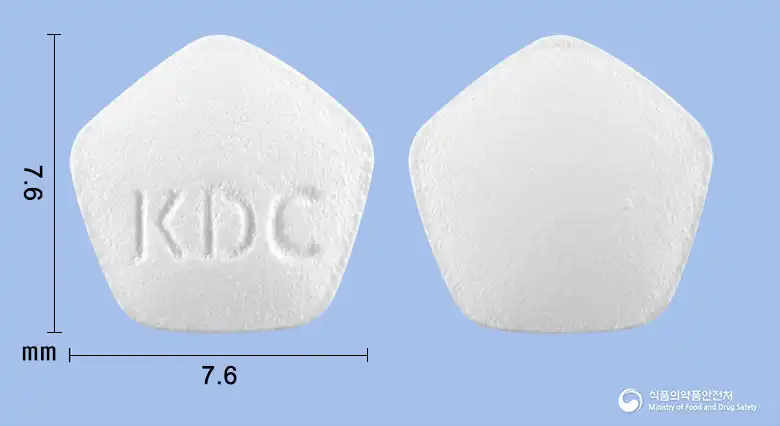
White pentagonal film-coated tablets
21 tablets/PTP
Even with the same ingredient, strength, dosage form and how it is taken can differ.
Viewing nowRopinirole Hydrochloride 0.285mg
Tablet · Prescription medication
Korea Pharma Co., Ltd.

Ropinirole Hydrochloride 0.285mg
Tablet · Prescription medication
GlaxoSmithKline Co., Ltd.
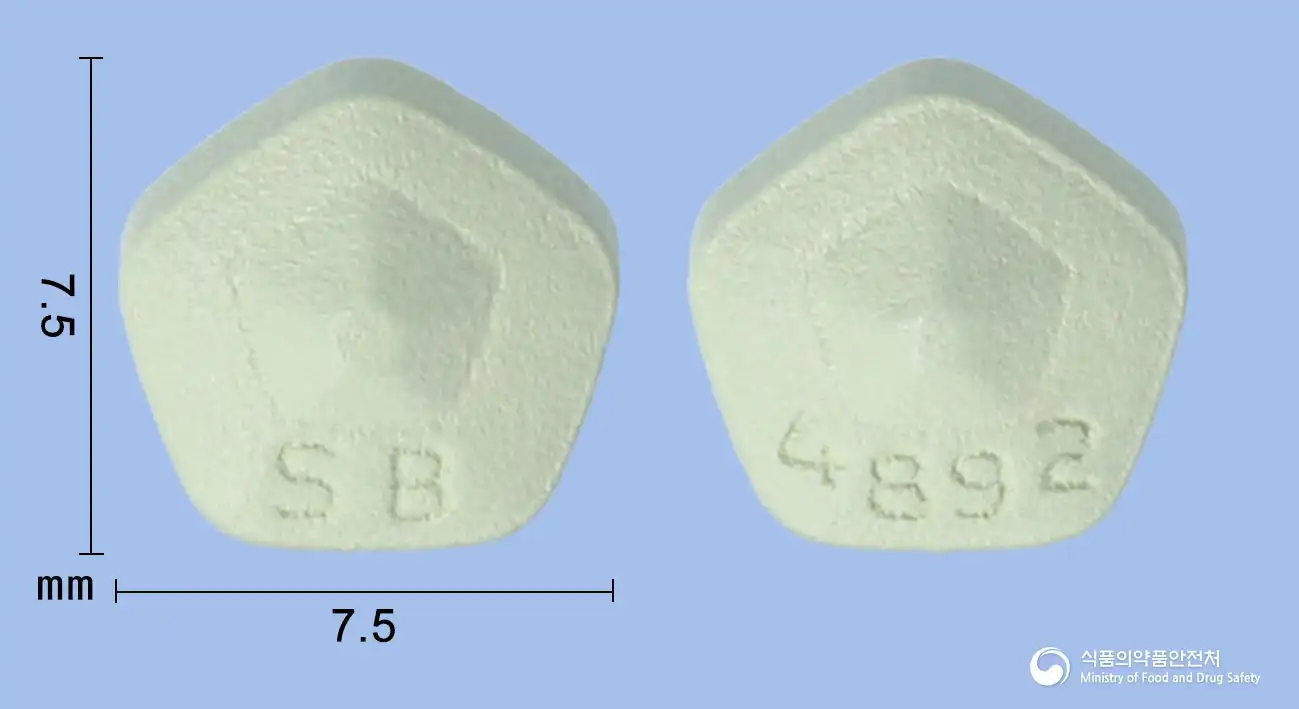
Ropinirole Hydrochloride 1.14mg
Tablet · Prescription medication
GlaxoSmithKline Co., Ltd.

Ropinirole Hydrochloride 2.28mg
Tablet · Prescription medication
GlaxoSmithKline Co., Ltd.

Ropinirole Hydrochloride 5.7mg
Tablet · Prescription medication
GlaxoSmithKline Co., Ltd.
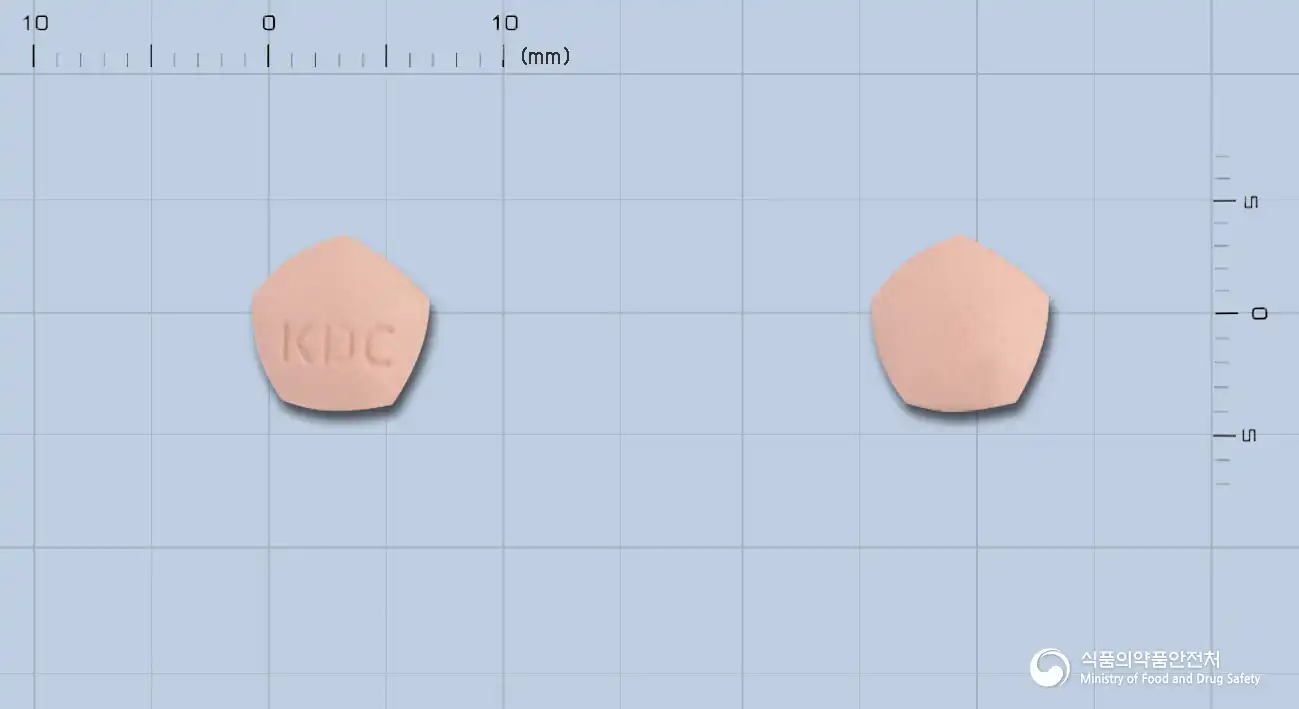
Ropinirole Hydrochloride 2.28mg
Tablet · Prescription medication
Korea Pharmaceutical Co., Ltd.
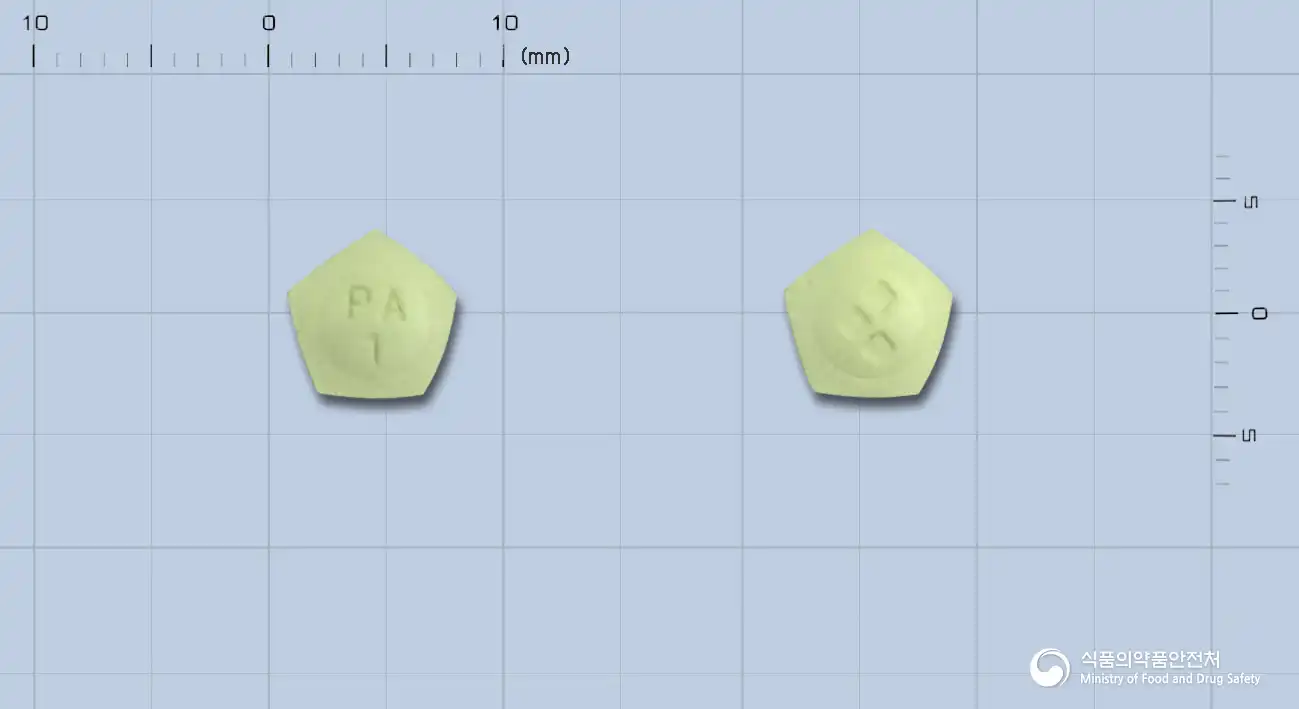
Ropinirole Hydrochloride 1.14mg
Tablet · Prescription medication
Myungin Pharmaceutical Co., Ltd.
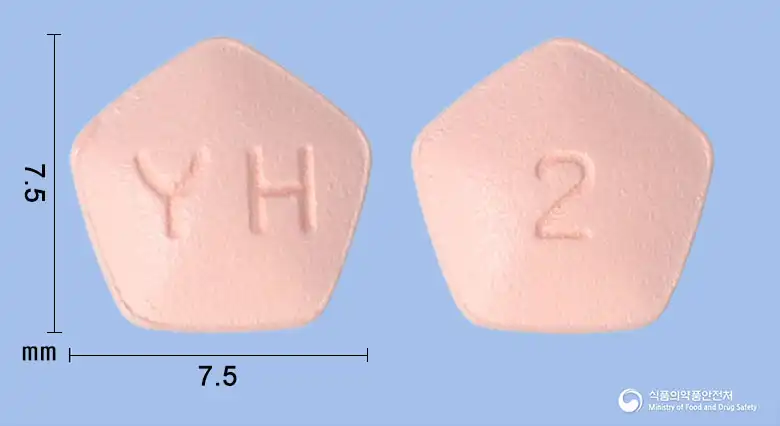
Ropinirole Hydrochloride 2.28mg
Tablet · Prescription medication
Yuhan Corporation
Even with the same ingredient, the dose and directions can differ by strength and dosage form. Talk to a doctor or pharmacist before switching from a medication you are already taking.
No questions yet.
For anything that needs medical judgment, consult a doctor or pharmacist.
This drug information is based on data provided by the Korea Ministry of Food and Drug Safety.
Consult a doctor or pharmacist for accurate dosage, administration, and usage instructions.