
 한국어
 English
 日本語
 中文(简体)
 Viewing now
Zocor 20 mg (Simvastatin)
Simvastatin 20mg
Tablet · Prescription medication
Korea Organon Co., Ltd.
MFDS item code 200807527 · Notified 2008.07.07 · Insurance code 073100240
Improvement of hyperlipidemia and pediatric familial hypercholesterolemia; prevention of cardiovascular disease
This medication helps reduce the risk of cardiovascular diseases. It particularly reduces the risk of cardiac death from coronary heart disease, diabetes, peripheral vascular disease, and stroke in adult patients at high risk of coronary events. It also prevents non-fatal myocardial infarctions and strokes. Additionally, it decreases the risk related to coronary and non-coronary vascular revascularization procedures. For patients with hyperlipidemia, this medication lowers total cholesterol, LDL cholesterol, apo-B protein, and triglycerides, while increasing HDL cholesterol, thereby improving blood lipid levels. It is especially helpful in controlling cholesterol levels in pediatric patients with familial hypercholesterolemia when used alongside dietary therapy. Thus, this medication is effectively used for the prevention of cardiovascular diseases and the treatment of dyslipidemia.
Patients should follow a standard cholesterol-lowering diet before and during treatment with this medicine. 1. Reduction of cardiovascular risk Adult patients at high risk of coronary heart disease events due to coronary heart disease, diabetes, peripheral vascular disease, stroke, or a history of other cerebrovascular disease The recommended initial dose is simvastatin 40 mg once daily. 2. Hyperlipidemia 1) Reduction of risk in patients with hypercholesterolemia and coronary heart disease, and hyperlipidemia The usual recommended initial dose is 20 mg of this medicine once daily in the evening. Patients with mild to moderate hypercholesterolemia may start with 10 mg of this medicine. A dose of 5 ~ 40 mg of this medicine once daily in the evening is recommended. Adjust the dose appropriately according to the baseline LDL cholesterol level before treatment, the treatment goal, and the patient's response to the medicine. Measure cholesterol levels 4 weeks after starting treatment and periodically thereafter to adjust the dose. Reduce the dose if the cholesterol level falls below the target level. Due to the increased risk of myopathy, including rhabdomyolysis, use of the 80 mg dose of this medicine, particularly during the first year of treatment, is limited to patients who have taken 80 mg of this medicine for 12 months or longer without evidence of muscle toxicity (see 1. Warnings under Precautions for Use). 2) Refer below for the recommended doses in patients receiving this medicine concomitantly with fibrates (excluding gemfibrozil and fenofibrate), amiodarone, verapamil, diltiazem, or amlodipine, and in specific patient groups (i.e., patients with homozygous familial hypercholesterolemia, elderly patients, and patients with renal impairment) (see 6. Drug Interactions under Precautions for Use). (1) Use in patients with homozygous familial hypercholesterolemia Based on controlled clinical trial results, patients with homozygous familial hypercholesterolemia should receive 40 mg of this medicine once daily in the evening. Administer this medicine in combination with other lipid-lowering treatments (e.g., LDL apheresis), or when other lipid-lowering treatments are unavailable. (2) In elderly patients, the maximum reduction in cholesterol levels may be achieved with a daily dose of 20 mg of this medicine. (3) Use in patients receiving verapamil, diltiazem, or dronedarone When this medicine is coadministered with verapamil, diltiazem, or dronedarone, the dose of this medicine should not exceed 10 mg per day. (4) Use in patients receiving amiodarone, amlodipine, or ranolazine When this medicine is coadministered with amiodarone, amlodipine, or ranolazine, the dose of this medicine should not exceed 20 mg per day. (5) Concomitant use with other lipid-lowering agents This medicine is effective when administered alone or in combination with a bile acid sequestrant. When this medicine is coadministered with a fibrate (excluding gemfibrozil (see 2. Do not administer to the following patients under Precautions for Use) and fenofibrate), the dose of this medicine should not exceed 10 mg per day. (6) Use in patients with renal impairment Because this medicine is not extensively excreted by the kidneys, dose adjustment is not necessary in patients with mild to moderate renal impairment. In patients with severe renal impairment, however, start with an initial dose of 5 mg per day and monitor closely.
10 ~ 17 years: The recommended initial dose is 10 mg of this medicine once daily in the evening. The recommended dose range is 10 ~ 40 mg per day, and the recommended maximum dose is 40 mg per day. Adjust the dose appropriately for each patient according to the recommended treatment goal. Allow an interval of 4 weeks or longer between dose adjustments.
This medication may cause muscle-related issues such as myopathy and rhabdomyolysis, so caution is especially necessary when taken in high doses. You should not use this medication if you have a history of allergic reactions, liver disease, are pregnant or breastfeeding, or are currently taking certain medications. Patients with poor liver function, alcoholism, kidney impairment, hypothyroidism, hereditary muscle disorders, the elderly, and women should use this medication with caution. If you experience unusual symptoms such as muscle pain, muscle weakness, or muscle tenderness while taking this medication, you should immediately inform your doctor, and discontinue the medication if severe. Regular liver function tests are important since this medication can affect liver function; and if symptoms of hepatitis or jaundice appear, you should stop taking the medication immediately. This medication may interact with multiple drugs, so if you are taking other medications, be sure to inform your doctor or pharmacist. Particularly, if taken alongside certain antifungals, antibiotics, immunosuppressants, calcium channel blockers, the risk of muscle problems may increase, so caution is needed. Women who may become pregnant must use contraception while taking this medication, and should discontinue it immediately if pregnancy is confirmed. For children and adolescents, this medication is restricted for use only in patients aged 10 or older, specifically between the ages of 10 and 17, as it may affect growth and sexual maturity, thus requiring expert management. Elderly patients may have higher blood concentrations of this medication, increasing the risk of side effects, so caution is advised. Avoid consuming specific foods, such as grapefruit juice, while taking this medication, and visit a medical institution immediately in case of an overdose. When stored, keep it out of reach of children and in its original container to maintain quality.
Not everyone experiences these, and they can vary from person to person.
This medication should be stored in a tightly closed container as it may be sensitive to air and moisture. It is also important to keep it at room temperature below 30 degrees Celsius to maintain its effectiveness.
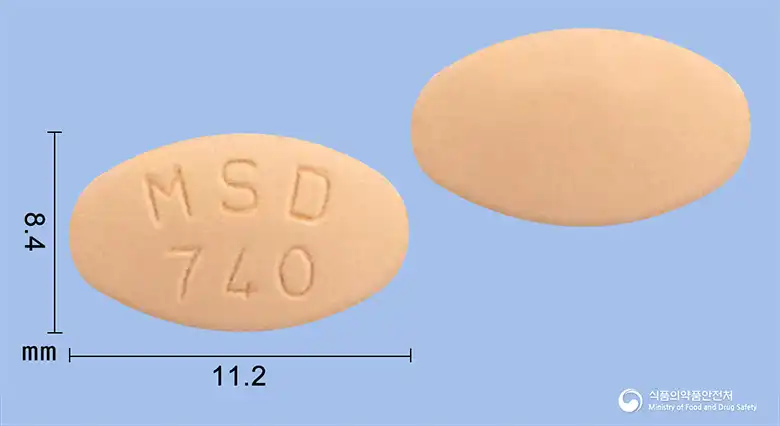
Brownish-yellow, oval film-coated tablets engraved with MSD 740 on one side
30 tablets (15 tablets/PTP x 2 PTP), 300 tablets (300 tablets/bottle)
Even with the same ingredient, strength, dosage form and how it is taken can differ.
Viewing nowSimvastatin 20mg
Tablet · Prescription medication
Korea Organon Co., Ltd.
Simvastatin 20mg
Tablet · Prescription medication
Jongkundang Pharmaceutical Co., Ltd.
Simvastatin 20mg
Tablet · Prescription medication
Dong-A ST Co., Ltd.
Simvastatin 20mg
Tablet · Prescription medication
Korea Hutech Pharmaceutical Co., Ltd.
Simvastatin 20mg
Tablet · Prescription medication
Yuhan Corporation
Simvastatin 40mg
Tablet · Prescription medication
Dongwha Pharmaceutical Co., Ltd.
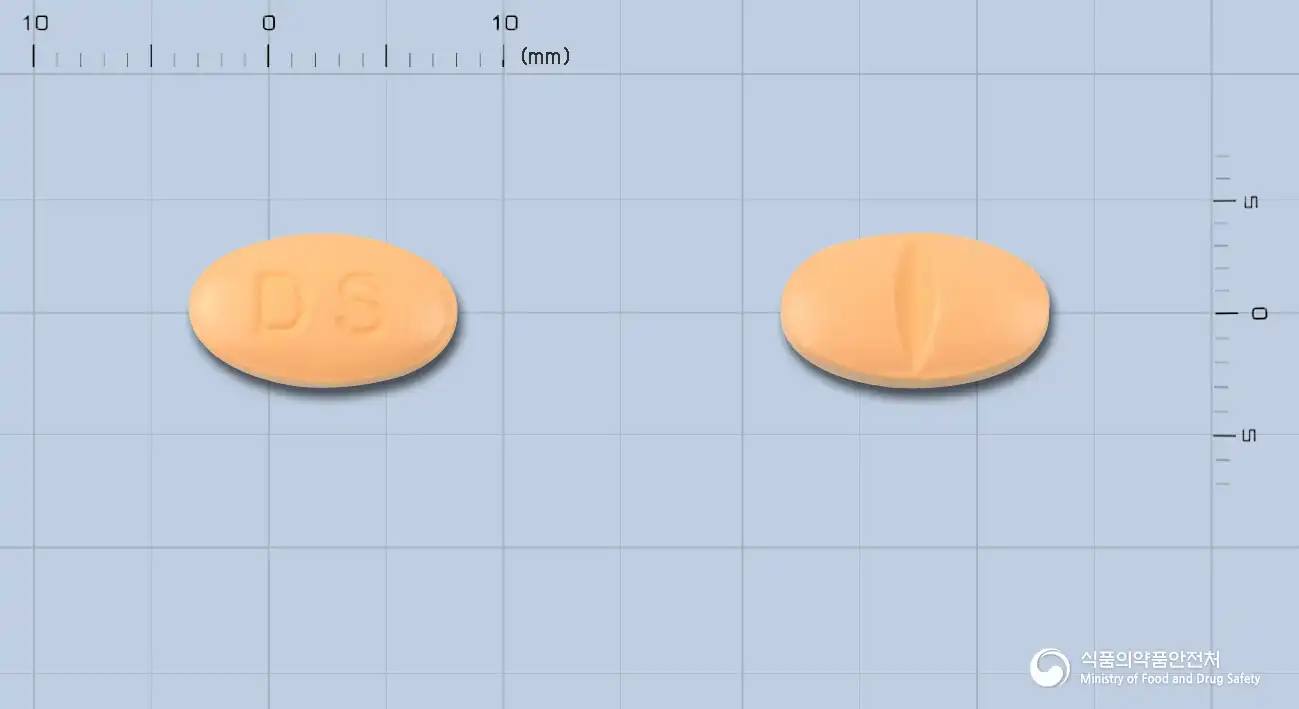
Simvastatin 20mg
Tablet · Prescription medication
Dongsung Pharmaceutical Co., Ltd.
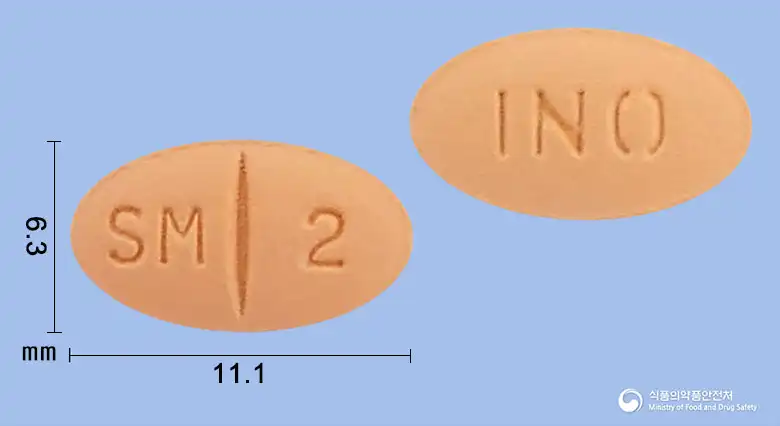
Simvastatin 20mg
Tablet · Prescription medication
HK inno.N Co., Ltd.
Even with the same ingredient, the dose and directions can differ by strength and dosage form. Talk to a doctor or pharmacist before switching from a medication you are already taking.
No questions yet.
For anything that needs medical judgment, consult a doctor or pharmacist.
This drug information is based on data provided by the Korea Ministry of Food and Drug Safety.
Consult a doctor or pharmacist for accurate dosage, administration, and usage instructions.