
 한국어
 English
 日本語
 中文(简体)
Summary
- Main use
- Combination treatment of HIV-1 infection in adults who have failed previous treatment
- Who takes it
- Adults · Children
- Adult dose
- This medicine must always be administered in combination with other antiretroviral agents. Adults: Recommended dose - 200 mg (two 100 mg tablets) orally twice daily (b.i.d.) after meals The type of food does not affect etravirine exposure. Patients who have difficulty swallowing this medicine may take it suspended in water. Add this medicine to water, stir well, and take immediately. Rinse the cup several times with water and drink the rinses to ensure that the entire dose is taken. Hepatic impairment: No dose adjustment is necessary in patients with mild or moderate hepatic impairment (Child-Pugh score A or B). The pharmacokinetics of this medicine have not been studied in patients with severe hepatic impairment (Child-Pugh score C). Renal impairment: No dose adjustment is necessary in patients with renal impairment.
- Child dose
- The safety and efficacy of etravirine in children have not been established.
Ingredients
- Importer
- Janssen Korea Ltd.
Efficacy & effects
Combination treatment of HIV-1 infection in adults who have failed previous treatment
- HIV-1 infection
View approved original textHide original text
This medication is used to treat adult patients with HIV-1 infection who have experience with antiretroviral therapy and have failed treatment with non-nucleoside reverse transcriptase inhibitors (NNRTIs) and other antiretrovirals. It also contributes to effective treatment when used in combination with other antiretrovirals, aiding in viral suppression and immune function improvement.
How to take
Adult dose
This medicine must always be administered in combination with other antiretroviral agents. Adults: Recommended dose - 200 mg (two 100 mg tablets) orally twice daily (b.i.d.) after meals The type of food does not affect etravirine exposure. Patients who have difficulty swallowing this medicine may take it suspended in water. Add this medicine to water, stir well, and take immediately. Rinse the cup several times with water and drink the rinses to ensure that the entire dose is taken. Hepatic impairment: No dose adjustment is necessary in patients with mild or moderate hepatic impairment (Child-Pugh score A or B). The pharmacokinetics of this medicine have not been studied in patients with severe hepatic impairment (Child-Pugh score C). Renal impairment: No dose adjustment is necessary in patients with renal impairment.
Child dose
The safety and efficacy of etravirine in children have not been established.
Precautions
This medication should not be taken with certain other medications. Drug interactions may decrease therapeutic efficacy or exacerbate side effects. Serious rashes or hypersensitivity reactions may occur during treatment with this medication. If such symptoms develop, stop taking the medication immediately and consult a physician. Rashes are most commonly observed in the second week after starting this medication and usually resolve on their own. However, if symptoms are severe or persistent, caution is warranted. Patients with allergies to this medication or certain genetic metabolic disorders should not take it. Patients with liver or kidney function issues need to consult a physician before taking this medication, and in some cases, careful consideration is required. Women who are pregnant or breastfeeding must consult a healthcare professional before taking this medication, especially if breastfeeding, as it is advisable to avoid breastfeeding. In the case of pediatric or elderly patients, special caution is necessary due to insufficient data on the safety and efficacy of this medication. In cases of overdose, there are no specific antidotes, so immediate medical attention is required for monitoring and appropriate treatment. This medication should be stored in a tightly sealed container to protect it from moisture and direct sunlight, and it is important to keep it out of reach of children.
Side effects
Stevens-Johnson syndrome, toxic epidermal necrolysis, erythema multiforme, drug rash with eosinophilia and systemic symptoms (DRESS), rash, impaired lung function (including liver failure), severe rash, rash accompanied by fever, general malaise, fatigue, myalgia, arthralgia, vesicles, oral lesions, conjunctivitis, hepatitis, diarrhea, hypertriglyceridemia, nausea, hypercholesterolemia, renal failure, anemia, thrombocytopenia, peripheral neuropathy, headache, abdominal pain, vomiting, gastroesophageal reflux disease, bloating, gastritis, lipomatosis, night sweats, hyperlipidemia, hyperglycemia, diabetes, hypertension, fatigue, insomnia, anxiety, itchy rash, hyperhidrosis, dry skin, facial swelling, loss of appetite, dyslipidemia, lethargy, drug hypersensitivity, immune reconstitution syndrome, hepatomegaly, cytolytic hepatitis, fatty liver, hepatitis, gynecomastia, sleep disturbances, abnormal dreams, confusion, disorientation, nervousness, nightmares, lipodystrophy, angioedema, hemorrhagic stroke, rhabdomyolysis, pharyngitis, asthenia, pruritus, upper respiratory infection, paresthesia, herpes zoster, decreased blood cholesterol, oral candidiasis, cough, leukopenia, edema, nasopharyngitis, oropharyngeal pain, pulmonary tuberculosis, facial nerve palsy, chest pain, hyperuricemia, orchitis, papule, musculoskeletal discomfort, acute cholecystitis, acute pancreatitis, cerebral hemorrhage, cholangitis, road traffic accident, back pain, syphilis, throat pain, tinea corporis, anhedonia, recurrent diffuse large B-cell lymphoma, trigger finger, abdominal discomfort, strabismus, dysphagia, dyspepsia, visual impairment, esophageal candidiasis, allergic rhinitis, tenderness, drug rash, dizziness, gastroesophageal reflux, heat sensation, gastrointestinal disorder, gastritis, psoriasis-like cutaneous eruption, pharyngitis, gum pain, drowsiness, fungal esophagitis, weight loss, weight gain, hair loss, skin papilloma, dermatophytosis, increased serum bilirubin, burn
Not everyone experiences these, and they can vary from person to person.
Storage
This medication should be stored in a tightly sealed container to protect it from air and moisture. It is also important to store the medication at room temperature between 1°C and 30°C to maintain its effectiveness.
Appearance and packaging
Appearance
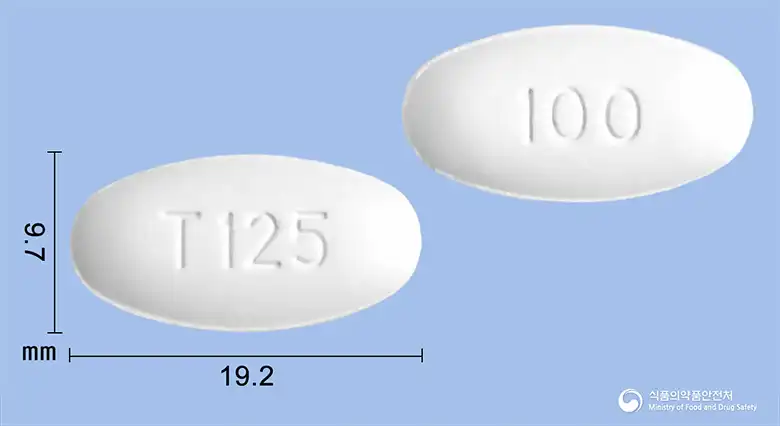
White or nearly white oval tablets
Package unit
120 tablets/bottle
Questions about this medicine
No questions yet.
For anything that needs medical judgment, consult a doctor or pharmacist.