
 한국어
 English
 日本語
 中文(简体)
Dosage form image
Viewing nowAllerine Liquid (Levocetirizine Hydrochloride)
Levocetirizine Hydrochloride 0.05g
Solution · Prescription medication
Genewon Sciences Co., Ltd.
MFDS item code 200806638 · Notified 2008.06.17 · Insurance code 671702243
Relief of symptoms of allergic rhinitis, chronic idiopathic urticaria, and itching associated with dermatitis and eczema
This medication helps relieve nasal symptoms occurring in seasonal or perennial allergic rhinitis, and reduces itching and rash in chronic idiopathic urticaria. Additionally, it is used in conjunction with hydrocortisone topical preparation to alleviate itching from dermatitis and eczema in adults and children aged 6 and older. It is effectively used to improve the symptoms of various allergies and skin diseases.
Adults: Administer levocetirizine hydrochloride 5mg (10mL as oral solution) orally once daily, regardless of meals. For adult patients with renal impairment, adjust the dose according to renal function (estimated glomerular filtration rate (eGFR)). Normal renal function ≥ 90 (mL/min): 5mg per dose, once daily Mild renal impairment 60 -< 90 (mL/min): 5mg per dose, once daily Moderate renal impairment 30 -< 60 (mL/min): 5mg per dose, once every 2 days Severe renal impairment 15 -< 30 (mL/min), not requiring dialysis: 5mg per dose, once every 3 days End-stage renal disease < 15 (mL/min), requiring dialysis: Contraindicated
Children aged 6 years and older: Administer levocetirizine hydrochloride 5mg (10mL as oral solution) orally once daily, regardless of meals. Children aged 2 years and older but under 6 years: Administer 1.25mg (2.5mL as oral solution) orally twice daily. Children aged 1 year and older but under 2 years: Administer 1.25mg (2.5mL as oral solution) orally once daily. Infants under 1 year: Do not administer due to limited experience with use. Reduce the dose in pediatric patients with renal impairment according to renal function and body weight.
This medication should not be used in patients with a history of allergic reactions or hypersensitivity to certain ingredients. It should not be administered to patients with end-stage renal disease or those undergoing hemodialysis. Do not administer to infants under 1 year of age, and for children under 6 years of age, it should be given in liquid form rather than tablet form. The liquid contains maltitol, so patients who cannot properly break down fructose due to congenital conditions should avoid it. Patients with impaired kidney or liver function, as well as the elderly, should be cautious as this medication may increase blood concentration. Symptoms such as drowsiness, headache, and dizziness may occur, so be careful when performing tasks that require concentration, such as driving or operating machinery. Taking this medication with alcohol or other central nervous system affecting drugs may exacerbate drowsiness or reduced concentration, so it is advisable not to combine them. Patients with urinary retention problems or conditions like benign prostatic hyperplasia may need caution as this medication can worsen urinary retention. Patients with epilepsy or those at risk of seizures should be cautious as symptoms may worsen after taking this medication. The liquid contains preservatives and sweeteners, which may cause allergic reactions or be harmful to health; therefore, sensitive individuals should exercise caution. Pregnant women should use this medication carefully, and breastfeeding women should consult a physician before taking it, as adverse reactions may occur in infants. For children, it is safest not to administer to those under 1 year and to use liquid form for those under 6 years old. The elderly may have decreased kidney function, so they should start at a lower dose and adjust based on observation of their condition. It is recommended to temporarily stop this medication before allergy testing, as it may affect test results. In the event of overdose, symptoms such as drowsiness, anxiety, and restlessness may appear, and no specific antidote exists, so treatment and supportive care according to symptoms are necessary. This medication is not well removed by hemodialysis; therefore, caution is required in case of overdose.
Not everyone experiences these, and they can vary from person to person.
This medication should be stored in a tightly sealed container that blocks light, at room temperature between 1 and 30 degrees Celsius. Storing it this way will help preserve the effectiveness of the medication.
[Domestic] Colorless transparent solution in a plastic bottle [Export] Colorless transparent solution in a plastic bottle or aluminum pouch
[Domestic] 500 milliliters/bottle [Export] 10 milliliters/pack, 10 milliliters/pack X 30, 50 milliliters/bottle
Even with the same ingredient, strength, dosage form and how it is taken can differ.
Levocetirizine Hydrochloride 0.05g
Solution · Prescription medication
Genewon Sciences Co., Ltd.
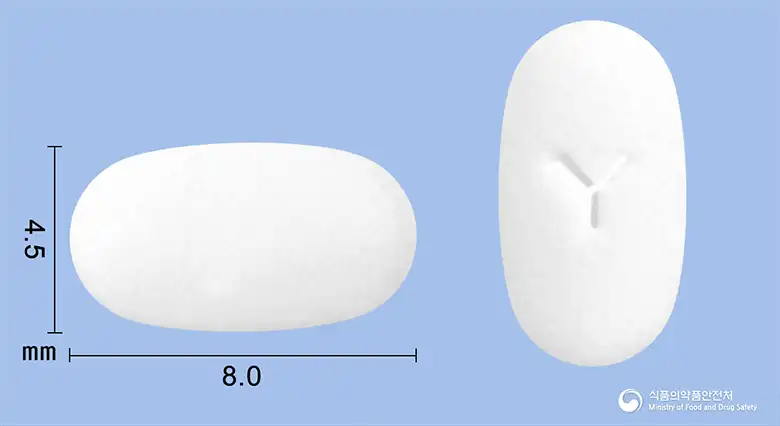
Levocetirizine Hydrochloride 5mg
Tablet · Prescription medication
HanKook UCB Pharma Co., Ltd.
Levocetirizine Hydrochloride 50mg
Solution · Prescription medication
Korea UCB Pharmaceutical Co., Ltd.
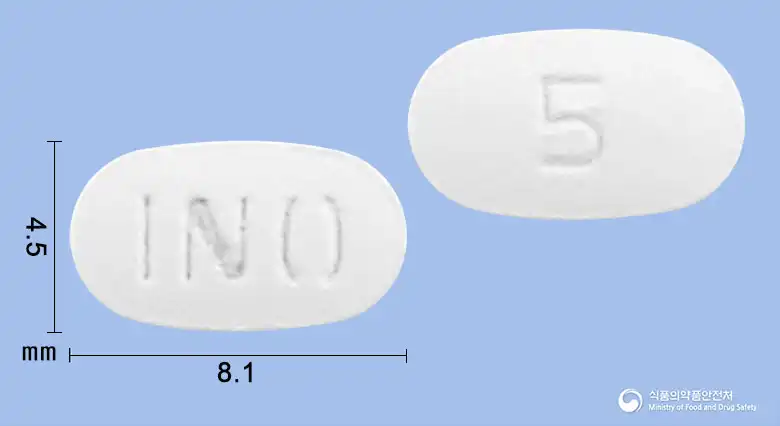
Levocetirizine Hydrochloride 5mg
Tablet · Prescription medication
HK inno.N Co., Ltd.
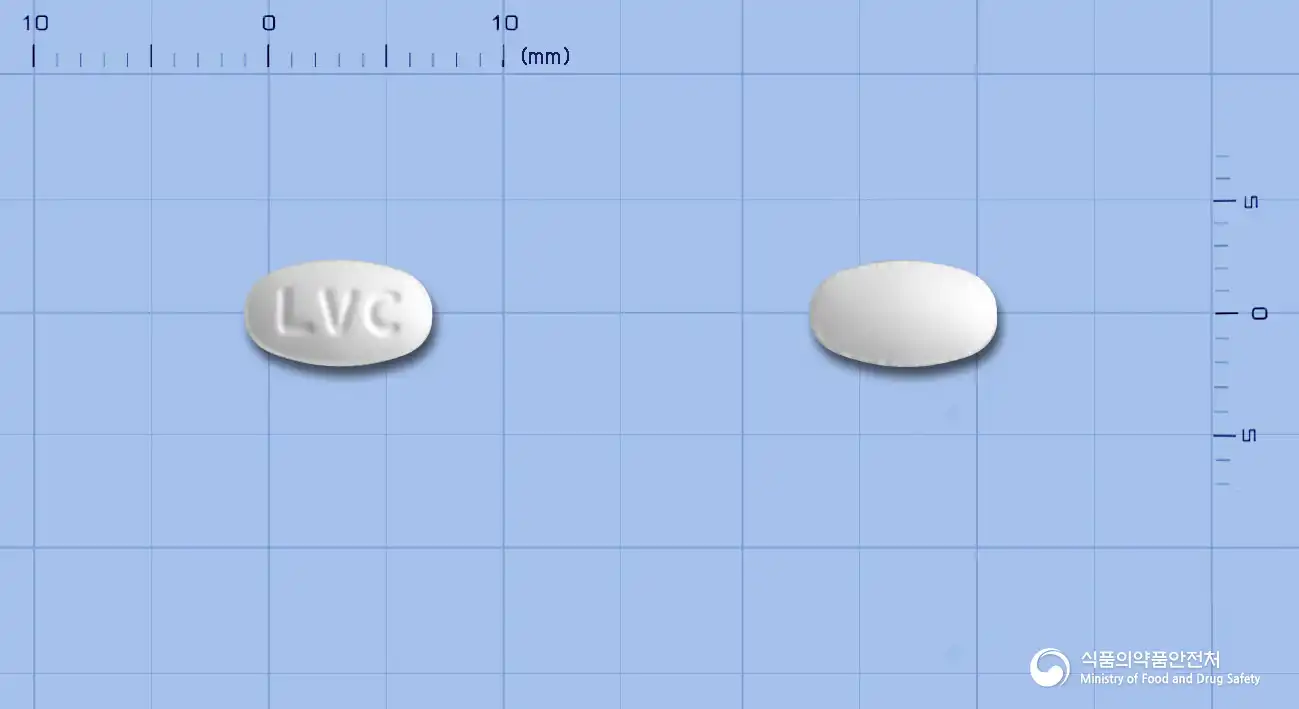
Levocetirizine Hydrochloride 5mg
Tablet · Prescription medication
Hanwha Pharmaceutical Co., Ltd.
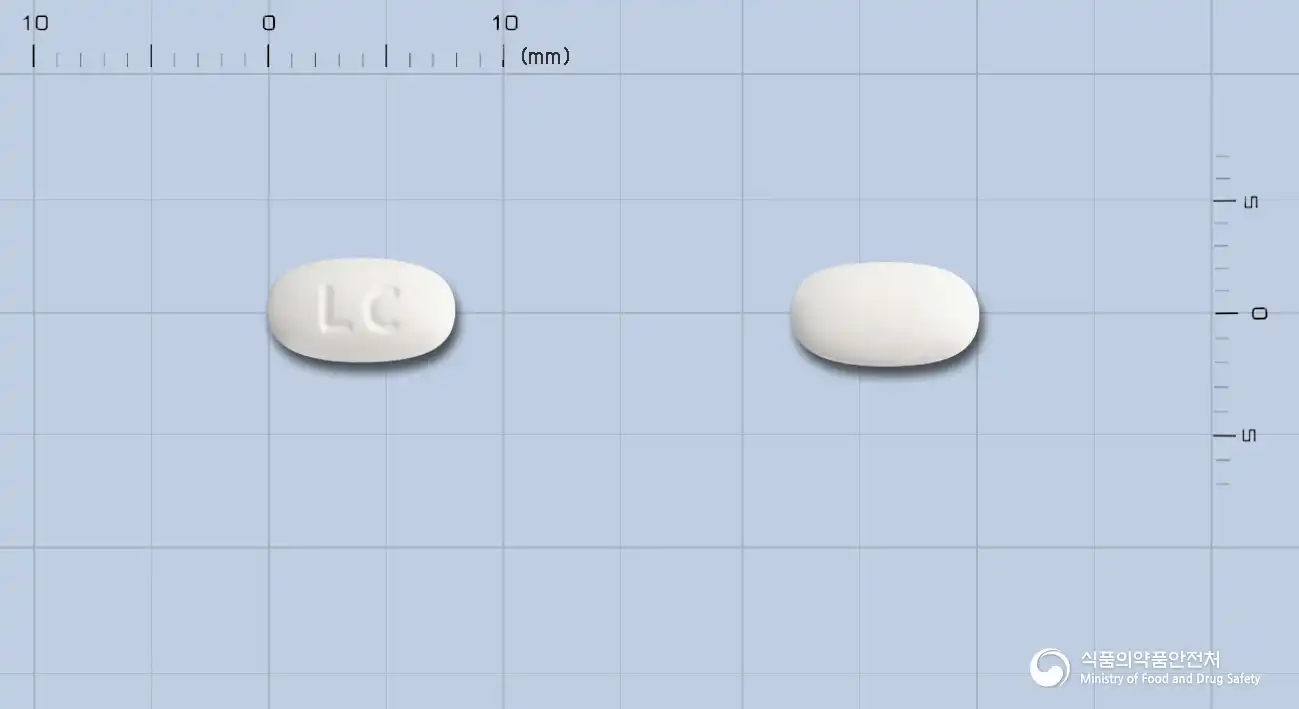
Levocetirizine Hydrochloride 5mg
Tablet · Prescription medication
Dongkwang Pharmaceutical Co., Ltd.
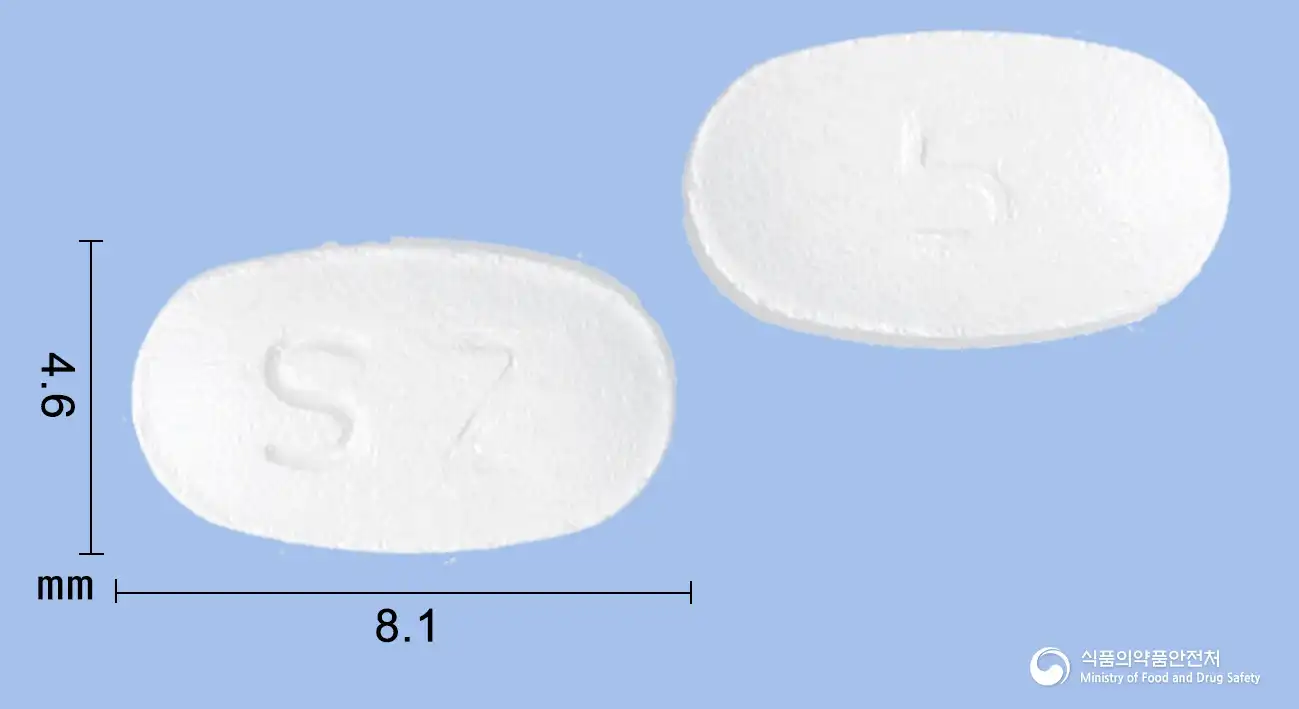
Levocetirizine Hydrochloride 5mg
Tablet · Prescription medication
Kyungdong Pharmaceutical Co., Ltd.
Levocetirizine Hydrochloride 5mg
Tablet · Prescription medication
Hanlim Pharmaceutical Co., Ltd.
Even with the same ingredient, the dose and directions can differ by strength and dosage form. Talk to a doctor or pharmacist before switching from a medication you are already taking.
No questions yet.
For anything that needs medical judgment, consult a doctor or pharmacist.
This drug information is based on data provided by the Korea Ministry of Food and Drug Safety.
Consult a doctor or pharmacist for accurate dosage, administration, and usage instructions.