
 한국어
 English
 日本語
 中文(简体)
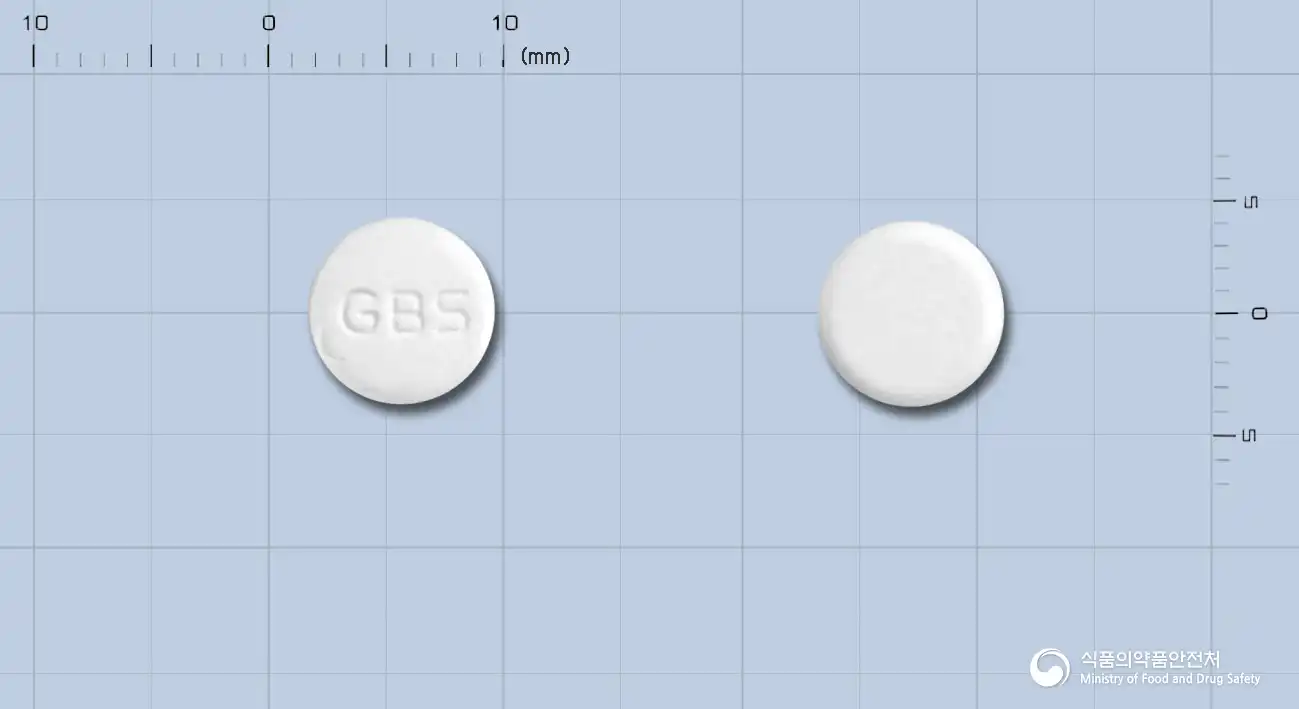 Viewing now
Glivus 0.3 mg Tablet (Voglibose)
Voglibose 0.3mg
Tablet · Prescription medication
Dongkook Pharmaceutical Co., Ltd.
MFDS item code 200806455 · Approved 2008.06.12
Improvement of postprandial hyperglycemia in diabetes mellitus
This medication helps improve postprandial hyperglycemia in patients with diabetes. It is especially used in cases where adequate effects are not achieved despite dietary and exercise therapies. It is also effective for patients who have difficulty controlling blood glucose levels while using oral hypoglycemic agents or insulin preparations. This medication contributes to the stable management of blood glucose levels and the prevention of complications. Therefore, it plays an important role in diabetes management and effectively improves postprandial blood glucose.
The effects and tolerability vary among patients, so the physician must determine the dose based on the patient's condition. The usual administration is as follows. Adults are generally administered 0.2mg of voglibose orally per dose, 3 times daily before each meal. If the effect is insufficient, the dose per administration may be increased to 0.3mg while carefully monitoring the patient's progress.
This medication should not be used in patients with severe ketoacidosis or diabetic coma. These patients require fluid and insulin treatment. It is also not recommended for patients with severe infections, or those undergoing surgery or suffering from severe trauma, as insulin treatment is advised. Patients who have experienced allergic reactions to any components of this medication should not take it. This medication contains lactose, so it should not be administered to patients with genetic disorders that affect lactose digestion. Patients with chronic bowel diseases who have issues with digestion and absorption should be careful, as this medication may worsen their symptoms. Patients who may experience increased intestinal gas that exacerbates their condition, such as those with a history of abdominal surgery or intestinal obstruction or stenosis, should use this with caution. Patients with severely impaired liver or kidney function should be careful, as this medication may impact blood glucose control. Elderly patients may have diminished bodily functions, so treatment should start with a low dose and closely monitor their condition. When used in conjunction with other hypoglycemic agents, the risk of hypoglycemia may increase, so it is advisable to start with a low dose and carefully observe blood glucose changes. If hypoglycemic symptoms occur while taking this medication, glucose should be consumed instead of sugar, and in severe cases, immediate medical assistance should be sought. Abdominal bloating and increased flatulence may occur, and severe symptoms like intestinal obstruction may arise, so treatment should be stopped immediately if symptoms are severe. Abnormal liver function or jaundice symptoms may appear, necessitating regular liver function tests, and treatment should be discontinued if any abnormalities are noted. Particularly for patients with liver cirrhosis, constipation can exacerbate hyperammonemia and consciousness disturbances, necessitating close monitoring of bowel movements. During treatment with this medication, gastrointestinal symptoms such as diarrhea, abdominal pain, nausea, and vomiting may occur, and administration should be stopped in case of skin rash or itching. Neurological symptoms such as headache, dizziness, and drowsiness have also been reported, so caution is required when driving or operating machinery. Women who are pregnant or may become pregnant should only use this medication when necessary, as its safety has not been established, and nursing mothers are advised to avoid it if possible. Use is not advisable for children as safety has not been confirmed. This medication should be used in conjunction with dietary and exercise therapies, and blood glucose levels should be regularly checked to monitor effectiveness. If blood glucose control is insufficient after 2-3 months, alternative treatment methods should be considered. This medication may interact with specific drugs, so it is essential to inform the healthcare provider of any other medications being taken.
Not everyone experiences these, and they can vary from person to person.
This medication should be stored in a sealed container to prevent air or moisture ingress, ideally at a temperature between 1 to 30 degrees Celsius.
White - light yellow round tablet
90 tablets (10 tablets/PTP x 9), 30 tablets/bottle, 300 tablets/bottle
Even with the same ingredient, strength, dosage form and how it is taken can differ.
Viewing nowVoglibose 0.3mg
Tablet · Prescription medication
Dongkook Pharmaceutical Co., Ltd.
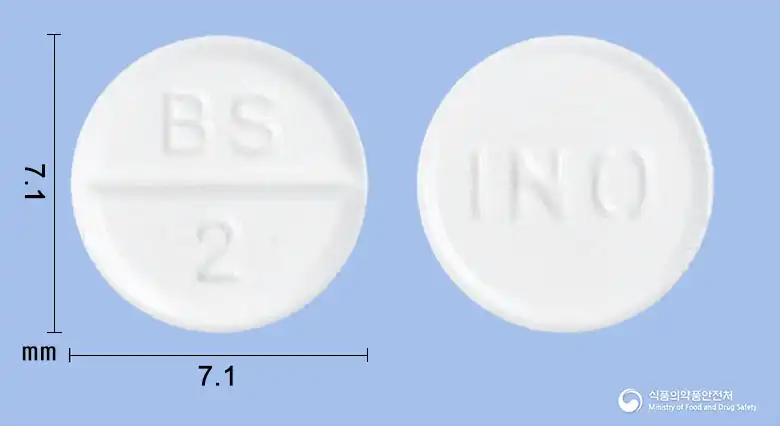
Voglibose 0.2mg
Tablet · Prescription medication
HK inno.N Co., Ltd.
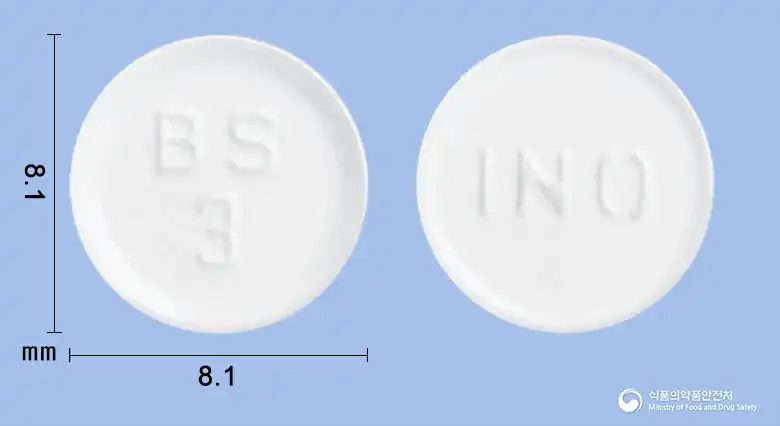
Voglibose 0.3mg
Tablet · Prescription medication
HK inno.N Co., Ltd.
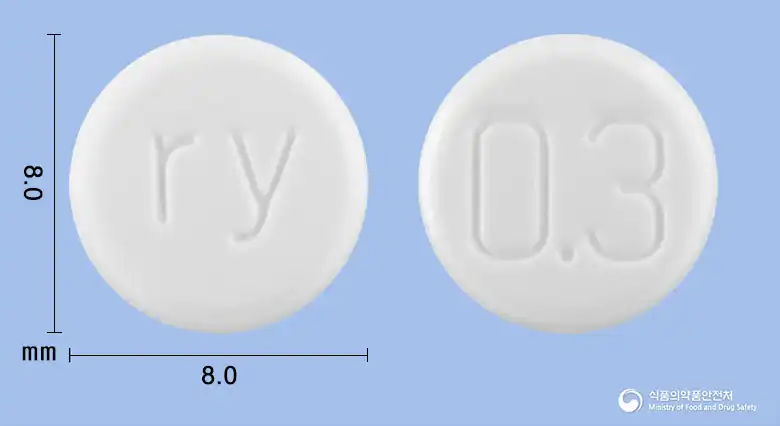
Voglibose 0.3mg
Tablet · Prescription medication
IYON Pharmaceutical Co., Ltd.
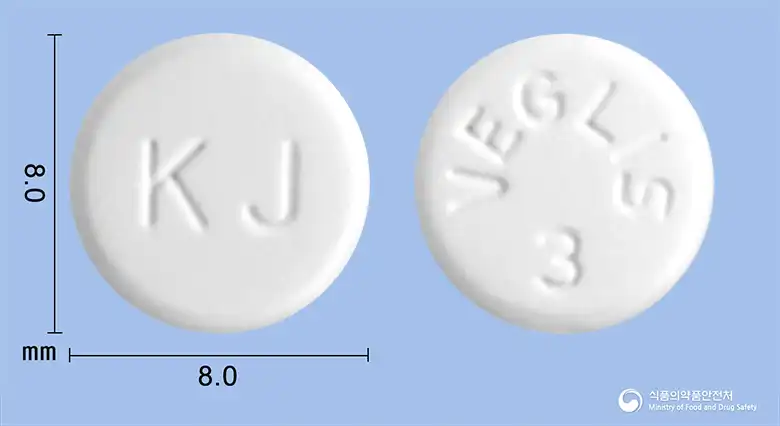
Voglibose 0.3mg
Tablet · Prescription medication
Kukje Pharmaceutical Co., Ltd.
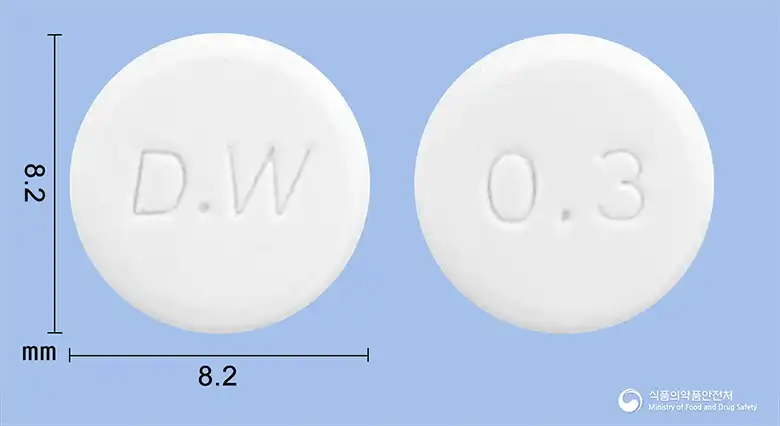
Voglibose 0.3mg
Tablet · Prescription medication
Daewong Pharmaceutical Co., Ltd.
Voglibose
Prescription medication
Daehwa Pharmaceutical Co., Ltd.
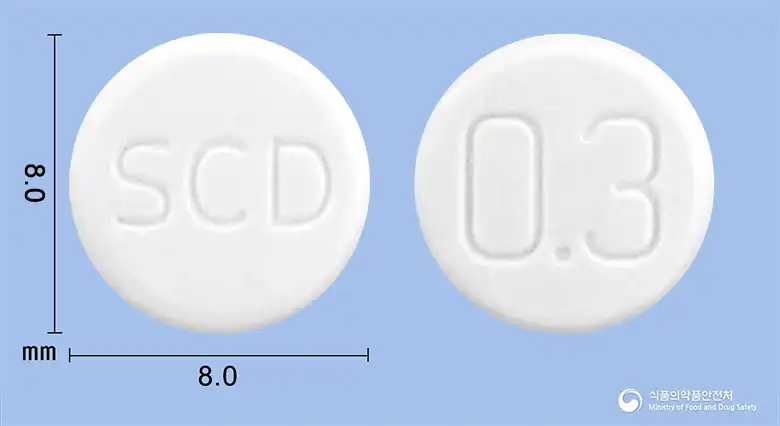
Voglibose 0.3mg
Tablet · Prescription medication
SamchunDang Pharmaceutical Co., Ltd.
Even with the same ingredient, the dose and directions can differ by strength and dosage form. Talk to a doctor or pharmacist before switching from a medication you are already taking.
No questions yet.
For anything that needs medical judgment, consult a doctor or pharmacist.
This drug information is based on data provided by the Korea Ministry of Food and Drug Safety.
Consult a doctor or pharmacist for accurate dosage, administration, and usage instructions.